
Best Mountain Bike Forks of 2026: Tested & Reviewed

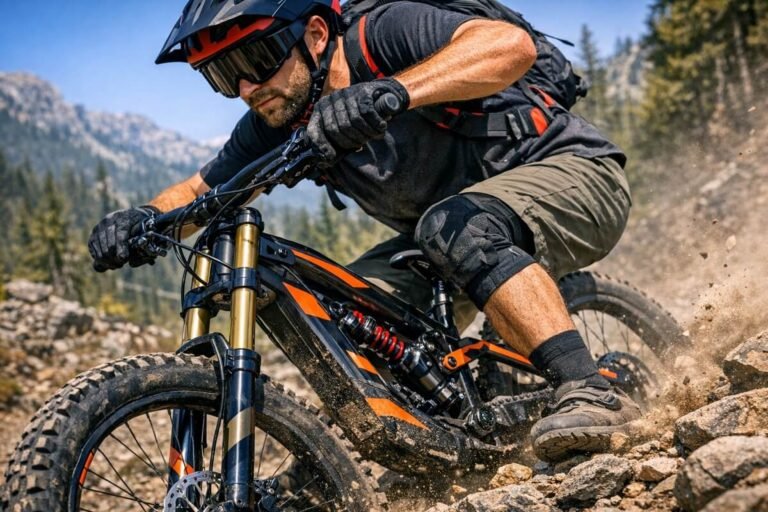
When it comes to mountain biking, your fork can make a big difference in how your bike handles the trail. It affects how the front wheel responds to rough terrain, how confidently you can handle descents and landings, and how comfortable the bike feels over long rides. Choosing the right mountain bike fork can therefore have a noticeable impact on both control and overall ride quality.
Mountain bike fork technology has also evolved significantly, with improvements in suspension design, damping, adjustability, and materials giving riders more options than ever. However, more choices can make it harder to determine which fork actually suits your bike, riding style, terrain, and budget.
In this guide, we compare several popular mountain bike forks across different riding categories, from lightweight XC options to trail and enduro-focused models. We’ll look at their travel, weight, suspension systems, adjustment features, compatibility, and intended use to help you understand which type of fork makes sense for your setup.
Best Mountain Bike Forks: Comparison Table of 2026
Here’s a comparison table of seven top mountain bike forks for 2026 for various riding styles and budgets:
| Fork Model | Travel Options (mm) | Wheel Size | Weight (g) | Spring System | Damping System | Price |
| RockShox Psylo Ultimate | 130, 140, 150, 160 | 27.5″, 29″ | 1,320 | Air | Isolator RC (3-position) | Check |
| Fox 36 Factory Series GRIP X | 160, 170, 180 | 27.5″, 29″ | 2,044 | Air | GRIP2 (high/low-speed compression, rebound) | Check |
| RockShox SID Ultimate | 100 | 29″ | 1,300 | Air | Charger Race Day (3-position) | Check |
| Fox 34 Factory Series FIT4 | 140 | 29″ | 1,800 | Air | FIT4 (3-position) | Check |
| Marzocchi Bomber Z1 | 170 | 27.5″, 29″ | 2,300 | Coil | Simple damper (rebound, compression) | Check |
| MRP Ribbon Coil | 160 | 27.5″, 29″ | 2,400 | Coil | Ramp Control (adjustable progressivity) | Check |
| RockShox Pike Ultimate | 150 | 27.5″, 29″ | 1,800 | Air | Charger 2.1 RC2 (high/low-speed compression, rebound) | Check |
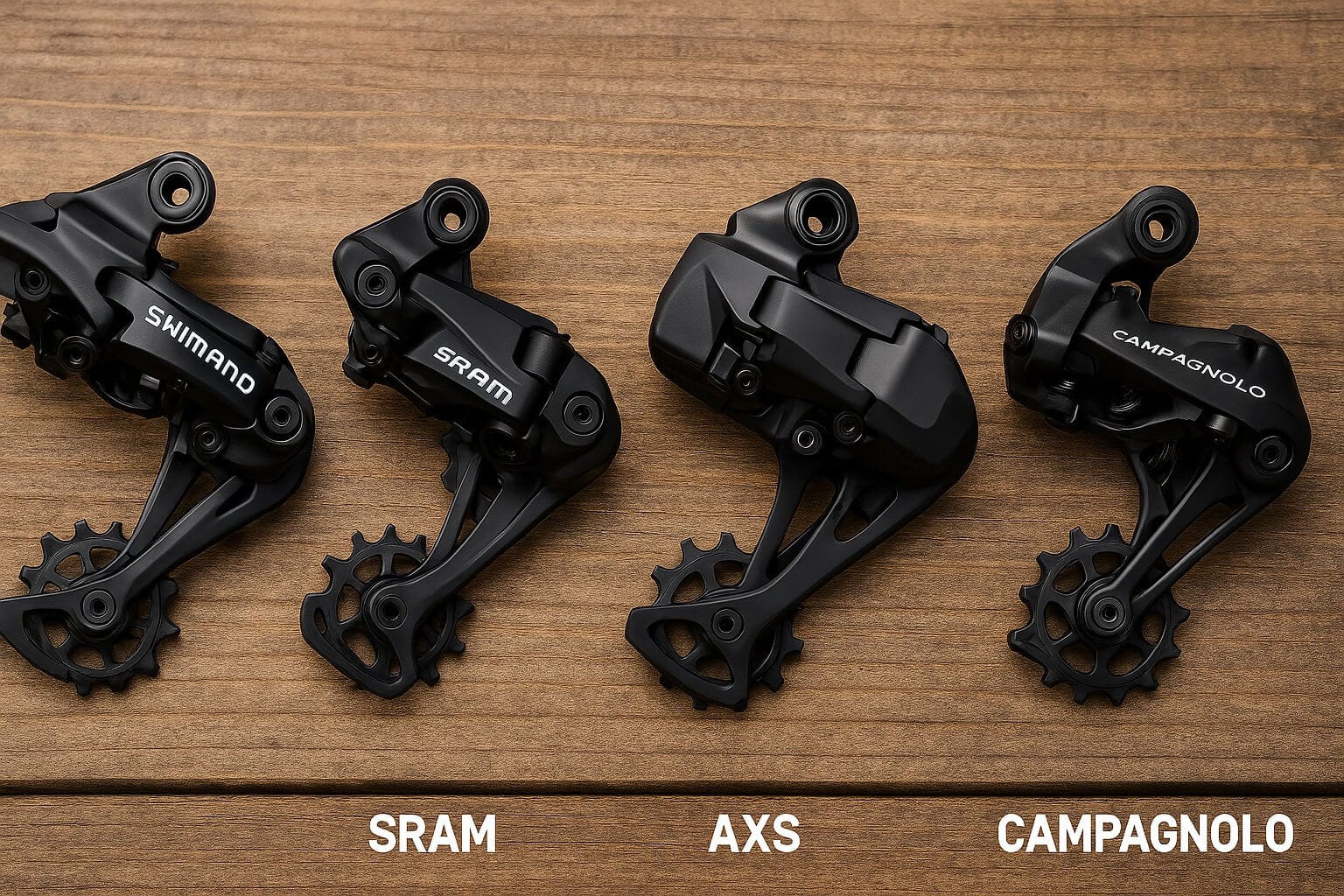
Choosing the right fork is only one part of building a capable trail bike. Components such as your drivetrain, chest protectors, and tire setup also have a huge impact on overall performance. If you’re upgrading your bike, check out our guide to the best mountain bike derailleurs to improve shifting performance on demanding trails.
How We Evaluated These Mountain Bike Forks
We evaluated these mountain bike forks using manufacturer documentation, technical specifications, suspension design, adjustability, travel, weight, intended riding category, compatibility, maintenance requirements, and value. We also compared the models against one another to identify where each fork makes the most sense for different types of riders.
What We Compared
- Travel: Available travel and how it aligns with XC, trail, all-mountain, and enduro riding.
- Chassis and compatibility: Wheel size, axle standard, steerer configuration, and other fitment requirements.
- Damping and adjustment: Compression, rebound, and other available tuning controls.
- Spring system: Air or coil design, along with the adjustment and setup considerations associated with each.
- Weight: Published weight, particularly where it can affect climbing and overall bike weight.
- Maintenance: Manufacturer service information and model-specific maintenance requirements.
- Intended use: The type of riding and terrain each fork is designed to handle.
- Value: Features and specifications relative to the fork’s intended use and price.
Hands-On Testing vs. Product Research
Not every fork in this guide was physically tested by our team. For models we have personally ridden, we identify that hands-on experience separately. For the remaining forks, our assessment is based on manufacturer specifications, technical documentation, product information, and comparison with competing models.
We do not present specification-based research as first-hand testing. This distinction helps you understand which observations come from direct experience and which are based on documented product information.
1. RockShox Psylo Ultimate

Tech Specs:
- Travel Options: 130mm, 140mm, 150mm, 160mm
- Wheel Size: 27.5”, 29”
- Weight: 1,320g
- Spring System: Air
- Damping System: Isolator RC (3-position)
- Steerer Tube: Tapered alloy
- Star Rating: ⭐⭐⭐⭐☆
Hands-On Tested: We tested the RockShox Psylo Ultimate on the trail, paying attention to its setup, suspension response, adjustment range, control, and overall handling. Our assessment below combines that riding experience with the fork’s published specifications and intended use.
The RockShox Psylo Ultimate stands out as a versatile option for riders who want a capable trail fork without moving into the heavier enduro-focused category. During our testing, we focused on how the fork responded to changing trail conditions and how easily its suspension characteristics could be adjusted to suit different riding situations.
Its air-spring design also gives riders flexibility when setting up the fork for their weight and riding style. Combined with its available travel options and adjustable damping, the Psylo Ultimate can work across a range of trail-oriented builds rather than being limited to one specific type of riding.
What We Liked During Testing
- Adjustable setup: The air-spring and damping adjustments provide useful flexibility when dialing in the fork.
- Trail versatility: Its travel options make it suitable for riders with different trail-bike setups.
- Control: The fork provides a controlled feel when riding over changing trail surfaces.
- Weight: Its published weight keeps it relatively suitable for riders who want trail capability without adding excessive weight.
Potential Drawbacks
- It may offer more travel and capability than a rider needs for a lightweight XC-focused bike.
- Riders should verify the exact travel, wheel size, axle, steerer, and frame compatibility before purchasing.
Who Should Choose the Fox 36 Factory Series GRIP X?
The Fox 36 Factory Series GRIP X is aimed at riders who prioritize suspension control and aggressive trail capability over keeping their bike as light as possible. Our hands-on testing supports its suitability for riders looking for a more substantial fork for demanding trail and enduro-oriented riding.
2. Fox 36 Factory Series GRIP X

Tech Specs:
- Travel Options: 160mm, 170mm, 180mm
- Wheel Size: 27.5”, 29”
- Weight: 2,044g
- Spring System: Air
- Damping System: GRIP2 (high/low-speed compression, rebound)
- Steerer Tube: Tapered aluminum
- Star Rating: ⭐⭐⭐⭐⭐
Hands-On Tested: We tested the Fox 36 Factory Series GRIP X on the trail, evaluating its setup, damping adjustments, front-end control, suspension response, and behavior during aggressive riding. Our observations are combined with the manufacturer’s specifications and the fork’s intended riding category.
The Fox 36 Factory Series GRIP X is designed for riders who need more support and control than a lightweight XC or short-travel trail fork typically provides. Its larger chassis and longer travel configuration make it particularly relevant to aggressive trail and enduro builds.
During our testing, we paid particular attention to how the fork handled rough sections and how its adjustment range affected the ride. The extensive damping controls also make setup more important; riders should take the time to adjust the fork rather than simply installing it and riding with the factory settings.
What We Liked During Testing
- Front-end control: The larger chassis provides a confidence-oriented feel for aggressive trail riding.
- Damping adjustment: The available compression and rebound adjustments allow riders to fine-tune the suspension.
- Long-travel capability: Its travel range makes it suitable for demanding trail and enduro applications.
- Stability: The fork feels better suited to rough and aggressive terrain than lightweight XC-oriented models.
Potential Drawbacks
- Its weight makes it less attractive for riders prioritizing a lightweight XC setup.
- The extensive adjustment range can require more setup time and suspension knowledge.
- Its longer-travel configurations may not be appropriate for every frame.
Who Should Choose the RockShox SID Ultimate?
The RockShox SID Ultimate is best suited to riders building or upgrading a cross-country bike where low weight, efficient suspension, and controlled handling are important. Our hands-on testing showed that its characteristics are closely aligned with the demands of XC riding rather than long-travel trail or enduro use.
3. RockShox SID Ultimate

Tech Specs:
- Travel: 100mm
- Wheel Size: 29”
- Weight: 1,300g
- Spring System: Air
- Damping System: Charger Race Day (3-position)
- Steerer Tube: Tapered carbon
- Star Rating: ⭐⭐⭐⭐⭐
Hands-On Tested: We tested the RockShox SID Ultimate with a focus on XC-oriented riding, paying attention to its weight, suspension response, pedaling efficiency, adjustment options, and handling over uneven terrain. We combined those hands-on observations with the fork’s documented specifications when assessing its overall suitability.
The RockShox SID Ultimate takes a different approach from the longer-travel forks in this guide. With its lightweight design and 100mm travel configuration, it is aimed primarily at cross-country riders who want efficient suspension without adding unnecessary weight to the front of the bike.
During testing, we focused on how the fork balanced suspension movement with the efficient feel expected from an XC setup. Its three-position damping system also gives riders a way to change the fork’s behavior depending on whether they are climbing, riding smoother terrain, or dealing with rougher sections.
What We Liked During Testing
- Low weight: Its lightweight design is well suited to XC bikes where minimizing overall weight matters.
- Efficient feel: The fork is designed around the pedaling and handling demands of cross-country riding.
- Three-position damping: The available settings provide useful control over the fork’s behavior.
- XC-focused design: Its configuration makes its intended purpose clear rather than trying to cover every riding category.
Potential Drawbacks
- Its 100mm travel limits it for riders looking for a longer-travel trail or enduro fork.
- It is better suited to XC-focused bikes than aggressive long-travel trail builds.
- Riders should confirm the exact wheel, axle, steerer, and frame requirements before installation.
Who Should Choose the RockShox SID Ultimate?
The RockShox SID Ultimate is best suited to riders building or upgrading a cross-country bike where low weight, efficient suspension, and controlled handling are important. Our hands-on testing showed that its characteristics are closely aligned with the demands of XC riding rather than long-travel trail or enduro use.
4. Fox 34 Factory Series FIT4

Tech Specs:
- Travel Options: 140mm
- Wheel Size: 29”
- Weight: 1,800g
- Spring System: Air
- Damping System: FIT4 (3-position)
- Steerer Tube: Tapered aluminum
- Star Rating: ⭐⭐⭐⭐⭐
The Fox 34 Factory Series FIT4 is the go-to fork for riders who need versatility and all-around performance. Whether you’re cruising through flowy trails or tackling more technical sections, the FIT4 damper offers smooth adjustability, while the stiffer chassis improves overall control.
Its 3-position damper is easy to tune on the fly, which provides a responsive feel regardless of the terrain. Pairing a quality suspension fork with comfortable contact points, such as these ergonomic mountain bike grips, can further reduce hand fatigue on long rides.
Pros:
- Excellent for trail and all-mountain riding
- Easy to adjust on the fly
- Quiet and consistent performance
- Solid performance across varied terrain
- Reliable, with a long lifespan
Cons:
- Slightly heavy for XC-focused riders
- Not ideal for heavy-duty enduro or downhill use
5. Marzocchi Bomber Z1

Tech Specs:
- Travel: 170mm
- Wheel Size: 27.5”, 29”
- Weight: 2,300g
- Spring System: Coil
- Damping System: Simple damper (rebound, compression)
- Steerer Tube: Tapered alloy
- Star Rating: ⭐⭐⭐⭐☆
The Marzocchi Bomber Z1 is built for riders who want a plush, predictable feel on rough enduro and all-mountain trails. Its coil-sprung design provides consistent support and excellent small-bump sensitivity, helping the front wheel stay planted when the trail gets rocky, rooty, or steep. With 170mm of travel, it also provides plenty of suspension for absorbing bigger impacts and maintaining control on demanding descents.
Compared with many air-sprung forks, the Bomber Z1 offers a simpler setup and a more consistent ride feel, although it gives riders fewer tuning options. Its straightforward rebound and compression adjustments make it relatively easy to dial in, making the Z1 a practical choice for aggressive trail riders who prioritize comfort, durability, and dependable performance over extensive adjustability.
Pros:
- Excellent for aggressive riders and technical trails
- Coil spring offers consistent feel and durability
- Ideal for rough or bumpy descents
- Easy to maintain and set up
- Great value for the price
Cons:
- Heavier than air-sprung models
- Less adjustability compared to air forks
6. MRP Ribbon Coil

Tech Specs:
- Travel: 160mm
- Wheel Size: 27.5”, 29”
- Weight: 2,400g
- Spring System: Coil
- Damping System: Ramp Control (adjustable progressivity)
- Steerer Tube: Tapered aluminum
- Star Rating: ⭐⭐⭐⭐⭐
The MRP Ribbon Coil is designed for enduro riders who want the consistent feel of a coil-sprung fork with additional control over suspension progression. Its adjustable Ramp Control lets riders fine-tune how the fork responds through its travel, giving them more flexibility when tackling technical and demanding trails.
With 160mm of travel and a stable coil-sprung feel, the Ribbon Coil is a practical option for aggressive riders and those who prioritize customization and predictable performance.
Pros:
- Excellent for aggressive and technical terrain
- Plush and stable suspension performance
- Coil spring ensures consistent feel
- Durable and low-maintenance
Cons:
- Heavier than air-sprung forks
- Ramp control system may take time to dial in
7. RockShox Pike Ultimate

Tech Specs:
- Travel: 150mm
- Wheel Size: 27.5”, 29”
- Weight: 1,800g
- Spring System: Air
- Damping System: Charger 2.1 RC2 (high/low-speed compression, rebound)
- Steerer Tube: Tapered aluminum
- Star Rating: ⭐⭐⭐⭐⭐
Designed for all-mountain and enduro riding, the RockShox Pike Ultimate combines a responsive air spring with highly adjustable damping for controlled performance across varied terrain. Its Charger 2.1 RC2 damper provides independent high- and low-speed compression and rebound adjustments, allowing riders to fine-tune the fork for technical climbs, rough descents, and fast flow trails.
With 150mm of travel, the Pike Ultimate offers a versatile balance of support, comfort, and control without the added weight of longer-travel enduro forks. It’s well suited to riders who want precise suspension tuning and a responsive feel when tackling everything from rocky sections to aggressive trail riding.
Pros:
- Excellent adjustability for varied terrain
- Responsive on technical trails
- Great for both trail and enduro riding
- Versatile fork for pro riders
Cons:
- Heavier than other XC-oriented forks
- Not as plush as coil-sprung models
Mountain Bike Fork Buying Guide (2026)
Choosing the right mountain bike fork can feel overwhelming, especially with so many travel options, damping systems, and materials on the market. This guide breaks things down simply, so you can match a fork to your riding style and budget.
Pick the Right Travel
Travel determines how much the fork compresses.
- 100–120mm: XC racing and fast climbing. Light and efficient.
- 130–150mm: Trail riding. Great balance of control and comfort.
- 160–180mm: Enduro and aggressive descending. Designed for rough terrain.
- 180mm+ (rare for single crowns): Downhill and bike-park use.
Choose travel based on how and where you ride, not the biggest number on the chart.
Choose Air or Coil
Both have strengths.
- Air Forks:
- Lightweight
- Highly adjustable
- Great for XC, trail, and all-mountain
- Coil Forks:
- Very smooth feel
- Consistent performance on long descents
- Ideal for heavier riders or aggressive terrain
If you want maximum tuning options, pick air. If you want simplicity and plushness, pick coil.
Understand Damping Systems
Damping controls how the fork behaves over bumps.
Key terms:
- Compression: How the fork resists force when hitting bumps
- Rebound: How fast it returns after compressing
- Low-speed adjustment: Impacts like braking, cornering, body weight shifts
- High-speed adjustment: Impacts from rocks, roots, and landings
For beginners, a 3-position damper is easy to use. For experienced riders, a high/low-speed adjustable damper offers full control.
Match the Fork to Your Wheel Size
Forks come in 27.5″ and 29″. Stay with the wheel size your bike is designed for. Using the wrong size changes geometry and handling. Long days on the trail often require carrying tools, snacks, and extra layers. Pairing your new fork with right hip packs for mountain biking is a comfortable way to carry essentials without the bulk of a backpack.
Check Axle Type and Steerer Tube
Your fork must match your frame and wheel setup.
- Steerer: Most modern bikes use a tapered steerer.
- Axle: 15mm and 20mm thru-axles are common.
If these don’t match, the fork simply won’t fit. Although upgrading your fork, many riders also take the opportunity to add practical accessories for everyday riding and trail stops. If you frequently ride to work or on mixed terrain, these mountain bike kickstands are worth considering.
Weight and Stiffness
Weight matters for XC and long climbs, while stiffness can improve control on descents and technical trails. However, suspension setup is only one part of riding comfort.
Proper bike fit, riding position, and technique can also affect how your body handles long or demanding rides. If you experience discomfort while riding, see our guide on how to prevent knee pain while mountain biking for practical tips.
- Lighter forks = better for climbing
- Stiffer forks = better control at speed
“If you also enjoy recording your rides, an action camera can be a useful addition for capturing technical descents, trail footage, and memorable rides. Check out our guide to the best action cameras for mountain biking to compare options for different riding conditions.”
Budget: What to Expect
- $400–$700: Good entry-level trail forks, basic adjustments
- $700–$1,000: Strong mid-range performance
- $1,000+: Premium dampers, lighter materials, tuned performance
Higher cost usually means better damping and more tuning options.
Service and Maintenance
Regular service keeps the fork performing smoothly. For model-specific service intervals and procedures, riders should also check the manufacturer’s official maintenance documentation, such as the SRAM suspension service resources for compatible RockShox forks.
- Lower-leg service: Every 30–50 hours
- Full rebuild: 100–200 hours, depending on model
If you ride in wet or muddy conditions, you’ll need more frequent service.
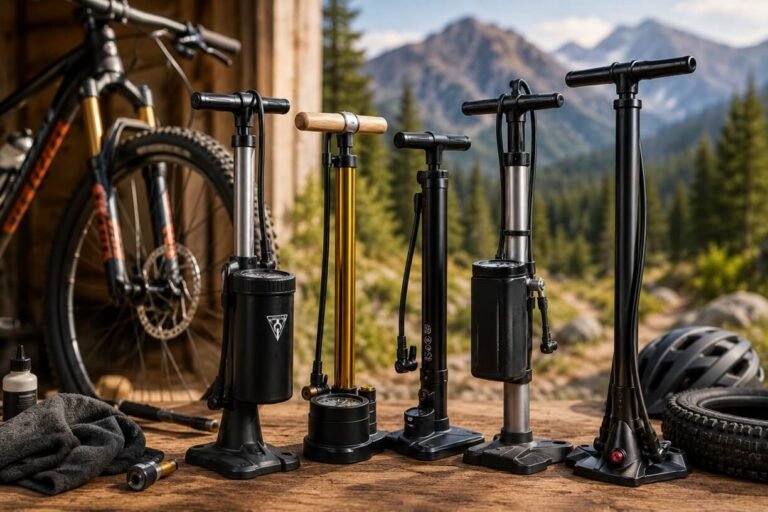
“Keeping proper tire pressure is just as important as maintaining your suspension. Riders running tubeless setups should also carry one of the best bike pumps for tubeless tires to ensure optimal performance on every ride.”
“Regular maintenance keeps your bike safe and trail-ready. Many riders also install essential accessories, such as mountain bike bells, to improve safety and alert other trail users when riding shared paths.”

Final Thoughts
Choosing the right mountain bike fork for your rides in 2026 isn’t just about picking the most expensive or the lightest option; it’s about finding the one that complements your riding style, terrain, and comfort preferences. Ultimately, your ideal fork comes down to balancing performance, budget, and the type of terrain you frequent.
Whether you’re racing, conquering rugged downhills, or enjoying a weekend trail ride, these forks represent the best of what 2026 has to offer, making your mountain biking experience more enjoyable, smooth, and responsive. The decision is yours—test them, feel the ride, and choose the one that lets you ride the way you’ve always wanted.
Your suspension fork is only one piece of the puzzle. The overall design and geometry of your bike play an equally important role in ride quality and handling. If you’re shopping for a complete setup, take a look at our expert guide about best mountain bikes to find a model that matches your riding style.
FAQs: Best Mountain Bike Forks of 2026
Which mountain bike fork brand is better: Fox or RockShox?
Neither brand is universally better. Fox forks are known for their premium damping and extensive adjustability, on the other hand, RockShox forks offer easier setup, lower maintenance costs, and excellent value. Your choice should depend on your riding style, budget, and personal preference.
Can upgrading my mountain bike fork improve ride quality?
Yes. Upgrading to a higher-quality fork can significantly improve traction, comfort, cornering control, and confidence on technical trails. Many riders notice an immediate improvement in handling after upgrading from an entry-level fork.
How long does a mountain bike fork generally last?
With regular maintenance, a quality mountain bike fork can last anywhere from 5 to 10 years or more. Factors such as riding conditions, frequency of use, and servicing intervals greatly affect longevity.
Do professional riders prefer air or coil forks?
Many professional enduro and downhill riders prefer coil forks because of their consistent feel and superior small-bump sensitivity. However, air forks remain popular among XC racers and trail riders due to their lighter weight and adjustability.
Is it worth buying a premium mountain bike fork?
A premium fork is worth the investment if you ride frequently, tackle challenging terrain, or compete in races. Casual riders find that mid-range forks provide more than enough performance for their needs.
What is the best mountain bike fork for heavier riders?
Heavier riders often benefit from stiffer chassis designs and coil-sprung models, such as the Marzocchi Bomber Z1 or MRP Ribbon Coil, because they provide excellent support and consistent suspension performance on rough terrain.
Can a mountain bike fork affect climbing performance?
Absolutely. Lightweight forks with efficient lockout or compression settings can improve climbing efficiency by reducing unwanted suspension movement and conserving rider energy on long ascents.
Should I buy a new or used mountain bike fork?
Buying used can save money, but it’s important to inspect the fork carefully for stanchion damage, oil leaks, excessive wear, or neglected maintenance. A new fork offers warranty protection and peace of mind.