10 Common Mistakes to Avoid When Kayak Fishing

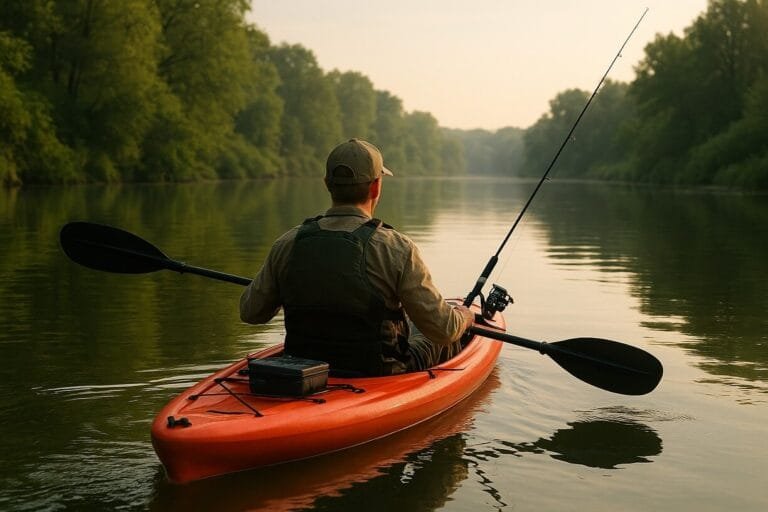
Kayak fishing is an exhilarating and rewarding outdoor sport, offering anglers the chance to explore new waters, experience the serenity of nature, and reel in impressive catches. However, just like any sport, common mistakes can make your experience less enjoyable or even unsafe. Being aware of these mistakes—and knowing how to avoid them—can help you improve your kayak fishing experience.
In this article, we will explore 10 common kayak fishing mistakes, backed by statistics and data analysis, and offer tips on how to avoid them. These insights will help you increase your success rate, keep you safe, and ensure that every trip is enjoyable.
1. Not Choosing the Right Kayak
One of the most common mistakes in kayak fishing is not selecting the right kayak for your specific needs. Kayaks come in various shapes, sizes, and styles, each designed for different purposes. For fishing, choose a kayak that offers the right stability, comfort, and storage for your fishing gear.
What beginners usually get wrong
A kayak that feels stable on calm water behave very differently once you add a cooler, tackle box, battery, fish finder, rods, and your own body weight. For kayak fishing, stability isn’t the only consideration. You also need enough usable storage, a suitable weight capacity, comfortable seating, and a hull designed for the water you’ll actually fish.
What to check before buying
Before choosing a fishing kayak, check these five things:
| Feature | What to look for |
| Width | A wider hull generally provides a more stable fishing platform |
| Weight capacity | Your body weight + gear + fishing equipment should remain comfortably below the stated capacity |
| Storage | Make sure you have accessible space for tackle, safety gear, and a fishing cooler |
| Seating | An adjustable elevated seat can make long fishing sessions more comfortable |
| Water type | Match the kayak to lakes, rivers, bays, or coastal water conditions |
A common real-world mistake
A beginner may choose a lightweight recreational kayak because it’s inexpensive and easy to transport. After adding fishing gear, however, the kayak can become cramped and difficult to paddle efficiently. Trying to stand and cast can also be uncomfortable if the hull isn’t designed for that type of fishing.
How to avoid it
Write down the gear you normally take fishing before choosing the kayak. Add your body weight, cooler, tackle, rods, battery, electronics, water, and safety equipment. Then compare the total with the kayak’s rated capacity.
If you regularly fish larger rivers, windy lakes, or coastal water, prioritize tracking, stability, and appropriate hull design rather than choosing solely by price. Better takeaway: Don’t choose a kayak because it’s marketed as a “fishing kayak.” Choose one based on your body weight, total gear load, fishing style, and the water you’ll actually use it on.
2. Overloading Your Kayak
One of the easiest ways to make a fishing kayak unstable is to treat its maximum weight capacity as the amount of gear you can safely carry. That capacity includes you and everything in the kayak, not just your fishing equipment.
A better approach is to make a pre-launch gear list:
- PFD
- Paddle
- Fishing rods
- Tackle
- Cooler
- Water
- Battery/electronics
- Anchor
- First-aid kit
- Communication device
- Extra clothing
- Food
Put heavier items low and near the kayak’s center, while keeping frequently used equipment where you can reach it without excessive twisting or leaning.
Real-world warning
A kayak that feels perfectly stable when empty can behave differently once loaded for a full-day fishing trip. If the stern sits noticeably lower in the water after loading, reassess your gear and weight distribution before launching.
Practical fix: Weigh your complete fishing setup once at home. Keep that number recorded so you know how much additional equipment you can safely add.
3. needs a completely different level of specificity
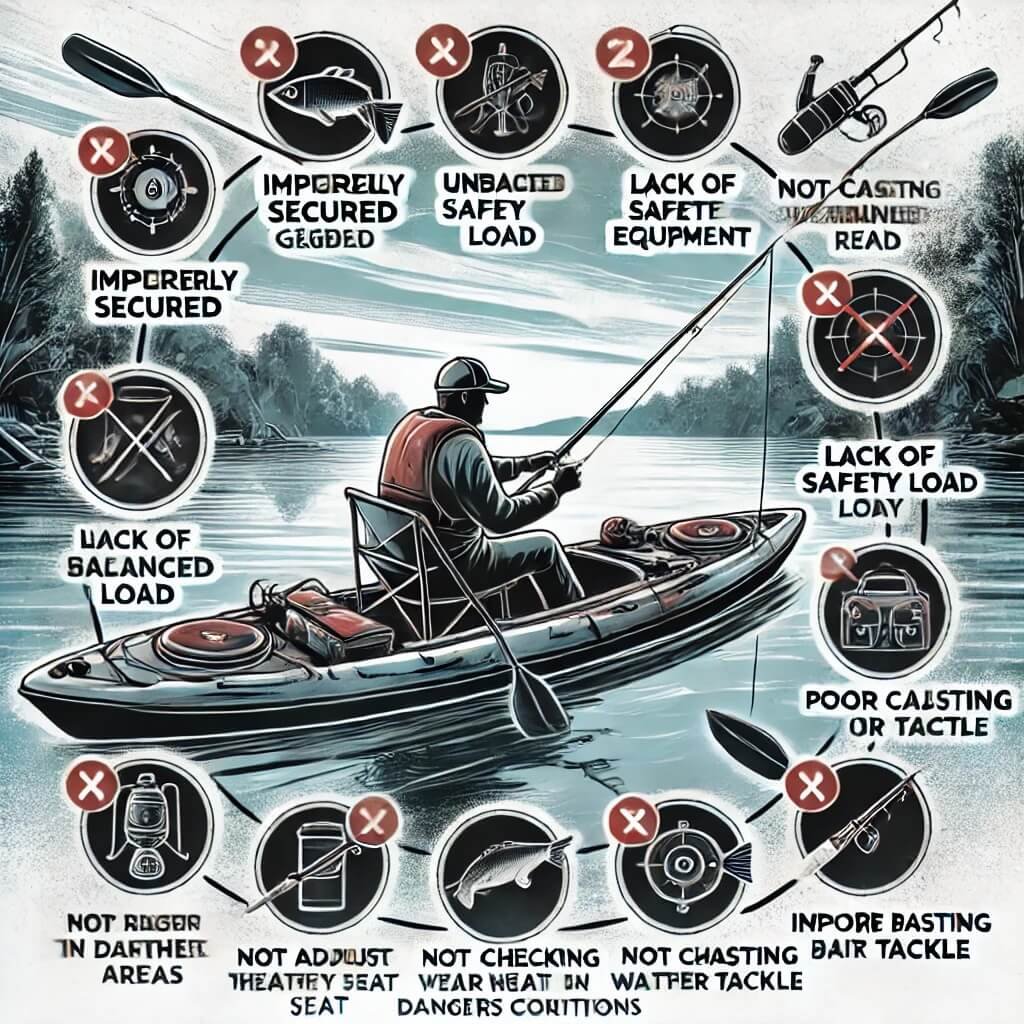
The mistake isn’t simply “forgetting a life jacket.” A more common problem is packing safety equipment somewhere you can’t reach after a capsize. Your essential safety equipment should remain accessible while you’re seated in the kayak.
For example:
- PFD: Wear it before launching.
- Whistle: Attach it where you can reach it immediately.
- Phone: Keep it inside a waterproof case, not loose in a tackle box.
- First-aid kit: Store it somewhere accessible.
- Spare paddle: Secure it where it won’t interfere with fishing.
- Navigation/communication equipment: Keep it protected but reachable.
The test
Before leaving shore, ask yourself:
“If I fall into the water right now, can I reach my essential safety equipment?”
4. Not Checking Wind and Weather Before Launching
Don’t look only at the chance of rain. For kayak fishing, pay attention to:
- wind speed
- wind direction
- thunderstorms
- temperature
- wave conditions
- current
- water temperature
- forecast changes during your planned trip
Wind direction matters. A route that is easy with a tailwind can become exhausting when you’re paddling back against the wind.
Practical rule
Before launching, identify:
- where you’ll fish,
- which direction the wind is coming from,
- where you can get off the water if conditions worsen,
- how long the return trip will take.
This turns “check the weather” into something the reader can actually use.
5. Fishing Without Proper Tackle and Equipment

Many anglers make the mistake of not bringing the right fishing tackle or equipment for the conditions they’re fishing in. This can lead to frustration, lost catches, and wasted time.
Mistake Analysis
A survey conducted by Field & Stream found that 43% of anglers experienced at least one trip where their fishing gear didn’t meet the requirements of the fishing conditions. This includes wrong rod sizes, unsuitable bait, and inadequate tackle boxes.
How to Avoid It
Make sure you’re using the right fishing gear for your target species and the type of fishing you’re doing. If you’re kayak fishing in saltwater, ensure that your tackle is corrosion-resistant. Also, consider packing extra lines, hooks, and bait in case something breaks or gets lost during your trip.
6. Fishing Unfamiliar Water Without a Plan
Don’t make your first kayak trip on unfamiliar water by simply launching and exploring. Before launching, identify:
- launch location
- parking/access
- expected water conditions
- current direction
- tide times if applicable
- shallow areas
- potential landing points
- areas where you can take shelter
- expected fishing locations
For moving water, especially, think about the return journey before you launch. A route that looks easy going downstream can require considerably more effort when returning upstream.
7. Failing to Practice Paddling Techniques
Kayak fishing requires strong paddling skills, especially when you’re navigating through challenging waters or trying to reach specific fishing spots. Many beginners fail to practice proper paddling techniques, which can lead to inefficient movement and unnecessary fatigue.
Mistake Analysis
A study by the American Canoe Association found that 25% of beginners report struggling with paddling techniques, leading to frustration and slower progress on the water. Poor technique can also increase the risk of injury, such as shoulder strain or back pain.
How to Avoid It
Before heading out, practice your paddling techniques in a calm, controlled environment. Focus on using your core muscles rather than just your arms to paddle. If you’re new to kayaking, consider taking a lesson to improve your technique and make your paddling more efficient.
8. Not Using the Right Fishing Techniques for Kayak Fishing
Kayak fishing has unique challenges that require specific techniques. For example, fishing from a kayak limits your ability to cast long distances or work heavy lures effectively. Many anglers make the mistake of using traditional fishing techniques that aren’t suitable for kayaking.
Mistake Analysis
A survey by Angling Direct found that 40% of kayak anglers experienced reduced success rates due to using the wrong fishing techniques. Common mistakes include using overly large lures, not adjusting casting techniques for the confined space, and failing to anchor properly. [/su_note] Adapt your fishing techniques for kayak fishing. Use lighter tackle, smaller lures, and shorter rods that are easier to maneuver in a kayak. Consider learning how to fish from a stationary position or using a drift technique to maintain control while fishing.How to Avoid It
9. Not Anchoring Properly
Anchoring is a vital skill in kayak fishing. Failing to anchor properly can lead to drifting away from the best fishing spots, losing control of your kayak in strong winds or currents, and putting yourself at risk in hazardous conditions.
Mistake Analysis
According to a study by the National Park Service, 15% of kayak accidents involve poor anchoring techniques. In areas with strong currents or wind, improper anchoring can also lead to capsizing or being swept into dangerous areas.
How to Avoid It
Use a suitable anchor system for your kayak and ensure you know how to properly deploy and retrieve it. When fishing in moving waters, anchor from the bow or stern to reduce the risk of drifting. Practice anchoring in different conditions to gain confidence and control.
10. Ignoring Proper Maintenance of Your Kayak
Finally, kayak maintenance is often overlooked, but it is essential for prolonging the life of your kayak and ensuring safety on the water. Neglecting to clean, inspect, and repair your kayak can result in damage, poor performance, and unsafe conditions.
Mistake Analysis
A report from Outdoor Life found that 22% of kayak anglers had problems with their kayaks due to improper maintenance, such as leaks, worn-out paddles, or damaged hulls. Regular maintenance ensures your kayak performs optimally and stays safe to use.
How to Avoid It
Clean your kayak after every use, especially if you’ve been in saltwater, to prevent corrosion. Regularly check for cracks, leaks, or any damage that might affect the kayak’s performance. Store your kayak in a dry, cool place when not in use, and perform periodic inspections to ensure everything is functioning properly.
Frequently Asked Questions About Kayak Fishing Mistakes
Is kayak fishing harder than fishing from a regular boat?
Kayak fishing requires more attention to balance, positioning, paddling, and gear organization because you have limited space and less room to move. However, once you become comfortable managing your kayak and equipment, it can be a very efficient way to access shallow or hard-to-reach fishing areas.
How long should a beginner kayak fishing trip be?
For a first few outings, keeping the trip relatively short is usually better than planning an all-day adventure. A two- to three-hour session gives you enough time to practice launching, paddling, casting, repositioning, and landing without becoming excessively tired.
Should you practice getting back into your kayak?
Yes. Practicing a controlled re-entry in safe, shallow water can help you understand what to do if you accidentally end up in the water. It is much better to learn the technique during a planned practice session than to figure it out during an unexpected capsize.
Where should I keep my fishing gear in a kayak?
Keep frequently used items within easy reach while seated, while heavier equipment should be positioned so it doesn't unnecessarily affect the kayak's balance. Avoid placing loose items where they can interfere with your feet, paddle, or emergency equipment.
Is it better to fish alone or with another kayak angler?
Fishing with another experienced paddler can make learning easier and provides an additional layer of support, particularly when you're unfamiliar with the water. Solo trips can come later as you become more confident with your equipment, navigation, and self-rescue skills.
What should I do if I become too tired to paddle back?
Don't wait until you're completely exhausted. Stop fishing, secure your equipment, assess your remaining distance, and conserve energy for the return journey. If conditions have changed significantly or you cannot safely continue, use your planned exit or landing point rather than pushing farther.
Can I use the same kayak fishing setup in every type of water?
Not necessarily. A setup that works well on a calm lake may not be appropriate for moving rivers, windy reservoirs, or coastal water. Water conditions can affect the kayak, equipment, route planning, and techniques you need to use.
How can I tell if my kayak fishing setup is too complicated?
If you frequently struggle to reach equipment, manage fishing lines, paddle comfortably, or keep the deck clear, you may be carrying or mounting more equipment than you actually need. A simpler setup can make it easier to concentrate on fishing and controlling the kayak.
What is the best way to improve at kayak fishing?
The most effective approach is to build skills gradually. Practice paddling and kayak control in calm conditions, learn how your equipment behaves on the water, and gradually introduce more challenging fishing environments as your confidence improves.
Conclusion: Mistakes to Avoid When Kayak Fishing
Kayak fishing offers a thrilling and immersive way to fish, but it requires careful preparation and awareness of the common mistakes that can hinder your success or even jeopardize your safety. Remember to check the weather conditions, understand the waters you’re fishing, and use the right gear for the job. Avoid overloading your kayak, practice \paddling skills, and always anchor properly. With these tips in mind, you’ll be well on your way to becoming a skilled and safe kayak angler.
Take time to learn from others and always approach kayak fishing with respect for the environment and safety. With proper preparation, you’ll find that kayak fishing is one of the most rewarding and unique ways to experience the great outdoors.