How to Keep Hunting Clothes Scent-Free: 9 Proven Scent-Control Tips

Keeping hunting clothes scent-free is about more than simply using camouflage. Deer and other game can detect odors that humans barely notice, including sweat, laundry products, smoke, food, and fuel. That makes scent control an important part of preparing for a hunt.
The good news is that you don’t need a complicated routine. Washing hunting clothes with an unscented detergent, drying them away from household odors, storing them in a clean container, and controlling body and gear odors can significantly reduce unwanted scent. Wind direction still matters, so scent control should be treated as one part of an overall hunting strategy.
In this guide, we’ll cover a practical hunting-clothing scent-control routine, including washing, drying, storage, field preparation, gear maintenance, and wind management.
Table of Contents
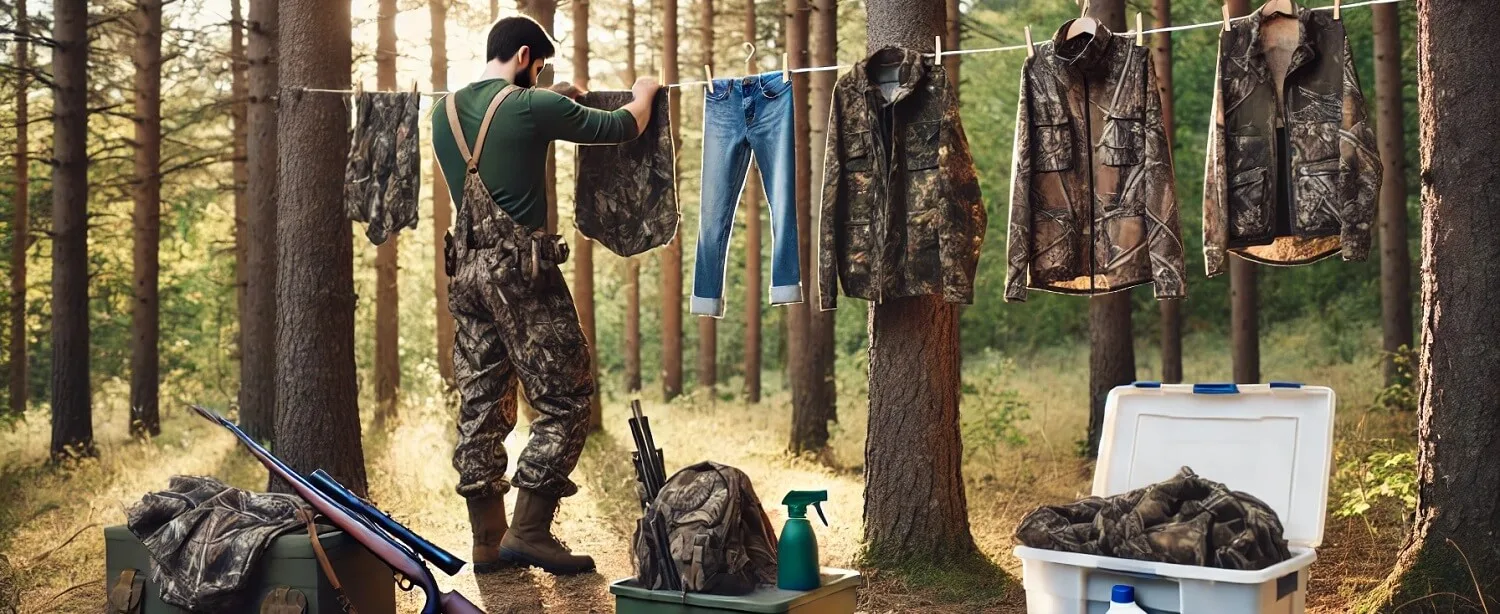
Our Hunting Clothes Scent-Control Routine
For a simple pre-hunt routine, follow these steps:
Wash hunting clothes separately with an unscented detergent.
Skip fabric softener and strongly scented laundry products.
Air-dry the clothing in an area away from smoke, fuel, food, and household odors.
Store completely dry clothing in a clean, sealed container.
Keep hunting boots, backpacks, and other gear away from everyday household items.
Shower with unscented products before the hunt and avoid applying strong fragrances.
Check wind direction before entering your hunting area and continue monitoring it throughout the hunt.
The goal isn’t to make yourself literally odorless. Instead, scent control helps reduce unnecessary human and household odors while good wind management helps limit the chance of those odors reaching game.
Hunting Clothes Scent-Control Checklist
| Scent-Control Step | What to Do | Priority |
|---|---|---|
| Washing | Use unscented detergent | High |
| Fabric Care | Avoid fabric softener and fragrance boosters | High |
| Drying | Air-dry in a low-odor area | High |
| Storage | Store completely dry clothing in a clean sealed container | High |
| Body Scent | Shower with unscented products before hunting | High |
| Gear | Clean and store boots and packs separately | Medium |
| Cover Scents | Use only as an optional supplement | Low |
| Wind | Keep your scent away from likely game routes | Critical |
The Importance of Scent Control
Wild animals such as deer rely heavily on their sense of smell to detect food, predators, and potential threats. For hunters, that means reducing unnecessary human odors can be useful, but scent control cannot completely eliminate your presence.Understanding the difference between scent-free clothing and cover scents is key:
- Scent-Free Clothing: Eliminates human odor at the source by using scent-free detergents, proper storage, and maintenance.
- Cover Scents: Mask human odor with natural scents like pine, earth, or acorn. While helpful, they don’t eliminate scent entirely.
A full scent-control regimen should focus on eliminating odor first rather than just covering it up.Think of cover scents as an optional supplement, not a replacement for reducing human odors and managing the wind.
Washing Techniques

Scent-Free Detergents
Regular laundry detergents contain fragrances and brighteners that animals can easily detect. Instead, use scent-free hunting detergents specifically designed to remove odors without leaving a residue. Some recommended brands include:
- Dead Down Wind Laundry Detergent
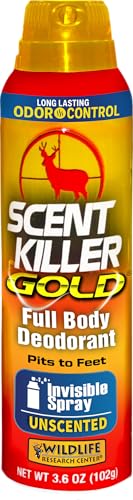
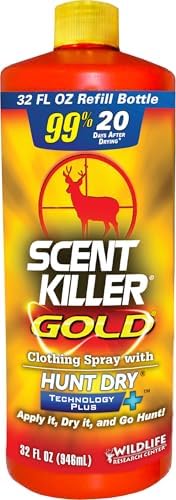
- Wildlife Research Center Scent Killer Gold
- Hunter’s Specialties Scent-A-Way Bio-Strike
Top Three Scent-Free Hunting Detergents:

Washing Machine Hygiene
Before washing your hunting clothes, clean your washing machine to remove any residual scents.
- Run the washer’s tub-cleaning cycle, if available.
- Otherwise, run an empty cleaning cycle according to the manufacturer’s instructions.
- Avoid leaving scented detergent or fabric-softener residue in the machine.
Wash Cycle Details
- Wash hunting clothes separately from regular laundry.
- Use cold or warm water to prevent fabric damage and maintain scent control properties.
- Add baking soda to help neutralize any remaining odors.
Avoid Fabric Softener and Scent Boosters
Don’t stop at choosing an unscented detergent. Avoid fabric softeners, scent beads, dryer perfumes, and other laundry additives that can leave fragrance or residue on hunting clothing.
If your washing machine has recently been used for heavily scented laundry, running a cleaning cycle before washing hunting clothes can also help reduce residual odors.
Drying Methods

Air Drying
Air drying is a practical option when you have a clean, low-odor area available. Avoid drying clothing near campfires, grills, vehicles, gasoline, cigarette smoke, or other strong odors that can transfer to fabric. Drying clothes in a garage where they might absorb fuel or chemical smells.
Dryer Usage
If you must use a dryer:
- Set it to low heat or air fluff.
- Never use scented dryer sheets. Toss in scent-free dryer sheets or a clean towel to reduce static—they can introduce strong, artificial fragrances.
- Toss in scent-free dryer sheets or a clean towel to reduce static.
Storage Solutions

Airtight Containers
Once your hunting clothes are clean and scent-free, store them properly to prevent odor contamination. The best options include:
- Airtight plastic bins with sealing lids.
- Vacuum-sealed bags for compact, odor-proof storage.
- Scent-proof hunting bags designed to block outside odors.
Storage Locations
Store your clothing in a cool, dry area away from strong odors like food, gasoline, or pets. Ideal places include:
- Basements or closets, as long as they are dry and free from musty smells.
- Inside vehicles or hunting lockers, if using scent-proof containers.
Recommended Scent-Control Storage Options:


Prevent Cross-Contamination
A scent-free container won’t help much if the clothing is placed inside with contaminated gear. Keep hunting clothes separate from boots, gasoline cans, food, smoke-exposed equipment, and everyday clothing.
Make sure clothing is completely dry before sealing it in a container. Trapping damp clothing can create musty odors and moisture problems.
Field Preparation

Body Scent Control
Even if your clothes are scent-free, your body can still give you away. Take these steps before heading out:
- Shower with scent-free soap and shampoo before your hunt.
- Use unscented deodorant designed for hunting.
- Avoid strong-smelling foods (garlic, spicy foods, alcohol) before a hunt, as these odors can be released through your skin.
Keeping your feet warm and dry can also make a long hunt more comfortable. If you’re hunting in cold conditions, choosing the right heated hunting socks can help maintain warmth without adding unnecessary bulk to your footwear.
Gear Maintenance
Your boots, backpack, and other gear can also carry unwanted scents. Keep them clean by:
- Wiping them down with scent-free wipes or sprays.
- Storing them separately from everyday items to prevent cross-contamination.
- Spraying boots with scent-eliminating spray before heading into the field.
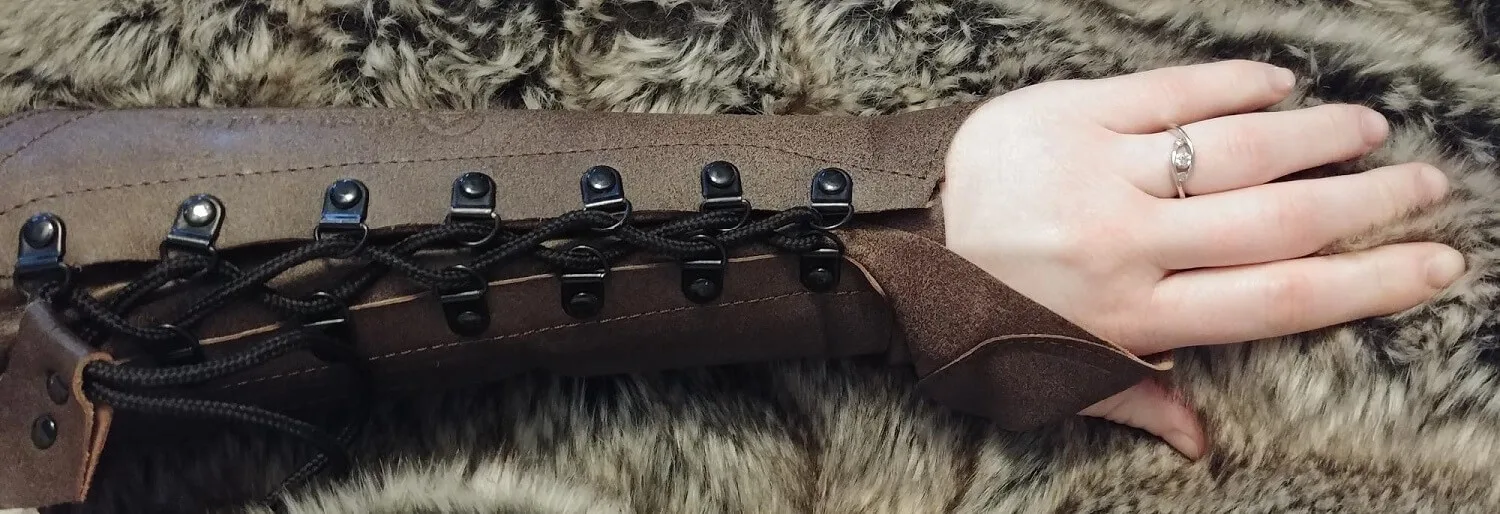
Don’t overlook smaller pieces of gear, either. Items such as your hunting belt can pick up sweat, dirt, and other odors during repeated use, so clean and store them properly between hunts.
Your outer layers deserve the same attention. Hunting pants can collect sweat, mud, vegetation, and other odors throughout the day, so wash them according to the manufacturer’s care instructions and keep them stored with your other scent-controlled clothing.
Recommended Scent-Eliminating Sprays

- FIGHTS ODORS: A household essential, Febreze Air Mist instantly restores any space with just-cleaned freshness
- A scent so airy, your guests will think you live in an odor-fighting cloud of freshness
- IMPROVED FORMULA: Now with 50% more odor fighters and 30% more fragrance (vs. prior base Febreze)
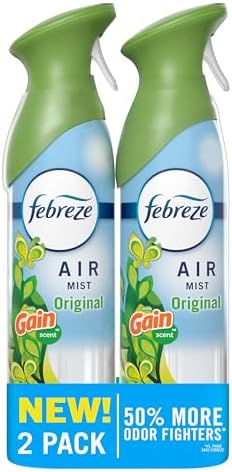
- FIGHTS ODORS: A household essential, Febreze Air Mist instantly restores any space with just-cleaned freshness
- The just-right floral notes will have your guests wondering where you’re hiding that flower garden
- IMPROVED FORMULA: Now with 50% more odor fighters and 30% more fragrance (vs. prior base Febreze)

- Doesn’t just mask, fights odors
- Febreze FABRIC (formerly Febreze Fabric Refresher) fights odors embedded in fabrics and other soft surfaces, leaving a l…
- Perfect for hard-to-wash fabrics such as clothing, upholstery, carpets, and window treatments (DO NOT use on leather, su…
Ozone Generators
Some hunters use ozone treatment to reduce odors on clothing and gear before a hunt. Ozone can react with odor-causing compounds, but it should not be treated as a substitute for proper washing, drying, storage, or wind management.
If you use an ozone generator, follow the manufacturer’s instructions carefully and use it only in an appropriate unoccupied space or storage system. Avoid exposing people or animals to ozone, and don’t assume that ozone treatment makes clothing completely scent-free.
Playing the Wind
Even with perfect scent control, wind direction plays a major role in whether an animal detects you. Always:
- Check the wind before and during your hunt with a wind-checking powder or device.
- Adjust your setup based on shifting wind conditions.
Why Wind Still Matters
Scent control can reduce unnecessary odors, but it cannot make a hunter completely scentless. Wind direction ultimately determines where your scent travels.
Before setting up, check the wind and consider where your scent will move relative to likely deer travel routes, bedding areas, and feeding areas. Continue checking conditions during the hunt because wind can shift as terrain and weather change.
If the wind consistently carries your scent toward the area you expect deer to approach from, consider changing your setup rather than relying on cover scents to compensate.
Final Thoughts
Scent control is one of the most important factors in successful hunting. By properly washing, drying, storing, and maintaining your hunting clothes, you can stay undetected in the field. Combine these methods with smart wind positioning, and you’ll increase your chances of getting closer to game without being detected.
Want to hide yourself from scent control to the next level? Check out our in-depth reviews of best Camo for Deer Hunting to build the ultimate hunting practice. Don’t forget your hands, especially during cold-weather hunts. Hunting gloves can absorb sweat and odors, so keep them clean and store them separately from strongly scented household items.
FAQs: Keeping Hunting Clothes Scent-Free
How often should I wash my hunting clothes?
Wash your hunting clothes before the season starts and after each hunt if they become sweaty or exposed to strong odors. If they remain relatively clean, you can freshen them up with scent-eliminating sprays between uses.
Can I use regular laundry detergent to wash hunting clothes?
No, regular laundry detergents contain fragrances, dyes, and UV brighteners that game animals can detect. These residues can increase your scent and visibility in the field. Always wash hunting clothes with a scent-free hunting detergent like Dead Down Wind or Scent Killer Gold to help reduce odors and avoid UV enhancement.
Is it okay to dry hunting clothes in a regular clothes dryer?
Yes, but air drying is the better option. Drying hunting clothes outdoors in a scent-free area helps prevent odor contamination. If you use a regular dryer, skip scented dryer sheets and use low heat or an air-fluff setting to reduce added odors and scent buildup.
What should I do if I sweat while hunting?
Sweat can quickly ruin scent control. Wear moisture-wicking base layers to reduce sweating and apply scent-free deodorant before heading out. You can also bring scent-eliminating wipes to clean up in the field.
How important is wind direction compared to scent control?
Even with perfect scent control, wind direction is crucial. Always position yourself downwind from where animals are likely to approach. Using a wind-checking powder can help you monitor shifting wind conditions.
Does scent-free detergent make hunting clothes completely scent-free?
No. Scent-free detergent helps reduce added fragrances and laundry odors, but it cannot remove every trace of human scent. Proper drying, storage, body-scent control, gear maintenance, and wind management should all be part of your routine.
Can I wear hunting clothes immediately after washing them?
Yes, as long as they are completely dry and haven’t picked up strong odors during drying or storage. Avoid putting freshly washed clothing in a smoky vehicle, near gasoline, or around strongly scented household products.