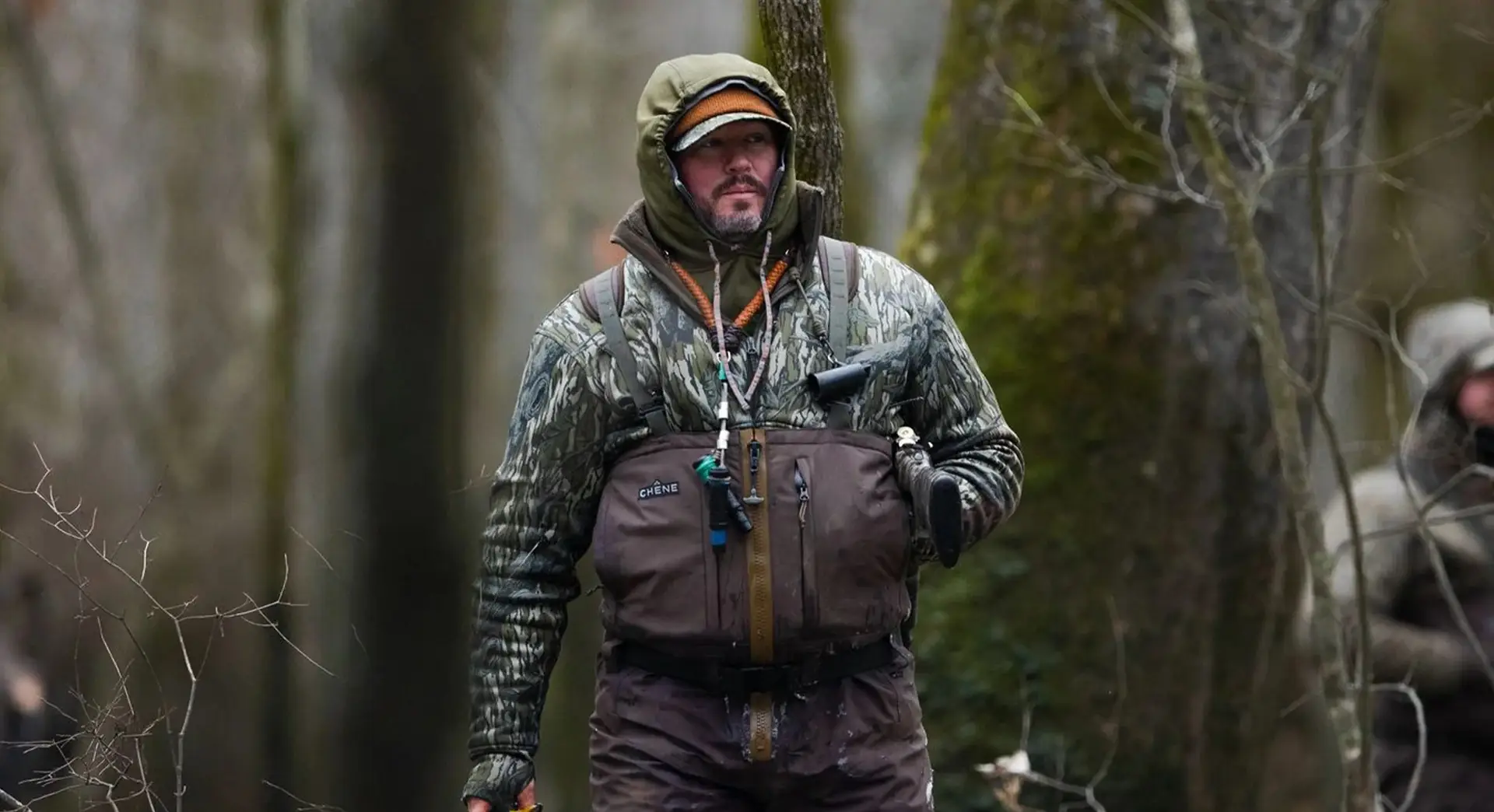
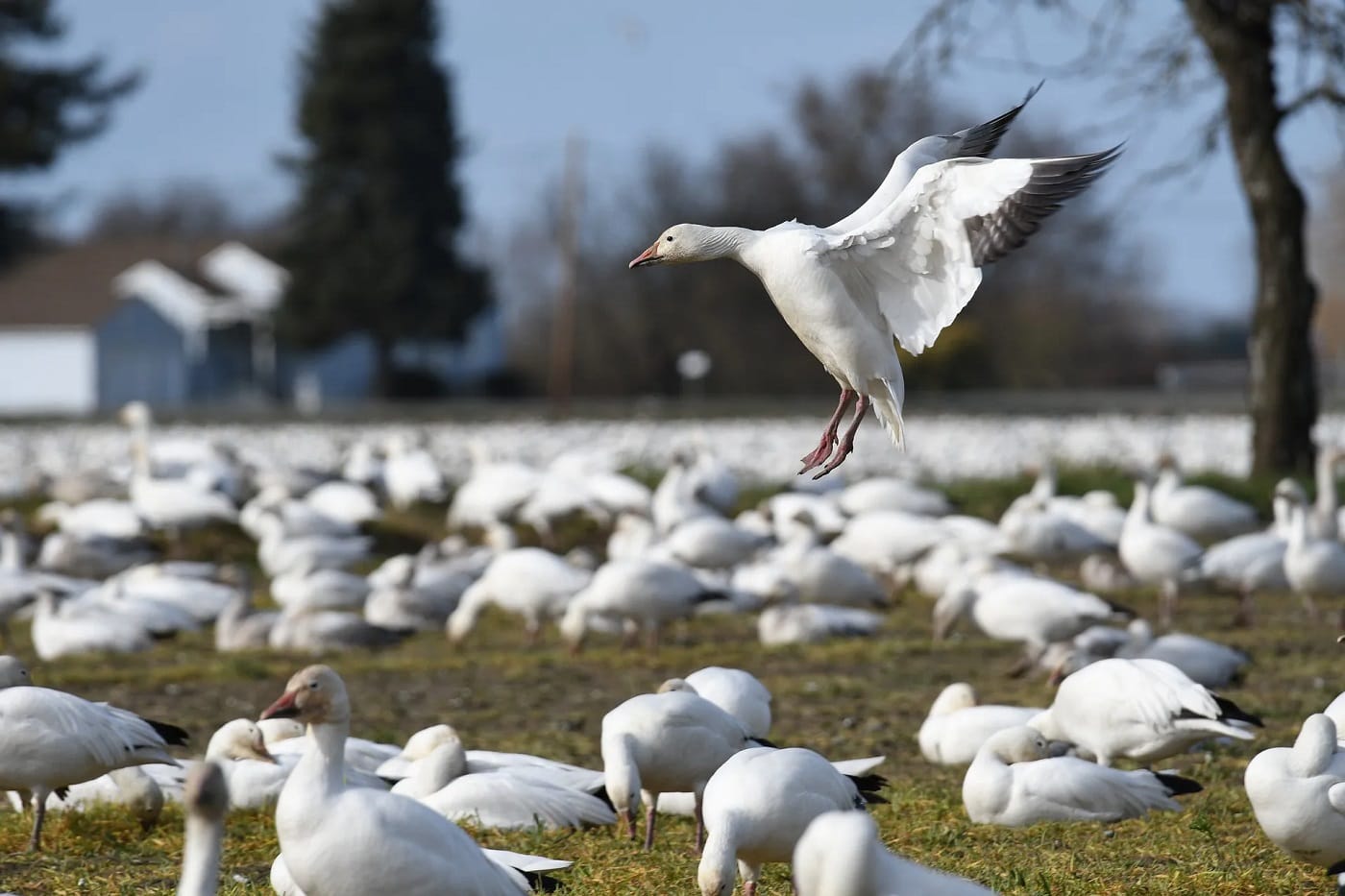
How to Be a Casual Snow Goose Hunter

Snow goose hunting is a thrilling way to connect with nature while honing your skills as an outdoorsman. As these striking white birds migrate through various regions, they attract hunters eager to experience the rush of the chase and the camaraderie of fellow hunters. Whether you’re a seasoned veteran or a newcomer to the field, learning how to be a casual snow goose hunter can make your hunting experience more enjoyable and fulfilling.
This guide will equip you with essential knowledge, tips, and ethical practices to ensure your snow goose hunting adventures are successful and responsible.
Getting Started With Snow Goose Hunting
A successful casual hunt starts with understanding the birds, preparing your setup, and knowing what to expect in the field.
Understanding Snow Geese
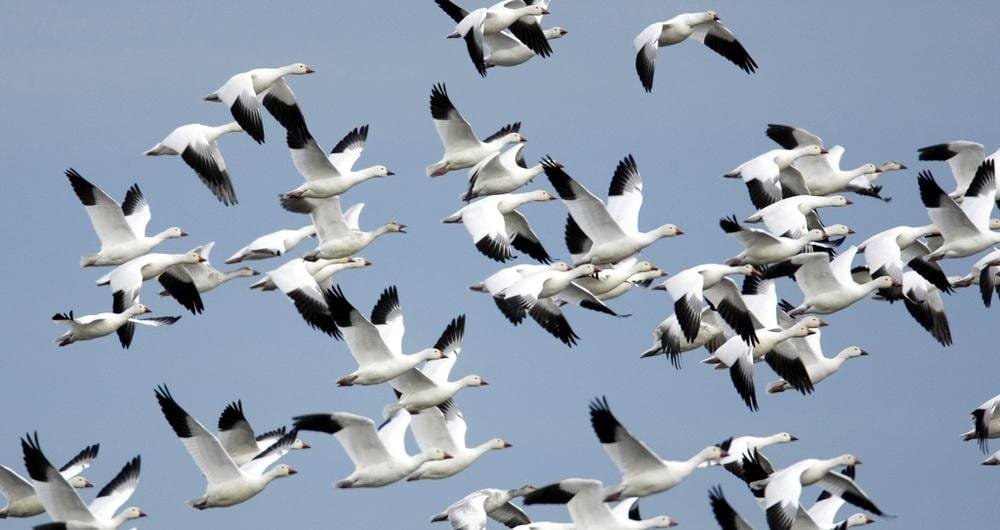
Before you grab your gear and head out, it’s crucial to understand the snow goose’s behavior and habitat. Snow geese are known for their white plumage and distinctive black heads. They are migratory birds, generally flying south in large flocks during the fall and returning north in the spring. Knowing their migration patterns, feeding habits, and preferred habitats can significantly improve your chances of success.
- Migration Patterns: Snow geese migrate in large groups, often flying in a V formation. Understanding when they are likely to pass through your area is key. This varies based on geographic location, weather conditions, and seasonal changes.
- Feeding Habits: Snow geese primarily feed on agricultural fields, particularly those with grains, as well as natural wetlands. Observing where they congregate can help you set up a successful hunting strategy.
Gear Up: Essential Equipment for Snow Goose Hunting
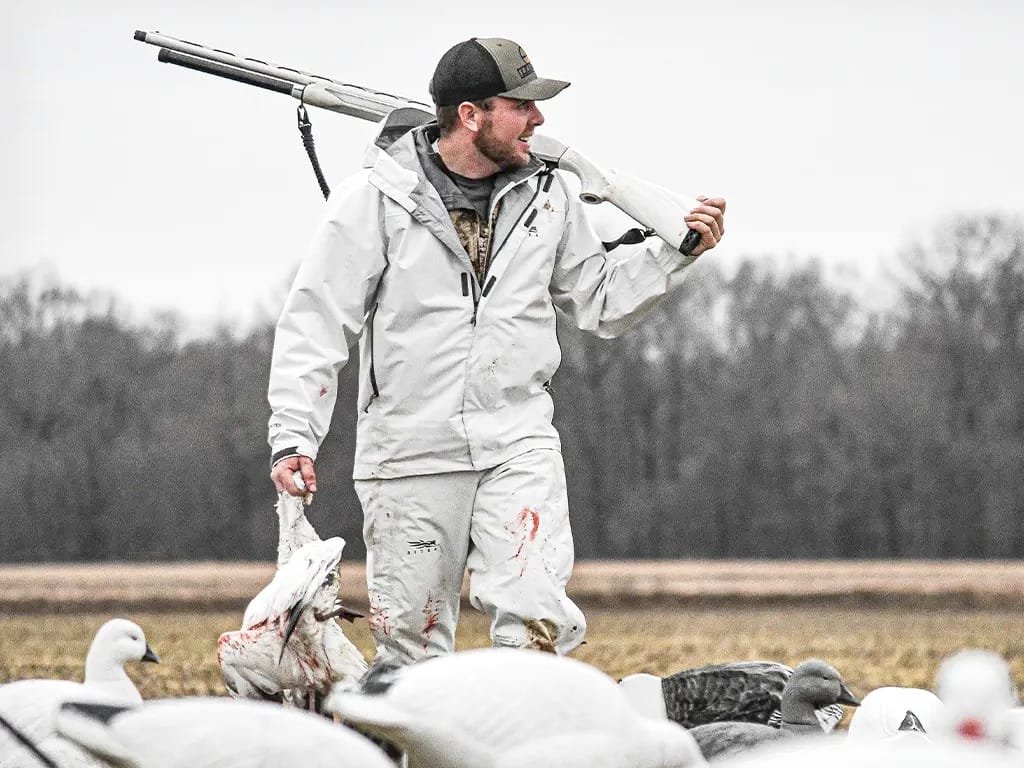
To become an effective snow goose hunter, you’ll need the right gear. Here’s a rundown of essential equipment:
- Firearm: A shotgun is the most common choice for hunting snow geese. Opt for a 12-gauge for versatility and consider a semi-automatic for faster follow-up shots.
- Ammunition: Steel shot is required for hunting waterfowl, so make sure you have the appropriate size and load. No. 2 or No. 3 shot works well for snow geese.
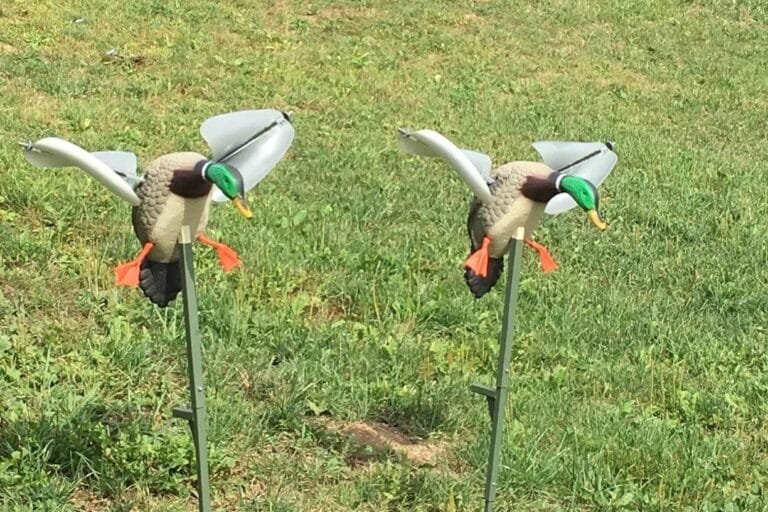
- Decoys: Realistic decoys are vital for attracting snow geese. Invest in a mix of full-body and shell decoys to create an appealing spread. Although snow goose-specific decoys are preferable when targeting snow geese, hunters who pursue other waterfowl find these top-rated duck decoys useful for building a versatile decoy collection.
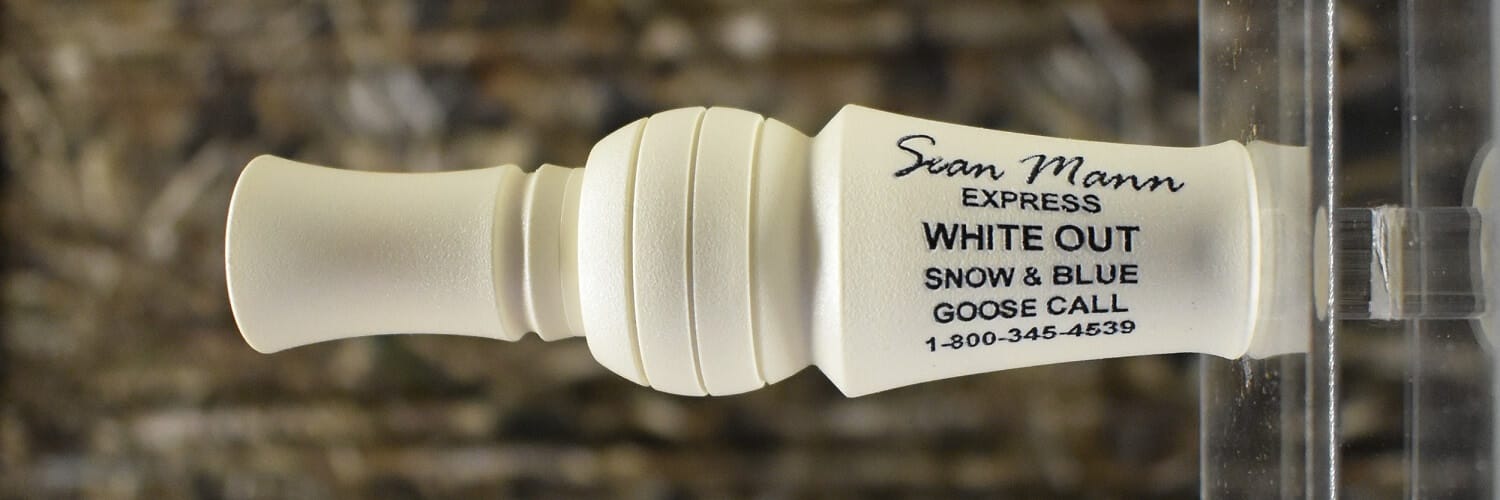
- Calls: Mastering the art of calling snow geese can greatly enhance your hunting success. Learn to use a goose call to mimic the sounds they make and attract them to your location. If you’re looking for suitable equipment, these snow goose calls can help you choose a call suited to your hunting style.
- Clothing: Dress in layers to stay warm and comfortable in the field. Waterproof and windproof outer layers are crucial for protection against cold, wet, and windy conditions. Choosing clothing designed specifically for waterfowl hunting can provide additional protection, so these duck hunting jackets are worth considering for colder hunts.
- Blind or Camouflage: Concealment is key when hunting snow geese. Use layout blinds or natural cover to hide your presence from these keen-eyed birds.
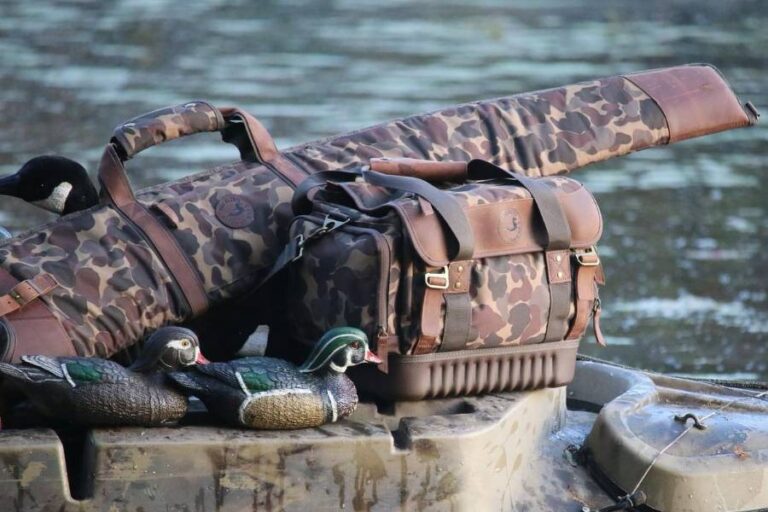
A blind bag can also help keep smaller essentials such as calls, ammunition, gloves, snacks, and other field accessories organized and within easy reach.
Setting Up Your Hunt
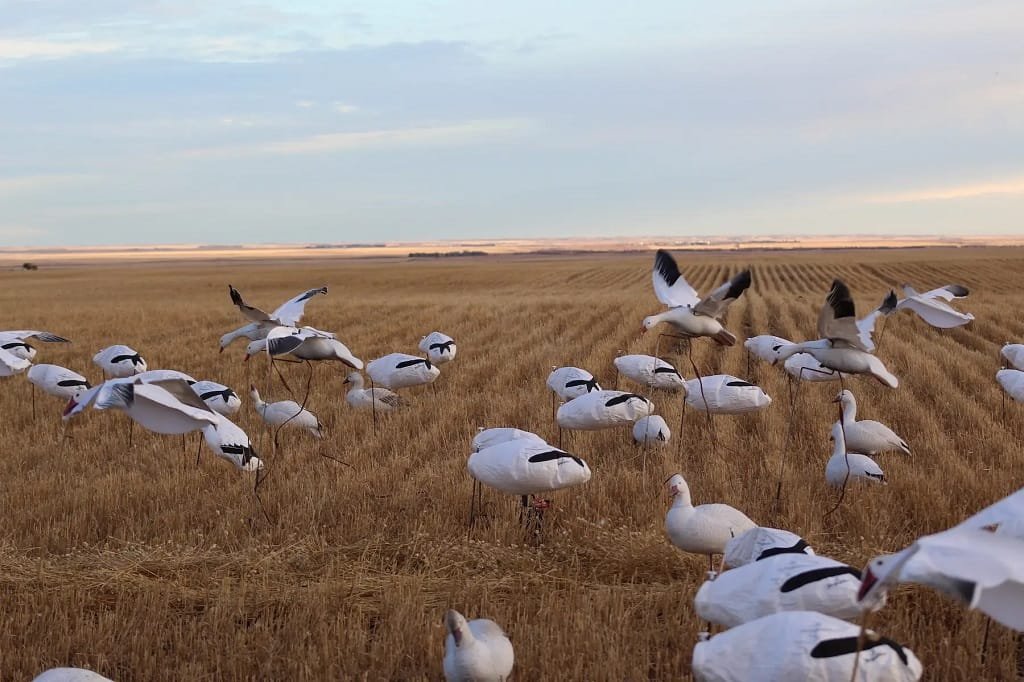
Once you have your gear ready, it’s time to set up for your snow goose hunting expedition. Here’s how to do it effectively:
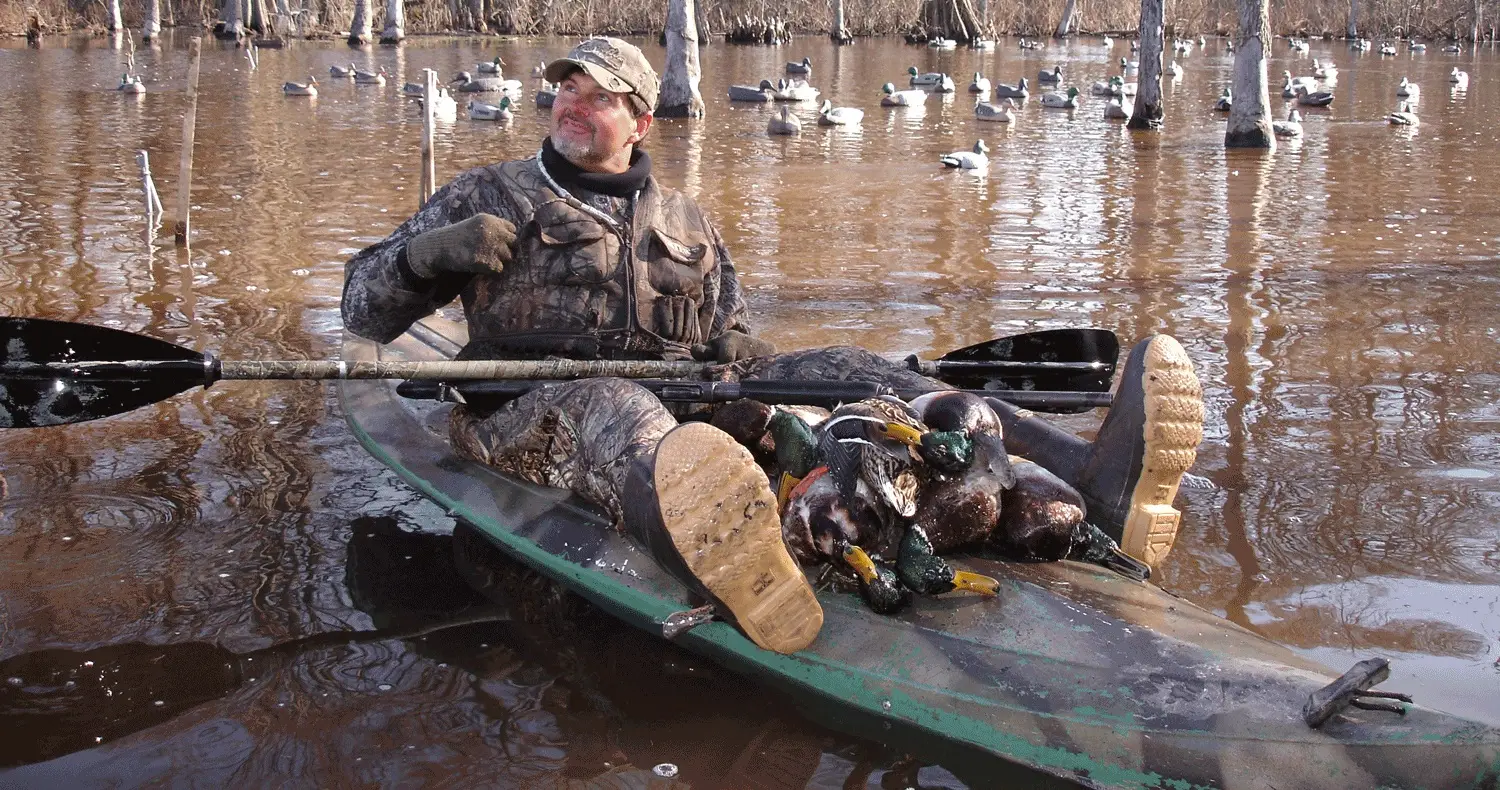
- Choose the Right Location: Scout potential hunting spots in advance. Look for fields where snow geese are known to feed or rest and pay attention to their flight patterns to determine the best approach. If your hunting area includes wetlands or shallow water, a suitable waterfowl kayak can also make accessing remote areas easier.
- Create an Appealing Decoy Spread: Set up your decoys in a realistic pattern. Mimic how geese naturally flock together to make your spread more convincing.
- Utilize Natural Cover: If possible, blend into your surroundings by using natural cover such as grass, bushes, or other vegetation. This will help keep you concealed from the geese as they approach.
- Timing: The early morning and late afternoon are often the most productive times for snow goose hunting. Be prepared to adapt your strategy based on the weather and bird activity.
How to Be an Ethical Snow Goose Hunter
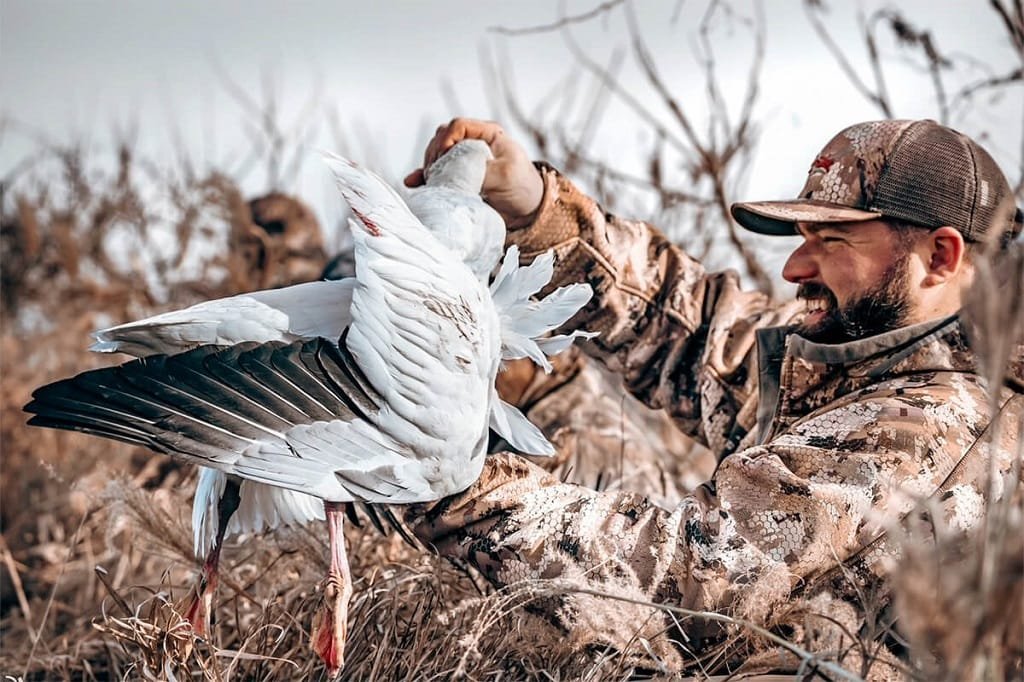
Ethical hunting practices are essential to maintaining a healthy ecosystem and respecting wildlife. Here are some tips on how to be an ethical snow goose hunter:
- Follow Local Regulations: Familiarize yourself with hunting laws and regulations in your area, including licensing requirements, hunting seasons, and bag limits.
- Practice Selective Harvesting: Only take shots that you are confident you can make. Avoid taking low-percentage shots that could result in wounded birds escaping.
- Minimize Disturbance: Be mindful of the environment. Avoid trampling sensitive vegetation and disturb as little wildlife as possible during your hunt.
- Respect Other Hunters: Share the hunting area with fellow sportsmen. Maintain a safe distance from other hunters to ensure everyone’s safety and enjoyment.
- Dispose of Waste Responsibly: Clean up after your hunt. Dispose of any trash, spent shells, or leftover gear properly to protect the natural habitat.
- Promote Conservation: Support conservation efforts to protect snow geese and their habitats. Consider joining local wildlife organizations to stay informed and contribute to sustainability efforts.
Frequently Asked Questions About Casual Snow Goose Hunting
Can you hunt snow geese without being an experienced goose hunter?
Yes. Beginners can hunt snow geese successfully by starting with a simple setup, learning basic waterfowl identification, practicing safe shotgun handling, and hunting with an experienced partner when possible. A casual approach can be enjoyable without investing in an elaborate setup immediately.
What is the best way for a beginner to learn snow goose hunting?
One of the easiest ways to learn is to accompany an experienced waterfowl hunter who can demonstrate field safety, bird identification, calling, shot selection, and proper game handling. Local conservation groups, hunting clubs, and state wildlife agencies may also provide useful educational resources.
Do snow geese return to the same areas every year?
Snow geese often show strong seasonal and regional movement patterns, and traditional staging or feeding areas can be used repeatedly. However, their exact locations can change because of weather, food availability, water conditions, agricultural activity, and hunting pressure. Recent scouting is therefore more reliable than assuming birds will use the same field every year.
How can you tell a snow goose from a similar white waterfowl species?
Adult snow geese are generally recognized by their predominantly white bodies, black wingtips, and pinkish bill, although color variations and lighting can make identification more difficult at a distance. Learning to identify birds in flight before hunting is important because several waterfowl species can appear similar under field conditions.
What should a casual snow goose hunter do with harvested birds?
Harvested geese should be recovered promptly, handled carefully, and kept cool as soon as practical. Follow local requirements for transportation, tagging, possession, and processing. If you plan to eat the birds, proper field dressing, refrigeration, and cooking practices are important for food quality and safety.
Is snow goose hunting physically demanding?
It can be. Walking across agricultural fields, carrying equipment, setting out or retrieving decoys, and spending several hours outdoors can require considerable effort. Your physical demands will depend on the hunting location, weather, access method, and amount of equipment you bring.
What weather conditions can affect snow goose hunting?
Wind, temperature, precipitation, visibility, and changing weather systems can all influence goose movement and hunter comfort. Strong weather changes may alter feeding patterns or flight activity, so checking the forecast and observing current bird behavior can be more useful than relying on a fixed hunting routine.
How can a hunter avoid wasting harvested snow goose meat?
Planning ahead can help. Know how many birds you can realistically process and use before hunting, have appropriate storage available, and handle harvested birds promptly. Responsible hunters should treat every legal harvest as a food resource rather than taking more birds than they can properly utilize.
Can snow goose hunting be done on public land?
Yes, depending on local laws and access rules. Public hunting opportunities vary considerably by state, province, wildlife management area, and individual property. Before hunting, verify that the specific property allows waterfowl hunting and check any access restrictions, permits, special seasons, or area-specific regulations.
What is the difference between hunting snow geese during migration and hunting local birds?
Migrating birds are moving between breeding and wintering areas, while locally concentrated birds may remain in an area because of available food or suitable habitat. Migration periods can produce changing bird numbers and movement patterns, whereas local concentrations may be more predictable but can also shift when food sources or environmental conditions change.
How important is bird identification before taking a shot?
Bird identification is essential. Hunters should be able to confidently identify the target species and determine that the shot is legal and safe before firing. Waiting for a clear identification is preferable to taking an uncertain shot, especially when several waterfowl species are present.
What is a good way to make snow goose hunting more enjoyable as a casual hunter?
Focus on the overall outdoor experience rather than measuring every trip by the number of birds harvested. Spending time with friends, improving field skills, learning more about waterfowl, exploring new hunting areas, and preparing quality meals from legal harvests can make occasional trips rewarding even when hunting conditions are challenging.
Final Thoughts
Snow goose hunting can be an exhilarating and rewarding outdoor activity when approached with the right mindset and preparation. By understanding their behavior, equipping yourself with the right gear, and practicing ethical hunting, you can enhance your experience and enjoy the thrill of the hunt.
Whether you’re out with friends or simply enjoying some time alone in nature, remember that being a casual snow goose hunter is about more than just the kill; it’s about cherishing the journey, the camaraderie, and the beautiful landscapes you encounter along the way. Embrace the challenge, respect the wildlife, and you’ll become a more skilled and ethical hunter.