Kayak Fishing in Winter: Expert Tips to Catch More Fish

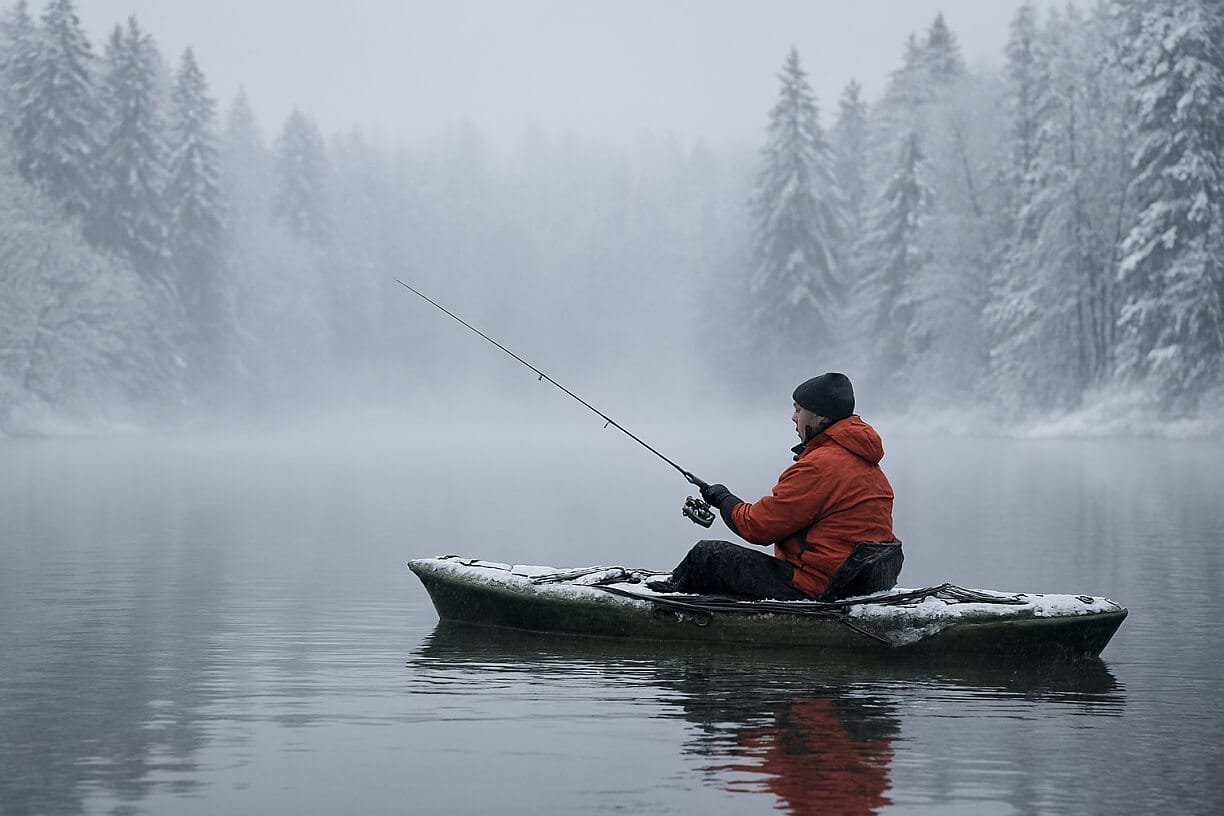
When the temperature drops, most anglers pack away their gear and wait for spring. But for those who love the challenge, Kayak Fishing in Winter can be one of the most rewarding experiences of the year. Cold water brings unique fish behavior, fewer competitors on the water, and a sense of solitude you can’t find in summer. The trick is knowing how to stay safe, prepare your gear, and use the right strategies to land more fish.
This guide will walk you through everything you need to know: from choosing the right kayak setup, layering clothes for warmth, and understanding fish patterns in cold weather, to advanced techniques that increase your chances of success. After completely reading this guide, you’ll be ready to hit the water with confidence, even when ice lines the shore.
Why Kayak Fishing in Winter is Worth It
Let’s be honest, sitting in a kayak in freezing weather doesn’t sound appealing to everyone. But here’s why it’s actually worth your time:
- Less pressure on fish: Most anglers stay home, meaning fish are less spooked.
- Bigger catches: Cold water often brings trophy-size fish closer to shallower waters.
- Peaceful waters: You’ll experience a level of quiet and solitude that’s impossible during summer.
- Skill sharpening: Winter fishing forces you to read the water, adapt quickly, and develop better angling instincts.

Safety First: The Golden Rule of Winter Kayak Fishing
Before we dive into techniques, let’s talk safety. Cold water can be deadly if you’re unprepared. Hypothermia sets in fast, and recovery is difficult. Follow these rules every single time:
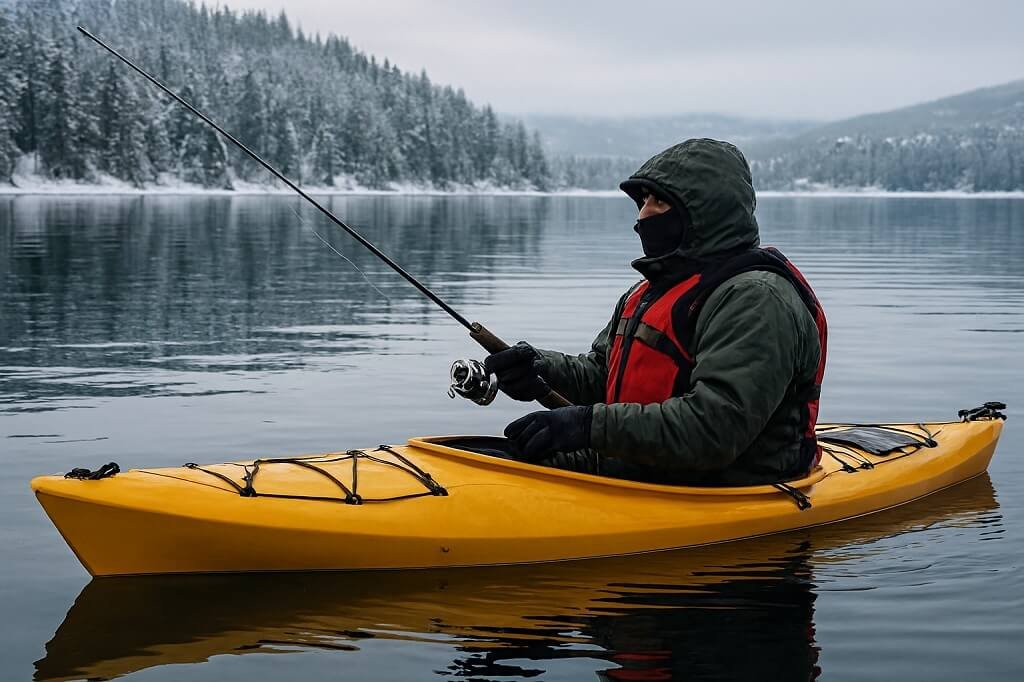
- Always Wear a PFD: A personal flotation device (life jacket) is absolutely essential for winter kayak fishing. Cold water immersion drastically reduces survival time, even for strong swimmers. A high-quality, properly fitted PFD not only keeps you afloat but also improves your chances of staying safe if you capsize in icy water.
- Dress for Immersion, Not Air Temperature: Winter kayak fishing requires gear that protects you from hypothermia. Water temperatures are much colder than the air, and if you fall in, wet clothes can sap your body heat rapidly. Wear waterproof, insulated, and quick-drying layers, including a wetsuit or drysuit if necessary. Proper clothing can buy you critical time in an emergency.
- Never Go Alone: Winter kayaking and fishing is safer with a buddy. Having a partner ensures someone is there to assist in case of capsizing, injury, or sudden weather changes. Buddy fishing also makes the adventure more enjoyable while drastically reducing risks. Always inform someone about your route and expected return time before heading out on winter waters.
- Carry a Dry Bag: A waterproof dry bag is a must-have for winter kayak fishing. Store extra clothes, fire starters, snacks, and an emergency blanket inside. A dry bag protects essential items from water damage and ensures you’re prepared for unexpected situations.
- Check the Weather Twice: Winter weather can be unpredictable and dangerous for kayak anglers. Strong winds, freezing rain, or sudden storms can turn a calm day into a risky situation. Always check the weather forecast before launching.
Essential Gear for Kayak Fishing in Winter
Fishing in winter isn’t just about technique—it’s about being properly equipped. Here’s what you’ll need:
1. The Right Kayak
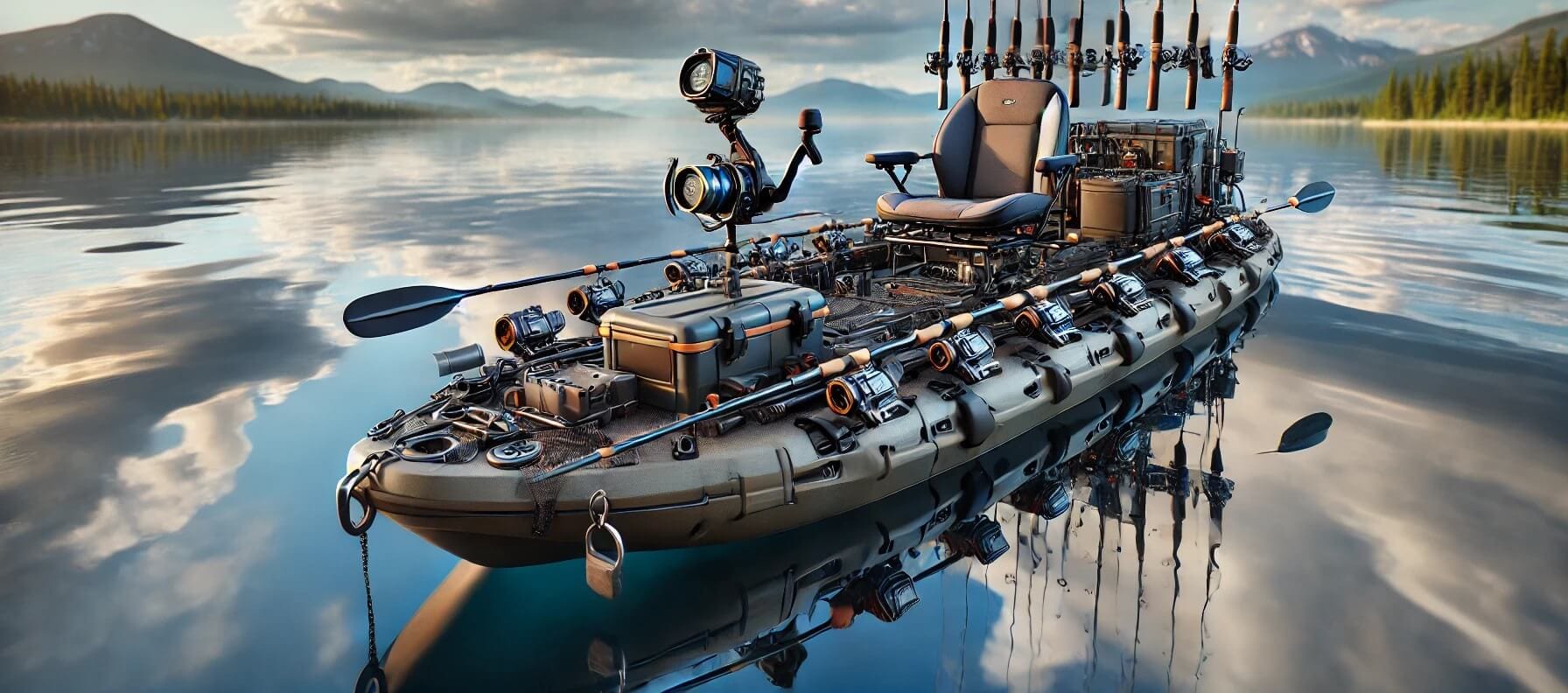
Sit-on-top kayaks with scupper plugs are best since they shed water, but you’ll need to dress properly. Sit-inside kayaks can be warmer but limit mobility. Stability is key—pick a wider kayak that won’t tip easily.
2. Clothing & Layering
- Base Layer: Wear moisture-wicking fabrics like synthetic or merino wool. Avoid cotton, which holds moisture and chills the body.
- Mid Layer: Insulating fleece or wool traps heat and keeps you warm during cold water paddling.
- Outer Layer: Use a waterproof dry suit or paddling jacket to block wind, rain, and splashes while staying breathable.
- Accessories: Protect extremities with neoprene gloves, waterproof boots, and a thermal hat to stay fully warm and dry.
3. Fishing Gear
- Medium-heavy rods for bigger winter fish.
- Slow-action reels with strong drag.
- Braided line with fluorocarbon leader.
4. Extras You’ll Thank Yourself For
- Hand warmers.
- Waterproof headlamp.
- Thermos with hot drink.
- Fish finder (cold water makes fish harder to track).
Fish Behavior in Winter: What Changes
Understanding how fish behave in winter gives you the upper hand.
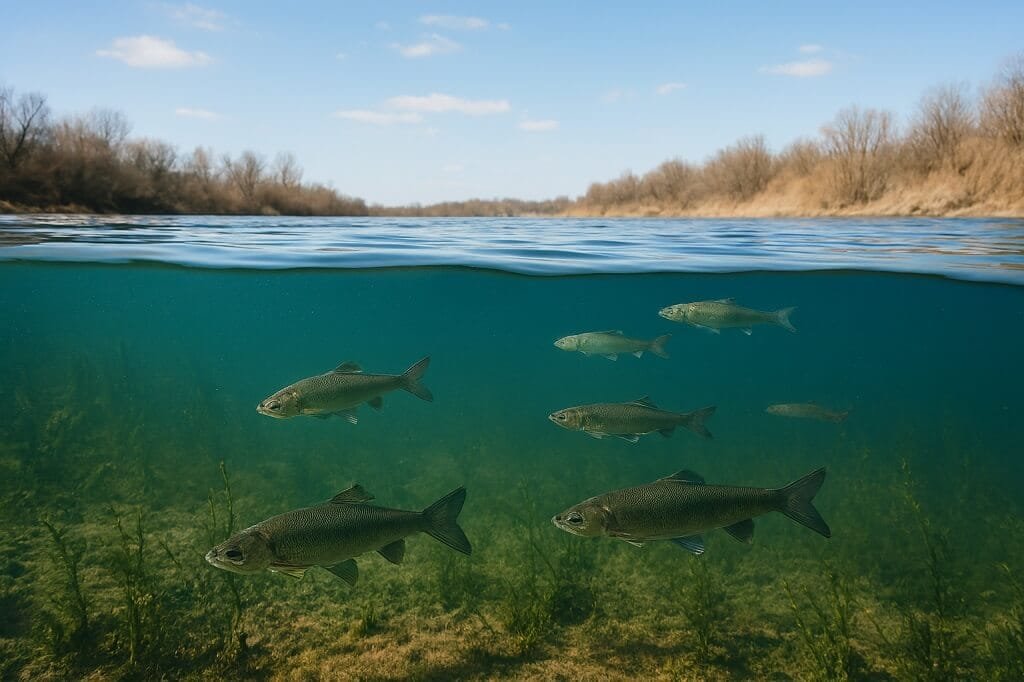
- Slower Metabolism: In cold water, fish eat less frequently but prefer larger, energy-rich meals. This means fewer bites, but targeting with bigger lures or baits can pay off.
- Deeper Spots: Many fish species move into deeper pools or channels during winter where water temperature and oxygen levels are more stable. Focus on these areas for consistent action.
- Limited Feeding Windows: Winter bite times are shorter. Midday, when the sun warms the water slightly, often provides the best chance for strikes.
Species Behavior in Winter:
- Bass: Move slower and hold near drop-offs, ledges, and deep structure.
- Pike: Become more aggressive in cold water, often striking larger lures.
- Trout: Stay active but typically hug deeper currents where conditions remain steady.
Best Techniques for Kayak Fishing in Winter
1. Slow and Steady Retrieves
Cold-water fish conserve energy and rarely chase fast lures. Work your bait slowly with gentle jigging or dragging along the bottom. The slower presentation makes it easier for sluggish fish to strike.
2. Vertical Jigging
One of the most effective winter kayak fishing methods. Drop your lure straight down under the kayak and move it in short, slow lifts. This is especially useful for targeting fish suspended in deep pools.
3. Live Bait Advantage
During winter, natural options like minnows, worms, and shiners often outperform artificial lures. The scent and lifelike movement trigger bites when fish are less aggressive.
4. Trolling with Precision
Paddle your kayak at a controlled, slow pace while pulling crankbaits or spinners. This covers more water without spooking fish, making it great for finding active feeders in deeper zones.
5. Anchor and Wait
Sometimes still fishing works best. Drop anchor over a promising deep spot, set your bait, and wait. Patience often pays off in winter when fish feed in short bursts.
Best Locations to Target in Winter
- Deep Holes Near River Bends: In winter, fish often hold in deep holes where the current slows and water temperatures stay more stable. These areas provide both shelter and comfort for cold-water species.
- Submerged Structure: Logs, rocks, brush piles, and underwater ledges become prime spots for winter fishing. Structure offers cover and attracts baitfish, which in turn draws predators like bass and pike.
- Warm Water Discharges: If you’re fishing near a power plant or industrial outflow, look for slightly warmer water. Even a few degrees of temperature difference can concentrate fish in these currents during cold months.
- Sunny Shorelines: On calm, sunny days, shallow banks and rocky shorelines can warm up just enough to attract feeding fish. Kayaking along these areas can produce surprising winter bites.

Tips to Stay Comfortable on the Water
- Pack a hot thermos and sip regularly.
- Keep feet warm with neoprene socks inside waterproof boots.
- Don’t overdress—you’ll sweat, which makes you colder.
- Keep a small dry towel handy for wet hands.
Common Mistakes to Avoid
- Overworking Lures: In cold water, fish move slowly and won’t chase fast baits. Working your lure too aggressively often scares them off. Slow retrieves or subtle jigging are far more effective in winter.
- Ignoring Safety Gear: One of the most dangerous mistakes is heading out without proper gear. A PFD, dry clothing, and emergency essentials are non-negotiable for winter kayak fishing.
- Not Checking Ice Edges: Floating ice and frozen sections of water can damage your kayak or even trap you. Always scan the area for ice hazards before paddling into deeper waters.
- Fishing Too Early: Unlike summer, early morning isn’t always best in winter. Midday, when the sun has warmed the water slightly, often provides the most consistent bite.
FAQs About Kayak Fishing in Winter
Can beginners try kayak fishing in winter?
Yes, beginners can enjoy winter kayak fishing, but it’s important to start small. Stick to calm, sheltered waters, wear proper cold-weather clothing, and never paddle alone. Safety should always be the first priority.
What fish bite best in winter?
Popular winter fishing targets include trout, pike, walleye, and bass. These species remain active in cold water, though their feeding windows are shorter and often more predictable.
Do I need a fish finder for winter kayak fishing?
A fish finder isn’t mandatory, but it can make a big difference in winter. Since many species move to deeper pools and feed less aggressively, sonar helps you locate them faster and improves success rates.
What’s the best time of day to fish in winter?
Late morning through early afternoon is usually the most productive. As the sun warms the water slightly, fish become more active, and feeding activity increases.
How cold is too cold for kayak fishing?
If the air temperature is below freezing and combined with strong winds, it becomes risky. Hypothermia can set in quickly, so always prioritize safety and postpone trips in extreme cold conditions.
Pro Tips from Experienced Winter Kayak Anglers
- Keep your paddle leash attached—dropping it in cold water is a nightmare.
- Use bright lures for low-light days.
- Keep casts short and precise—winter fish don’t chase far.
- Practice self-rescue in cold water (near shore) before attempting solo trips.

Final Thoughts
Kayak fishing in winter isn’t just about catching fish—it’s about embracing the challenge. With the right gear, techniques, and safety precautions, you can experience some of the best fishing of your life while others stay home. The solitude, the chance at trophy-sized catches, and the quiet beauty of cold waters make winter kayak fishing an adventure worth taking. Pack smart, fish slow, and remember—patience is your best friend in the cold.