
How to Catch Walleye from Shore: Proven Tips for Success

If you’ve ever wondered how to catch walleye from shore, you’re not alone. Walleye are among the most sought-after freshwater fish in North America, prized for their taste and the challenge they present. Compared to other species, walleye usually stay in deeper waters during the day, making shoreline fishing a test of skill and knowledge. The good news? With the right approach, gear, and strategies, you can consistently land walleye without ever leaving the bank.
Whether you’re fishing from a rocky lake edge, a sandy riverbank, or a pier, understanding walleye behavior, seasonal patterns, and shore-specific tactics is essential. This guide will walk you through everything from selecting the best baits to reading the water, giving you a complete roadmap to catching walleye from shore.
Understanding Walleye Behavior
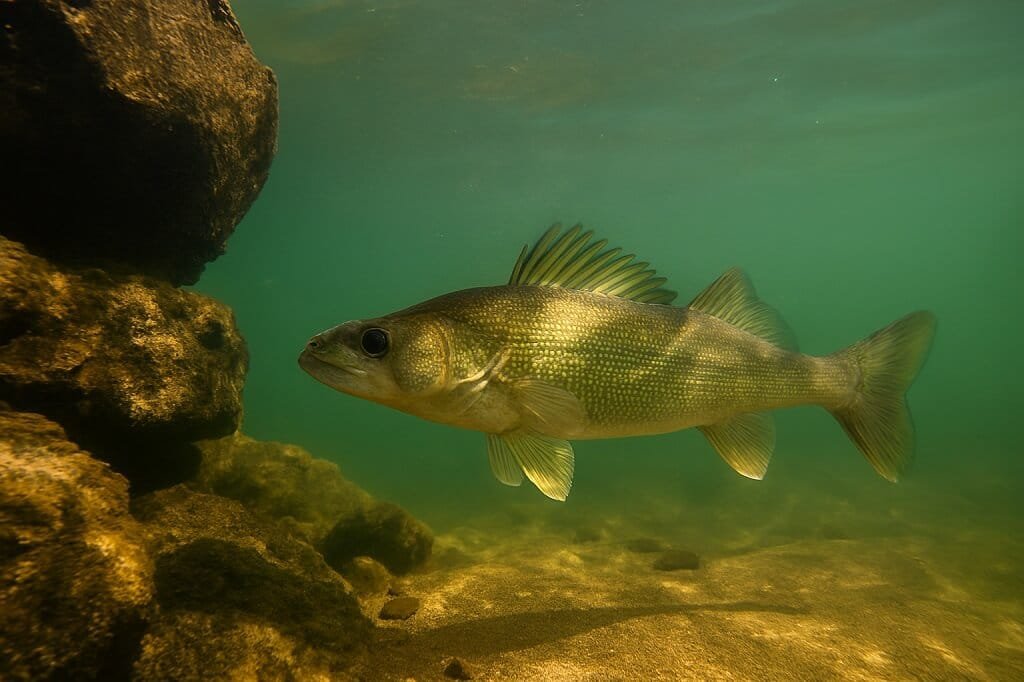
Before picking up your rod, knowing where and why walleye hang out near the shore is crucial. Walleye are primarily crepuscular, meaning they’re most active during dawn and dusk.
- Daytime Behavior: During bright hours, walleye repeatedly move to deeper water, hiding near drop-offs, underwater structures, and channels.
- Nighttime Behavior: Walleye come closer to the shore to feed, which is why evening fishing can be highly productive.
- Seasonal Patterns:
- Spring: Post-spawn, they move into shallow waters to feed.
- Summer: Seek cooler depths near structures or weed edges.
- Fall: Follow baitfish near shorelines before winter.
- Winter: They stay deep but will bite near drop-offs if you fish during low-light hours.
Essential Shore Fishing Gear for Walleye
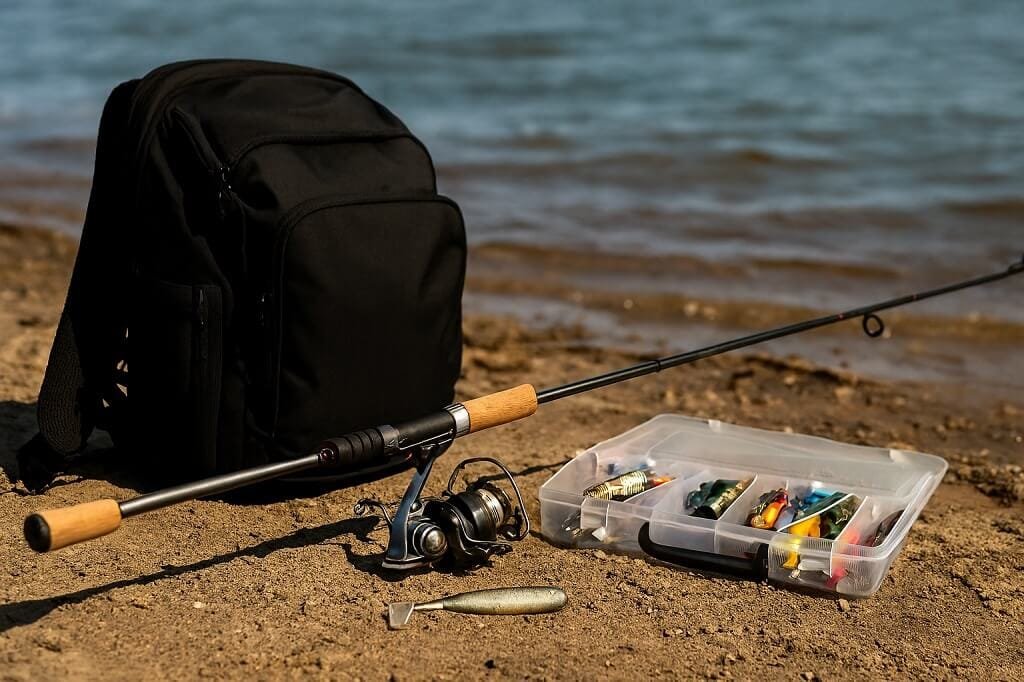
Fishing from shore calls for a setup that balances mobility, casting distance, and sensitivity. Unlike boat fishing, you don’t have the advantage of covering wide areas, so every piece of gear needs to work harder for you. Here’s a breakdown of the must-have walleye fishing gear for shore anglers.
Rod & Reel
Medium-Action Spinning Rod (6–7 feet)
A medium-action spinning rod in the 6–7 ft range offers the perfect mix of casting power and control. It’s long enough to help you reach deeper spots from shore yet sensitive enough to detect light walleye bites.
Look for rods with a comfortable grip and a responsive tip — they make a big difference when fishing in wind or low-light conditions. Models built with graphite blanks offer better sensitivity, which helps you feel those subtle “taps” that walleye are known for.
Spinning Reel with Smooth Drag (6–10 lb Line Rating)
Pair your rod with a high-quality spinning reel featuring a smooth and consistent drag system. Walleye often make short, powerful runs, so a reliable drag prevents line breaks and ensures you can fight fish effectively. Choose a reel that’s rated for 6–10 lb line, ideally with an aluminum spool for better casting performance and corrosion resistance — especially if you’re fishing from rocky or sandy banks.
Fishing Line
Monofilament Line
If you’re a beginner or prefer a forgiving setup, monofilament line is an excellent choice. It offers good stretch, which acts as a cushion during aggressive strikes or head shakes. This makes it ideal for light jigs or live bait rigs. Plus, it’s affordable and easy to handle, making re-spooling simple before each trip.
Fluorocarbon Line
In clear or pressured waters, fluorocarbon line is your best bet. It’s nearly invisible underwater, giving you an edge when targeting wary walleyes in shallow or calm conditions. Fluorocarbon also sinks faster than mono, helping your lures reach the strike zone more efficiently — perfect for crankbaits, jigging, and slip bobber setups.
Braided Line
When fishing heavy cover, windy conditions, or long distances, braided line provides the sensitivity and strength you need. It has zero stretch, allowing you to detect even the lightest bites. It’s also highly durable, which helps when dragging jigs over rocks or vegetation. You can tie on a short fluorocarbon leader to stay stealthy while keeping the casting and hook-setting advantages of braid.
Terminal Tackle
Jigs & Jig Heads
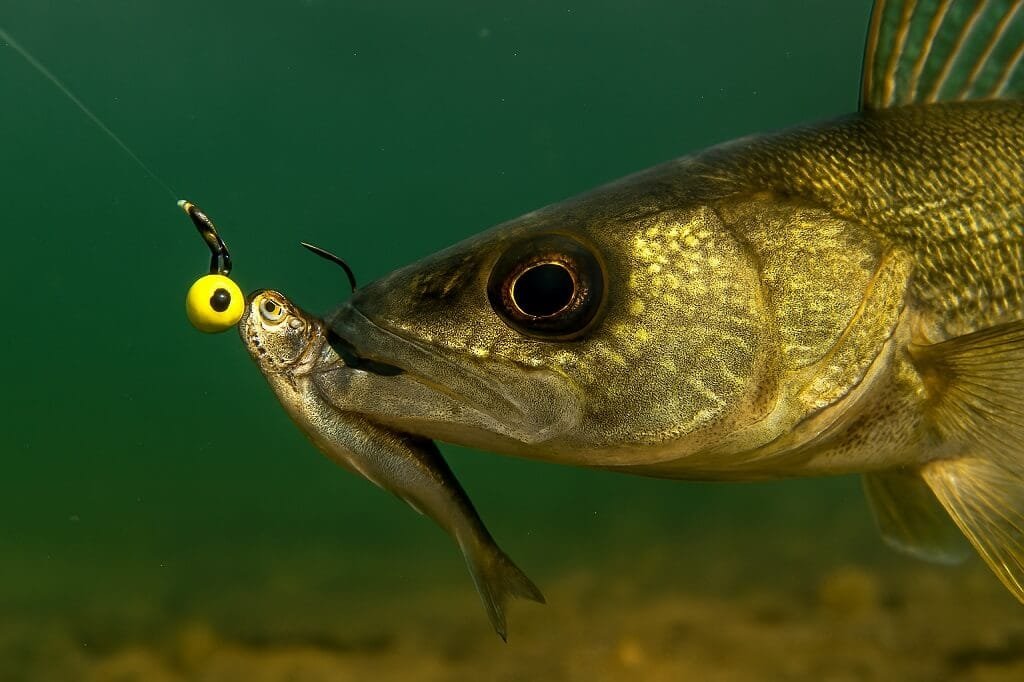
Jigs are the backbone of any walleye shore setup. They’re incredibly versatile — effective in both shallow and deep water. Pair them with soft plastic grubs, minnows, or worms for lifelike movement. Use lighter jig heads (1/8 to 1/4 oz) for shallow areas and heavier ones for deeper drop-offs or stronger currents. Experiment with colors; chartreuse, white, and pink trigger strikes in stained water.
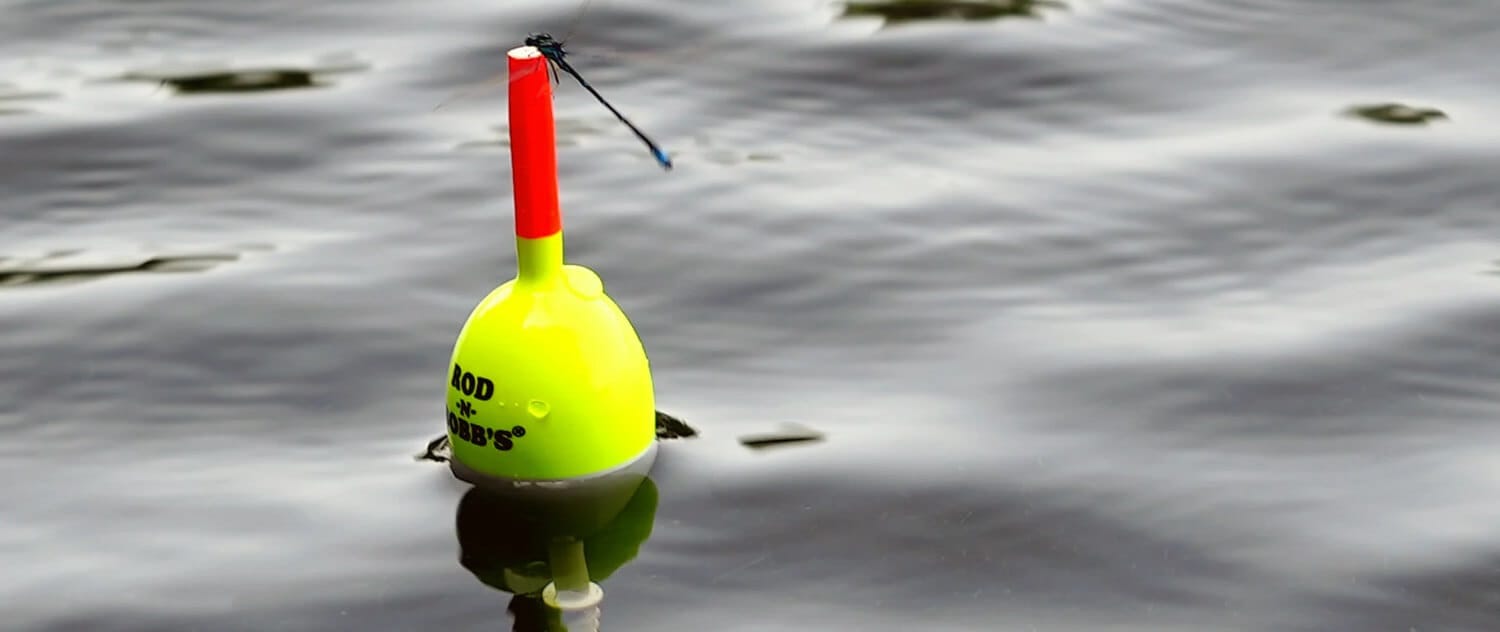
Slip Bobbers
Slip bobbers are perfect when walleye are feeding just off the bottom or when the bite is soft. This setup lets you present bait naturally at varying depths, even in deep or weedy areas. Combine a slip bobber with a small jig or live bait like leeches or minnows for the best results. It’s a simple but incredibly effective way to cover water without spooking fish.
Spinner Rigs & Crankbaits
For active fish or windy days, spinner rigs and crankbaits are unbeatable. Spinner rigs mimic the flash and vibration of baitfish, while crankbaits can be cast far and retrieved at different speeds to match the bite pattern. From shallow-diving shad imitations to deep runners, these lures help locate feeding walleye fast. Always keep a few in your tackle box — they can turn a slow day into a productive one.
Other Essentials
- Landing net with rubber mesh (protects the walleye’s slime coating).
- Polarized sunglasses (see fish in shallow water).
- Fishing waders or waterproof boots for rocky or muddy shorelines.
Best Baits for Shore Walleye Fishing
Choosing the right bait can make or break your shore fishing trip. Walleye are known for being selective feeders, especially when water conditions or weather patterns change. The key is to carry a mix of live bait and artificial lures so you can adapt quickly to their mood.
Here’s a closer look at the best baits for catching walleye from shore.
Live Baits
Minnows
Minnows are hands-down one of the most effective live baits for walleye, especially in spring and fall when fish are feeding close to shore. Cast them near rocky points, shallow banks, or drop-offs, and let them swim naturally under a slip bobber or on a jig head.
Fathead and shiner minnows are local favorites, providing just the right flash and movement to trigger bites. If you’re targeting larger fish, go for slightly bigger minnows — walleye rarely pass up an easy meal.
Nightcrawlers / Worms
Few baits are as versatile as Nightcrawlers. You can drift them slowly along the bottom, use them on a harness, or thread them onto a jig for vertical presentations. Their natural scent and movement draw attention even in cloudy water.
During summer, when walleyes get sluggish, a half-crawler on a slow-trolled or slowly retrieved rig can be irresistible. It’s also an excellent choice for beginners looking for an easy, productive setup.
Leeches
When the water warms up, leeches become a go-to bait for many expert anglers. Their undulating movement underwater perfectly mimics struggling prey, making them especially effective during the summer months. Use them with a slip bobber or on a floating jig head for a natural presentation. Walleye inhale leeches gently, so be patient before setting the hook — timing is key with this bait.
Artificial Baits
Soft Plastic Grubs & Worms
Soft plastics are a shore angler’s best friend. They’re affordable, easy to carry, and can be fished in many ways. Pair a soft plastic grub or worm with a 1/8–1/4 oz jig head and work it slowly near rocks, weed lines, or submerged logs. The tail action creates lifelike movement that often triggers reaction strikes. Try colors like chartreuse, white, or smoke depending on water clarity — bright colors for murky water and natural tones for clear lakes.
Crankbaits
When walleye are feeding aggressively, crankbaits can produce fast action. These lures mimic small baitfish and are perfect for covering shoreline flats or points quickly. Choose models that dive to the depth you’re targeting — shallow-running crankbaits work well early morning or evening, while deeper-diving ones excel during the day. The rattle and vibration help attract fish even from a distance, making them a considerable choice in windy or stained conditions.
Spinnerbaits & Blade Baits
In murky or choppy water, spinnerbaits and blade baits are top performers. Their flash and vibration mimic fleeing prey to help walleyes locate your lure even in low visibility. Cast them near current breaks, riprap, or submerged structures, and retrieve with a steady pace. Blade baits are exceptionally effective in early spring or late fall when walleye hold near the bottom — their tight vibration can trigger strikes from otherwise inactive fish.
Shore Fishing Techniques for Walleye
Knowing how to present bait and read the water makes all the difference.
1. Jigging from Shore
- Cast near structures like rocks, piers, or weed edges.
- Let the jig sink to the bottom, then lift and drop in a slow rhythm.
- Use live bait or soft plastics on the jig for increased attraction.
2. Slip Bobber Fishing
- Allows precise depth control for suspended walleye.
- Works well over submerged structures or drop-offs.
- Drift slowly with wind or current to mimic natural movement.
3. Casting Crankbaits / Spinner Rigs
- Cover more water and find active fish.
- Best during low-light periods or when walleye are chasing baitfish.
- Vary retrieval speed to trigger strikes.
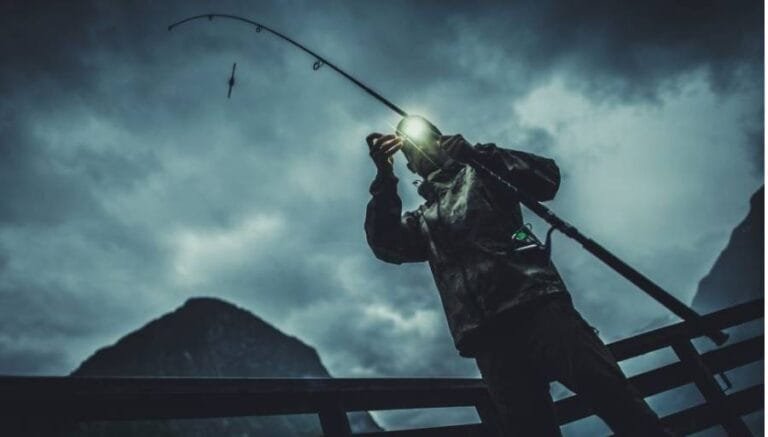
4. Night Fishing from Shore
- Walleye are nocturnal feeders; night fishing increases the catch rate.
- Use glow-in-the-dark jigs or lighted bobbers for visibility.
- Fish near piers, weedlines, and drop-offs.
Seasonal Shore Fishing Tips
Different seasons require adjusted tactics:
Spring
- Focus on shallow areas near spawning grounds.
- Use live minnows on jigs or spinner rigs.
- Early morning and late evening are best.
Summer
- Target deeper water during the day, or shade near structures.
- Use soft plastics and drifting techniques.
- Pay attention to thermoclines.
Fall
- Follow baitfish schools along the shoreline.
- Faster presentations work better.
- Evening and night sessions are productive.
Winter
- Fish deep drop-offs near shore.
- Use slow jigging and live bait.
- Ice-free areas near inlets/outlets are often hotspots.
Reading the Water
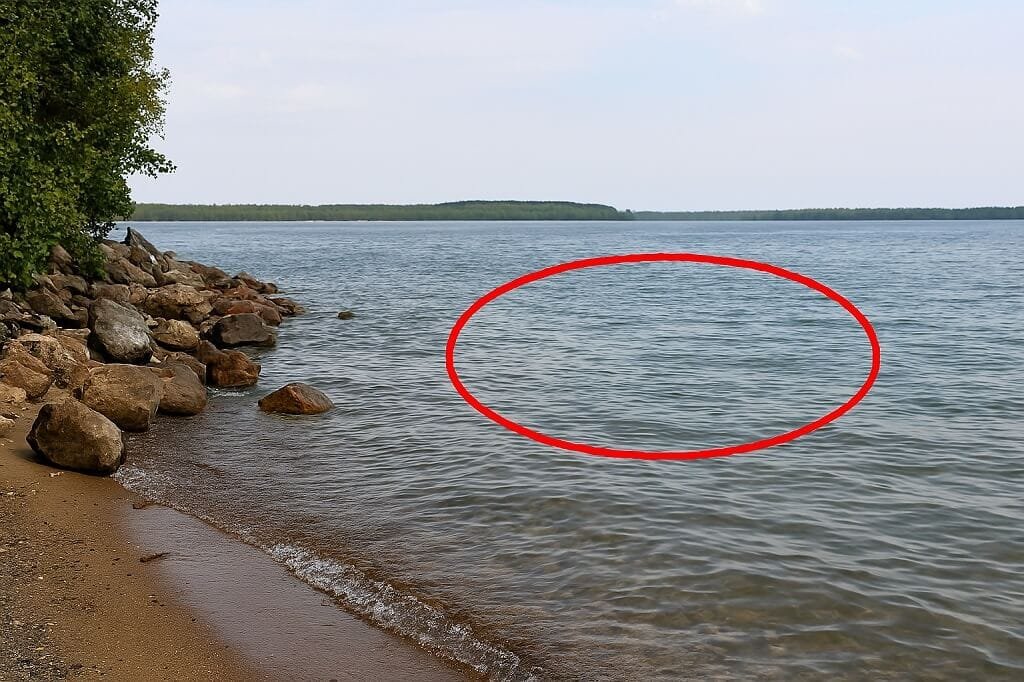
Finding walleye from shore starts with knowing where they like to hold. These fish follow structure, shade, and current to find food and stay comfortable. Focus on these key areas:
- Structures: Walleye generally stay near rocks, fallen trees, or submerged docks. These areas attract baitfish and give them perfect ambush spots.
- Drop-offs: Sudden changes in depth are walleye magnets. Cast along these edges where shallow water meets deep channels.
- Weed Edges: Fish the outer line of vegetation where walleye wait for passing bait. Slip bobbers or jigs work best here.
- Current Breaks: Areas with slower water near inlets, rivers, or windblown points hold fish looking for an easy meal.
- Shadows & Temperature Changes: Walleye prefer cool, shaded areas. Target them early morning, late evening, or on cloudy days when they move closer to shore.
Shore Fishing Strategies for Consistent Success
Landing walleye from shore isn’t just about gear — how you fish matters just as much. Follow these proven strategies to improve your catch rate:
- Move Slowly: Don’t keep casting in the same spot. Cover water methodically to locate active fish along the shoreline.
- Vary Depths: Walleye may hug the bottom or suspend midwater. Adjust your rig depth until you find where they’re feeding.
- Check Weather: Overcast days trigger more walleye activity, making them easier to catch near shore.
- Use Electronics: A portable fish finder can reveal schools of walleye close to shore and help target drop-offs or weed edges.
- Stay Quiet: Walleye spook easily in shallow water. Keep movements minimal and avoid making loud noises while fishing.
Safety Tips for Shore Walleye Fishing
- Wear non-slip shoes or waders.
- Keep a first-aid kit nearby.
- Be aware of slippery rocks and sudden drop-offs.
- Fish with a buddy if possible for emergencies.
Common Mistakes Shore Anglers Make
Even experienced anglers can slip up when fishing from shore. Avoid these common mistakes to improve your walleye catch rate:
- Ignoring Depth Changes: Walleye usually stay near the bottom or in midwater, not just at the surface.
- Wrong Bait Size or Color: Matching your bait to local forage is key. Using the wrong size or color can reduce bites.
- Fishing Only During Daytime: Walleye are most active during low-light periods like dawn and dusk.
- Overcasting: Repeatedly casting in one spot wastes time. Cover more water to find active fish.
- Not Adjusting to Seasonal Behavior: Walleye patterns change with the seasons. Adjust your depth, bait, and location accordingly.
Advanced Shore Fishing Techniques
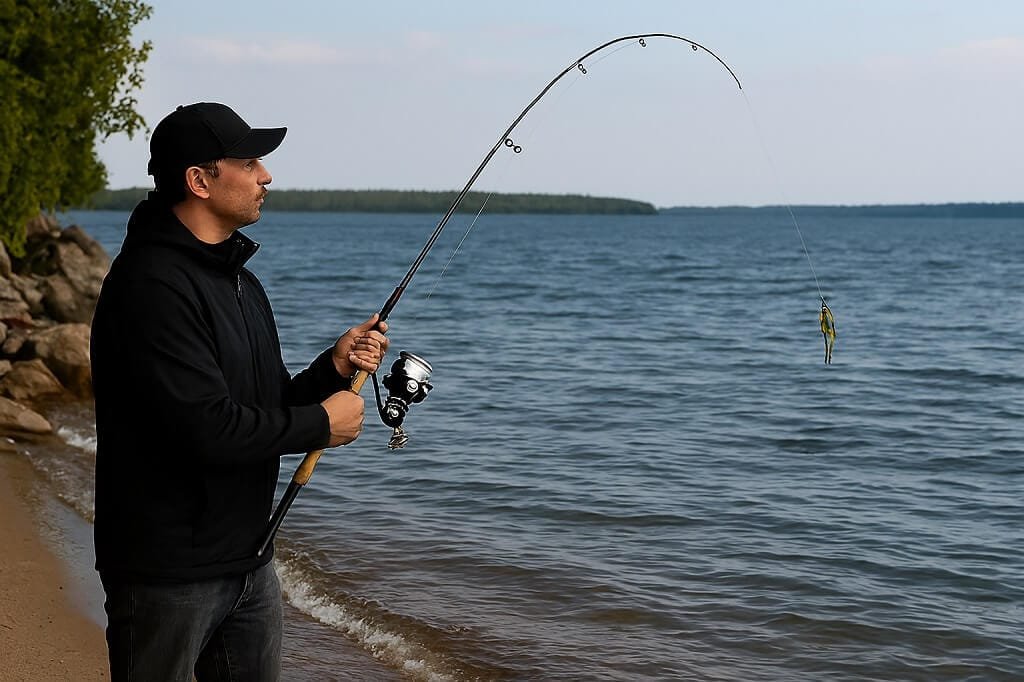
- Drift Fishing: Let your bait drift naturally with the current using slip bobbers or light jigs. This method covers more water and presents your bait in a lifelike way. This will increase your chances of attracting active walleye. It works especially well along points, drop-offs, and shoreline channels.
- Vertical Jigging: Drop a jig straight down near piers, docks, or steep drop-offs. This technique is perfect for targeting suspended or bottom-hugging walleye in deeper water. Slow, controlled lifts and drops mimic struggling prey and often trigger strikes.
- Double Rigging: Attach two baits on a single line to test what walleye prefer. Combining a live bait with a soft plastic or using two different colors allows you to see which presentation works best, increasing your odds of a catch.
- Casting in Windy Conditions: Strong winds can make casting and controlling light lures difficult. Using a heavier jig or lure helps maintain accuracy and ensures your bait reaches the strike zone without being blown off course. Focus on maintaining a steady retrieve to keep control and attract strikes.
FAQs: Shore Walleye Fishing
What’s the best time to catch walleye from shore?
Dawn and dusk are the most productive times. Overcast days also increase walleye activity, as they feel more comfortable moving closer to shore.
Can I catch walleye during summer from shore?
Yes. During warmer months, walleye often stay in deeper water or shaded areas near structures like docks, fallen trees, and weed edges. Target these zones during daylight.
What is the best bait for shore fishing?
A mix of live and artificial baits works best. Live minnows, nightcrawlers, and leeches are highly effective, while soft plastic grubs or worms can mimic natural prey when jigged properly.
Do I need special equipment for shore fishing?
No specialized gear is required. A medium-action spinning rod, light line (6–10 lb), and basic terminal tackle like jigs, spinner rigs, or slip bobbers are sufficient for most shore anglers.
How can I avoid snags when fishing near rocks or structure?
Use weedless rigs, lift your bait carefully off the bottom, and pay attention to underwater structure. Adjust your retrieve to minimize the risk of getting stuck.
Can I fish at night from shore?
Absolutely. Using glow jigs, lighted bobbers, or reflective lures can help you locate and attract walleye after sunset when they feed actively.
Conclusion
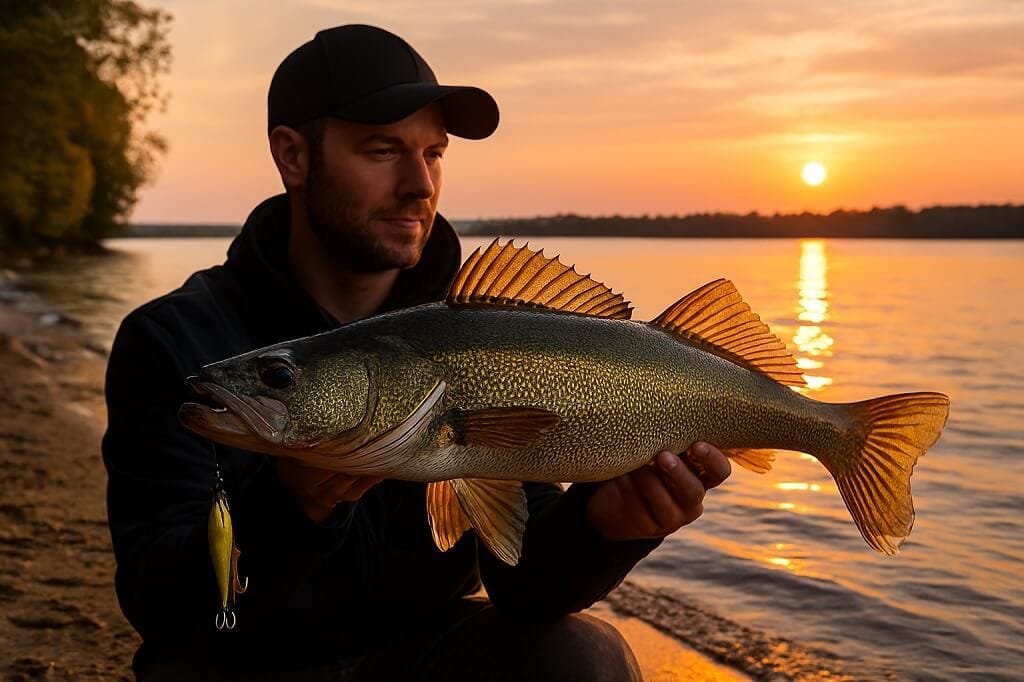
Catching walleye from shore is both challenging and rewarding. With the right combination of gear, bait, techniques, and knowledge of walleye behavior, you can increase your success rate dramatically. Shore fishing not only allows you to enjoy nature but also provides flexible, low-cost access to great fishing spots.
Remember to adapt to seasonal patterns, read the water carefully, and experiment with bait presentation. With persistence and the strategies outlined in this guide, landing walleye from shore will become a consistent and exciting part of your fishing adventures.