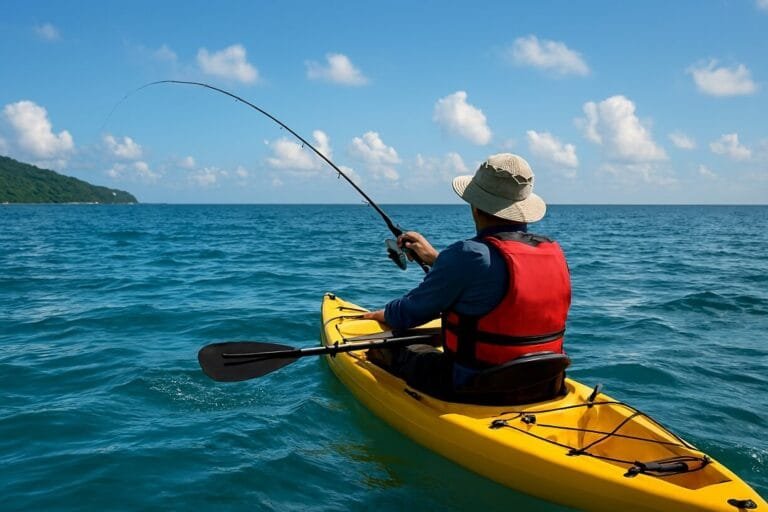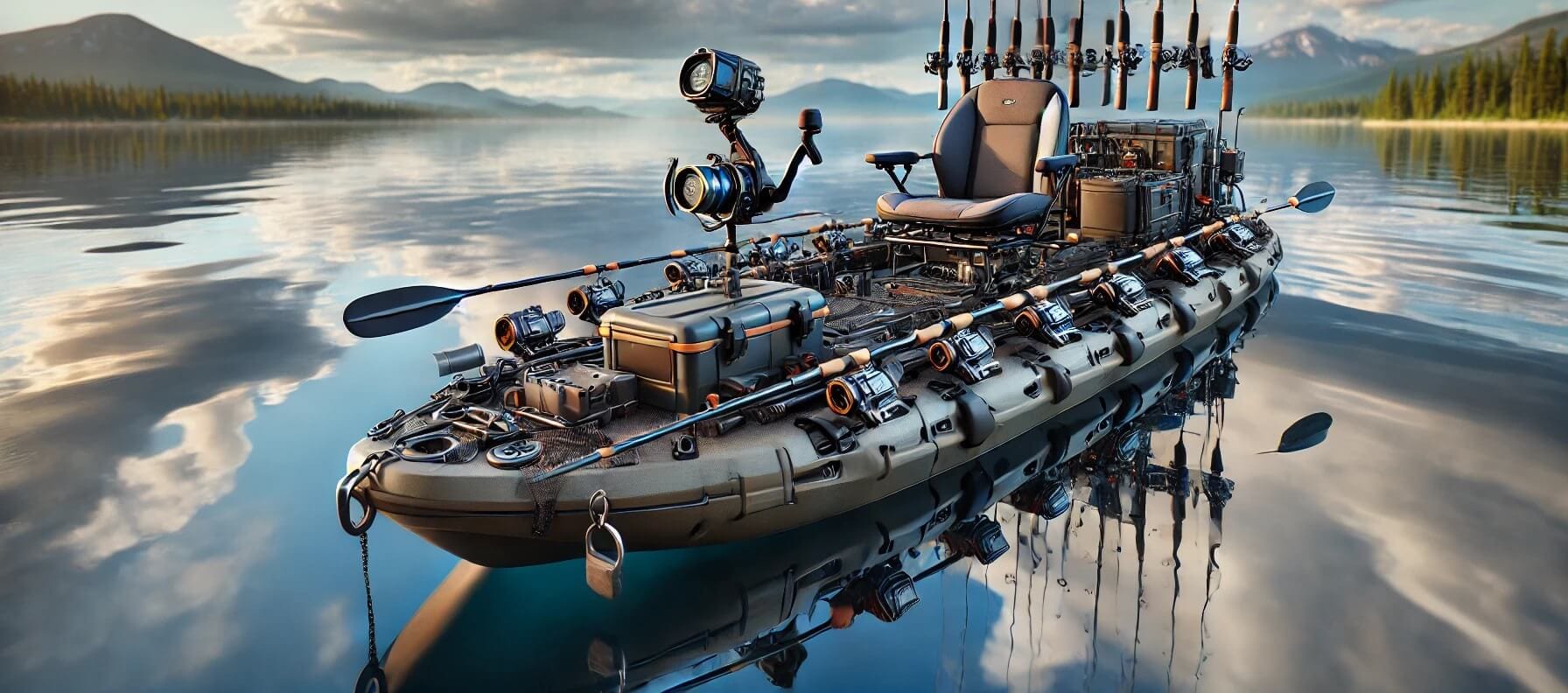

7 Kayak Paddling Techniques for Better Fishing Control

Kayak fishing is about more than just casting a line—it’s about positioning, stealth, and efficient boat control. Whether you’re a beginner or an intermediate angler, mastering proper kayak paddling techniques can improve your control, reduce fatigue, and help you make more accurate casts.
After more than a decade covering kayak fishing and outdoor gear, I’ve learned that efficient paddling can make a noticeable difference during long fishing sessions. The techniques below focus on practical boat control skills that kayak anglers can use to maneuver quietly, maintain position, and handle changing conditions on the water.
Who This Kayak Paddling Guide Is For
This guide is designed for beginner and intermediate kayak anglers who want better boat control while fishing. If you’re still choosing a kayak, our guide to the best fishing kayaks can help you compare different designs before focusing on paddling technique. This guide covers essential paddle strokes, positioning techniques, stability skills, and practical tips for dealing with wind, current, and changing water conditions.
Why Paddling Technique Matters in Kayak Fishing
Compared to recreational kayaking, kayak fishing requires precise boat control while handling gear, rods, and even battling fish. Efficient paddling allows you to:
- ✅ Maintain stealth and avoid spooking fish
- ✅ Position yourself accurately for casting
- ✅ Conserve energy for long fishing sessions
- ✅ Handle wind, currents, and waves with confidence
Mastering Kayak Paddling: Techniques & Tips
1. Proper Grip & Posture
Before you start paddling, ensure you’re holding the paddle correctly:
- Hold the paddle shoulder-width apart with a relaxed grip.
- Keep your knuckles aligned with the blade angle for efficient strokes.
- Sit with a straight back and engage your core to reduce strain.
2. Forward Stroke: Cover More Water with Less Effort
The forward stroke is the most commonly used paddling technique in kayak fishing. Done right, it minimizes fatigue and helps you move smoothly across the water.
Steps:
- Catch: Place the paddle blade fully into the water near your toes.
- Power Phase: Rotate your torso as you pull the blade backward.
- Exit: Lift the blade out of the water when it reaches your hip.
Field Tips: When covering distance between fishing spots, focus on smooth torso rotation rather than powerful arm strokes. Engage your core instead of relying only on your arms to avoid fatigue. A consistent, relaxed stroke usually helps conserve energy over a longer session.
3. Sweep Stroke: Turn Your Kayak Effortlessly
A sweep stroke helps you turn and change direction while maintaining better control of the kayak.
Steps:
- Start with the blade at your toes and make a wide, sweeping motion away from the kayak.
- Rotate your torso to maximize power.
- Use a reverse sweep on the opposite side if needed.
🔥 Best for quick maneuvering when approaching fishing spots.
4. Reverse Stroke: Backing Up Smoothly
The reverse stroke lets you slow down, back away, or fine-tune your position with controlled paddle movements.
Steps:
- Submerge the blade near your hip.
- Push the blade forward while keeping your torso engaged.
- Repeat on the opposite side as needed.
🔥 Useful when correcting positioning near docks, mangroves, or narrow spots.
5. Draw Stroke: Move Sideways Without Turning
A draw stroke lets you pull your kayak sideways—perfect for getting close to docks or other structures.
Steps:
- Extend the paddle blade out to the side.
- Pull the blade straight toward the kayak.
- Lift the blade and repeat if more movement is needed.
🔥 This technique is especially useful when setting up for precise casts.
6. Bracing: Stay Stable in Rough Conditions
Bracing prevents capsizing when dealing with boat wakes, waves, or sudden movements.
- Low Brace: Hold the paddle low and slap the water surface to regain balance.
- High Brace: Raise the paddle higher and push down to stabilize yourself.
🔥 Essential for fishing in windy conditions or offshore waters.
Safety Note: Practice bracing and recovery techniques in calm, shallow water before relying on them in waves, strong current, or offshore conditions. Always wear a properly fitted personal flotation device (PFD) and follow local boating safety requirements.
Choose the Right Paddle for Kayak Fishing
Your paddle can affect comfort, control, and efficiency just as much as your technique. For kayak fishing, consider blade size, shaft length, weight, and whether you prefer a feathered or unfeathered setup.
- Lightweight paddle: Helps reduce fatigue during longer fishing trips.
- Proper shaft length: Should match your kayak width and your seating position.
- Moderate blade size: Provides a useful balance between power and efficiency.
- Feathered blades: Can reduce wind resistance when the blades are offset.
Rather than choosing the largest blade for maximum power, prioritize a paddle that you can use comfortably for hours without excessive shoulder or arm fatigue.
Advanced Paddling Tips for Kayak Anglers
- ✔ Use a Feathered Paddle: Reduces wind resistance, making long trips easier.
- ✔ Drift Control: Use subtle strokes to maintain position while casting.
- ✔ One-Handed Paddling: Learn to maneuver with one hand while holding your fishing rod in the other.
- ✔ Current & Wind Strategy: Always position yourself so that you drift naturally toward fish instead of paddling against the flow.
For anglers who primarily fish moving water, choosing a kayak suited to river conditions can also make positioning easier. Explore the best river fishing kayaks for suitable options.
Avoid These Common Mistakes
- 🚫 Gripping the paddle too tightly—causes fatigue and reduces efficiency.
- 🚫 Overusing arm muscles instead of engaging the core.
- 🚫 Paddling too hard when fishing—stealth matters!
- 🚫 Ignoring wind and current, making positioning harder.
How We Evaluate Kayak Paddling Techniques
For practical kayak-fishing advice, we focus on techniques that improve three things: boat control, paddling efficiency, and fishing position. We also consider how each technique works when an angler is carrying fishing gear, casting, dealing with wind or current, or maneuvering around structure.
FAQs About Kayak Fishing Paddling
How long does it take to get comfortable paddling a fishing kayak?
Most beginners can become comfortable with basic kayak control after a few practice sessions in calm water. Building confidence in situations such as boat traffic, changing weather, or tight fishing areas takes longer. Regular short practice sessions are often more useful than trying to learn everything during a single fishing trip.
Can you paddle a fishing kayak while carrying a lot of gear?
Yes, but additional tackle, coolers, electronics, and other equipment can change how the kayak handles. Keep frequently used items within easy reach and distribute heavier gear evenly so the kayak remains balanced. Avoid loading the boat beyond its manufacturer’s recommended capacity.
How should beginners practice kayak fishing before going on a fishing trip?
Start with a short session on calm water without fishing equipment. Practice stopping, changing direction, maintaining a straight course, and recovering from small balance changes. Once those movements feel natural, introduce your fishing gear and practice controlling the kayak while preparing to cast.
Does kayak length affect paddling performance?
Yes. Longer kayaks generally track more efficiently over distance, while shorter kayaks can be easier to maneuver in confined areas. The ideal balance depends on where you fish, how much gear you carry, and whether your trips prioritize traveling distance or maneuverability around structure.
Why does my fishing kayak keep drifting sideways?
Sideways movement can result from wind, current, hull design, uneven loading, or the angle at which you are paddling. Instead of constantly fighting the drift, observe its direction and adjust your position relative to the structure or fishing area. Small corrective movements are often more efficient than continuous hard paddling.
Is it better to paddle before or after casting?
Whenever possible, establish your position before making a cast. Constantly repositioning while fishing can interrupt your presentation and increase unnecessary movement. Planning your approach around wind, current, and the location you want to cast toward can help you spend more time fishing and less time correcting your position.
How can anglers practice paddling without disturbing fish?
Practice making shorter, smoother movements rather than repeatedly taking powerful strokes. Avoid unnecessary splashing and plan your approach before entering a productive area. Once you’re close to your target zone, use only the amount of movement needed to maintain a useful casting position.
When should you stop paddling and return to shore?
Consider ending the trip when weather or water conditions become uncomfortable or exceed your experience level, particularly if wind, waves, current, visibility, or boat traffic changes significantly. A fishing trip is not worth taking unnecessary risks, and conditions can deteriorate faster than expected on open water.
Final Thoughts on Kayak Paddling Techniques
Good paddling technique gives kayak anglers better control, quieter movement, and more efficient positioning on the water. Start by mastering the forward, sweep, reverse, and draw strokes in calm conditions, then gradually practice bracing and current-management techniques as your confidence improves.
The goal isn’t to paddle harder—it’s to paddle efficiently so you have more energy and control when it matters most: while you’re fishing. If you have a kayak-fishing paddling tip or question, share it in the comments. 🎣 Tight lines and smooth paddling!