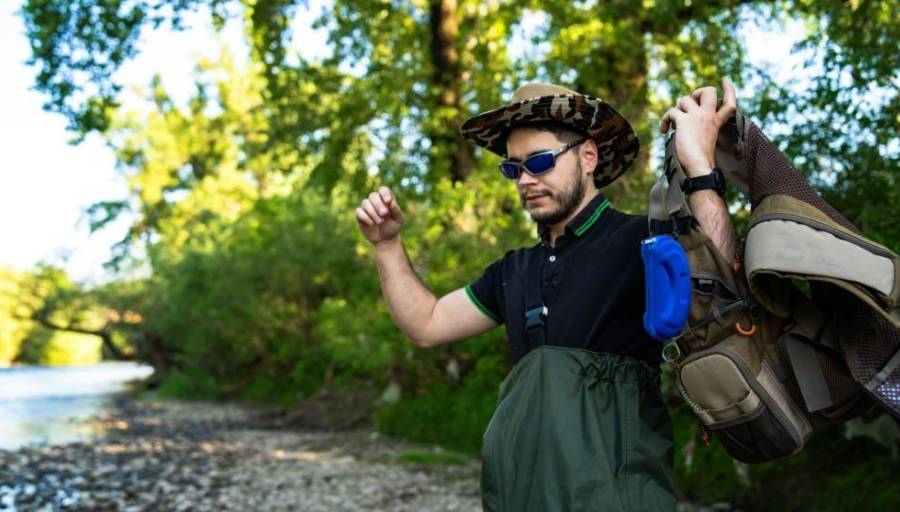
How to Choose the Best Fishing Backpack: Complete Buyer’s Guide

Anyone who loves fishing knows the importance of being well-prepared after reaching their chosen spot. Knowing how to choose the best fishing backpack can make all the difference in ensuring you have all your essentials. The best fishing backpack should provide enough storage for tackle trays, tools, bait, and personal gear while remaining comfortable to carry during long fishing trips.
In such situations, relying on a dependable fishing bag is essential. In some cases, a fishing backpack might be even more practical. This is especially true for those who need to trek a distance before reaching their boat or fishing spot, requiring them to carry numerous items while keeping their hands free during the journey.
But how does one go about choosing the best fishing backpack? First, let’s outline the factors to consider when selecting the ideal fishing backpack, and then we’ll explore some of the most noteworthy questions people frequently ask.
How to Choose the Best Fishing Backpack
Choosing the best fishing backpack means taking into consideration many different factors. It is not just any backpack in response to extremely special needs.
Fishing Backpack Buying Guide: Essential Features at a Glance
This quick comparison highlights the most important factors to evaluate when choosing the best fishing backpack for your next fishing trip.
| Feature | Why It Matters |
| Capacity | Stores tackle and accessories |
| Waterproofing | Protects gear from rain and splashes |
| Comfort | Reduces fatigue during long walks |
| Organization | Faster access to equipment |
| Durability | Longer service life |
Size and Capacity
The first and main criterion to consider is capacity. For light trips with minimal gear, a small fishing backpack is ideal, and it can even complement a larger fishing bag. On the other hand, larger fishing backpacks with generous capacity are designed for anglers with significant storage needs.
These are perfect for those planning a full day of fishing, aiming to bring all the essentials to stay prepared. When choosing the best fishing backpack, it’s essential to consider how much gear you’ll need to carry on your outings. Anglers who spend long hours on the water may also want to carry one of the best coolers for kayak fishing to keep drinks, snacks, and freshly caught fish cool throughout the day.
Material and Durability
Look for backpacks made from durable and water-resistant materials. Quality zippers, reinforced stitching, and sturdy straps contribute to the overall robustness and ensure it can withstand outdoor conditions.
The Organization of Spaces
There are fishing backpacks that look like bags with one or two pockets, and there are others that look like real organizers with compartments originally designed to house specific objects, such as the compartments for spare spools or those already equipped for artificial lures.
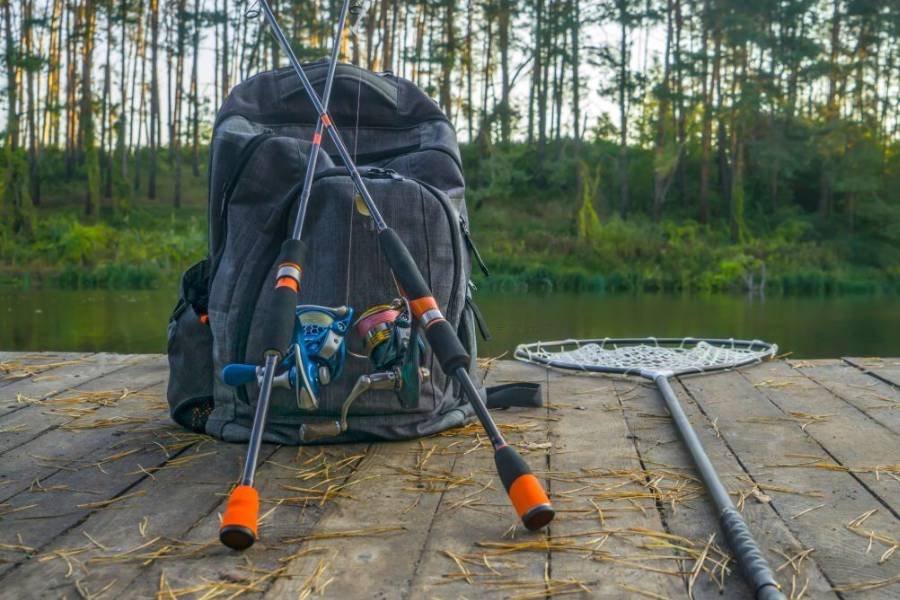
Here everything depends on the habits and needs of the fisherman. If you want to always have everything at hand without having to search for or empty all the contents in the backpack, opt for the organized fishing backpack with a good number of pockets and compartments.
Watertight Pocket and General Impermeability
Fishing backpacks come in various designs when it comes to waterproof features. Some lack a dedicated waterproof surface, which provides minimal protection against rain and splashes. Others are crafted to ensure the interior stays dry even during rainy days or when facing waves.
For maximum protection of electronics, clothing, and valuables, some anglers also carry best dry bags for kayaking inside their fishing backpack as an additional waterproof layer. Additionally, certain models go the extra mile by integrating real watertight pockets specifically designed for storing baits.
Resistance and Comfort
Some fishing backpacks have a structure very similar to hiking backpacks. They are resistant and comfortable, which allows them to be used for a long time without creating annoyance and inconveniences, even for long journeys. The best ones also feature ergonomic and breathable shoulder straps, which certainly don’t hurt!
The Built-in Seat
Some backpacks have a feature that does not go unnoticed, namely the presence of a built-in seat. In a single solution, you will have both a comfortable fishing bag to load on your back and a cozy seat for your outings. This is an intelligent and decidedly comfortable solution!
If you prefer a more supportive seating option, consider pairing your backpack with right fishing chairs for added comfort during extended fishing sessions.
Additional Features
Consider additional features like built-in rod holders, D-rings for accessories, and attachment points for extra gear. These can enhance the backpack’s functionality and make your fishing experience more enjoyable.
FAQs: Fishing Backpack Buying Guide
Here are some questions beginner anglers frequently ask…
Why buy a fishing backpack?
A primary reason for choosing a fishing backpack is the need to carry a range of accessories and tools essential for fishing. For example, if you enjoy spinning, you’ll likely need various items like spare spools, dozens of lures, carabiners, boga grips, and other tools.
- Many anglers also use their backpack to organize spare fishing tackle, including extra hooks, leaders, and monofilament fishing lines for different fishing conditions.
A well-designed fishing backpack provides a convenient, organized way to store everything, allowing you to move freely without bulk. It also protects your gear—and your clothes—from potential damage caused by saltwater and sun exposure, keeping everything safer and well-preserved.
How much does a good fishing backpack cost?
A simple fishing backpack starts at around $40. So, you can get one for just 35-40 dollars and buy a cheap fishing backpack. The most expensive backpack can reach up to $100. The other products are between these two prices. Sometimes manufacturers give a discount and prices are reduced. Perhaps your favorite model is currently available as a reduced offer in the online shop.
How can I set up the fishing backpack correctly?
Make sure your fishing backpack fits your size. The shoulder straps should be adjusted so that the neck is in the middle of the shoulder blades.
How can I close the fishing backpack correctly?
The backpack is closed with zippers or clip fasteners. With the clip lock, you just snap the two plastic parts into place.
Is a waterproof fishing backpack worth it?
Yes. A waterproof fishing backpack helps protect tackle, electronics, clothing, and personal items from rain, splashes, and accidental exposure to water. It is particularly useful for kayak fishing, boat fishing, and coastal environments.
How do I clean my fishing backpack?
To clean your fishing backpack, start by emptying it and shaking out loose debris. Use a soft brush to remove dirt and residue. Wipe down the exterior with a damp cloth and mild soap, avoiding abrasive cleaners. For tough stains, spot clean with a gentle brush. Ensure zippers are clean and lubricated. For interiors, empty all pockets, shake out loose debris and wipe surfaces with a damp cloth. Allow your backpack to air dry completely before storing it.
Avoid machine washing, as it can compromise the backpack’s integrity and waterproofing.
Conclusion
A fishing backpack is a worthwhile investment for any angler. It is much more convenient to carry on the back than fishing tackle boxes. Thanks to the large capacity and many outside pockets, everything can be stored nicely. The colors of the backpacks are all mute green or camouflage patterns. Now you just need some patience and some leisure time to indulge in this beautiful hobby. Additional accessories, such as a folding stool, make fishing easier.