Kayak Fishing in the Ocean: 15 Expert Tips to Catch More Fish

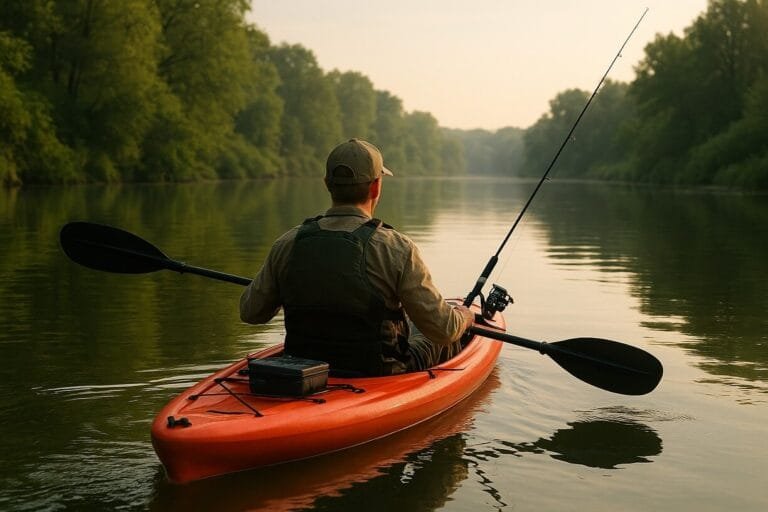
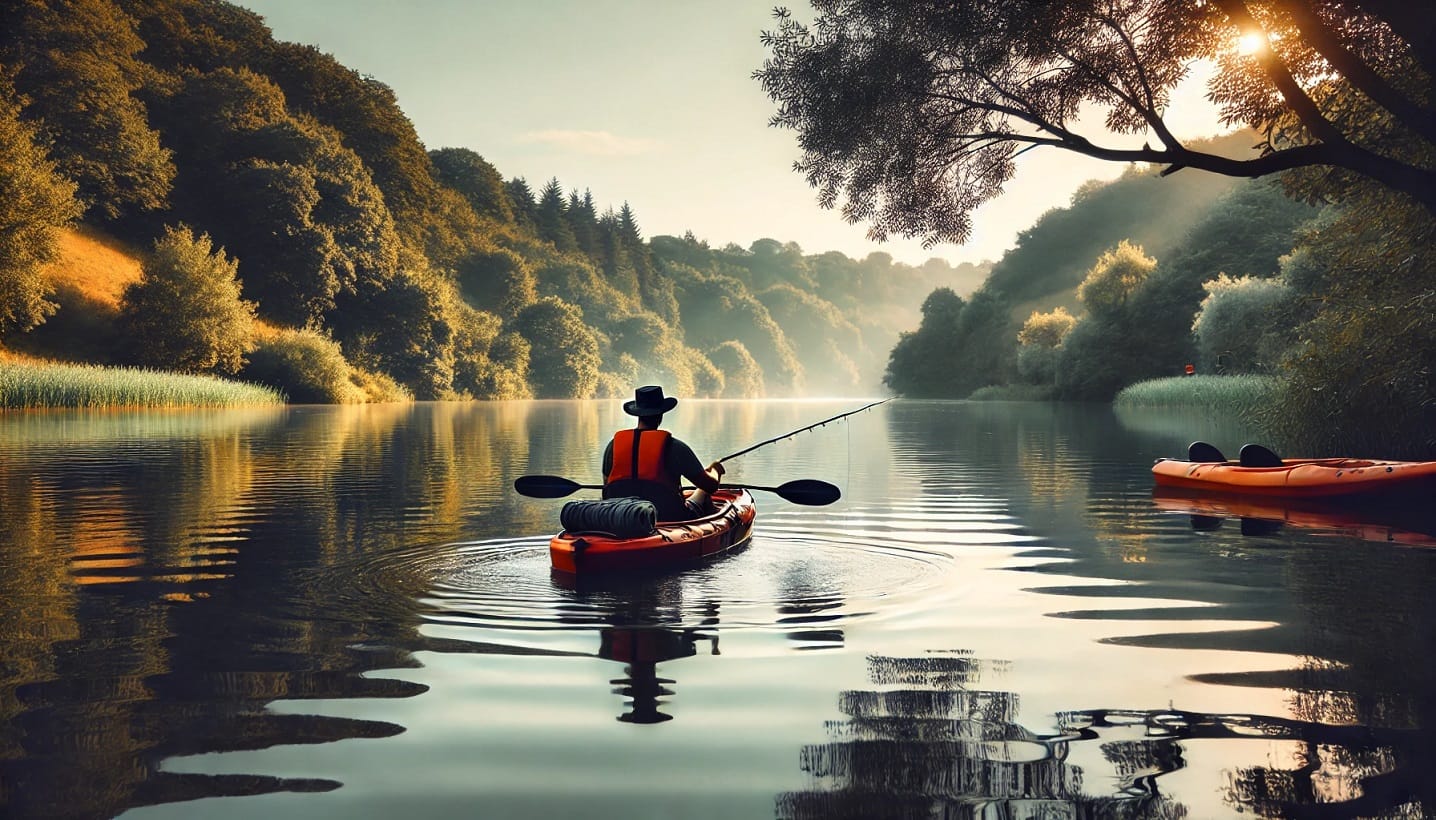
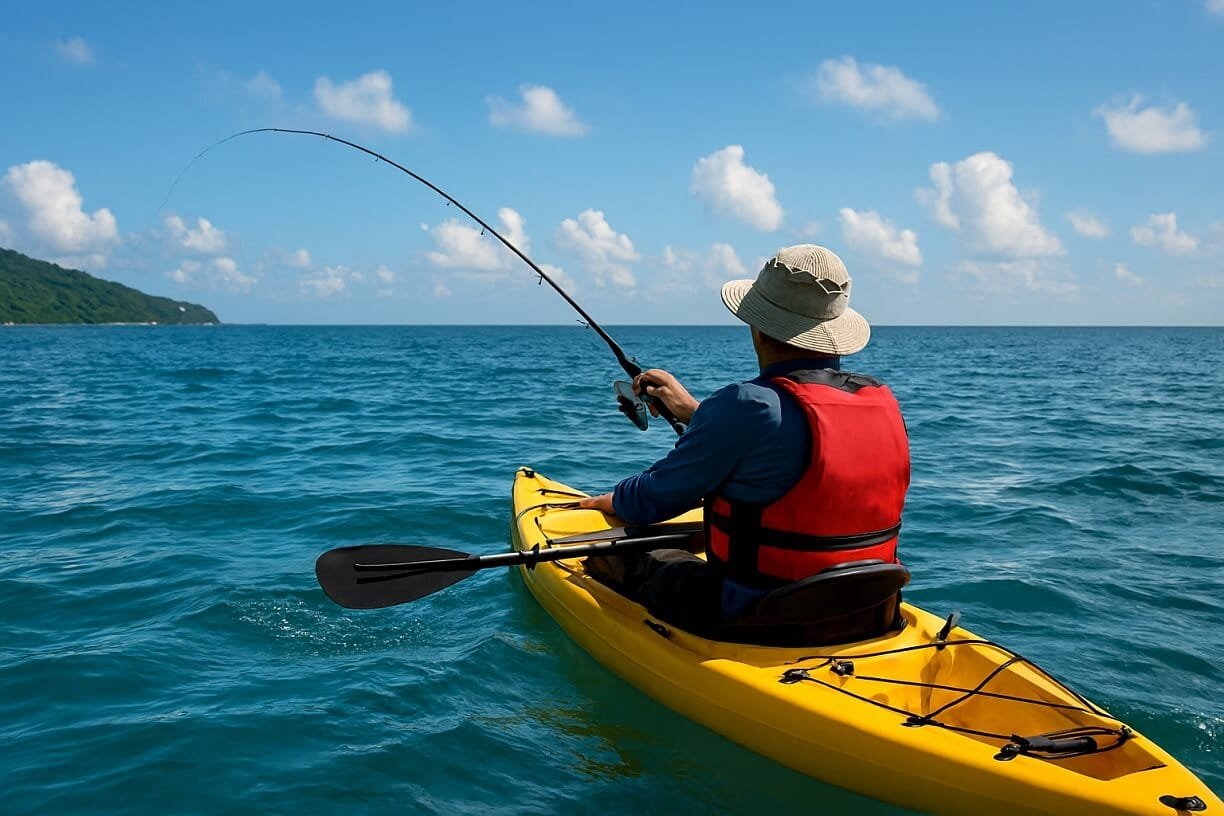
Kayak fishing in the ocean is one of the most thrilling ways to combine adventure with sport fishing. It’s an adventure that allows anglers to explore waters that are often inaccessible from shore or larger boats. With a kayak, you can quietly glide into prime fishing spots, enjoy the serenity of open water, and increase your chances of landing more fish.
Whether you’re a beginner or an experienced angler, the freedom of exploring deep waters, hidden coves, and reefs right from your kayak brings an unmatched sense of excitement.
However, the ocean is dynamic, and success depends on preparation, knowledge, and skill. If you’re serious about catching more fish on every trip, this comprehensive guide will cover everything you need to know, from selecting the right kayak to mastering ocean currents, fishing techniques, and safety tips. Whether you are targeting redfish, tuna, mackerel, or snappers, these tips will help you catch more fish while staying safe on the water.
Benefits of Kayak Fishing in the Ocean
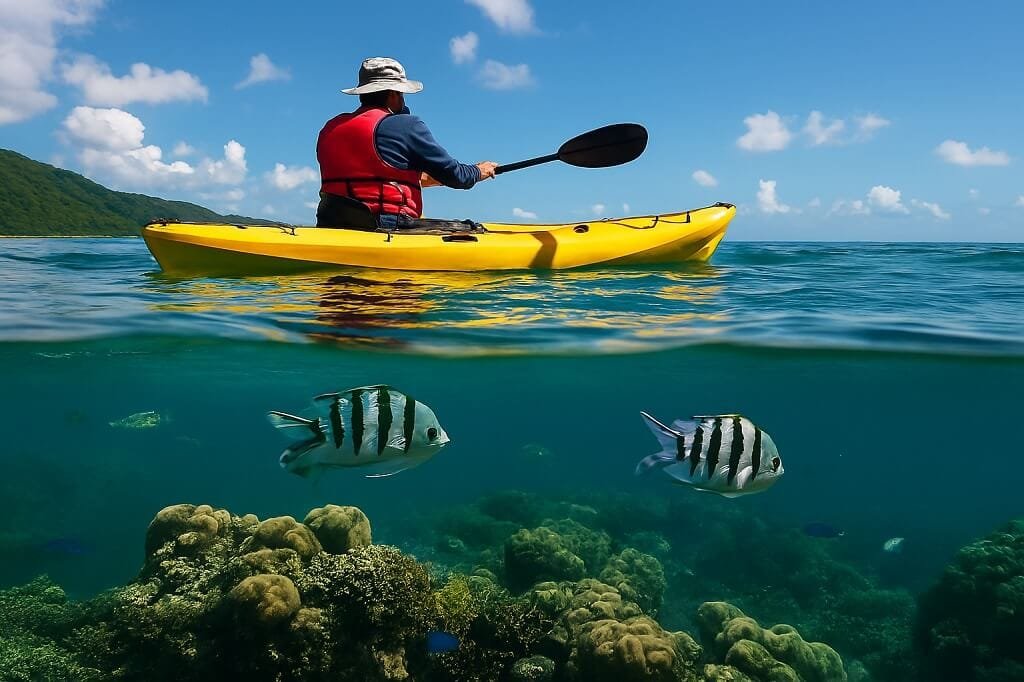
- Access to Remote Fishing Spots: Kayaks can reach areas inaccessible to larger boats or shore anglers. You can fish near reefs, sandbars, and secluded coves.
- Cost-effective: No fuel costs and lower maintenance compared to motorboats. With a minimum budget, you can start your kayak fishing adventure.
- Quiet and Stealthy: Kayaks allow you to approach fish without scaring them away, which is exceptionally useful in shallow waters.
- Fitness and Recreation: Kayak fishing combines sport with exercise. Paddling strengthens your arms, shoulders, and core while enjoying fresh air and ocean views.
- Environmental Impact: Smaller footprint on marine ecosystems compared to larger boats. So, kayak fishing is an eco-friendly adventure.
Choosing the Right Ocean Kayak
Type of Kayak
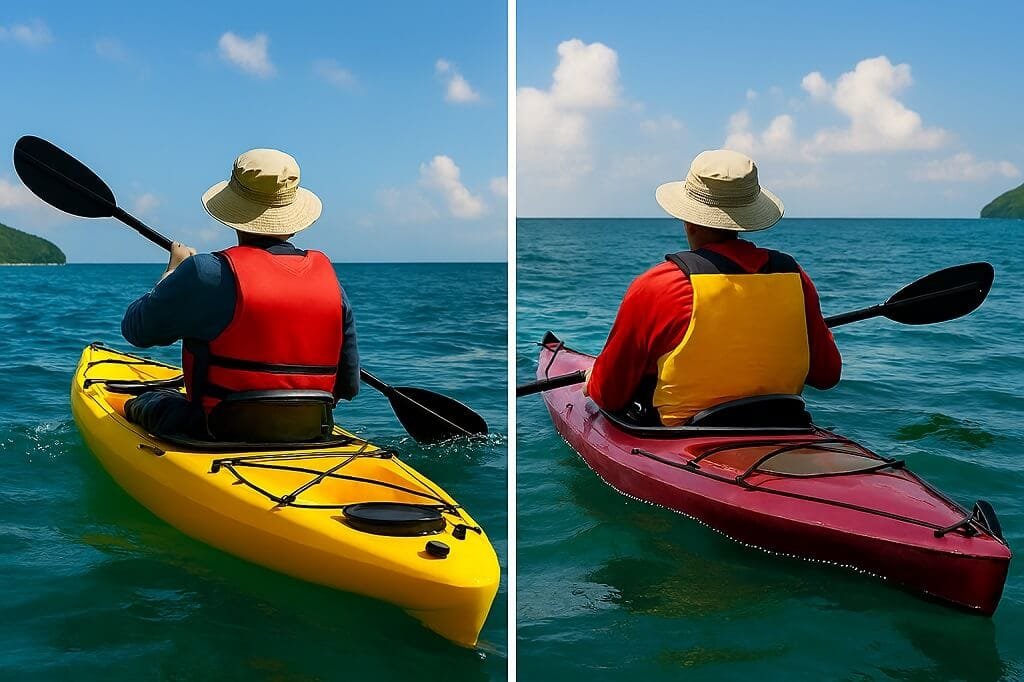
Selecting the right ocean kayak is one of the most important decisions before heading out on open water. The type of kayak you choose affects everything from comfort and storage space to performance and safety. Let’s break down the two dominant styles you’ll encounter and which one suits your needs best.
Sit-On-Top (SOT) Kayaks
Sit-on-top kayaks are the most popular choice for ocean fishing and coastal paddling. They offer excellent stability, which is crucial when dealing with waves or reeling in a fish. The open deck design makes it easy to move around, access your gear, or even hop off for a quick swim.
Most SOT models come with scupper holes that allow water to drain out automatically, so you don’t have to worry about water pooling in the cockpit. They also have more space for mounting accessories like rod holders, fish finders, and tackle storage. If you plan to fish in warmer climates or want a kayak that’s easy to get on and off, a sit-on-top kayak is a practical and beginner-friendly option.
Sit-In Kayaks
Sit-in kayaks are designed with a closed cockpit that shelters your lower body from wind, splashes, and cold water. This makes them a great choice for longer paddling trips or colder ocean conditions where staying dry is important. Their lower center of gravity also makes them faster and more efficient to paddle over long distances.
However, they’re not as convenient for fishing or getting in and out frequently. Water that enters the cockpit must be manually drained, and storage access is limited. For paddlers focused more on touring or exploring coastal areas rather than fishing, sit-in kayaks provide better speed and protection against the elements.
Length and Width
When choosing an ocean kayak, size matters more than most beginners realize. The kayak’s length and width directly affect how it performs in different sea conditions, how fast it moves, and how stable it feels on the water.
Length
Longer kayaks, between 12 to 14 feet, are ideal for open-water paddling and ocean fishing. Their extra length helps them track straighter, meaning they maintain a steady course even in waves or crosswinds. This makes long kayaks a great choice if you plan to cover more distance or paddle in rougher surf.
However, the trade-off is maneuverability. Longer kayaks can be harder to turn quickly, especially in tight spots or near rocky shorelines. If you often launch from the beach or deal with small surf zones, you’ll need to balance tracking performance with ease of handling.
Width
A kayak’s width usually ranges between 30 and 36 inches. Wider kayaks feel more stable, making them perfect for beginners or anglers who need to stand or shift around when fishing. The extra width gives you confidence in choppy water and helps prevent tipping, even when waves hit from the side.
On the flip side, wider kayaks are slower and require more effort to paddle over long distances. Narrower kayaks slice through the water more efficiently, offering better speed and glide, which can be helpful for long ocean trips or trolling.
Weight Capacity
Ensure your kayak supports your weight plus fishing gear. Ocean fishing often requires more storage for tackle boxes, fishing coolers, and safety equipment.
Storage Options
Look for ocean kayaks that come with multiple storage hatches, bungee cords, and tank wells to keep your gear organized and secure. Sealed hatches protect valuables from splashes, while deck bungee cords are great for strapping down dry bags or coolers. Tank wells, often at the rear, provide open space for larger items like tackle boxes or bait buckets.
Rudder or Skeg System
A rudder or skeg system on an ocean kayak helps maintain a straight course in strong currents or windy conditions. These systems improve tracking, reduce the need for constant corrective paddling, and make it easier to navigate open water with better control and efficiency.
Essential Ocean Fishing Gear
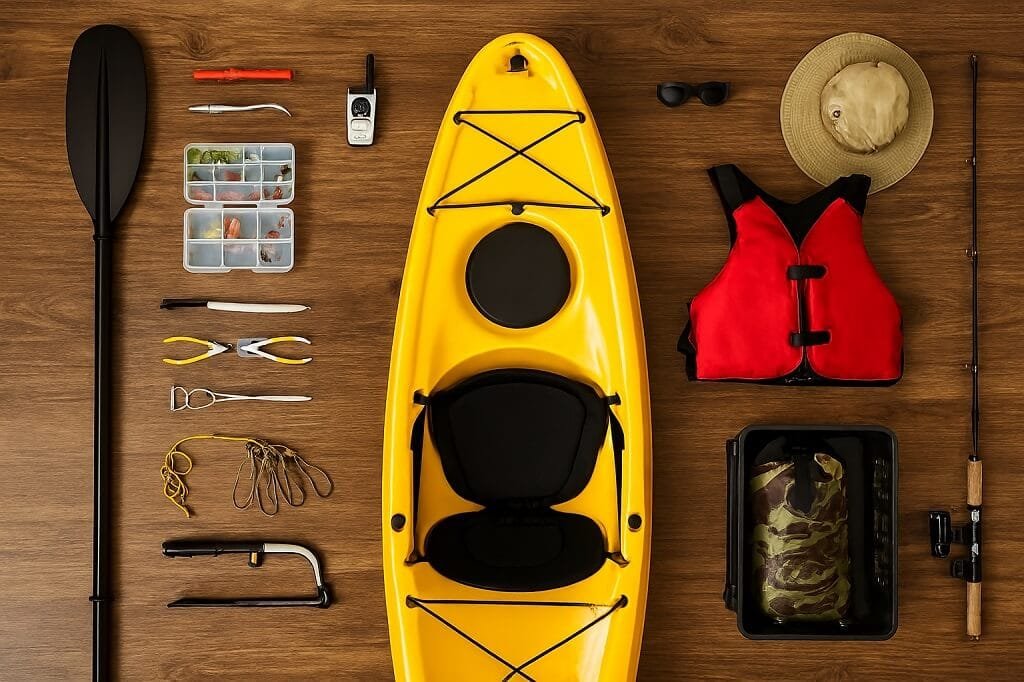
Here’s a complete gear list for ocean kayak fishing:
- Fishing Rods: Medium to heavy rods (7–9 ft) for saltwater species.
- Reels: Saltwater spinning or baitcasting reels with corrosion-resistant materials.
- Tackle: Hooks, sinkers, swivels, jigs, soft plastics, lures.
- Fishing Line: Braided or monofilament lines, depending on species.
- PFD (Life Jacket): Always wear one; consider models with pockets for tackle and tools.
- Safety Gear: Whistle, VHF radio, waterproof phone case, flares.
- Anchor System: Portable anchor or stake-out pole to maintain position in currents.
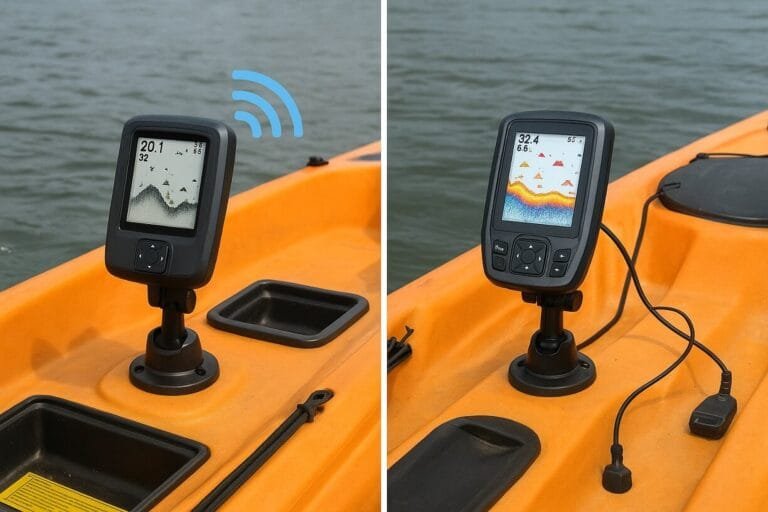
- Fish Finder: Optional but helpful for detecting schools of fish.
- Paddle Leash: This will prevent losing your paddle in rough conditions.
- Cooler or Fish Bag: Keeps your catch fresh until you return to shore.
Safety Precautions Before Hitting the Water
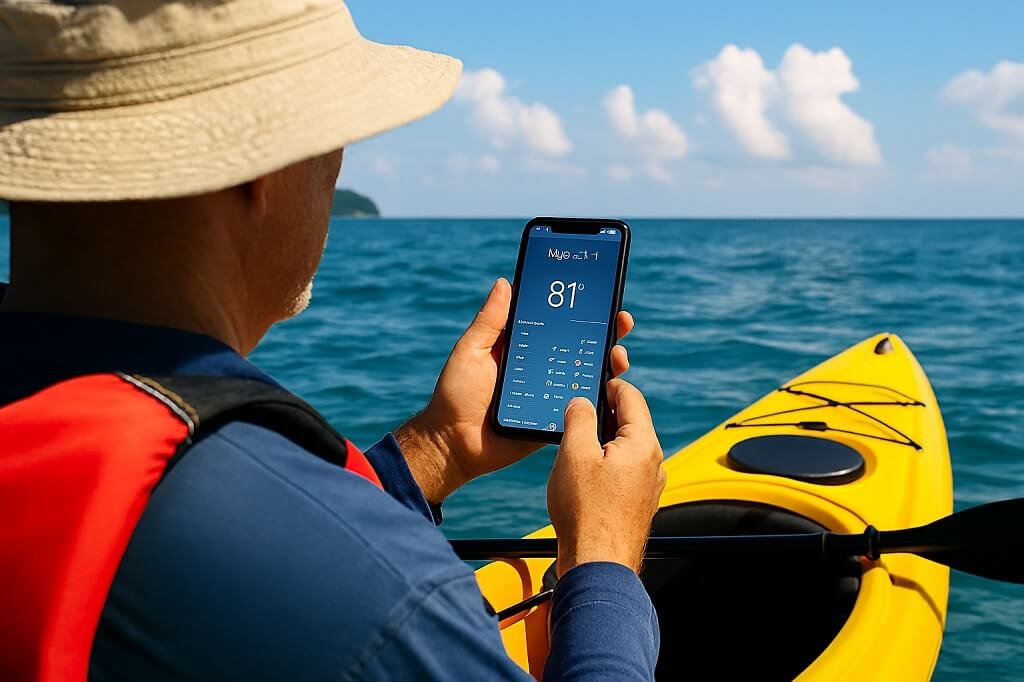
Ocean fishing and kayaking can be exciting and rewarding, but they also come with inherent risks. Prioritizing safety is essential for every paddler. Here are some important precautions to follow before you head out:
- Check Weather Conditions: Always review the latest weather forecasts. Avoid kayaking in strong winds, storms, or high swells, as these can make navigation difficult and increase the risk of accidents.
- Understand Tides and Currents: Learn the tidal schedule and ocean currents for your area. Strong currents or unexpected tidal changes can quickly move you off course, so careful planning is vital.
- Tell Someone Your Plan: Inform a friend or family member of your planned route, estimated return time, and emergency contacts. This simple step can be crucial in case of an unexpected situation.
- Wear a PFD: A personal flotation device (PFD) should always be worn, regardless of experience level. It provides essential safety in case of capsizing or rough water. Source from National Oceanic and Atmospheric Administration.
- Sun Protection: Protect yourself from the sun by wearing sunglasses, applying sunscreen, and using hats or lightweight protective clothing. This helps prevent sunburn and heat-related illnesses.
- Emergency Communication: Carry a fully charged phone in a waterproof case or a marine VHF radio to ensure you can call for help if needed.
Understanding Ocean Conditions and Fish Behavior
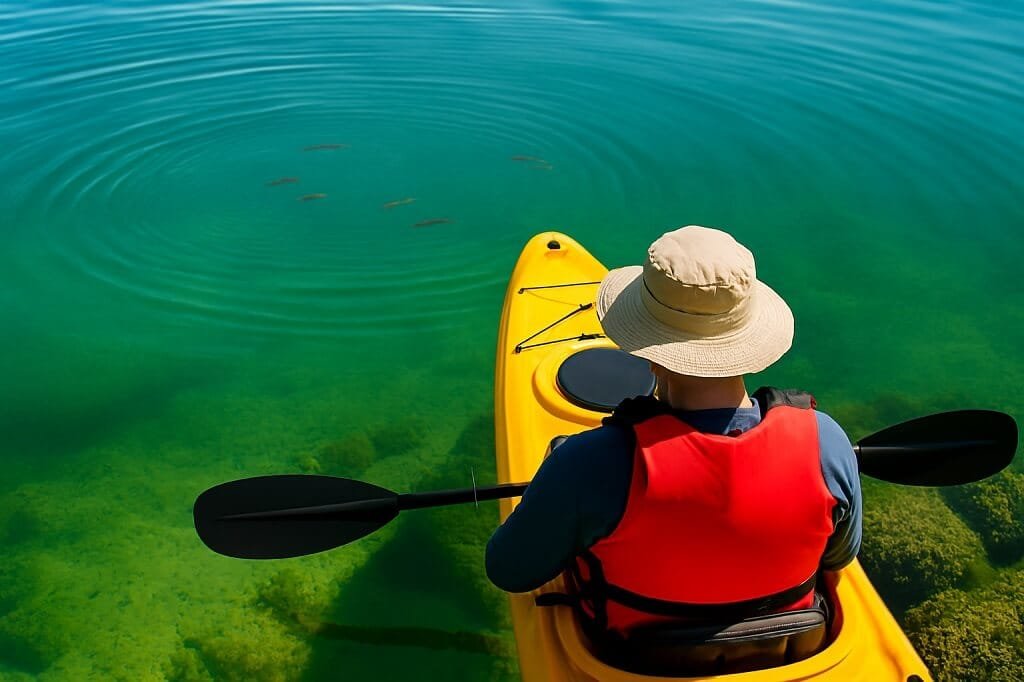
Understanding the water conditions is key to successful ocean fishing. To catch more fish, you need to read the water:
- Water Temperature: Fish are more active in certain temperature ranges. Research your target species’ preferred temperatures and focus your fishing efforts in those zones.
- Currents: Many fish species are attracted to tidal currents, where baitfish gather. Positioning your kayak near these currents can improve your chances of a successful catch.
- Structure: Fish often congregate around underwater features such as reefs, rocks, submerged vegetation, and drop-offs. These areas provide shelter and feeding opportunities.
- Weather Patterns: Overcast or cloudy days typically increase fish activity near the surface, while bright, sunny conditions may drive fish deeper into cooler, shaded water.
Best Locations for Ocean Kayak Fishing
Quick points:
- Reefs and rocky structures
- Drop-offs and ledges
- Estuary mouths
- Kelp beds
- Offshore buoys and artificial reefs
Best Ocean Kayak Fishing Techniques
Fishing from an ocean kayak opens up multiple techniques to target a variety of species. Understanding and mastering these methods can greatly improve your catch rates.
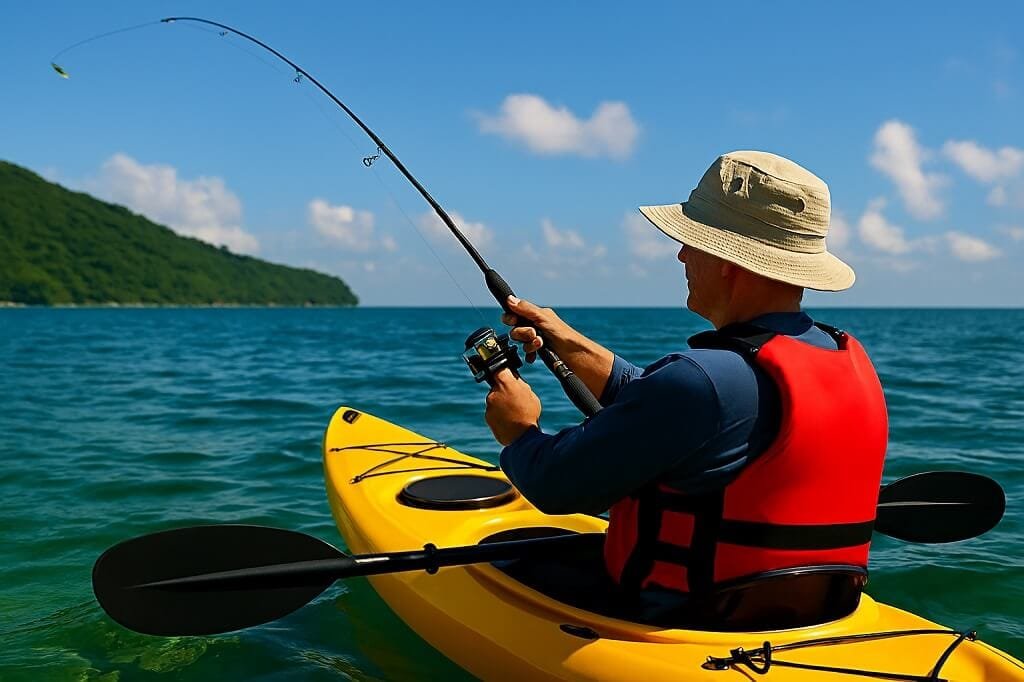
- Casting and Retrieving: Ideal for species like mackerel, snapper, and barracuda. Cast your lure or bait and retrieve it steadily to mimic natural prey movements.
- Trolling: Slowly paddle or drift while dragging a lure behind your kayak. This technique is effective for chasing larger, pelagic species such as tuna and kingfish.
- Bottom Fishing: Drop your bait near the ocean floor to target bottom-dwelling species like grouper or flounder. Using a weighted rig helps keep the bait in place.
- Drift Fishing: Allow the kayak to drift naturally with the current while suspending bait at varying depths. This method covers more area and can attract species feeding along tidal flows.
- Jigging: Use a vertical motion with lures to attract predatory fish in deeper waters. Repeated jerking motions imitate injured prey, triggering strikes from aggressive species.
Best Baits and Lures for Ocean Kayak Fishing
- Live Bait: Shrimp, sardines, and small fish are effective for most species.
- Soft Plastics: Imitate worms, shrimp, or small fish.
- Jigs: Useful for deeper waters; mimic injured prey.
- Topwater Lures: Great for early morning or late evening surface strikes.
- Poppers and Spoons: Effective for aggressive game fish like jacks and mackerel.
How to Catch More Fish While Ocean Kayak Fishing
- Redfish: Target shallow flats during high tide; use soft plastics or live shrimp.
- Tuna: Troll with lures or small baitfish near reefs and drop-offs.
- Mackerel: Fast-moving baitfish work well; cast small spoons.
- Snappers: Bottom fish near rocky structures; live bait works best.
- Flounder: Drift fishing with cut bait along sandy bottoms.
Launching, Paddling, and Positioning Your Kayak
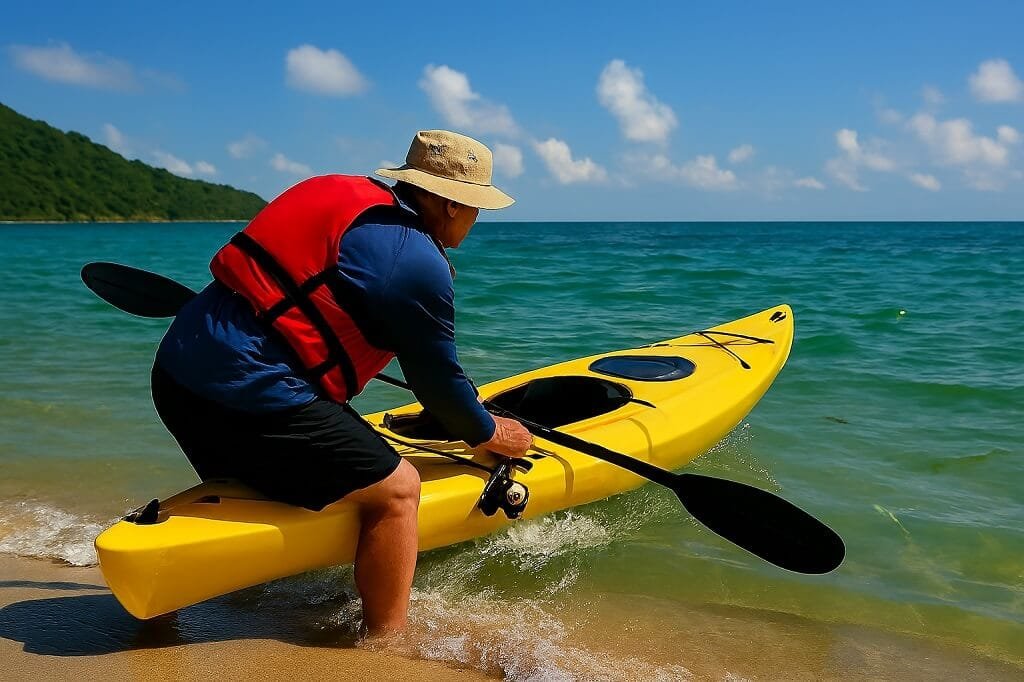
- Launching Tips: Paddle out slowly; keep the kayak pointed into waves for stability.
- Positioning: Use anchors or drift strategically to remain in productive fishing areas.
- Paddling Efficiency: Use long, even strokes; switch sides periodically to avoid fatigue.
- Wave and Wind Strategy: Keep the kayak bow pointed into wind or waves to maintain control.
Handling and Storing Your Catch
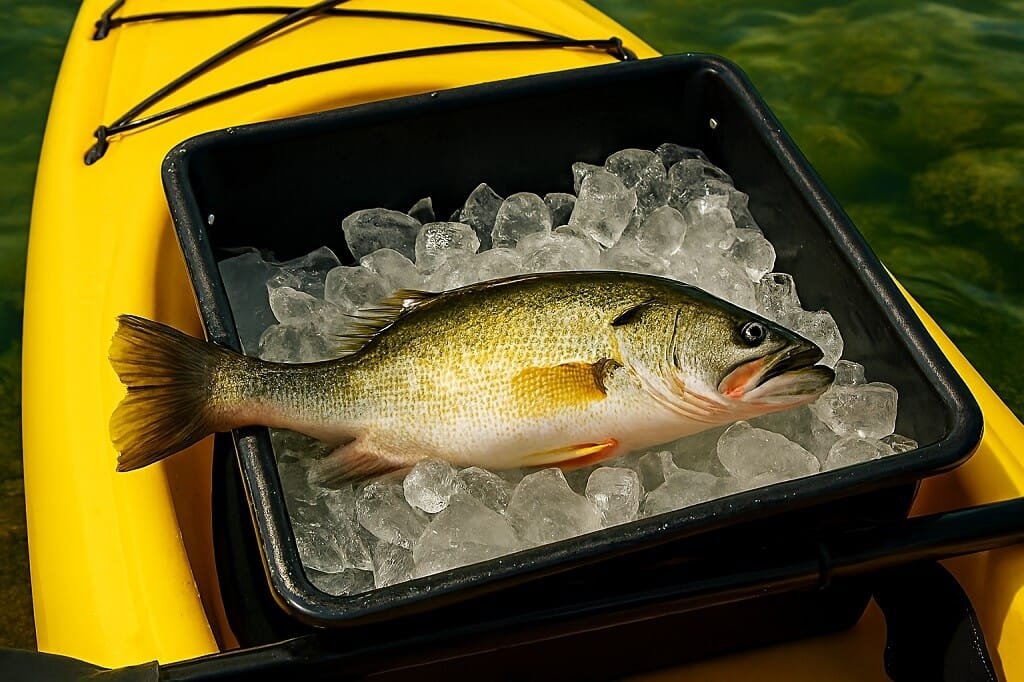
- Handling: Minimize fish stress by using wet hands or gloves.
- Bleeding Fish: For larger species, bleed immediately to improve meat quality.
- Storage: Use an insulated cooler with ice; keep fish out of direct sunlight.
- Catch Limits: Follow local regulations to protect marine ecosystems.
Maintenance and Care of Your Kayak and Gear
- Rinse After Saltwater Exposure: Prevents corrosion and prolongs kayak life.
- Inspect for Damage: Check for cracks, leaks, or worn-out bungees.
- Fishing Gear Care: Rinse reels and rods; store lures and tackle dry.
- Proper Storage: Keep kayak out of direct sunlight when not in use.
Simple Ocean Kayak Fishing Setup for Beginners
Quick bullets:
- 12–13 ft sit-on-top kayak
- Medium-heavy spinning rod
- 20–30 lb braided line
- Small tackle kit
- Anchor or drift chute
Common Mistakes to Avoid
- Overloading the kayak with gear.
- Ignoring weather or tide forecasts.
- Not wearing a PFD.
- Using the wrong bait for species.
- Poor kayak positioning in currents or wind.
FAQs About Kayak Fishing in the Ocean
What is the best kayak for ocean fishing?
Sit-on-top kayaks with wide beams, multiple storage hatches, and ample deck space for gear are ideal for ocean fishing. They provide excellent stability in waves, easy access to fishing tackle, and are beginner-friendly. Features like scupper holes for self-draining, built-in rod holders, and comfortable seating make longer trips more enjoyable and efficient.
Can beginners kayak fish in the ocean?
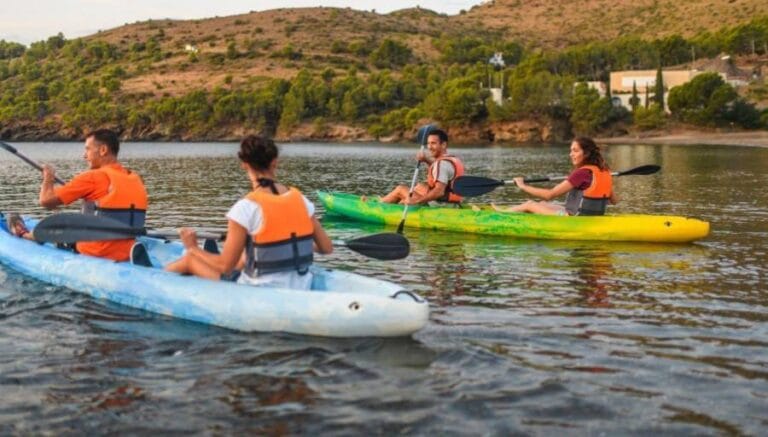
Yes, beginners can safely enjoy ocean kayak fishing by following basic safety rules, wearing a PFD, starting in calm waters, and gradually moving to open water. Joining guided tours or paddling with experienced kayakers can build confidence and provide practical tips for handling different ocean conditions.
How do I stay safe in strong currents?
Staying safe in strong currents involves preparation and the right equipment. Always wear a PFD, study local tides and currents, and consider a kayak with a rudder or skeg for better tracking. Using an anchor or drift system helps maintain position while fishing. Carrying a waterproof phone or marine VHF radio ensures you can call for help if necessary.
What’s the best time to kayak fish in the ocean?
Early morning and late evening are the most productive times. Tidal movements, overcast skies, and certain seasonal factors also influence fish activity. Observing local patterns and adjusting your paddling schedule accordingly increases the chances of a successful trip.
How do I store my fish on a kayak trip?
Use an insulated cooler or fish bag with ice to keep fish fresh. Handle fish carefully to prevent damage or bruising. Planning your storage ensures fish quality is maintained, even on longer trips.
Is trolling from a kayak effective?
Trolling can be very effective for pelagic species like tuna, mackerel, or kingfish. Maintaining a steady paddling speed or allowing a slight drift encourages lure action and attracts fish. Adjusting your technique based on local water conditions can further improve results.
Conclusion
Kayak fishing in the ocean offers a unique blend of adventure, sport, and serenity. With proper preparation, understanding ocean conditions, using the right gear, and applying smart fishing techniques, you can consistently catch more fish while enjoying every moment on the water. Remember, safety and environmental awareness are just as important as skill. With practice, patience, and the tips in this guide, every trip can be productive and unforgettable.
Choosing the right kayak is just as important as mastering fishing techniques. If you’re still comparing models, check our guide to the best fishing kayaks for ocean fishing.