Late-Season Coyote Calling Tips: 10 Proven Strategies

Late-season coyote hunting presents unique challenges and opportunities. By this time, coyotes have been heavily pressured, making them more cautious and harder to call in. They have learned to recognize common calling mistakes, and their natural wariness is at its peak.
However, with the right strategies, you can still outsmart these elusive predators. In this guide, we’ll cover practical coyote calling tips for late-season hunts, including calling sequences, gear, scouting, weather conditions, and tactics for pressured coyotes.
The best coyote calling tips for late-season hunts are to start with softer sounds, vary your calling sequence, allow longer pauses, and adjust your approach based on wind, weather, and recent coyote activity. Pressured coyotes may take longer to respond, so patience, careful scouting, and avoiding repetitive calling setups are essential.
Our Experience with Late-Season Coyote Calling
Late-season coyotes can be noticeably more cautious than they are earlier in the season, so we focus on making each setup quiet, natural, and location-specific. In our experience, avoiding excessive calling and allowing longer pauses can be especially important when hunting pressured areas. We also pay close attention to wind direction, fresh tracks, and recent coyote activity before choosing a stand.
Understanding Late-Season Coyote Behavior
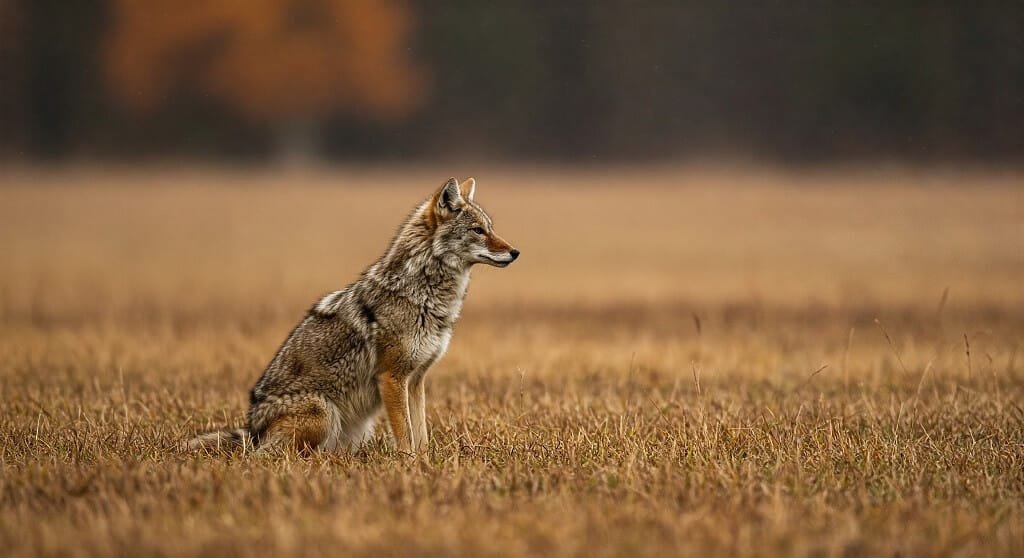
Coyotes behave differently in late season compared to the early months of hunting. Here’s what you need to know:
- Increased Caution: Coyotes have likely been exposed to multiple calling setups, making them more skeptical.
- Breeding Season: Late winter is breeding season, making territorial and mating calls more effective.
- Food Scarcity: With fewer prey animals available, coyotes are more desperate for an easy meal.
- Weather Impact: Colder temperatures drive coyotes to be more active in search of food, particularly during dawn and dusk.
Choosing the Right Calls for Late-Season Coyotes
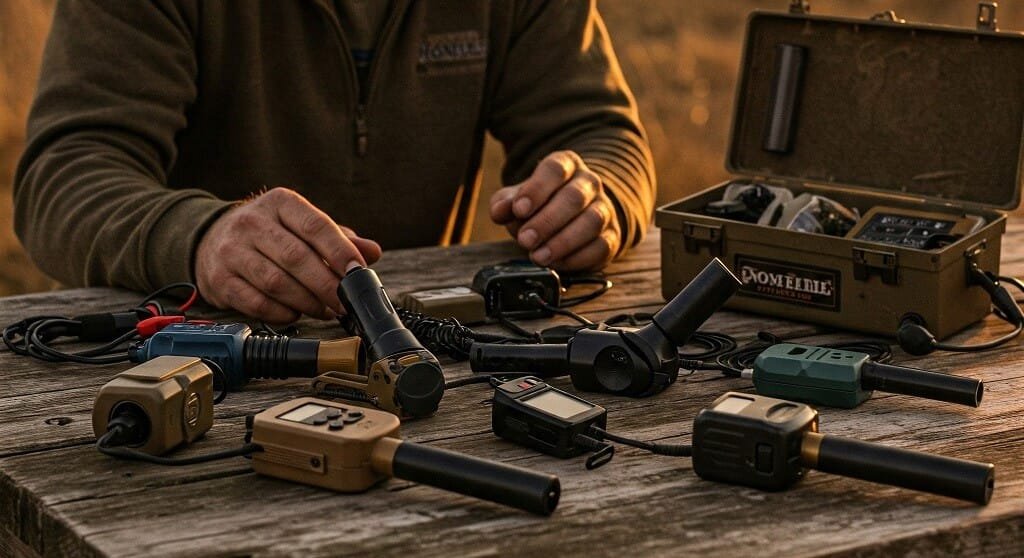
Selecting the right coyote calls for late-season hunts is crucial.
Prey Distress Calls
- Rabbit Distress: While common, these calls can still be effective if used with variation.
- Bird Distress Calls: Less commonly used and can be a great changeup for pressured coyotes.
- Rodent Squeaks: High-pitched sounds can entice hesitant coyotes, especially at close range.
Coyote Vocalizations
- Challenge Howls: Ideal for triggering territorial instincts in dominant males.
- Pup Distress: Works well as a closing call when coyotes approach but hesitate.
- Female Invitation Howls: Late winter means breeding season, making these calls highly effective.
Best Calling Sequences for Late-Season Success
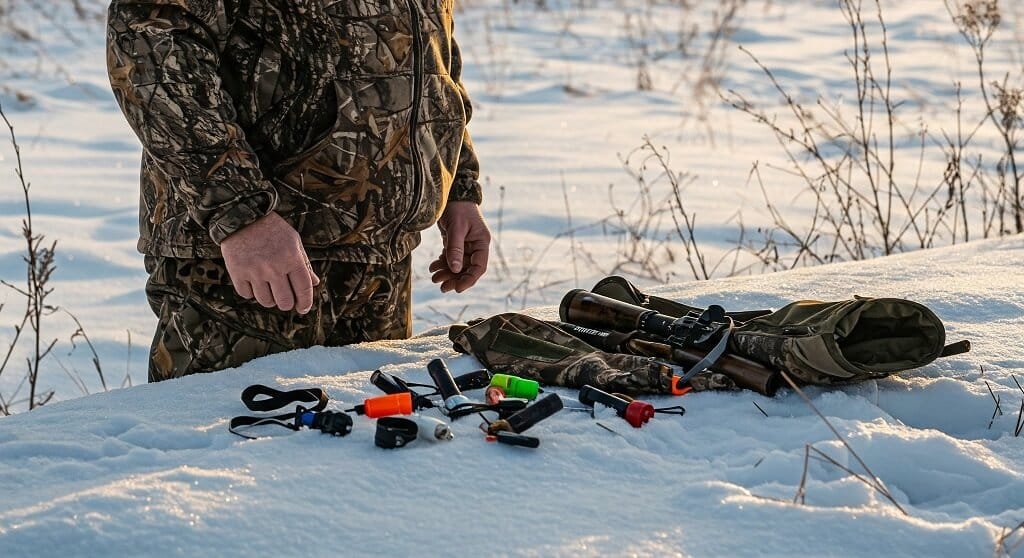
Mixing the right calls in an effective sequence is essential.
- Start Soft – Begin with low-volume distress sounds or subtle coyote howls to gauge interest.
- Increase Intensity – If no response, gradually increase the volume and vary distress calls.
- Incorporate Coyote Vocalizations – A few challenge howls or a female invitation can trigger territorial responses.
- Pause and Observe – Overcalling is a common mistake; give coyotes time to respond.
- Finish with Pup Distress – This can trigger a last-minute charge from a hesitant coyote.
When to Change Your Calling Strategy
If a coyote responds but doesn’t commit, avoid immediately increasing volume. Give it additional time, watch the wind, and consider changing to a different sound. If an area has received heavy hunting pressure, rotating sounds and moving to a fresh stand can help prevent repeating the same pattern.
Best Gear for Late-Season Coyote Calling
Having the right gear can make all the difference:
- Electronic Calls vs. Hand Calls – Electronic calls offer more variety and realism, while hand calls allow for greater personalization.
- Rifle & Optics – A .223, .22-250, or .243 rifle paired with a good scope ensures accurate shots. For hunters who pursue coyotes in low-light conditions, choosing the right night vision scopes for coyote hunting can also improve visibility and target identification.
- Concealment Gear – Snow camo or winter earth-tone camouflage is essential for blending into the terrain.
- Scent Control – Coyotes rely heavily on their noses; use scent-eliminating sprays and hunt with the wind in your favor.
Thermal optics are another option for detecting coyotes in low-light conditions, particularly when visibility is limited by darkness or vegetation. If you’re considering this type of setup, see our guide to the best thermal scopes for hunting.
Advanced Calling Tactics for Pressured Coyotes
Coyotes that have survived multiple hunts require extra finesse.
- Using Natural Barriers: Set up near natural barriers that funnel coyote movement toward your call.
- Silence is Golden: Sometimes, muting your call for a few minutes can lure in a hesitant coyote.
- Decoys: A realistic decoy can add credibility to your setup and hold a coyote’s attention longer.
- Switching Sounds: If one distress sound isn’t working, switch to a less common sound like a fawn bleat.
Field Tips: Don’t treat every stand the same. If you’re hunting an area that receives heavy pressure, start with lower-volume sounds and longer pauses before changing sounds or increasing intensity. For hunters who use lights during nighttime predator hunts, a purpose-built predator hunting light can be another useful addition to the setup.
Scouting and Locating Late-Season Coyotes
Finding the right location is half the battle.
- Look for Tracks and Scat: Fresh tracks in snow indicate active areas.
- Listen for Howls: Pre-dawn and dusk are the best times to locate vocal packs.
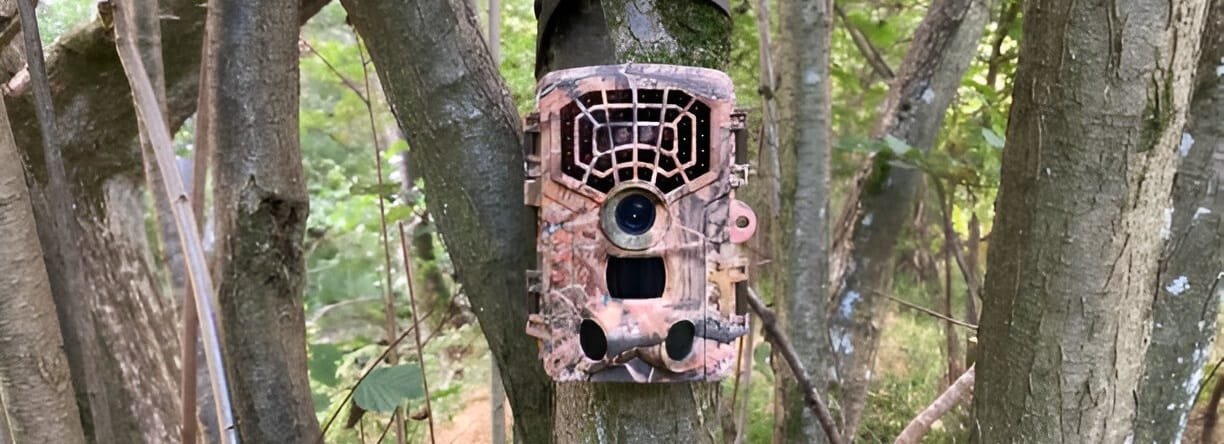
- Use Trail Cameras: Set cameras in high-traffic areas to pinpoint movement patterns.
- Focus on Food Sources: Coyotes will be near areas where small game, deer, or livestock are present.
What to Look For: Fresh tracks, scat, bedding areas, travel routes, and repeated camera sightings can help determine whether a location is worth calling. Rather than choosing a stand solely because it looks promising, prioritize locations showing recent coyote activity.
Best Times and Weather Conditions for Late-Season Calling
- Best Time of Day: Early morning and late afternoon are prime hunting hours.
- Cold Weather Advantage: Coyotes are more active when temperatures drop.
- Low Wind Conditions: Windy days make it difficult for coyotes to hear calls.
- Before a Storm: Coyotes often hunt actively before an incoming storm front.
Common Mistakes to Avoid in Late-Season Coyote Calling
- Overcalling: Coyotes become call-shy if sounds are overused or played too loudly.
- Ignoring Wind Direction: Always set up downwind of where you expect coyotes to approach.
- Lack of Patience: Late-season coyotes take longer to commit; give them time.
- Reusing the Same Setups: Avoid hunting the same locations too often, as coyotes learn patterns.
Conclusion
Late-season coyote calling requires patience, adaptability, and a strategic approach. If you understand coyote behavior, using the right calls, and refining your hunting techniques, you can still experience success even when coyotes are at their most cautious. With the right mindset and preparation, late-season hunts can be some of the most rewarding of the year. Now, gear up, set up your calls, and put these tactics into action for a successful late-season coyote hunt.
Sources & Further Reading
For readers who want to learn more about coyote behavior, seasonal activity, and late-season calling, these resources are useful:
- North Carolina Wildlife Resources Commission – Coyote: Information on coyote biology, diet, habitat, reproduction, and seasonal behavior.
- Ecology and Evolution – Fine-Scale Movements and Behaviors of Coyotes During Their Reproductive Period: Peer-reviewed research examining coyote movements, habitat use, and behavior during the reproductive period.
- FOXPRO – Sounds for Late-Season Success: Practical late-season calling advice, including using less-common sounds when hunting pressured coyotes.