Hunting Laws by State & Country (2026 Complete Guide)

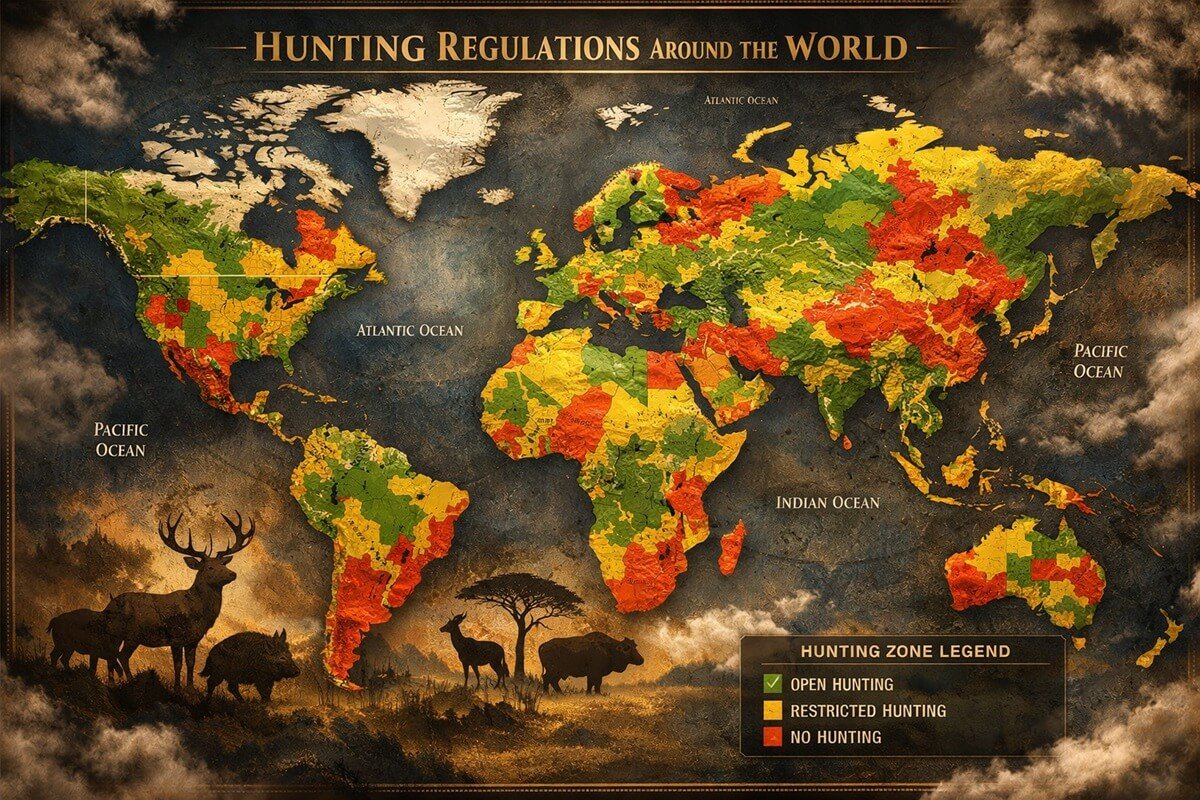
Hunting is one of the most regulated outdoor activities in the world, and in 2026 the legal landscape is more complex than ever. Hunters should always verify regulations directly with their local wildlife authority, as rules can change annually. Whether you’re hunting in the United States, Canada, Europe, or elsewhere, there is no universal rulebook—laws vary dramatically by state, province, and country.
This guide breaks down hunting laws by state and country in 2026, covering licensing requirements, seasons, weapon restrictions, age limits, and key legal differences hunters must understand before going into the field.
Table of Contents
🦌 Why Hunting Laws Vary So Much in 2026
Hunting regulations are primarily designed to:
- Protect wildlife populations from overhunting
- Maintain ecological balance
- Ensure hunter and public safety
- Manage conservation funding through licenses and tags
Unlike many federal systems, most hunting rules are controlled at the state, provincial, or national wildlife agency level, meaning laws can change even within the same country.
In 2026, many regions have also updated regulations due to:
- Climate-driven migration changes in wildlife
- Increased use of digital licensing systems
- Stricter conservation quotas for big game species
Technology is also reshaping wildlife management, with many hunters now using wireless trail cameras to monitor animal movement and comply with seasonal regulations. If you’re wondering whether these devices cross ethical boundaries, see our guide on Is It Cheating to Use Wireless Trail Cameras?
🇺🇸 Hunting Laws in the United States (State-by-State System)
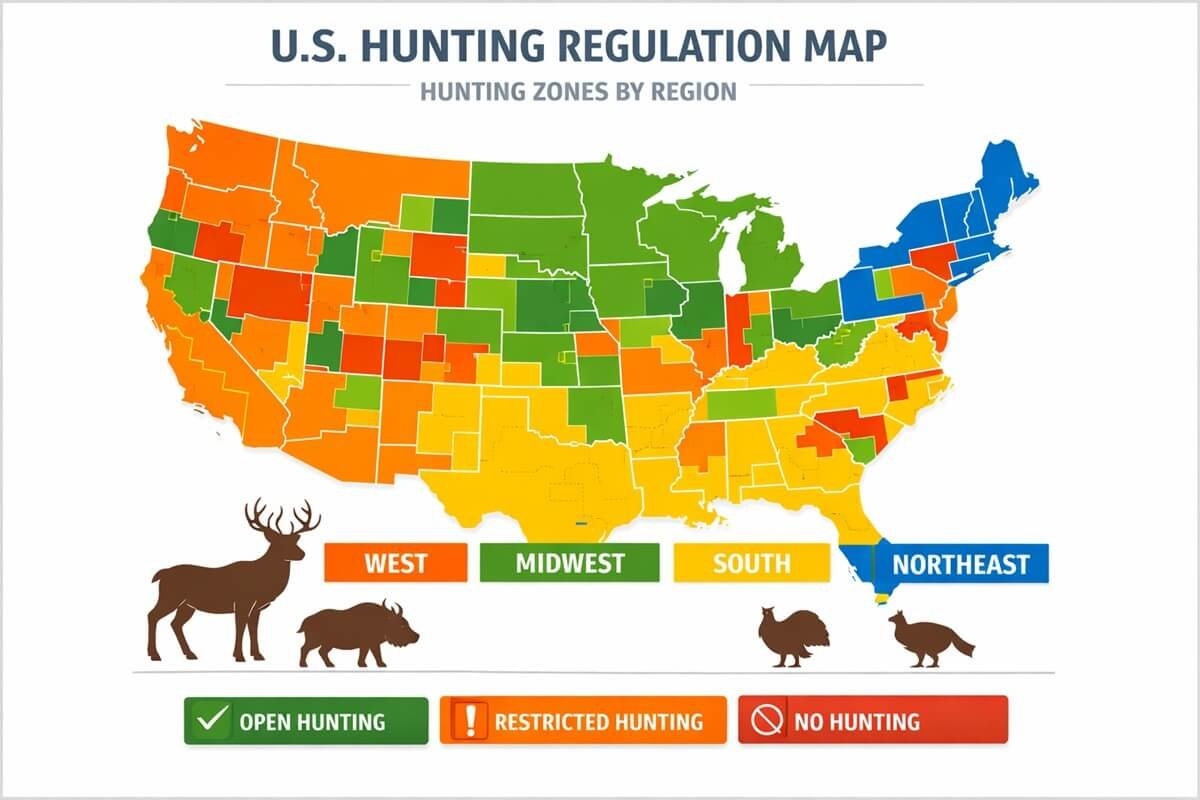
The United States has one of the most complex hunting systems in the world. While federal laws apply in limited areas (such as migratory birds and firearm restrictions), each state controls its own hunting regulations.
🎟️ Core U.S. Hunting Requirements (2026)
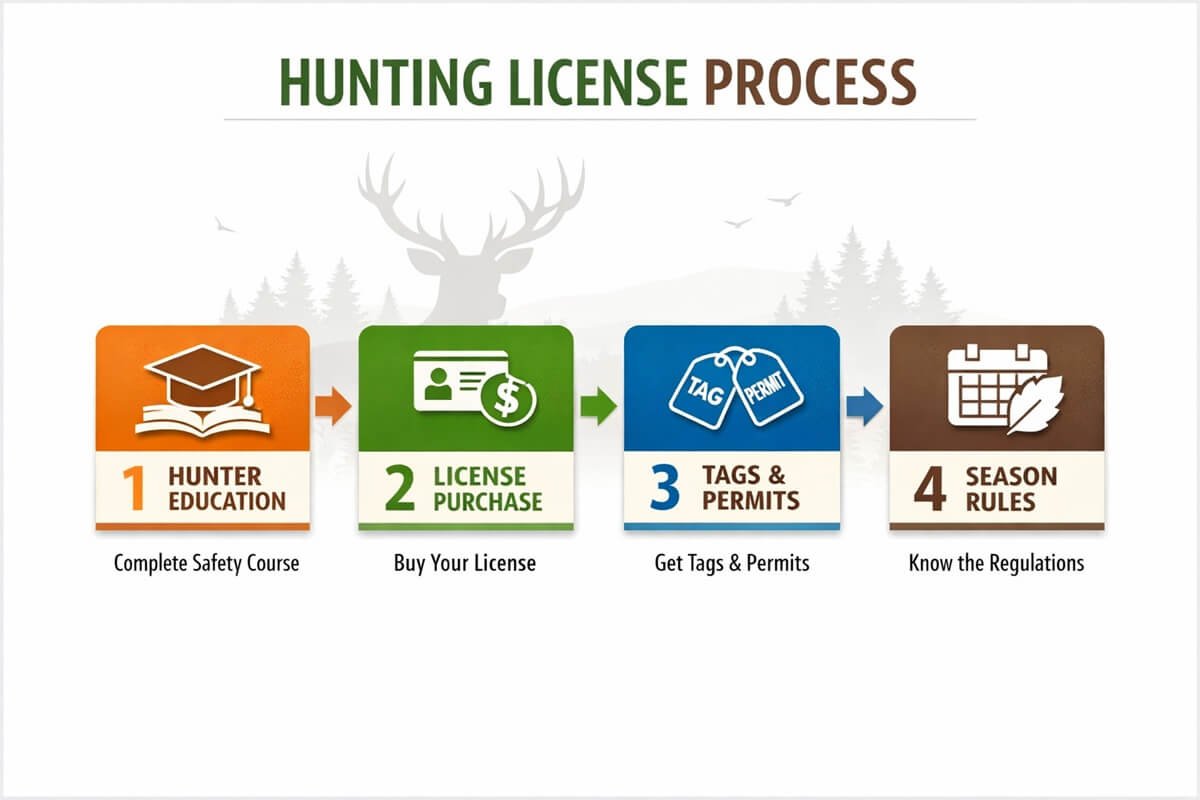
Most states require:
- A valid hunting license (resident or non-resident)
- Species-specific tags (deer, elk, turkey, etc.)
- Hunter education certification (especially for first-time hunters)
- Compliance with seasonal hunting dates
- Legal weapon compliance (rifle, bow, shotgun, muzzleloader)
Some states offer exceptions for:
- Private landowners (limited exemptions)
- Youth hunters under supervision
- Tribal lands (separate regulations may apply)
🦌 U.S. Hunting Laws by State (2026 Quick Reference Table)
Regulations, seasons, and tag requirements change frequently. Hunters should verify current information through their state’s wildlife agency. Use this quick-reference table to compare hunting license requirements, hunter education rules, key game species, and major regulations across U.S. states in 2026 at a glance.
| State | License Required | Hunter Education | Key Game Species | Notable Regulation Highlights |
|---|---|---|---|---|
| Maine | Yes | Required for most first-time hunters | Deer, Moose, Bear, Turkey | Moose lottery system; strict tagging rules |
| New Hampshire | Yes | Required | Deer, Bear, Moose | Limited public land; strict season windows |
| Vermont | Yes | Required | Deer, Turkey, Black Bear | Antler restrictions and regulated deer zones |
| Massachusetts | Yes | Required | Deer, Turkey, Waterfowl | Short seasons; firearm discharge restrictions |
| Rhode Island | Yes | Required | Deer, Turkey | Limited hunting zones |
| Connecticut | Yes | Required | Deer, Turkey, Small Game | Popular archery hunting opportunities |
| New York | Yes | Required | Deer, Bear, Turkey | Region-specific seasons and zoning rules |
| Pennsylvania | Yes | Required | Whitetail Deer, Turkey, Black Bear | Major deer hunting destination |
| Ohio | Yes | Required | Deer, Turkey | Strong archery hunting culture |
| Michigan | Yes | Required | Deer, Bear, Elk | Elk lottery hunts available |
| Indiana | Yes | Required | Deer, Turkey | Growing archery participation |
| Illinois | Yes | Required | Deer, Turkey | Private land hunting dominates |
| Wisconsin | Yes | Required | Deer, Bear, Turkey | Popular firearm deer season |
| Minnesota | Yes | Required | Deer, Moose, Bear | Limited moose permits |
| Iowa | Yes | Required | Deer, Turkey | Trophy whitetail destination |
| Missouri | Yes | Required | Deer, Turkey, Waterfowl | Flexible season structure |
| Texas | Yes | Required for younger hunters | Deer, Hogs, Turkey, Alligator | Extensive private land hunting |
| Florida | Yes | Required | Deer, Turkey, Wild Hogs, Alligator | Special alligator permit system |
| Georgia | Yes | Required | Deer, Turkey, Hogs | Long seasons and public land access |
| Alabama | Yes | Required | Deer, Turkey, Waterfowl | Strong deer management programs |
| Mississippi | Yes | Required | Deer, Turkey, Hogs | Large deer populations |
| Louisiana | Yes | Required | Deer, Alligator, Waterfowl | Swamp hunting regulations |
| South Carolina | Yes | Required | Deer, Turkey, Hogs | Liberal hog hunting rules |
| North Carolina | Yes | Required | Deer, Turkey, Black Bear | Regulated bear hunting zones |
| Alaska | Yes | Required | Moose, Bear, Caribou | Subsistence hunting provisions |
| Washington | Yes | Required | Deer, Elk, Bear | Extensive public land regulations |
| Oregon | Yes | Required | Deer, Elk, Turkey | Controlled elk management zones |
| California | Yes | Required | Deer, Wild Pig, Bear | Strict firearm and ammunition laws |
| Nevada | Yes | Required | Deer, Elk, Bighorn Sheep | Limited tag allocations |
| Arizona | Yes | Required | Deer, Javelina, Elk | Competitive draw system |
| Utah | Yes | Required | Deer, Elk, Moose | Preference point hunting system |
| Colorado | Yes | Required | Elk, Deer, Moose, Bear | Premier elk hunting destination |
| Wyoming | Yes | Required | Elk, Deer, Antelope | Limited-entry tag system |
| Montana | Yes | Required | Elk, Deer, Bear | Some over-the-counter opportunities |
| Idaho | Yes | Required | Elk, Deer, Wolf | Flexible hunting opportunities |
| New Mexico | Yes | Required | Elk, Deer, Oryx | Draw-based big game permits |
| Hawaii | Yes | Required | Wild Boar, Goat, Axis Deer | Unique tropical hunting environment |
🧭 Regional Breakdown of U.S. Hunting Laws
Instead of listing all 50 states individually, here’s how hunting laws generally group across regions:
🌲 Western United States (Big Game & Public Lands)
States include: Alaska, Colorado, Montana, Wyoming, Idaho, Nevada, Utah
Key characteristics:
- Large public land access (national forests, BLM land)
- High demand for big game hunting (elk, moose, bear, mule deer)
- Lottery or draw-based tag systems are common
- Strict conservation quotas
Many western hunters rely on lightweight gear for multi-day backcountry trips. A complete Backpack Hunting Gear List can help ensure you’re prepared for remote public-land hunts.
2026 trend:
Digital draw systems and preference point tracking are now fully standardized in most western states.
🌿 Midwest United States (Deer Dominated Hunting)
States include: Wisconsin, Minnesota, Michigan, Ohio, Iowa, Illinois
Key characteristics:
- Deer hunting is the primary activity
- High use of tree stands and firearm seasons
- Strong hunter participation rates
- Strict tagging and reporting systems
Understanding whitetail deer behavior through the seasons is especially important in Midwestern states where season timing and deer movement patterns greatly influence hunting success.
Regulations focus on:
- Disease control (especially Chronic Wasting Disease zones)
- Antler point restrictions in certain counties
🌳 Southern United States (Private Land Hunting)
States include: Texas, Georgia, Florida, Alabama, Mississippi, Louisiana
Key characteristics:
- Extensive private land hunting leases
- Longer hunting seasons
- High species diversity (deer, hogs, turkey, alligators in Florida)
- More flexible access but still regulated seasons
Texas note:
Texas remains one of the most permissive states for private land hunting, but still requires licensing and tagging for most species.
🌲 Northeastern United States (Strict & Controlled Systems)
States include: New York, Pennsylvania, Vermont, New Hampshire, Massachusetts
Key characteristics:
- Shorter hunting seasons
- Higher population density restrictions
- More safety zones and firearm discharge limitations
- Mandatory hunter education in almost all cases
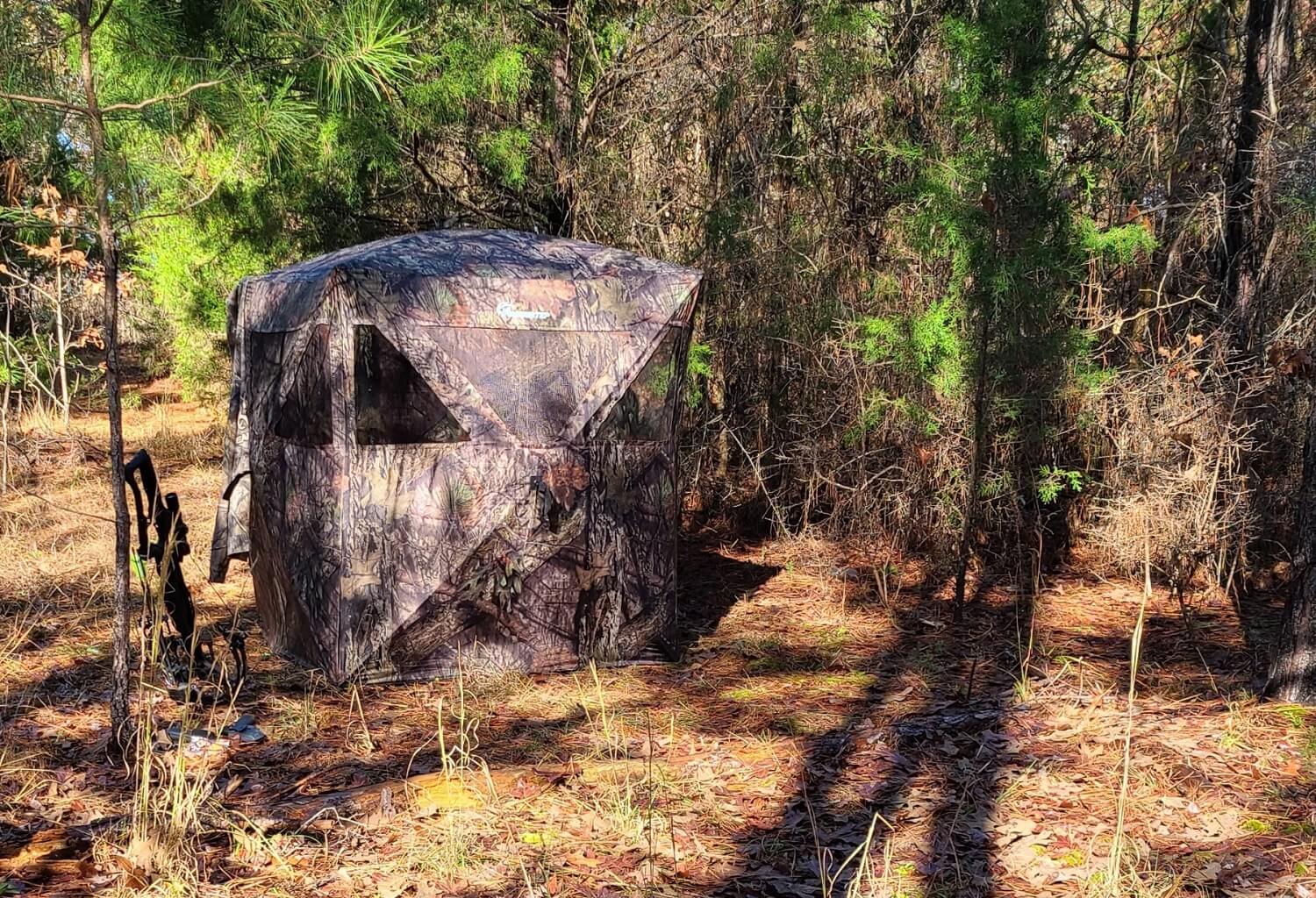
Because of tighter firearm regulations and higher population density, many hunters prefer hunting whitetail deer from a blind for improved concealment and safer shot opportunities.
🔫 U.S. Weapon Laws for Hunting (Important 2026 Update)
Weapon legality varies significantly:
- Rifles: widely allowed but caliber restrictions in some states
- Shotguns: commonly used for bird hunting
- Archery equipment: widely permitted, often extended seasons
- Suppressors: legal in some states with federal approval, restricted in others
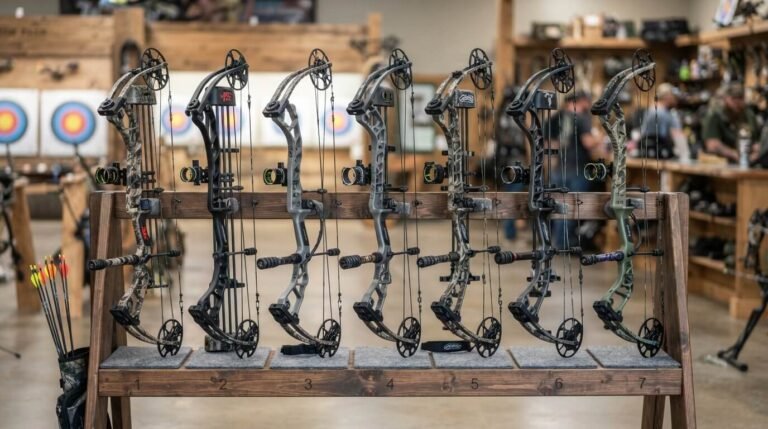
Archery seasons often provide hunters with additional opportunities, making quality equipment important. Our guide to the Best Compound Bows covers top options for modern bowhunters.
Crossbow regulations continue to evolve in many states, especially during archery seasons. Hunters can compare the Best Hunting Crossbows currently available before selecting equipment that meets local requirements. Speed requirements and legal hunting standards vary by jurisdiction, so it’s worth understanding how today’s Fastest Crossbows compare in terms of performance and hunting applications.
📅 U.S. Hunting Seasons Overview
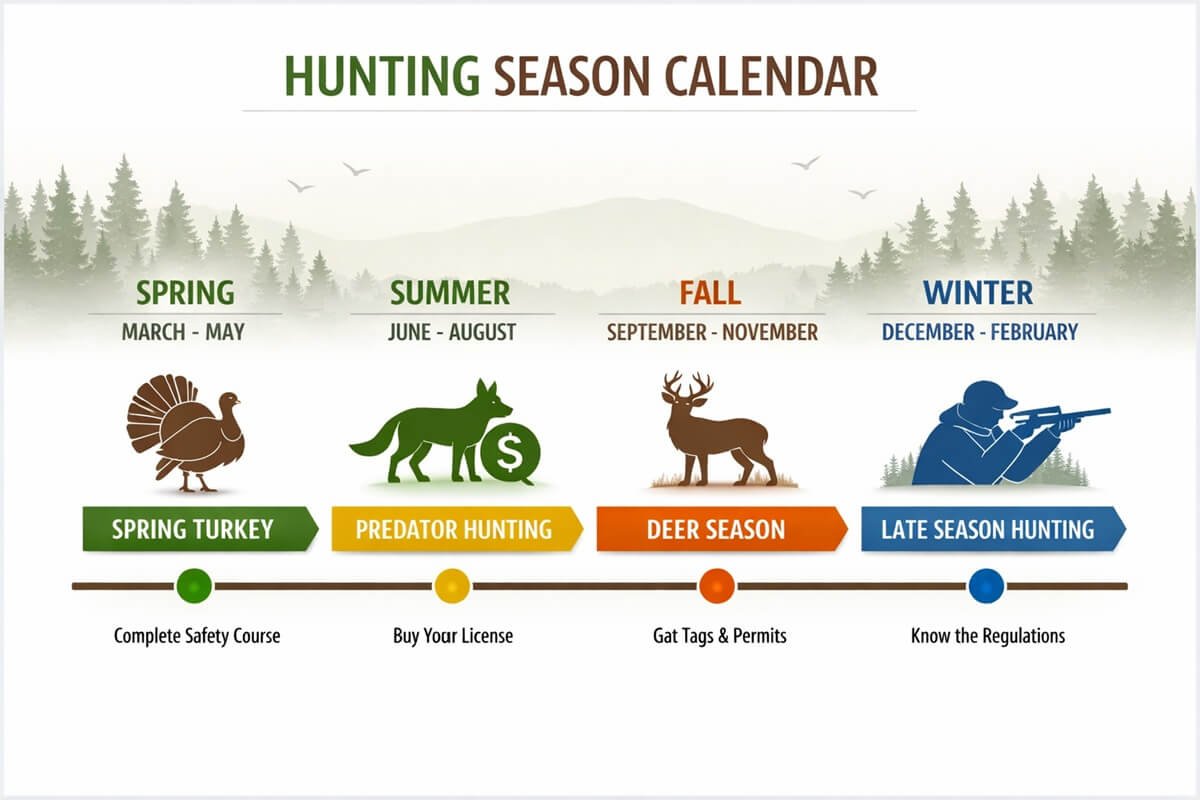
Typical seasonal structure includes:
- Spring: turkey hunting
- Summer: limited predator hunting in some states
- Fall: deer archery and rifle seasons
- Winter: late-season deer and predator hunting
🇨🇦 Hunting Laws in Canada
Canada regulates hunting at the provincial level, meaning each province sets its own rules.
🎟️ General Requirements:
- Provincial hunting license required
- Wildlife identification exams in most provinces
- Species-specific tags for big game
- Mandatory reporting in many regions
Key provinces:
🏔️ Alberta
- Known for elk, moose, and deer hunting
- Strong draw system for premium tags
🌲 British Columbia
- Diverse terrain and species
- Strict conservation zones
❄️ Ontario
- Heavy focus on deer and moose hunting
- Mandatory hunter education
🌿 Quebec
- Regulated hunting zones (ZEC system)
- Controlled access areas
🇬🇧 Hunting Laws in the United Kingdom
The UK has some of the strictest hunting regulations globally.
Key legal requirements:
- Firearm certificate or shotgun license required
- Landowner permission is mandatory
- No general public land hunting access
- Strong regulation of game species
Key species:
- Deer (various species)
- Game birds (pheasant, partridge)
- Small game
Important note:
Unlike North America, hunting in the UK is permission-based rather than land-access based.
🇦🇺 Hunting Laws in Australia
Australia regulates hunting at the state level, and many species are considered pest animals.
General rules:
- Firearm license required
- State-issued hunting permits
- Strict transport and storage laws for weapons
Common hunting focus:
- Feral pigs
- Deer (introduced species)
- Rabbits and pest animals
2026 trend:
Increased use of regulated pest control hunting programs in rural regions.
🇿🇦 Hunting Laws in South Africa
South Africa is known for both conservation-based and private game hunting.
Key rules:
- Hunting usually occurs on private game reserves
- Licensed professional hunting guides often required
- Strict permits for trophy hunting
- Strong conservation oversight
Species:
- Plains game (impala, kudu, zebra)
- Dangerous game (buffalo, etc. under strict control)
🇪🇺 Hunting Laws in Europe (Country-Based System)
Europe has highly fragmented hunting laws.
🇩🇪 Germany
- Mandatory hunting exam (“Jägerprüfung”)
- Strict firearm ownership rules
- Well-managed forestry hunting system
🇫🇷 France
- Hunting permits required
- Strong tradition of communal hunting groups
🇸🇪 Sweden
- Permit-based hunting rights
- Strong wildlife management zones
General EU trend:
- Strict education requirements
- Controlled seasons
- Strong conservation enforcement
⚖️ Universal Hunting Laws (Applies Almost Everywhere)
Despite differences, most countries enforce similar principles:
🧾 Licensing
A hunting license is required in nearly all regions.
📅 Seasons
Hunting is only allowed during specific legal windows.
🦌 Bag Limits
Strict limits on how many animals can be harvested.
🔫 Weapon Regulations
Different weapons are legal depending on species and region.
🏷️ Tagging & Reporting
Hunters must often report harvests for wildlife management.
🚫 Protected Species Laws
Some animals are completely illegal to hunt.
🚨 Common Hunting Law Violations (2026)
Many hunters unintentionally break laws due to complexity.
Most common violations:
- Hunting without a valid license
- Using the wrong weapon type for a species
- Hunting outside of legal season dates
- Exceeding bag limits
- Failing to tag harvested animals
- Hunting on private land without permission
Penalties can include:
- Fines
- License suspension
- Confiscation of equipment
- Criminal charges in severe cases
🧠 Key Differences: State vs Country Hunting Laws
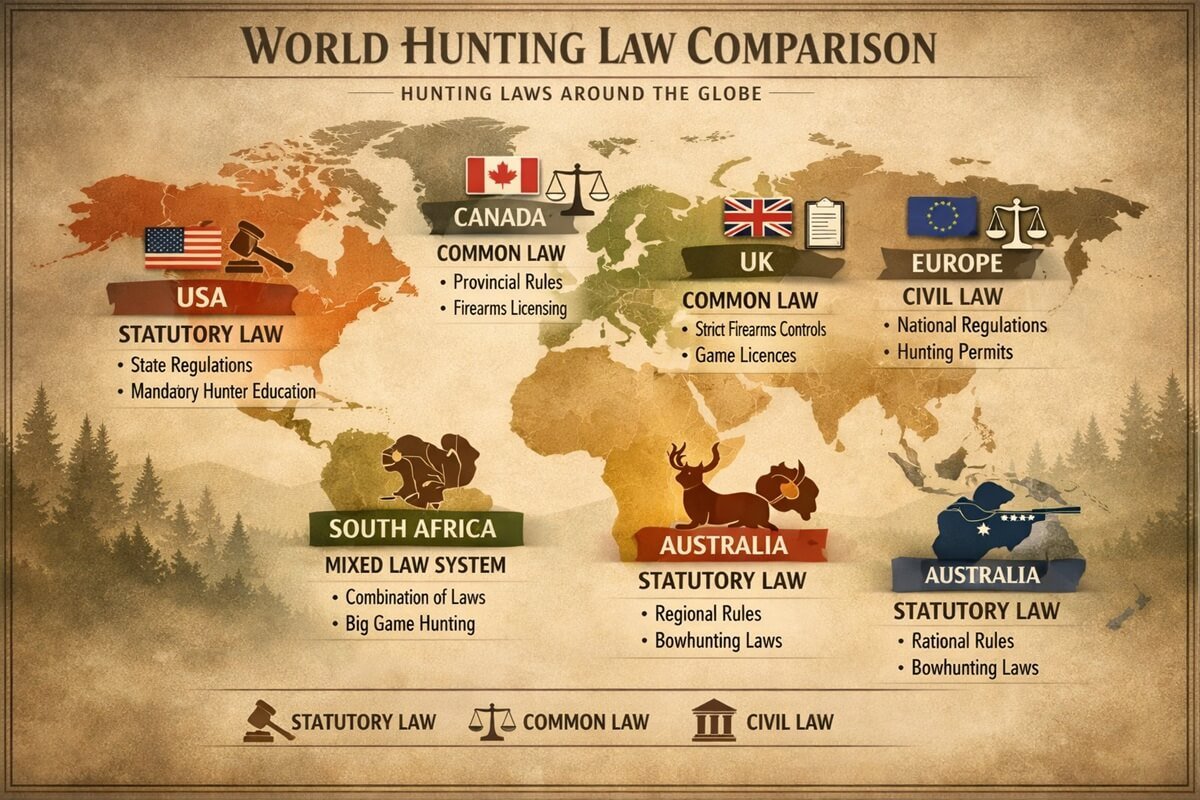
| Region | System Type | Complexity |
| USA | State-based | Very High |
| Canada | Provincial | High |
| UK | Permission-based | High |
| Australia | State + pest control | Medium |
| Europe | Country-based | High |
🔥 Final Thoughts
In 2026, hunting remains heavily regulated worldwide, and the complexity of laws continues to increase due to conservation efforts and wildlife management technology.
The most important rule for any hunter is simple:
Always check local hunting regulations before every season—laws can change yearly, and even small updates can make a big legal difference.
Whether you’re hunting deer in the Midwest, elk in the Rockies, or boar in Europe, understanding hunting laws is not just about compliance—it’s about responsible and sustainable hunting.
❓ FAQ: Hunting Laws by State & Country (2026)
🦌 Do hunting laws change from state to state in the U.S.?
Yes. In the United States, each state sets its own hunting regulations, including seasons, bag limits, licensing requirements, and legal weapons. Only a few federal rules apply nationwide, mainly for migratory birds and firearm restrictions.
🎟️ Do I need a hunting license in every state?
In most cases, yes. Nearly all U.S. states require a valid hunting license before you can hunt wildlife. Some states offer limited exemptions for landowners, youth hunters, or specific tribal lands, but tags are still usually required.
📅 Are hunting seasons the same across all states?
No. Hunting seasons vary widely depending on:
- Wildlife population
- Climate and migration patterns
- Conservation goals
For example, deer season in Texas differs significantly from deer season in Michigan or Pennsylvania.
🧑 What is the minimum age to hunt in the United States?
The minimum hunting age varies by state. Many states allow youth hunting under supervision, often starting between ages 10–12. However, some states require hunters to be older or complete hunter education before participating independently.
🔫 What weapons are legal for hunting?
Weapon legality depends on the state and species. Common legal options include:
- Rifles (with caliber restrictions in some states)
- Shotguns
- Archery equipment (bows and crossbows)
- Muzzleloaders
Some states restrict certain firearms, suppressors, or ammunition types. Specialized activities such as bowfishing may fall under separate regulations depending on the state. Hunters interested in this niche sport can explore the Best Bowfishing Bows for legal and effective setups.
🦌 What happens if you break hunting laws?
Penalties vary but may include:
- Fines
- Loss of hunting license
- Confiscation of equipment
- Criminal charges in severe cases
Illegal hunting (poaching) is treated seriously in all U.S. states and many countries.
🌎 Are hunting laws different outside the United States?
Yes. Countries like Canada, the UK, Australia, and those in Europe have entirely different systems:
- Canada: Provincial licensing system
- UK: Landowner permission required
- Australia: State-based pest control hunting
- Europe: Country-specific licensing and exams
🏷️ Why do hunters need tags in addition to licenses?
A hunting license allows you to hunt, but tags control how many animals you can harvest. Tags help wildlife agencies manage populations and prevent overhunting of specific species.
🚫 Can you hunt on public land anywhere?
No. Public land hunting depends on:
- State or provincial rules
- Local restrictions
- Seasonal closures
- Special permits in some areas
Even on public land, you must follow all hunting regulations.
📱 Are hunting regulations available online?
Yes. Most states and countries now publish updated hunting regulations online for each season, often including:
- Digital licenses
- Interactive season calendars
- Wildlife management maps