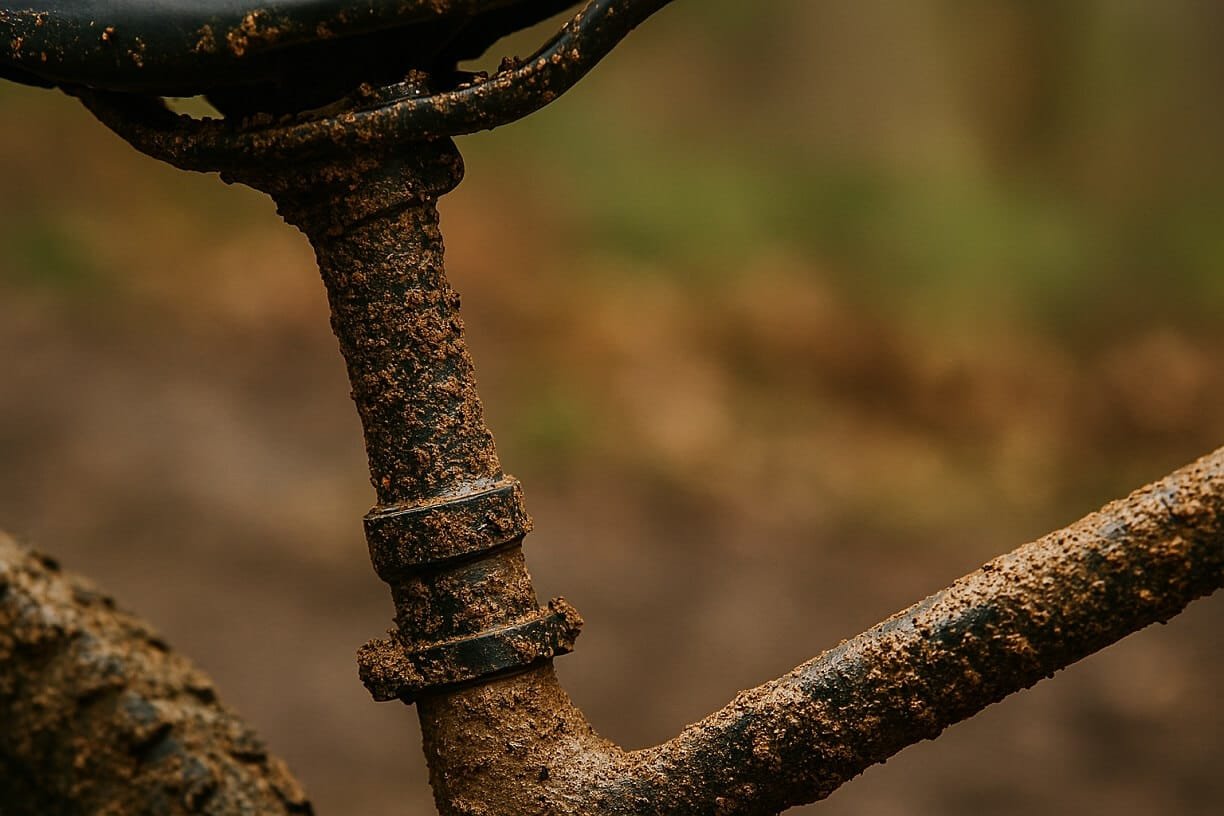
7 Dropper Post Care Tips for a Smooth & Reliable Ride

If you’re wondering how to maintain your dropper post for peak performance, you’re in the right place. Whether you’re bombing down muddy trails or cruising through dry singletrack, your dropper post is one of the most abused components on your bike — and often the most neglected. Riders clean their chains religiously, but the dropper post? It’s usually forgotten until it starts sticking, sagging, or failing mid-ride. Maintaining your dropper post isn’t just about avoiding mechanical issues — it’s about preserving ride quality, saving money on repairs, and extending the life of your gear. In this guide, we’ll walk you through everything: from basic cleaning to full teardown servicing, with pro tips, FAQs, and visual cues to keep things engaging.
🔧 Chapter 1: Understanding Your Dropper Post
Before we dive into dropper post maintenance tips, let’s break down what a dropper post actually is and how it works.
🧩 What Is a Dropper Post?
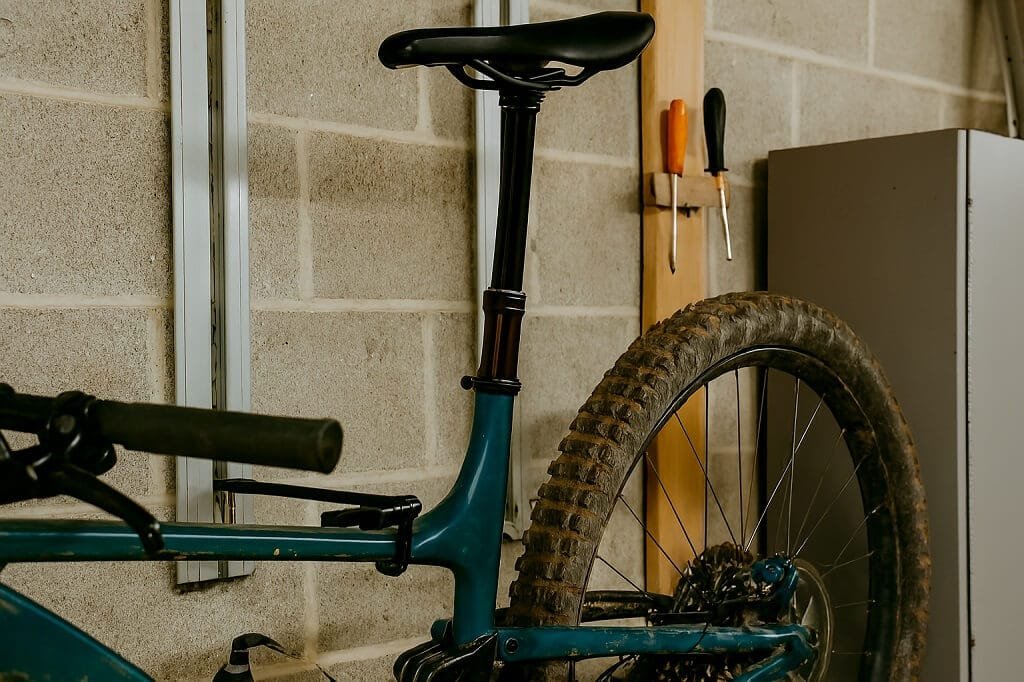
A dropper post is a height-adjustable seatpost that allows you to lower or raise your saddle on the fly using a remote lever. It’s a game-changer for technical terrain, letting you shift your center of gravity instantly.
If you’re still choosing your trail setup, read our detailed comparison of hardtail vs full suspension MTB to understand which bike benefits most from a dropper post.
⚙️ Types of Dropper Posts
- Cable-actuated: Uses a mechanical cable to trigger movement.
- Hydraulic-actuated: Uses fluid pressure for smoother operation.
- Wireless (electronic): High-end models like RockShox Reverb AXS use Bluetooth.
🧼 Chapter 2: Daily and Weekly Maintenance Routine
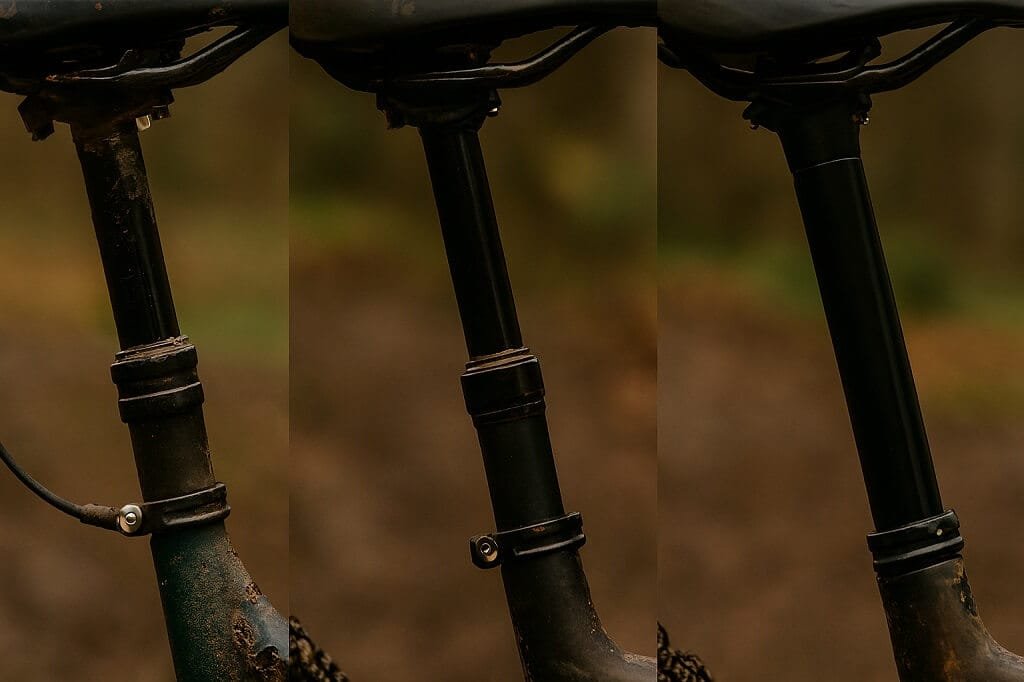
Let’s talk about how to clean and lubricate your dropper post — the foundation of good maintenance.
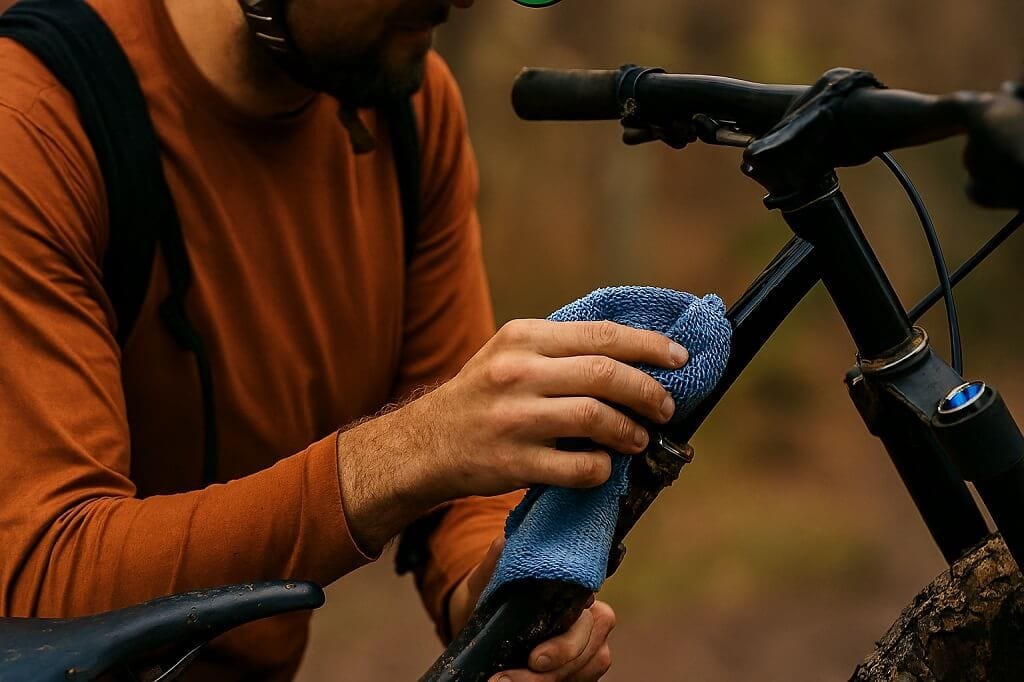
🧽 Post-Ride Cleaning (Daily)
- Wipe down the stanchion with a clean microfiber cloth.
- Inspect for dirt, grit, or scratches.
- Apply a light silicone-based lubricant to the stanchion.
🗓️ Weekly Checks
- Check cable tension (for cable-actuated models).
- Inspect the seal for wear or cracking.
- Test the return speed — it should be snappy, not sluggish.
🛠️ Chapter 3: Monthly Maintenance Checklist
This is where you go beyond surface-level care. Monthly maintenance ensures your dropper post stays buttery smooth.
🔍 Visual Inspection
- Look for oil seepage — a sign of internal seal wear.
- Check for play or wobble in the saddle clamp.
- Confirm that the post locks firmly at full extension.
🔧 Lubrication and Seal Cleaning
- Remove the seatpost from the frame.
- Clean the lower shaft and collar.
- Apply manufacturer-recommended grease or lube.
🧰 Chapter 4: Deep Service Intervals (Every 3–6 Months)
If you ride hard or in wet conditions, deep servicing is essential. Here’s how to service your dropper post at home or prep it for a shop visit.
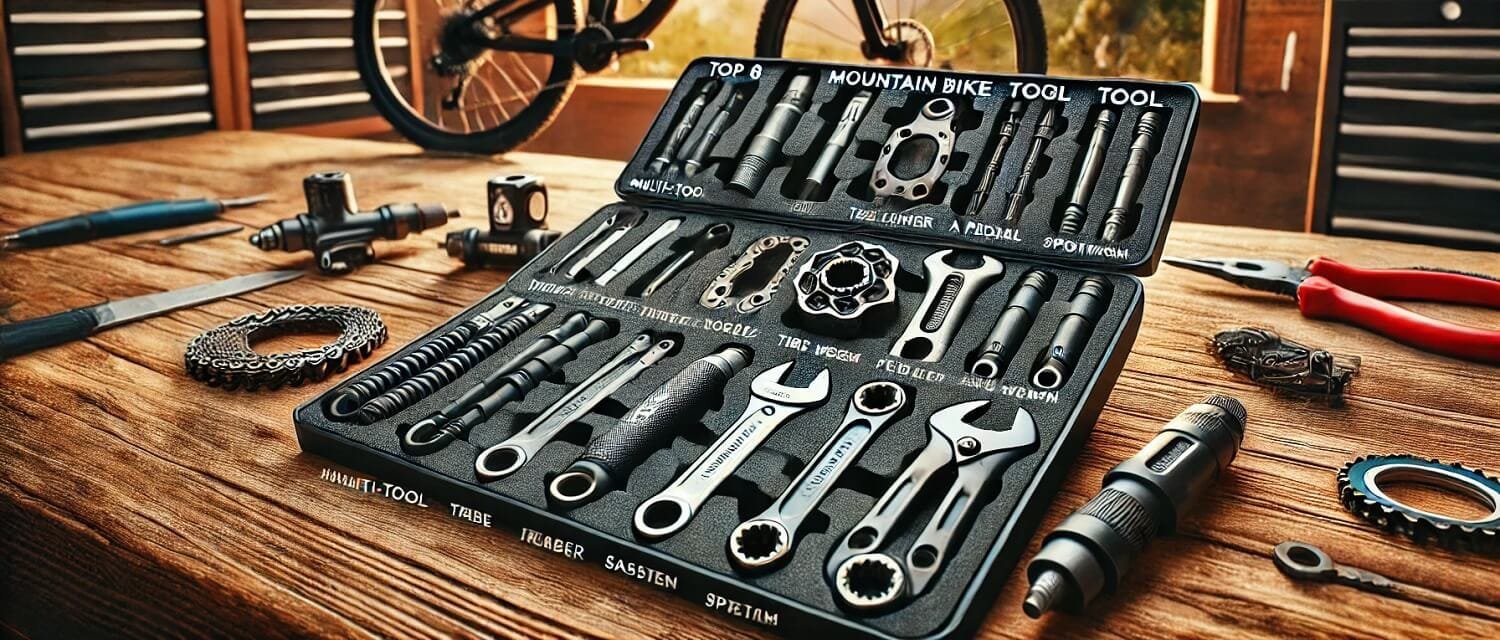
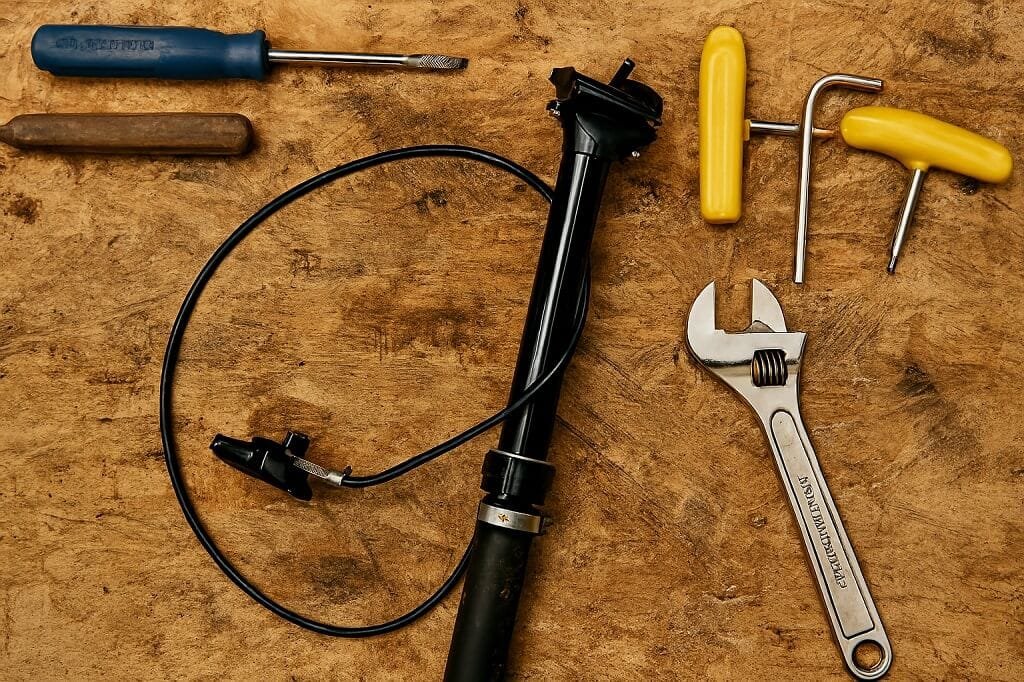
🛠️ Tools You’ll Need
- Allen keys
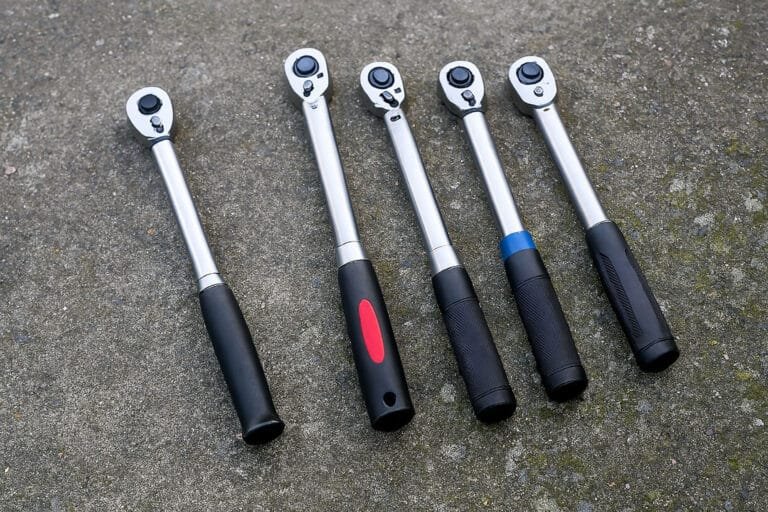
- Torque wrench
- Pick set
- Isopropyl alcohol
- Suspension grease
- Replacement seals (if needed)
🧪 Step-by-Step Teardown
- Remove the post and clean thoroughly.
- Disassemble the collar and upper bushing.
- Inspect internal cartridge (don’t open if sealed).
- Replace worn seals and re-grease.
- Reassemble with correct torque specs.
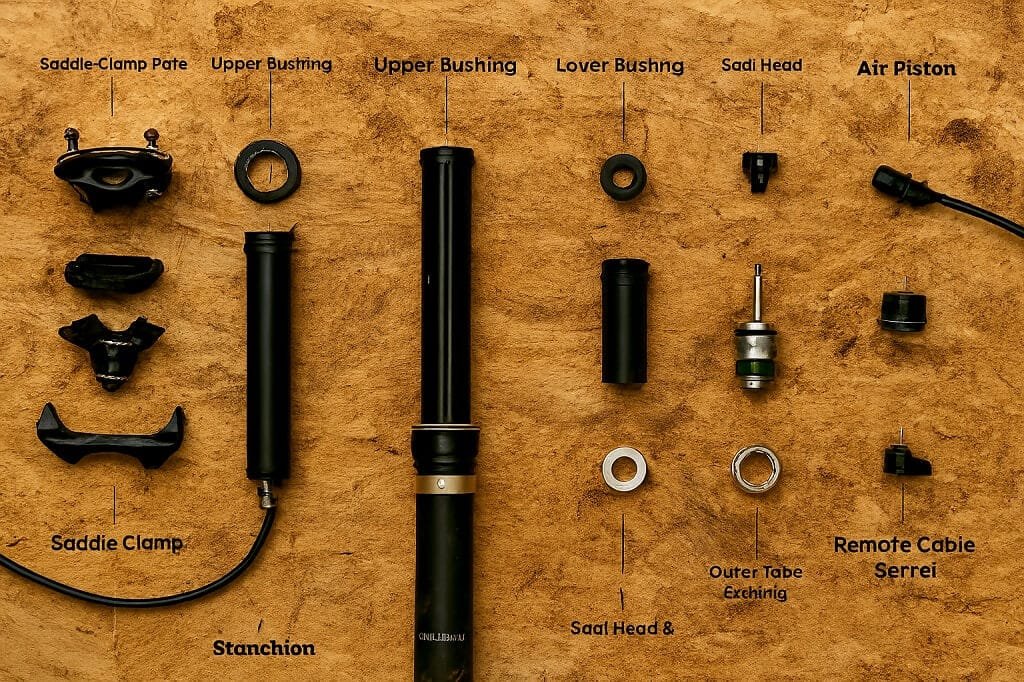
For precise torque values and professional workshop standards, visit the official resources from Park Tool.
🧠 Chapter 5: Pro Tips for Longevity
Want to prolong the life of your dropper post? These tips are gold.
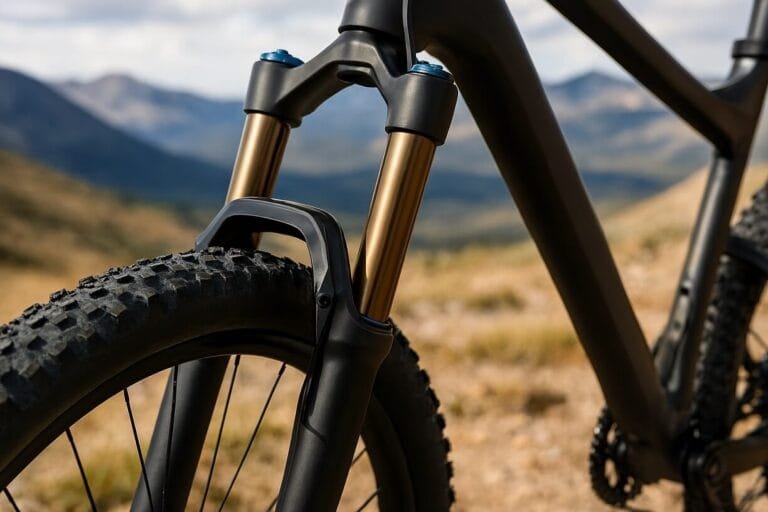
- Avoid clamping the stanchion in bike stands: Always clamp the lower part of the seatpost or frame instead. Clamping the stanchion can damage its smooth surface or internal components, leading to premature wear and poor performance.
- Don’t pressure wash near the seal area: High-pressure water can force dirt and moisture past the seals, contaminating the internal oil and causing corrosion. Use a gentle rinse or damp cloth around sensitive areas instead.
- Use frame protection tape to reduce grit ingress: Applying clear protection tape where the post meets the frame helps block dirt and grime from working their way into the seat tube, keeping the post’s movement smooth.
- Store your bike upright to prevent fluid pooling: Leaving the bike upside down or on its side for long periods can cause the internal oil to shift, which may lead to sluggish post action. Storing it upright keeps the internals balanced and ready to go.
❓ Chapter 6: FAQs About Dropper Post Maintenance
How often should I clean my dropper post?
Wipe it down after every ride, especially if you’ve been through mud, rain, or dusty trails. Regular cleaning helps prevent grit buildup that can damage seals and affect smooth operation.
What lubricant should I use?
Stick to silicone-based lubes or the suspension grease recommended by your dropper’s manufacturer. These keep the seals supple without attracting excess dirt or causing swelling.
Can I service my dropper post myself?
Definitely — basic maintenance like cleaning, lubrication, and inspecting seals is easy to do at home. However, a full cartridge rebuild or air pressure service is best handled by a professional shop.
Why is my dropper post slow to return?
A sluggish return can result from low cable tension, contaminated seals, or reduced internal air pressure. Start by checking the cable first, then clean and lube the stanchion before moving on to internal checks.
Is it normal for my dropper post to sag slightly?
No, sagging isn’t normal. It usually points to a worn or damaged seal, or a failing internal cartridge. In most cases, it’s time for a service or a cartridge replacement.
Should I grease the seat tube before installing a dropper post?
Yes — but it depends on your frame material.
Aluminum frame: Apply a thin layer of standard bike grease.
Carbon frame: Use carbon assembly paste instead.
This prevents seizing, reduces creaking, and protects the frame.
Why does my dropper post make a squishing or air sound?
A squishing or “slurping” sound often points to air contamination inside the hydraulic cartridge (common in hydraulic models). It may require a bleed procedure or internal service kit specific to your brand.