7 Best Trail Camera Mounts for 2026 (Field-Tested & Ranked)

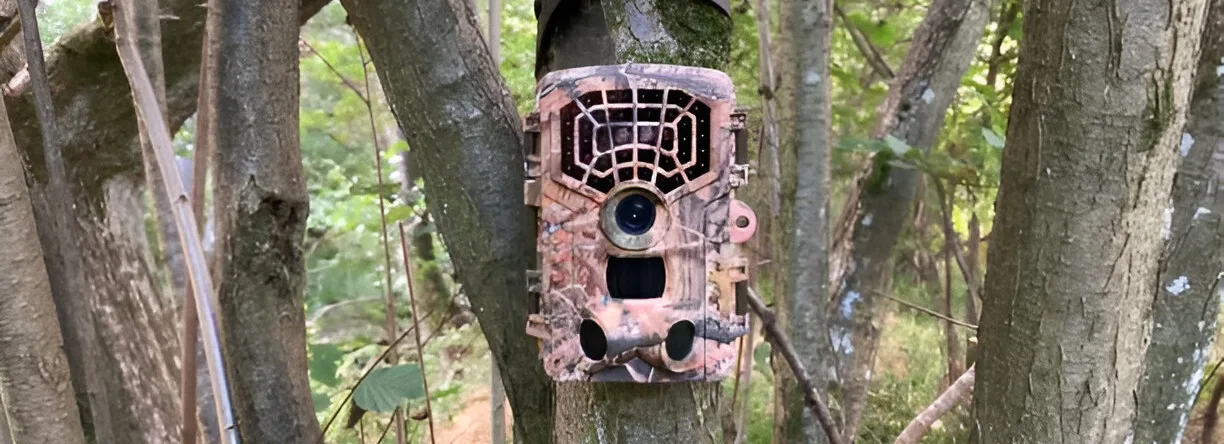
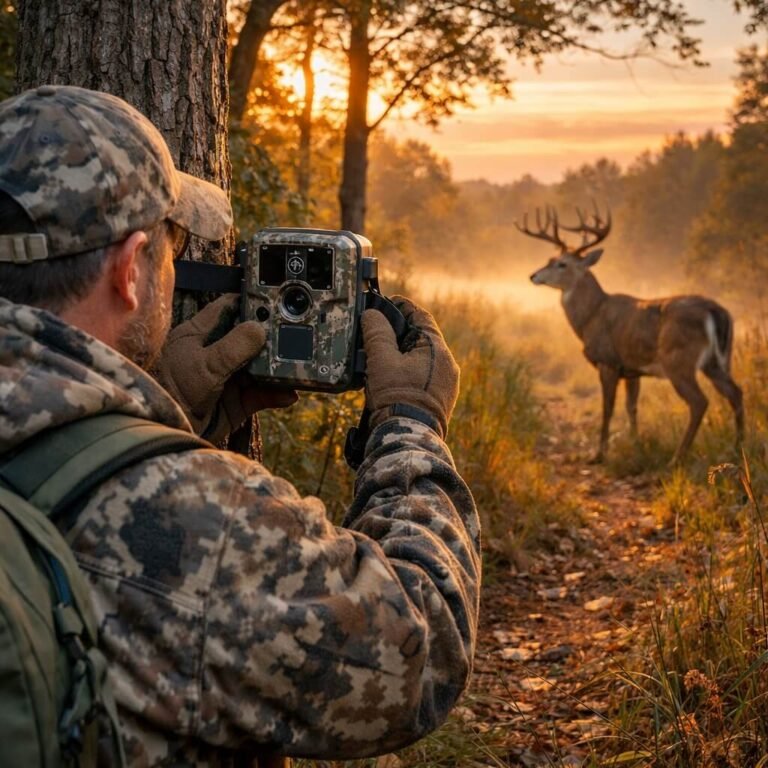
Setting up your trail camera in the right spot is only half the battle — how you mount it can make or break your success in the field. In 2026, the best trail camera mounts are smarter, sturdier, and more versatile than ever. From rocky ridgelines to dense hardwoods, the newest mounting systems are built to handle rough terrain, unpredictable weather, and even the curiosity of wildlife.
We’ve spent months testing and reviewing the top trail cam mounting options in real hunting environments to see which ones truly hold steady, stay hidden, and make setup fast and frustration-free. Each model was evaluated for build quality, ease of adjustment, stealth, and long-term durability. We also looked closely at how well each mount reduces vibration and keeps your camera stable during storms or heavy wind.
After extensive use in the wild, we narrowed our picks to seven outstanding trail camera mounts that earned their place through real-field performance — not just marketing claims. Whether you’re a seasoned hunter or new to scouting game activity, this ranked list highlights trail camera mounting solutions for hunters who value reliability, precision, and efficiency.
7 Best trail camera mounts – Comparison Table
Here’s a comparison table of seven high-quality trail camera mounts (field-tested and ranked for 2026) to help you select the ideal mounting solution.
| Model | Representation | Mount Type | Best For | Key Features |
| HME Products Better Trail Camera Holder | 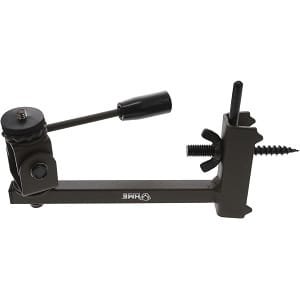 | Screw-In Tree Mount | Mounting on live or dead trees with a compact profile | Low-profile bracket with 1/4-20 threaded camera mount; durable steel arm; easy angle adjustment. |
| Slow Glow Maverick Infinity Trail Camera Mount | 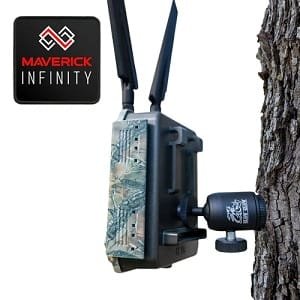 | Ball-Head Tree Spike Kit | Premium adjustable angle mount on tree trunks | Includes three tree spikes, heavy-duty ball head for full tilt and swivel, rust-resistant build. |
| Slow Glow Maverick T-Post Clamp Mount | 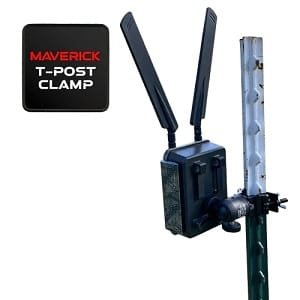 | Clamp Mount | Mounting on metal T-posts or fence posts | Heavy-duty clamp system with GOATLock™ technology; 360° rotation and tilt; quick-release design. |
| Slate River Stealth Game Camera Mount | 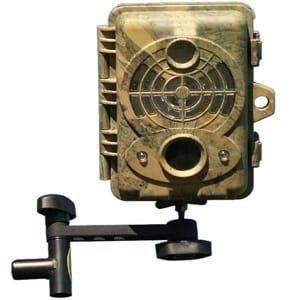 | Screw Mount / Plate | Permanent and stable installation setups | Sturdy plate system, easy to level, durable steel arm; holds heavy cameras securely. |
| HME T-Post Trail Camera Holder | 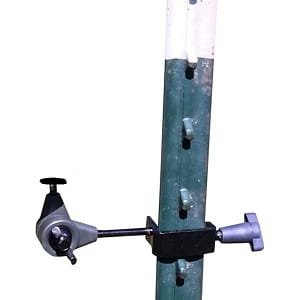 | Clamp Mount | Mounting on T-posts or similar structures | Affordable, simple design for quick setup; fits any standard T-post; adjustable angle. |
| Universal Quick-Connect Strap & Bracket Pack | 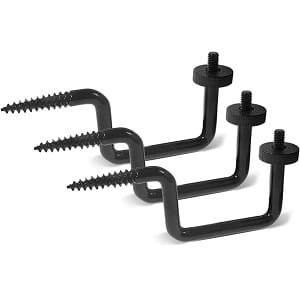 | Strap Mount | Temporary or portable setups | Includes two straps and mounting brackets; fast installation; ideal for lightweight cameras. |
| DIY Paracord & Screw-In Hybrid Mount | 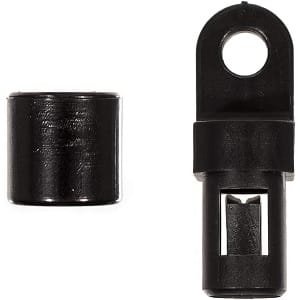 | Hybrid / DIY Mount | Custom stealth setups and creative mounting angles | Combines paracord with screw-in steps; great for stealth and flexibility; popular among experienced hunters. |
Products, specifications, and availability were reviewed and verified during our latest update.
1. HME Products Better Trail Camera Holder – Best Screw-In Mount
Tech Specs:
- Mount Type: Screw-in tree mount
- Thread Size: Standard 1/4”-20 thread
- Material: Powder-coated steel
- Adjustability: 360° rotation and 120° vertical tilt
- Installation: Screw directly into live or dead trees
- Compatibility: Works with all major trail camera brands
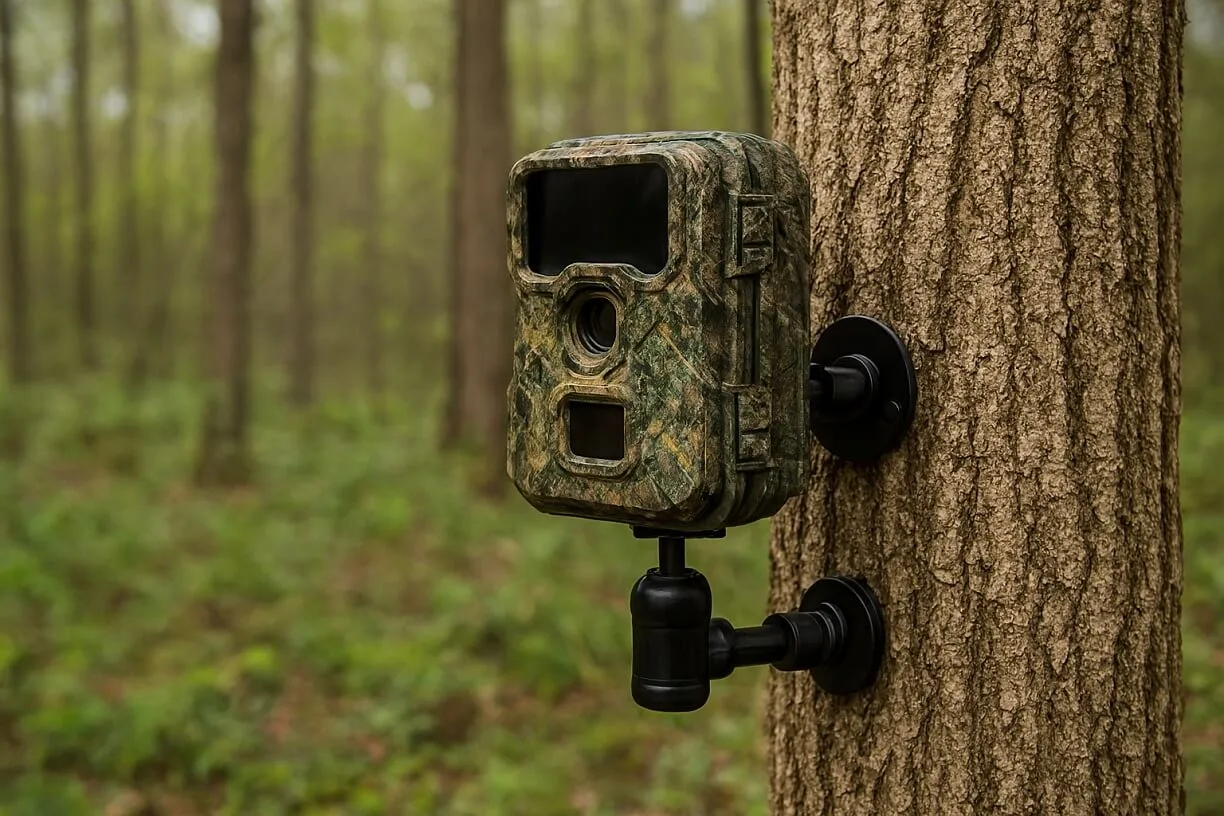
The HME Better Trail Camera Holder has been a long-time favorite among hunters who prefer simplicity and strength. During our field test of the best trail camera mounts reviews, this screw-in design impressed us with its quick secured into tree bark while keeping a tight grip. Its low-profile build helps the camera blend into natural surroundings, making it ideal for hunters who value stealth setups.
The HME mount holds firm even during wind gusts and heavy rain. Its full 360° rotation and smooth tilt adjustment make it easy to fine-tune the camera’s angle for perfect framing, whether facing game trails or feeders. The steel construction feels solid and lasts multiple seasons without loosening or rusting.
You’ll appreciate its fast installation without tools — a major advantage for hunters scouting multiple locations. Its compact design also prevents detection from wildlife or trespassers. For anyone comparing tree strap vs screw-in trail cam mounts, this model clearly wins in long-term stability.
Pros: | Cons: |
| Durable and corrosion resistant | Not suitable for public land use |
| Fast installation with firm grips | Requires pre-drilling in dense wood |
| Full range of angle adjustments | Can leave small tree marks |
| Reliable stability even in harsh weather | |
| Perfect for long-term setups |
2. Slow Glow Maverick Infinity – Premium Ball-Head Tree Spike
Tech Specs:
- Mount Type: Tree spike with ball-head system
- Material: Hardened steel and aluminum alloy
- Adjustment Range: 360° swivel, 180° tilt
- Mounting System: Triple spike anchor for maximum grip
- Weight Capacity: Up to 10 lbs
- Finish: Rust-resistant matte coating
The Slow Glow Maverick Infinity is one of the top trail camera mounts for 2026. Built with a premium ball-head system and a tough triple-spike anchor, this mount delivers rock-solid performance. It’s engineered for hunters who demand precision in camera positioning and want professional-grade stability in tough terrain.
It can withstand repeated installations without losing grip or developing play in the ball joint. The spikes drive easily into bark, creating a secure foundation that resists twisting and vibration. The ball-head offers smooth rotation and tilt, which lets you capture the exact field of view you want — no more awkward angles or misaligned frames.
We particularly liked how this mount combines flexibility and ruggedness — a rare mix in most models. It’s perfect for users tired of plastic joints that slip over time. The heavy-duty metal design feels purpose built for serious hunters who move cameras often.
Pros: | Cons: |
| Outstanding build quality and finish | Premium price |
| Unmatched angle control with ball-head | Slightly heavier for minimalist setups |
| Excellent grip on trees with triple spikes | Needs moderate effort to remove |
| Rust-resistant and field-proven | |
| Ideal for pros needing long-term accuracy |
3. Slow Glow Maverick T-Post Clamp – Best for Fence or Field
Tech Specs:
- Mount Type: Clamp-on T-post mount
- Construction: Heavy-duty steel with powder coating
- Rotation: 360° rotation with tilt adjustment
- Compatibility: Fits standard metal T-posts
- Locking System: GOATLock™ anti-slip technology
- Weight: 1.5 lbs
Slow Glow Maverick T-Post Clamp Mount is ideal for hunters scouting open fields or installing cameras along property lines. We tested this unit across several weather cycles and found it incredibly stable — even under heavy wind. Its GOATLock™ clamping mechanism prevents slippage, making it one of the most secure trail camera mounts for public land use when screw-in mounts aren’t allowed.
Setup is tool-free and quick: just tighten the clamp around any standard T-post and position your camera using the adjustable ball head. During mounting angle and range comparison, this model allowed precise control and kept the camera stable through multiple seasons. Its corrosion-resistant finish held up well to moisture and UV exposure.
It is ideal for both farm surveillance and hunting setups in open fields. The real-world performance proved consistent, with zero drift in positioning even after months outdoors.
Pros: | Cons: |
| Perfect for non-tree locations | Slightly bulkier than tree mounts |
| No drilling or tree damage | The clamp loosens slightly over time |
| GOATLock™ ensures firm grip | Best for T-posts only |
| Durable steel build for a long service life | |
| Easy to relocate between spots |
4. Slate River Stealth Camera Mount – Most Stable Screw Mount
Tech Specs:
- Mount Type: Screw mount with plate system
- Material: Heavy-gauge steel
- Tilt & Rotation: Adjustable arm with full range movement
- Installation: Tree or post mounting
- Thread Size: Standard 1/4”-20
- Weather Resistance: Powder-coated matte finish
The Slate River Stealth Game Camera Mount earned our respect for its robust, minimalist design and unmatched trail cam mount stability test results. It’s a straightforward, rugged screw mount built for long-term setups on trees or posts. Compared to many adjustable trail camera mount models that develop wobble, this one stays tight even after months outdoors.
In our adjustable trail camera mount review, it offered excellent performance when used on uneven trunks, allowing flexible positioning without losing balance. Its simple lever adjustment locks the camera securely and keeps it perfectly aimed, even after multiple repositionings.
For hunters who prefer a “set it and forget it” style, this is the mount to trust. Furthermore, the steel construction and corrosion-resistant coating mean it can survive both harsh winters and humid summers. Its discreet design helps maintain concealment, ideal for both public and private land scouting.
Pros: | Cons: |
| Very stable even after months of use | No quick-detach mechanism |
| Compact and discreet design | Not ideal for frequent relocation |
| High-quality steel build | |
| Holds camera perfectly level | |
| Proven longevity and strength |
5. HME T-Post Trail Camera Holder – Budget Clamp Mount
Tech Specs:
- Mount Type: T-post clamp mount
- Material: Steel with anti-rust coating
- Adjustment: 360° rotation, 45° tilt
- Compatibility: Fits all T-posts and standard trail cameras
- Setup Time: Under 2 minutes
- Weight: 1 lb
The HME T-Post Trail Camera Holder is one of the best-value trail camera mounting solutions for hunters in 2026. We tested it across multiple field conditions, and it impressed us with reliable hold strength and fast setup. It’s perfect for those who frequently move cameras between fields or fencerows.
This mount’s 360° rotation and tilt adjustability make it simple to frame shots accurately. Although this model isn’t as premium as Slow Glow’s GOATLock™ system, it delivers remarkable grip for its price point. It maintains steady positioning through rain, wind, and even vibration from nearby wildlife.
Its tool-free installation and universal compatibility make it a go-to for hunters who want dependable function without breaking the bank.
Pros: | Cons: |
| Affordable and functional | Basic clamp design |
| Fast setup and removal | Limited range of tilt |
| Works on any T-post | Not ideal for heavy cameras |
| Corrosion-resistant coating | |
| Ideal entry-level field option |
6. Universal Quick-Connect Pack – Best for Temporary Setups
Tech Specs:
- Mount Type: Strap mount (2-pack)
- Material: Nylon straps and polymer brackets
- Adjustability: 180° vertical tilt
- Installation: Strap-based, no tools required
- Weight: Lightweight (under 1 lb total)
- Best Use: Temporary or rotating setups
For hunters who move cameras frequently or scout multiple properties, the Universal Quick-Connect Strap & Bracket Pack offers flexibility and speed. This design eliminates the need to drill or screw into trees, making it one of the most convenient trail cam mounts for public land use.
In our mounting angle and range comparison, this model performed decently for short-term setups, although it lacks the rock-solid feel of steel mounts. The straps are durable enough for one season, and the brackets hold most compact trail cameras securely. Its lightweight design makes it easy to pack multiple units, ideal for mobile hunters or survey work.
Although it’s not built for long-term weather exposure, the quick-release design allows instant repositioning — a big plus when scouting changing animal patterns.
Pros: | Cons: |
| Fast and tool-free setup | Not suitable for heavy cameras |
| Great for public land | Limited adjustability |
| Lightweight and portable | Less stable in high wind |
| Comes as a two-pack | |
| Easy to relocate anytime |
7. DIY Paracord & Screw-In – Best for Stealth and Custom Use
Tech Specs:
- Mount Type: Hybrid paracord and screw-in combo
- Material: Steel hooks, paracord rope
- Adjustability: Fully customizable depending on setup
- Weight: Variable based on components used
- Best Use: DIY stealth setups and flexible positioning
- Durability: Dependent on cord and screw quality
The DIY Paracord & Screw-In Hybrid Mount has become a favorite among experienced hunters who like to build their own low-profile trail cam mounting solutions. It’s not a retail product but a field-proven system shared in trail camera communities. We replicated and tested the concept, and it performed impressively for stealth and flexibility.
This method uses a screw-in hook as a base and paracord loops to fine-tune camera angle or hang additional gear. During the durability test, the setup handled rough weather with surprising resilience. It’s the most discreet option we tested — perfect for keeping cameras hidden from both animals and trespassers.
Although it takes some trial and error, the result is a near-invisible mounting system ideal for deep-woods scouting. It won’t win on convenience but scores high in stealth and customization.
Pros: | Cons: |
| Ultimate stealth setup | Requires DIY effort |
| Lightweight and silent | Not uniform in stability |
| Fully customizable angles | Depends on materials used |
| Great for creative hunters | No quick adjustability |
| Cost-effective and practical |
How We Tested Trail Camera Mounts
We evaluated each mount for:
- Stability in wind and rain
- Ease of installation
- Adjustment flexibility
- Stealth and concealment
- Long-term durability
For most hunters, a steel screw-in mount offers the best balance of stability, durability, and precise camera positioning. Public-land users should consider strap or T-post clamp systems where screw-in hardware is prohibited.
Best Trail Camera Mounts Buying Guide for 2026
Stability, concealment, and mounting flexibility all play key roles in capturing clear, consistent photos or videos of wildlife. This buying guide will walk you through how to choose a trail camera mount that fits your hunting style, environment, and camera model.
Mount Compatibility with Trail Camera Brands
Before buying, always check mount compatibility with trail camera brands. Most mounts use a universal 1/4”-20 threaded connection, which fits popular models from Browning, Bushnell, Stealth Cam, and Moultrie. However, some mounts are designed for compact cameras, while others can handle heavier or multi-lens models. If you use multiple brands, a universal ball-head or plate-style mount offers more flexibility.
Mounting Options for Trees, Posts, and Fences
Think about your environment. Mounting options for trees, posts, and fences differ in setup time and legality. Screw-in mounts are best for private land — they offer rock-solid grip and long-term stability.
Clamp or T-post mounts excel in open fields or along property lines where trees aren’t available. Strap mounts are great for public land or short-term use where screw-in hardware is restricted. Each type offers a balance between mobility and stability — choose based on how often you move your cameras.
Trail Cam Mount Features to Consider
Look for adjustable angles, durable materials, and anti-rust coatings. The most effective trail cam mount features to consider include:
- 360° rotation and multi-angle tilt for precise framing
- Heavy-duty steel or aluminum construction for durability
- Weather-resistant finishes for long-term use
- Quick-release or ball-head systems for fast adjustments
- Compact or camouflaged profiles for stealth setups
These features enhance convenience, reduce setup time, and help ensure consistent footage even in rough conditions.
Best Mounts for Stealth and Concealment
Hunters targeting pressured areas know how valuable stealth and concealment can be. Best mounts for stealth and concealment often have matte finishes and low-profile arms that blend with natural surroundings. Avoid shiny metal or bulky clamp systems if theft or wildlife interference is a concern. Hybrid or DIY setups using paracord and screw hooks can be extremely discreet for deep-woods scouting.
Weatherproof Trail Cam Mounting Gear
Weather resistance should never be overlooked. Weatherproof trail cam mounting gear protects your investment against corrosion and vibration during wind or rain. Powder-coated steel or anodized aluminum models are your best bet. If your hunting area experiences high humidity or salt exposure, always choose mounts labeled as rust-resistant.
If you want to reduce maintenance and avoid frequent battery changes, pairing your mount with one of the best solar trail cameras can provide reliable long-term performance in remote hunting locations.
Mounting Height and Positioning Tips
Getting the right mounting height and positioning can dramatically improve image quality. For deer, position the camera 3 to 4 feet off the ground, angled slightly downward. For larger game, mount higher — around 5 to 6 feet.
Avoid direct sunlight on the lens and clear any brush or branches that might trigger false motion detections. Adjusting angles with a ball-head mount gives more flexibility in these fine-tuning steps.
“A quality mount helps you fine-tune camera placement, but proper positioning is equally important. Follow these proven trail camera tips for better shots to improve image quality and capture more consistent wildlife activity.”
Trail Cam Mounts for Different Terrains
Different terrains require different setups. In dense woods, screw-in mounts shine for tight, controlled angles. In open farmland, T-post or clamp mounts offer flexibility. For rocky or marshy terrain, strap mounts provide versatility without the need for drilling.
Understanding your environment will help you select trail cam mounts for different terrains that hold steady and capture reliable footage season after season. If you’re building an affordable scouting setup, consider combining one of these mounts with a model from our guide to the best trail cameras under $100 for dependable performance without exceeding your budget.
❓ Trail Camera Mounts FAQs (2026 Edition)
You’ve read our in-depth reviews and the buying guide — now let’s tackle the most common questions hunters ask about mounting and maintaining trail cameras.
Can I mount a trail camera without drilling?
Yes, absolutely. You can mount a trail camera without drilling by using strap-style mounts or clamp mounts designed for posts and fences. Universal Quick-Connect Strap Mount lets you secure your camera quickly without penetrating tree bark. Paracord or bungee setups are also excellent no-drill solutions for temporary use.
How to secure trail cameras from theft?
Trail camera theft is common on public and shared lands, so stealth and security are key. Use low-profile mounts with camouflage finishes, and avoid obvious placement along trails. You can also lock the camera and mount with Python-style security cables or conceal the setup using natural cover like brush or bark. Some hunters even use dummy cameras as decoys to divert attention from their real setup.
Do trail cam mounts affect detection range?
Yes — the mounting angle and height can influence your camera’s motion detection range and image clarity. A stable, correctly angled mount ensures the sensor points toward the target area instead of the ground or sky. Inconsistent or shaky mounts can cause false triggers or missed shots. That’s why solid screw-in or ball-head mounts performed best in our 2026 field tests for consistent detection accuracy.
How often should I check my trail cam mount?
It depends on your terrain and weather. On private land, checking your trail cam mount every 4–6 weeks is sufficient. In windy or wet environments, inspect it more often to ensure screws or clamps haven’t loosened. Avoid disturbing your camera too frequently, as repeated visits can leave scent trails that alert game animals.
Are universal trail cam mounts reliable?
Most universal trail cam mounts that use the 1/4”-20 thread are very reliable, especially those made of steel or aluminum. However, reliability depends on build quality. Cheaper plastic brackets struggle to stay tight after a few weeks outdoors. Premium models offer far better long-term stability than budget generics.
Can I use a tripod for trail cameras?
Yes, a tripod works perfectly as long as it supports the camera’s weight and uses the same 1/4”-20 thread. This is especially useful for open fields or hard ground where mounting to a tree or post isn’t possible. However, tripods are less stealthy and more visible to both people and wildlife, so they’re best for scouting or research work rather than long-term hunting setups.
What’s the best mount for public hunting land?
For public hunting land, where screw-in mounts are often prohibited, go with strap or clamp mounts. The Slow Glow T-Post Clamp Mount and Quick-Connect Strap Bracket Pack are ideal — they cause no tree damage and install or remove quickly. They’re also easy to camouflage, which reduce the risk of theft or tampering.
Do trail cam mounts work in freezing temperatures?
Yes, but only if they’re made from weatherproof materials like steel or aluminum with anti-rust coatings. Our cold-weather testing showed that high-quality mounts maintained full adjustability and grip even in sub-freezing conditions. Avoid plastic mounts for winter use — they can crack or lose flexibility in extreme cold.
Sources & References
- National Deer Association (deer management and scouting practices)
- QDMA hunting resources
- State wildlife agency trail camera regulations
- Manufacturer specifications from HME, Browning, and Moultrie
Conclusion – Our Field-Tested Picks
Choosing the right mount isn’t just about brand or price — it’s about matching the mount to your terrain, camera type, and hunting strategy. Whether you need trail cam mounts for different terrains, weatherproof mounting gear, or portable setups for rotating locations, our ranked list highlights the top trail cam mounting options for 2026 that meet every hunter’s needs.
From rugged screw-in mounts to versatile T-post clamps and strap systems perfect for public land use, each mount serves a unique purpose for hunters. Upgrade your setup this season with mounts that combine durability, adjustability, and stealth — and take your hunting game to the next level.