Is it Cheating to Use Wireless Trail Cameras?

Trail cameras have become increasingly popular among hunters and wildlife enthusiasts for monitoring animal activity, scouting hunting areas, and observing wildlife behavior. But is it cheating to use wireless trail cameras when hunting?
The answer depends largely on how the technology is used, particularly when real-time information gives hunters an immediate advantage. In this guide, we’ll examine the ethical debate, fair-chase concerns, responsible uses, and practical guidelines for using wireless trail cameras without compromising hunting ethics.
How Are Wireless Trail Cameras Used?
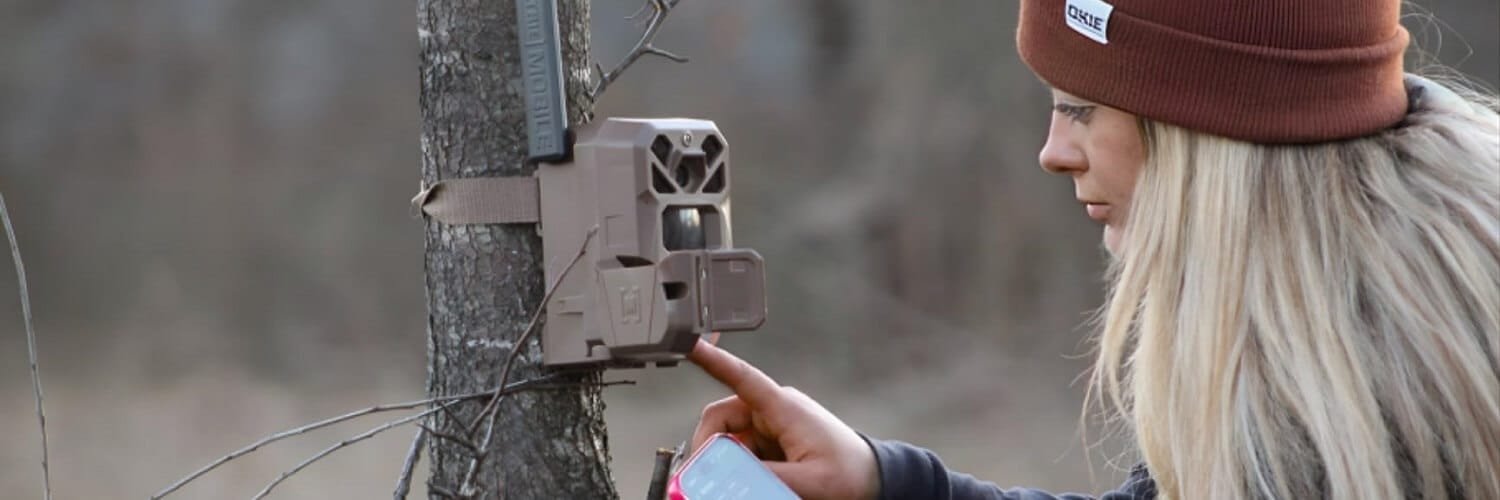
Wireless trail cameras are used for hunting, wildlife research, and property security. Hunters can use them to scout for game animals and determine their patterns of movement.
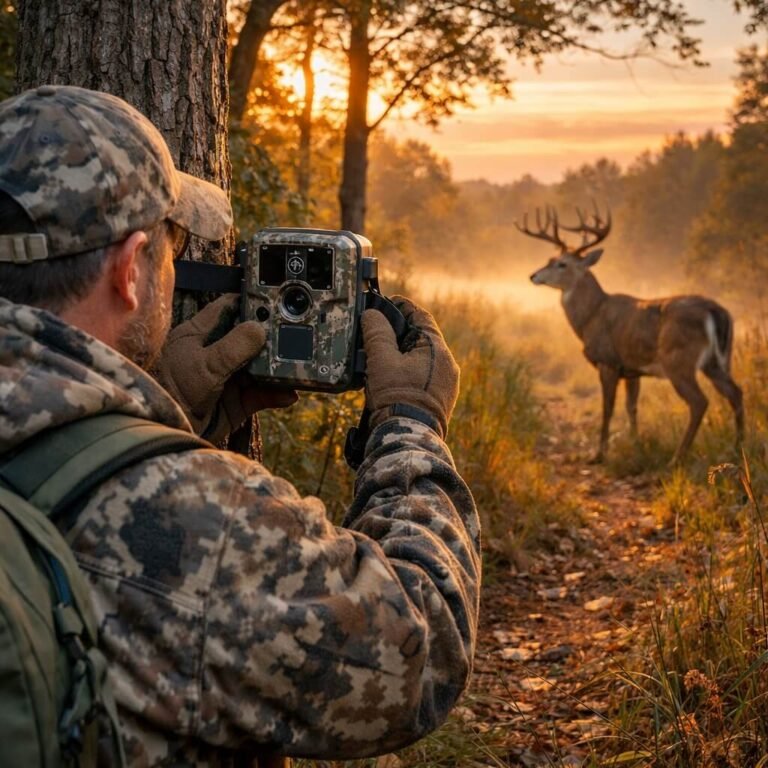
For example, learning how to position cameras around turkey travel routes can help hunters gather useful information before the season begins. Wildlife researchers can use them to monitor populations and behavior. And property owners can use them to deter intruders and monitor activity on their land.
Arguments for Using Wireless Trail Cameras:
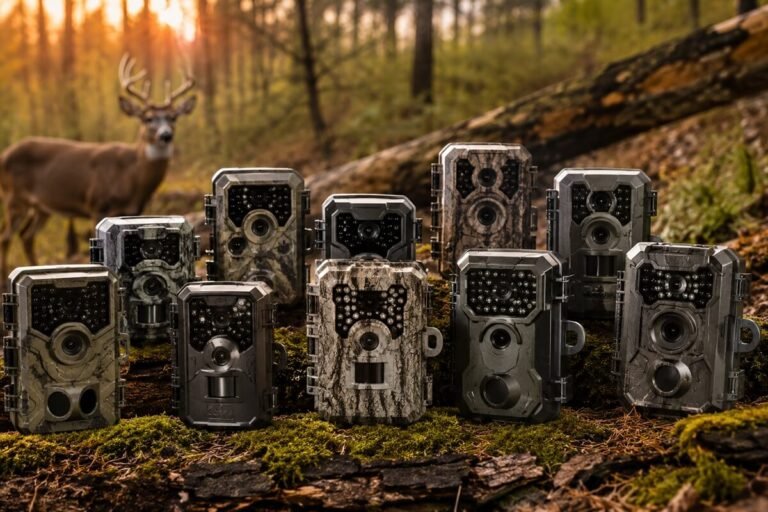
- Help Improve Hunting Success: By providing hunters with information about the location and movement of game animals, wireless trail cameras can help to increase their chances of success. For hunters on a budget, choosing a reliable trail camera under $100 can also provide a practical way to monitor wildlife without investing in an expensive setup.
- Collect Valuable Data for Wildlife Research: Wireless trail cameras can be used to monitor populations, behavior, and habitat use of wildlife species.
- They Can Help Prevent Crime: Wireless trail cameras can be used to monitor property and deter intruders. This prevents crime.
Arguments Against Using Wireless Trail Cameras:
- Give Hunters an Unfair Advantage: Some people argue that using wireless trail cameras gives hunters an unfair advantage over other hunters who do not use them.
- They Can Be Used to Harass Wildlife: Wireless trail cameras can be used to locate and harass wildlife, which can be harmful to their well-being.
- They Can Be Used to Invade Privacy: Using wireless trail cameras to monitor people without their consent is a violation of privacy. Everyone has the right to privacy.
The Ethical Use of Wireless Trail Cameras
The advent of wireless trail cameras has revolutionized the way we observe and interact with wildlife. However, with this powerful tool comes the responsibility to use it ethically. Let’s explore the ethical considerations surrounding wireless trail cameras.
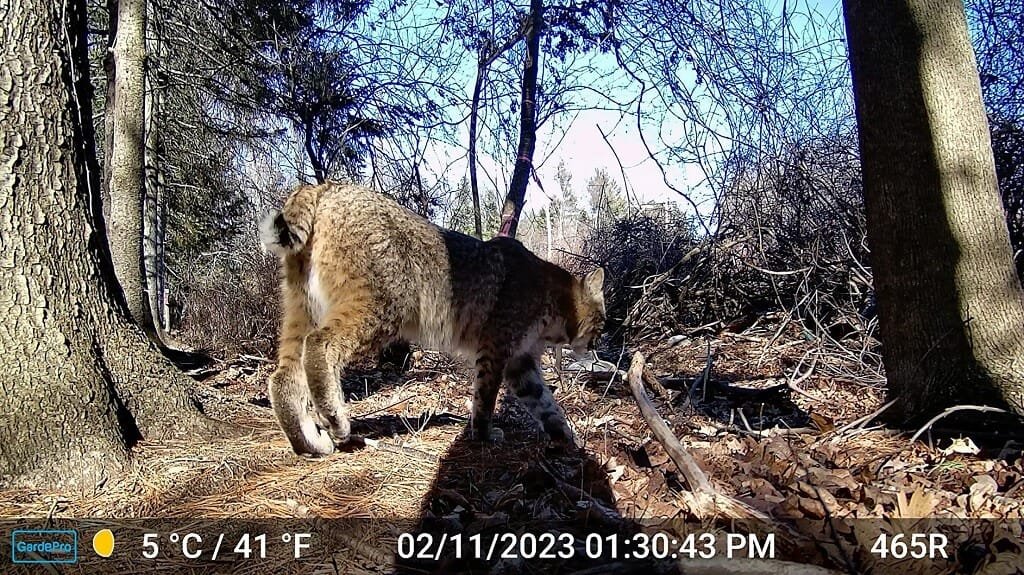
Understanding the Ethical Debate
The primary ethical concern surrounding wireless trail cameras is the potential for unfair advantage in hunting. Some argue that real-time monitoring of wildlife movements can compromise the principles of fair chase. Knowing an animal’s exact location and behavior helps hunters gain an advantage. However, it’s important to distinguish between ethical and unethical use. Many hunters and wildlife enthusiasts utilize trail cameras for legitimate purposes.
Ethical Guidelines for Wireless Trail Camera Use
To ensure the ethical use of wireless trail cameras, consider the following guidelines:
Fair Chase Principles:
- Avoid Real-Time Hunting: Refrain from using real-time data from trail cameras to immediately pursue and harvest an animal.
- Respect the Animal’s Natural Behavior: Avoid practices that manipulate or disrupt an animal’s natural behavior.
- Prioritize Skill and Effort: Strive to rely on traditional hunting skills and strategies, rather than solely on technological advantages.
Wildlife Conservation:
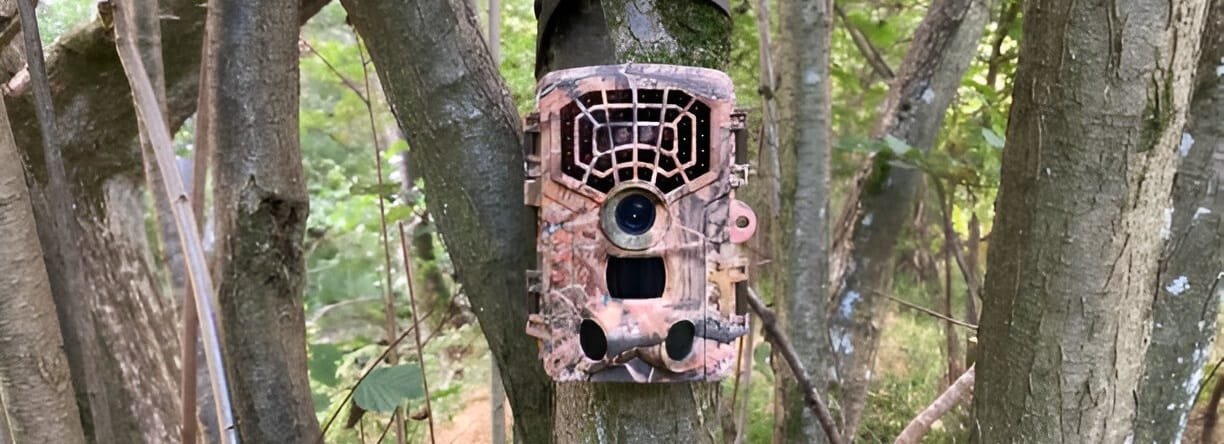
- Minimize Disturbance: Place cameras strategically to minimize disturbance to wildlife, especially during sensitive periods like breeding and rearing young. Furthermore, using a secure mounting system helps keep the camera stable and correctly positioned while limiting the need for repeated adjustments.
- Share Data Responsibly: Share data with wildlife management agencies or conservation organizations to support research and conservation efforts.
- Avoid Harassing Wildlife: Never use trail cameras to harass or harm animals intentionally.
Landowner Permissions:
Always check your state and local regulations before placing or using a trail camera. Local hunting and trail camera regulations can vary depending on the type of land and wildlife being monitored.
- Obtain Consent: Always seek permission from landowners before placing trail cameras on their property.
- Respect Property Rights: Adhere to local laws and regulations regarding property access and wildlife management.
Privacy and Security
- Avoid Intrusion: Use trail cameras responsibly to avoid invading the privacy of others, including neighbors and hikers.
- Secure Data: Protect personal information and sensitive wildlife data from unauthorized access.
Balancing Technology and Tradition
Wireless trail cameras offer a valuable tool for understanding and appreciating wildlife. Following ethical guidelines and fair chase principles ensures responsible use of this technology and supports conservation. Remember, the true essence of hunting and wildlife observation lies in the challenge, the skill, and the respect for the animal. Let’s use technology as a tool to enhance our experiences, not diminish them.
Frequently Asked Questions About Wireless Trail Cameras
Can you use a wireless trail camera on public land?
Whether you can place a wireless trail camera on public land depends on the land-management agency and local regulations. Some public lands restrict or prohibit trail cameras, while others allow them under specific conditions. Before installing one, check the current rules for the specific national forest, wildlife management area, state land, or other public property.
Do wireless trail cameras work without Wi-Fi?
Yes. Most wireless trail cameras do not require a traditional Wi-Fi connection. Cellular trail cameras use a mobile network to transmit photos or videos to a phone or online account. This makes them useful in remote areas, although coverage and an appropriate cellular plan are usually required.
How much data does a cellular trail camera use?
Data consumption varies considerably depending on how many photos and videos the camera captures, the resolution of transmitted files, and how frequently images are uploaded. A camera that sends hundreds of high-resolution photos or videos can use substantially more data than one configured to transmit occasional low-resolution images.
Can wireless trail cameras work in areas with poor cell service?
A cellular trail camera generally needs adequate cellular coverage to transmit images remotely. It can still capture photos when the signal is unavailable, depending on the model and storage configuration, but those images may not be transmitted until connectivity is restored. Checking network coverage before installation can prevent unexpected performance problems.
How long do wireless trail camera batteries last?
Battery life depends on temperature, trigger frequency, transmission settings, cellular signal strength, image or video settings, and battery type. Frequent triggers and repeated cellular transmissions can consume considerably more power than occasional photo captures. Cold weather can also reduce practical battery performance.
Can a Solar-Powered Trail Camera Be Used for Long-Term Wildlife Monitoring?
Yes. A solar-powered trail camera can be a practical option for long-term wildlife monitoring because its solar panel can help maintain the battery between visits. This is especially useful when monitoring remote properties where regularly changing batteries is inconvenient. However, performance depends on sunlight exposure, weather conditions, panel placement, battery capacity, and how frequently the camera captures and transmits images.
Can trail cameras detect people as well as animals?
Yes. Trail cameras are motion-triggered devices and can photograph people, vehicles, pets, and other moving objects in addition to wildlife. Camera placement and detection settings therefore matter if the camera is being used near roads, trails, neighboring properties, or areas where people regularly travel.
Should trail cameras be hidden from other people?
Keeping a trail camera discreet can reduce theft, vandalism, and accidental interference, but concealment should never be used to justify monitoring people where privacy expectations apply. Avoid pointing cameras toward houses, campsites, frequently used recreation areas, or other locations where recording people could create privacy concerns.
Can wireless trail cameras be used ethically for wildlife photography?
Yes. Ethical wildlife photography with trail cameras generally involves minimizing disturbance, respecting private property, avoiding sensitive wildlife locations, and following applicable laws and land-management rules. Remote cameras can provide observations that would be difficult to obtain through repeated human presence, provided they are used responsibly.
Conclusion: Is It Cheating to Use Wireless Trail Cameras?
The debate over whether using wireless trail cameras counts as cheating often comes down to personal opinion. What truly matters is using them with care and responsibility. When handled ethically, these cameras can be a valuable tool that benefits both wildlife and the people who enjoy the outdoors. If you follow the tips above, you can ensure they’re used in a way that respects nature and enhances the experience for everyone.