Bowhunting in Wind: 6 Tips for Better Accuracy

Bowhunting is a challenging and rewarding sport that requires skill, patience, and precision. One of the most considerable challenges bowhunters face is shooting accurately in windy conditions. Bowhunting in wind can affect arrow flight, making it difficult to hit your target consistently.
However, with the right techniques, equipment, and mindset, you can improve your bowhunting accuracy in windy conditions. This comprehensive guide will cover everything you need to know to master the art of bowhunting in the wind.
What Wind Is Really Like in the Field
From practical bowhunting experience, windy conditions can be more challenging than they initially appear. The biggest difficulty is not always the wind moving the arrow; gusts can also make it harder to maintain a steady bow, hold your sight picture, and judge whether conditions are consistent enough for a shot. I’ve found that watching how the wind behaves around the entire hunting area—not just at the stand—provides a much better picture of what the arrow may encounter.
Practicing with the same bow, arrows, and broadheads you use for hunting also makes it easier to recognize when a wind adjustment is within your normal shooting ability and when conditions are better left alone.
Table of Contents
- Understanding the Impact of Wind on Bowhunting
- How Wind Affects Arrow Flight
- Factors That Influence Wind’s Impact
- Choosing the Right Equipment for Windy Conditions
- Bow Selection
- Arrow Selection
- Broadhead Selection
- Stabilizers and Other Accessories
- Techniques for Shooting in the Wind
- Proper Stance and Form
- Adjusting Your Aim
- Timing Your Shot
- Reading the Wind
- Practice Strategies for Windy Conditions
- Simulating Windy Conditions
- Drills to Improve Accuracy
- Mental Preparation
- Field Tips for Hunting in the Wind
- Choosing the Right Hunting Spot
- Using Natural Wind Breaks
- Wind Direction and Scent Control
- Advanced Tips and Tricks
- Using Technology to Your Advantage
- Wind-Reading Tools
- Adjusting for Crosswinds and Gusts
- Common Mistakes to Avoid
- Overcompensating for Wind
- Ignoring Environmental Factors
- Neglecting Equipment Maintenance
- Conclusion
1. Understanding the Impact of Bowhunting in Wind

How Wind Affects Arrow Flight
Wind can have a significant impact on the trajectory of your arrow. When wind blows against the side of your arrow, it creates drag, causing the arrow to drift off course. The degree of drift depends on the wind’s speed, direction, and the arrow’s weight and design. A strong crosswind can push your arrow several inches off target, even at relatively short distances. Also, wind can cause your bow to move slightly. This will affect your aim. Even a small movement can result in a missed shot, especially when hunting at longer ranges.
Factors That Influence Wind’s Impact
Several factors influence how much wind affects your shot:
- Wind Speed: The faster the wind, the more it will affect your arrow’s flight.
- Wind Direction: Crosswinds have the most significant impact, while headwinds and tailwinds have less effect.
- Arrow Weight: Heavier arrows are less affected by wind than lighter ones.
- Arrow Design: Arrows with smaller diameters and more streamlined fletching are less susceptible to wind drift.
- Distance to Target: the farther the target is, the more the wind will affect your arrow’s trajectory.
Factors That Influence Wind’s Impact:
| Wind condition | Main concern | Practical approach |
| Light breeze | Minor arrow drift | Maintain normal form and verify your setup |
| Moderate crosswind | Horizontal drift | Use your practiced wind adjustment |
| Gusty wind | Unpredictable arrow flight and bow movement | Wait for a consistent lull |
| Strong, inconsistent wind | Poor shot predictability | Consider passing on the shot |
2. Choosing the Right Equipment for Windy Conditions
Bow Selection
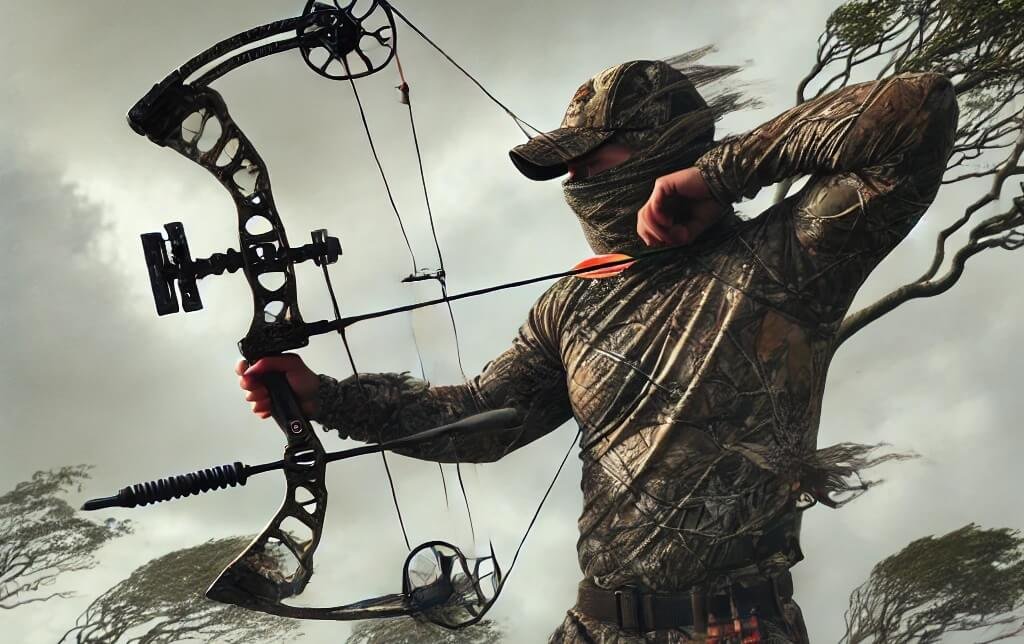
When hunting in windy conditions, your choice of bow can make a difference. Compound bows can be advantageous in windy conditions because many modern setups produce relatively high arrow speeds and offer substantial stability when properly balanced.
However, the shooter’s form, bow setup, arrow configuration, and wind conditions often matter more than bow type alone. Traditional bows can also be effective if you practice and make the necessary adjustments.
- Draw Weight: A higher draw weight will result in faster arrow speeds, reducing the time the arrow is in the air and thus minimizing wind drift.
- Bow Stability: Look for a bow with good stability and balance. A well-balanced bow is easier to hold steady in windy conditions.
Arrow Selection
Choosing the right arrows is critical for shooting accurately in the wind.
- Arrow Weight: Heavier arrows are less affected by wind. Consider using arrows with a higher grain weight.
- Arrow Diameter: Smaller diameter arrows have less surface area for the wind to act upon, reducing wind drift.
- Fletching: Larger fletching can help stabilize the arrow in flight, but it can also create more drag. Experiment with different fletching sizes to find the right balance.
Before hunting, verify that your hunting arrows and broadheads consistently group with your normal practice setup. A setup that shoots well with field points but behaves differently with broadheads should be tuned before you rely on it in windy conditions.
Broadhead Selection
Broadhead design can influence arrow flight, particularly at longer distances or in strong crosswinds. Fixed-blade broadheads require careful tuning because their larger surface area can expose weaknesses in arrow flight. Mechanical broadheads can offer a more streamlined profile in flight, but hunters should choose a broadhead that is legal in their area and proven to shoot accurately with their specific setup.
Stabilizers and Other Accessories
Stabilizers can help reduce bow movement caused by wind. A longer stabilizer can provide more stability, but it may also make your bow bulkier. Experiment with different lengths and weights to find the right balance for your setup.
3. Techniques for Shooting in the Wind
Proper Stance and Form
Maintaining proper form is crucial when shooting in windy conditions. A stable stance will help you absorb any movement caused by the wind.
- Feet Position: Stand with your feet shoulder-width apart, perpendicular to the target. This stance provides a stable base.
- Body Alignment: Keep your body aligned with the target. Avoid leaning into the wind, as this can throw off your balance.
- Grip: Hold the bow with a relaxed grip. A tight grip can cause the bow to torque, affecting your shot.
Adjusting Your Aim
In windy conditions, you may need to adjust your aim to compensate for wind drift.
- Windage Adjustment: If the wind is blowing from the left, aim slightly to the left of the target, and vice versa. The amount of adjustment depends on the wind speed and distance to the target.
- Elevation Adjustment: Wind can also affect the arrow’s elevation. A headwind will cause the arrow to drop more, while a tailwind will cause it to drop less. Adjust your aim accordingly.
Timing Your Shot
Timing is crucial when shooting in the wind. Wait for a lull in the wind to take your shot. If the wind is gusty, try to time your shot between gusts.
Ethical Shot Decision
Wind should never push you into taking a shot you’re not confident you can execute. If conditions are beyond what you’ve practiced for, wait for a better opportunity rather than forcing the shot. Knowing when to pass is just as important as knowing how to make a wind adjustment.
Reading the Wind
There is no universal wind-speed limit that makes a bowhunting shot safe or accurate. Your effective limit depends on your bow, arrow setup, shooting distance, terrain, gust pattern, and ability to maintain a stable shooting position. Rather than relying on a specific number, practice in progressively stronger winds and establish a personal threshold beyond which you will not take a shot.
4. Practice Strategies for Windy Conditions
Simulating Windy Conditions
To prepare for hunting in the wind, practice shooting in windy conditions. If you don’t have access to natural wind, you can simulate it using fans or other devices.
Drills to Improve Accuracy
- Wind Drift Drills: Set up targets at different distances and practice adjusting your aim for wind drift.
- Timing Drills: Practice timing your shots between gusts of wind.
- Stability Drills: Practice holding your bow steady in windy conditions.
Mental Preparation
Shooting in the wind can be mentally challenging. Stay focused and confident in your abilities. Visualize successful shots and practice positive self-talk.
5. Field Tips for Hunting in the Wind
Choosing the Right Hunting Spot
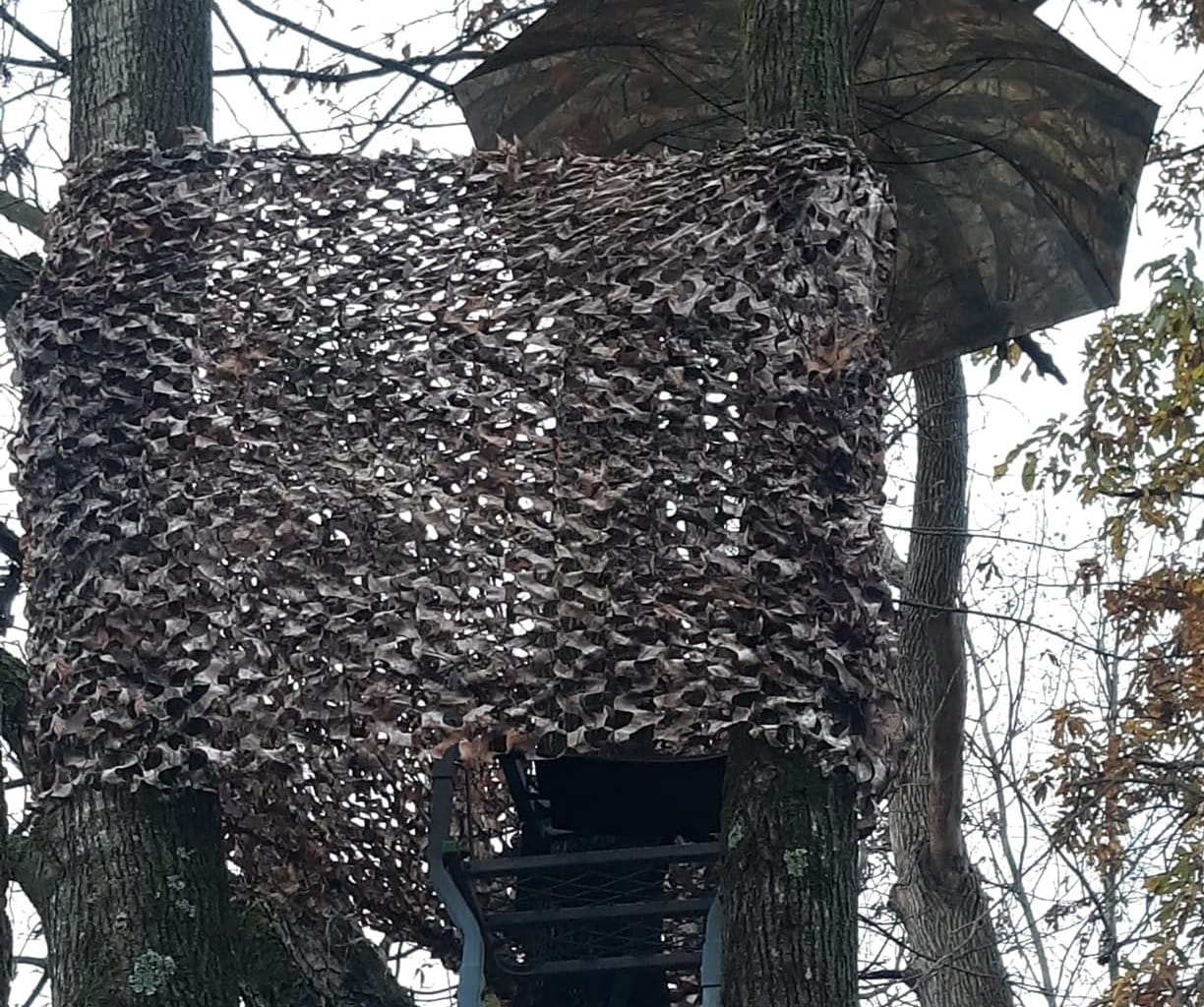
When hunting in windy conditions, choose a spot that offers some protection from the wind. Look for natural windbreaks like trees, rocks, or hills.
Using Natural Wind Breaks
Position yourself behind natural windbreaks to reduce the wind’s impact on your shot. This will also help conceal your movement from the game.
Wind Direction and Scent Control
Pay attention to the wind direction to avoid being detected by your game. Use the wind to your advantage by positioning yourself downwind of the game.
Always check your state or provincial wildlife agency for current bowhunting regulations, legal equipment requirements, season dates, and minimum broadhead specifications.
6. Advanced Tips and Tricks
Using Technology to Your Advantage
Consider using a rangefinder with angle compensation to help you adjust for wind and elevation. Some rangefinders also have built-in wind meters.
Wind-Reading Tools
Use wind-detection powder or a wind meter to gauge wind speed and direction. These tools can help you make more accurate adjustments.
Adjusting for Crosswinds and Gusts
Crosswinds and gusts can be particularly challenging. Practice shooting in these conditions and learn to make quick adjustments.
Common Mistakes to Avoid
Overcompensating for Wind
One common mistake is overcompensating for wind drift. This can result in missed shots. Practice and experience will help you make more accurate adjustments.
Ignoring Environmental Factors
Don’t focus solely on the wind. Consider other environmental factors like temperature, humidity, and terrain, which can also affect your shot.
Neglecting Equipment Maintenance
Ensure your equipment is in top condition. Check your bow, arrows, and broadheads regularly for any signs of wear or damage.
Frequently Asked Questions About Bowhunting in Wind
Does wind affect bowhunting scent more than arrow flight?
For many bowhunters, wind direction can be just as important for scent management as it is for arrow flight. Wind can carry human scent toward game even when your shooting position is otherwise well protected. Before entering or setting up a hunting area, consider the prevailing wind and how terrain, vegetation, and changing weather may alter its direction.
Is it better to hunt from a ground blind on windy days?
A ground blind can provide some protection from wind and reduce the effect of wind on your body and bow. However, placement still matters. A blind positioned where wind funnels, swirls, or changes direction frequently may not solve the problem. Check the wind around the blind before and during the hunt rather than assuming the structure will provide consistent protection.
Can windy weather change deer movement?
Yes. Wind can influence how deer use cover and move through an area, although movement patterns vary with terrain, temperature, hunting pressure, and other weather conditions. Instead of assuming that strong wind will always increase or decrease deer activity, observe local conditions and look for protected travel routes, bedding areas, and food sources that provide useful cover.
Should bowhunters change their hunting location when the wind changes?
A changing wind can make an otherwise productive stand less suitable, particularly if it begins carrying your scent toward the area where you expect the game to approach. If the wind becomes inconsistent or shifts toward a direction that compromises your setup, relocating may be more effective than continually trying to compensate from the same position.
Does cold weather combine with wind change bowhunting conditions?
Cold temperatures can make maintaining consistent shooting form more difficult, particularly when bulky clothing restricts movement or gloves change how you interact with the bow. Combined with wind, these factors can make a familiar setup feel different. Practice with the clothing and equipment you expect to use during the hunt so you know how they affect your shooting routine.
Conclusion
Bowhunting in windy conditions is challenging, but with the right techniques, equipment, and practice, you can improve your accuracy and increase your chances of success. Remember to stay patient, stay focused, and always be prepared to adapt to changing conditions. If you follow the tips and strategies outlined in this guide, you’ll be well on your way to becoming a more effective and confident bowhunter, even in the windiest conditions.
Happy hunting!