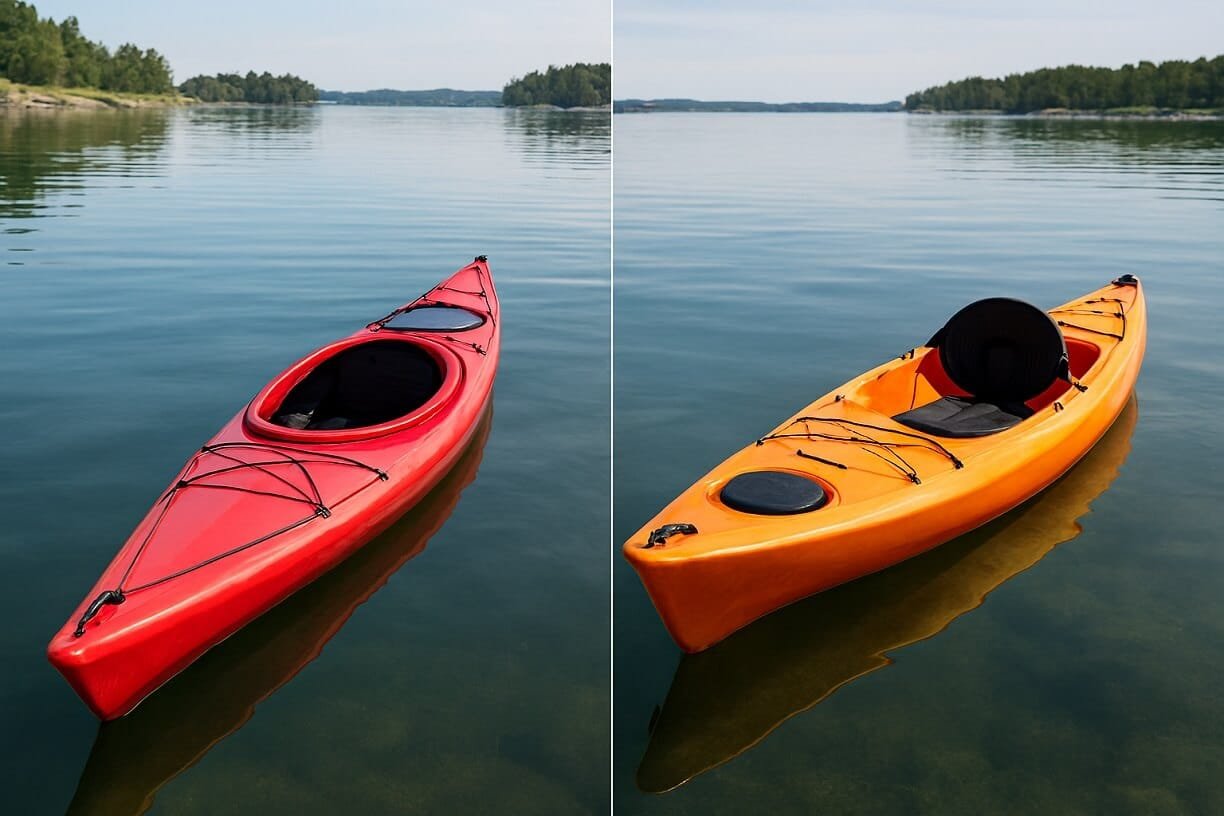
Sit-In vs Sit-On-Top Kayaks: Which Is Better for You?

Let’s start with a fun one — if kayaking were a pizza, would you go for the closed-crust classic or the open-face favorite? That playful question pretty much sums up the great “Sit-In vs Sit-On-Top Kayaks” debate. Both have their charm, quirks, and die-hard fans. One gives you a snug, protected ride perfect for colder waters, while the other keeps things breezy and open, ideal for warm-weather adventures and easy exits.
In this guide, we’ll chat through everything — from what each type actually is to how they perform in different conditions, what kind of paddler each suits best, and even how they handle storage, stability, and comfort. Think of it as your personal walkthrough to understanding kayaks in plain language, with no confusing jargon.
By the end, you’ll know exactly which kayak style matches your needs, whether you’re chasing calm lake mornings, coastal waves, or lazy river trips. Ready to find your perfect paddling partner? Let’s dive in!
What Are Sit-In and Sit-On-Top Kayaks?
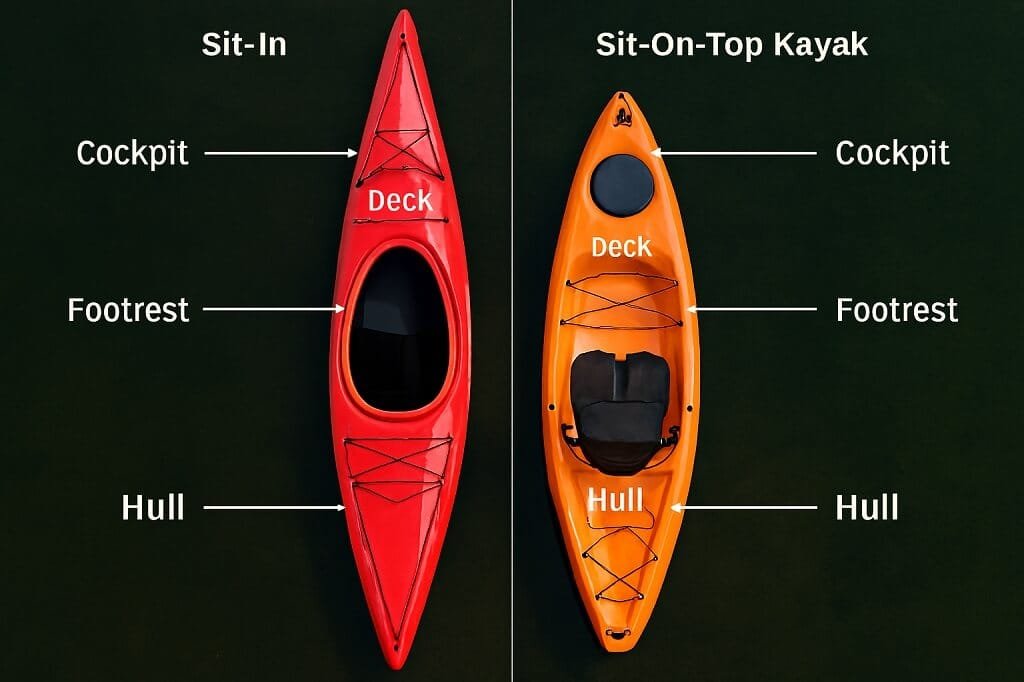
1. Sit-In Kayaks (or “Enclosed Cockpit” / “Traditional”)
In a sit-in kayak, you sit inside the hull: your legs extend beneath a deck, often to footrests, and your thighs or knees may brace against the kayak’s interior walls. The opening (cockpit) is covered by a rim (coaming) and sometimes can be sealed with a sprayskirt to reduce water intrusion.
These are the classic style kayaks: sea kayaks, touring kayaks, whitewater kayaks, etc., often use the sit-in design for control, efficiency, and weather protection.
2. Sit-On-Top Kayaks (or “Open Deck”)
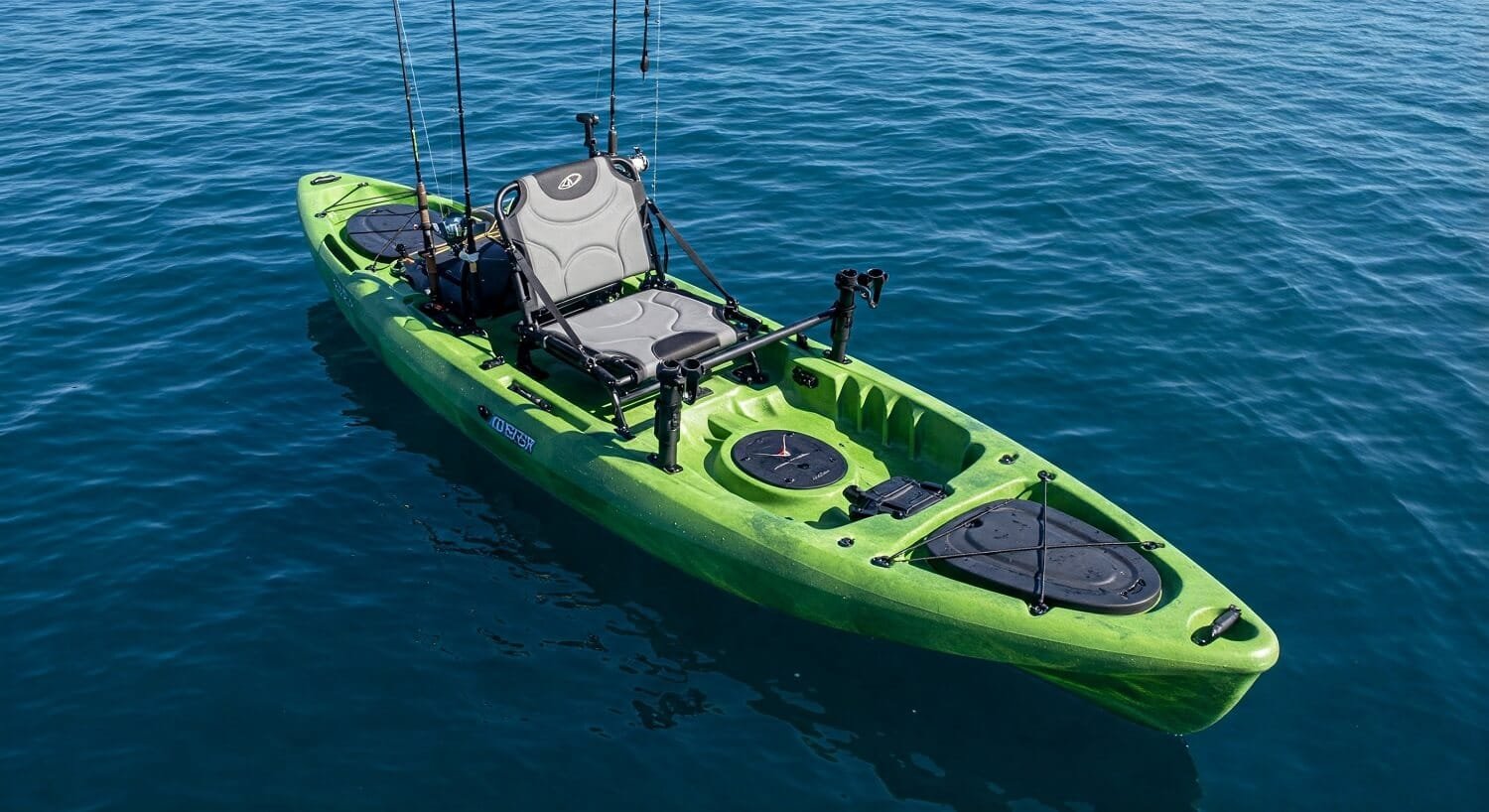
In a sit-on-top kayak, you sit on top of the deck, in a molded seat or recess. The kayak has no enclosed cockpit; instead, it is open to the sky. Because of that, any water on deck (from waves or splashes) drains out via scupper holes (drain holes) that lead from the deck down through the hull.
One advantage: if you flip, it’s much easier to re-mount from the water. There’s no cockpit barrier to get out of. Thus, “Sit-In vs Sit-On-Top Kayaks” is the fundamental structural difference. But what does that create in real use? Let’s explore.
Key Differences: Side-by-Side Comparison
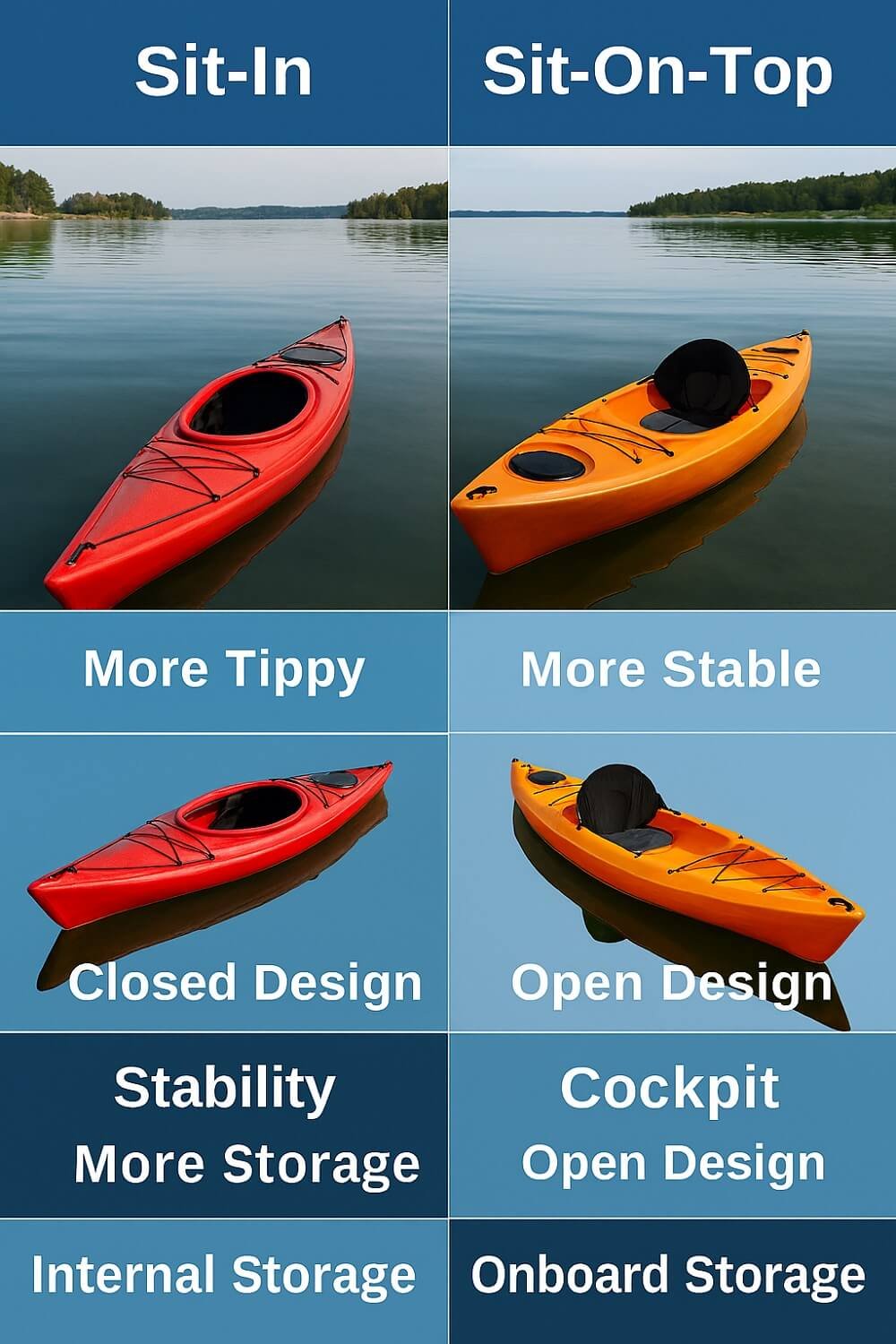
Here’s a table summarizing the major differences at a glance:
| Feature | Sit-In Kayak | Sit-On-Top Kayak |
| Cockpit | Enclosed, interior space under deck | Open, deck-level seating (no cockpit) |
| Wetness / Exposure | More protected, can use sprayskirt | More exposure; you’ll likely get wet |
| Entry/Exit | More tricky, especially in deep water | Easier: you can climb on/off from water |
| Self-Rescue | More difficult, may require roll or re-entry skills | Easier to re-enter after capsize |
| Stability (initial) | Lower center of gravity, good secondary stability | Often wider and more stable initially |
| Speed & Performance | Typically faster, sleeker for touring | Slower, bulkier for stability |
| Storage | More enclosed storage, dry compartments | More open deck space, but can be more exposed |
| Suitability for cold water | Better — less exposure, can be drier | Less favorable (you’ll feel the cold) |
| Ease for beginners / mobility issues | Harder | Easier (especially for novices) |
You can embed an image or side-by-side visual right here (e.g. photo of a sit-in next to a sit-on-top) to break up the table. (Place your image code here.)
Pros & Cons of Sit-In Kayaks
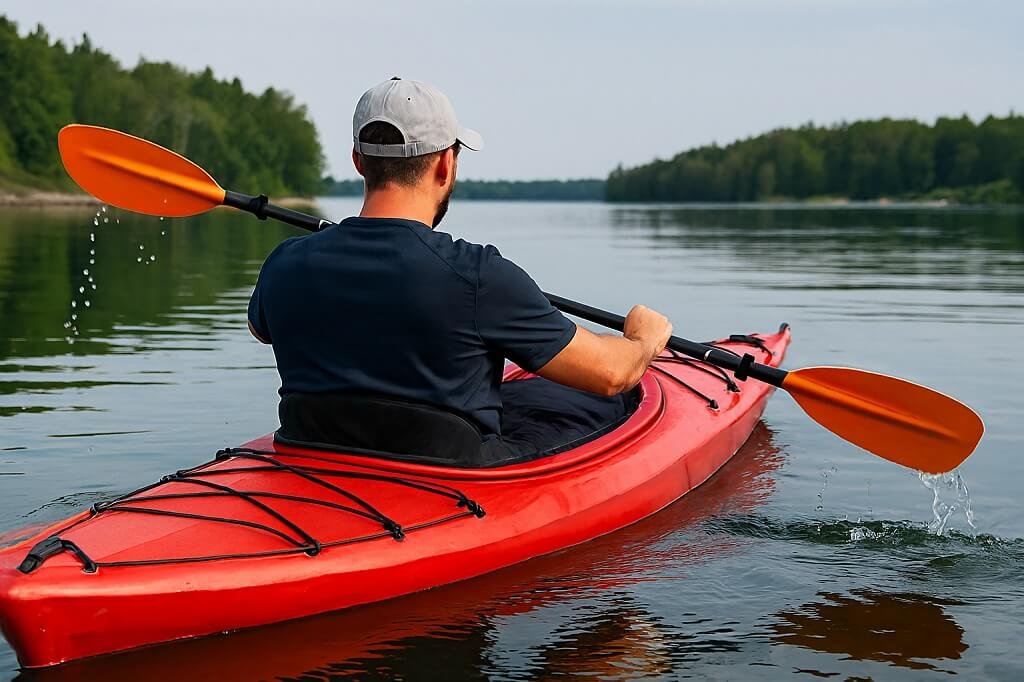
Let’s walk through the advantages and drawbacks of sit-in kayaks, as if we’re chatting over coffee. Overall, they lean toward performance, protection, and versatility — but they demand more technique.
1. Advantages (Pros) of Sit-In Kayaks
a) Better protection from wind, spray, and cold
Because your legs are under a deck and you can attach a sprayskirt, you stay drier and warmer (especially in cooler or choppy waters).
b) Lower center of gravity & better control
You’re seated lower, which gives better balance and better responsiveness to leaning/bracing. You can use your thighs and knees to “edge” or tilt the kayak.
c) Speed, efficiency & longer distance paddling
Sit-in kayaks are usually more streamlined, narrower, and designed for longer distances or choppier water.
d) Enclosed dry storage & fewer splashes in the cockpit
Deck hatches, compartments, and dry storage are more common and better sealed in sit-in kayaks. Less chance of water sloshing onto your gear under your feet.
e) Better in harsher or variable conditions
In open water, wind, rough waves, or long tours, the control and protection of sit-in kayaks shine.
2. Disadvantages (Cons) of Sit-In Kayaks
a) More difficult entry, exit & reentery in open water
If you capsize, getting back in is harder. You may need specific rescues or rolls.
b) Potential for flooding & more maintenance
If water enters the cockpit, you’ll need to bail it out or pump it, especially in a swamped hull.
c) Feeling confined, limited mobility
Your legs are inside the hull, so movement is more constrained than on top kayaks. Some paddlers feel “boxed in.”
d) Less beginner-friendly
Learning wet exits, rolls, or reentry techniques adds a learning curve. For some newbies, that’s intimidating.
e) Limited immediate “freedom”
You can’t hop on and off at will, which is easier to do in a sit-on-top.
Pros & Cons of Sit-On-Top Kayaks
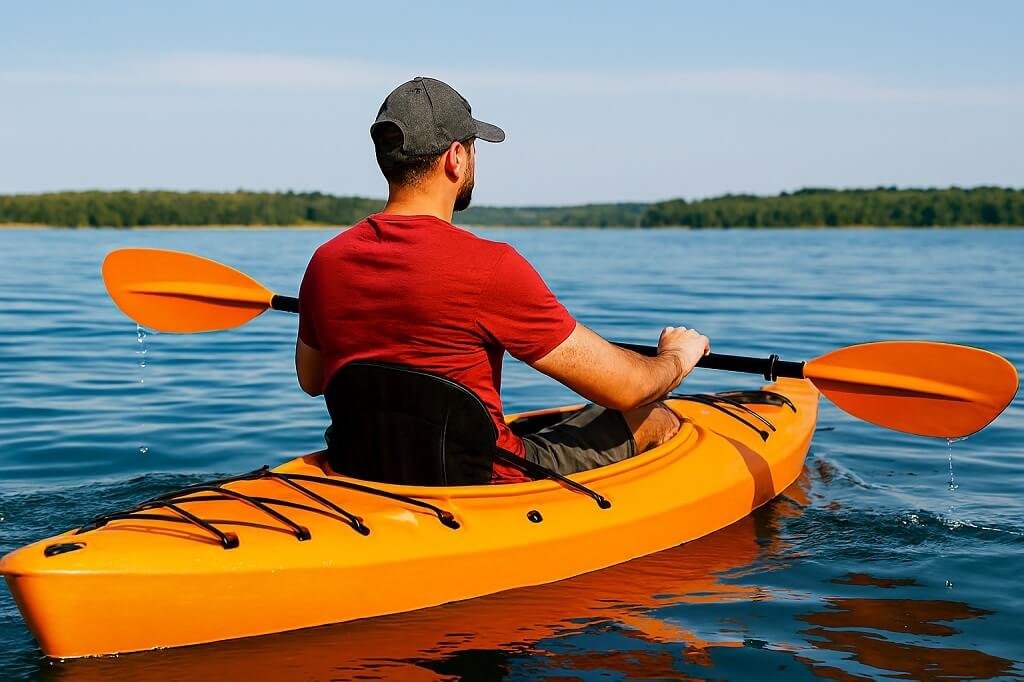
Now let’s shift: what makes sit-on-top kayaks attractive, and where do they fall short?
1. Advantages (Pros) of Sit-On-Top Kayaks
a) Easy entry, exit & reentry (very user friendly)
If you flip, you just flip the kayak back and climb on — no cockpit barrier. No need for a roll if you don’t want to.
b) Self-bailing design (scupper holes drain water)
Water on deck drains through scupper holes, making the kayak self-draining.
c) Great for warm climates, fun paddling, swimming, diving
In warm weather, being exposed is less of a drawback; you can hop in the water easily and climb back. Very popular for recreation, snorkeling, etc.
d) Awesome for anglers & fishing
Because you’re “unconstrained,” you have more freedom to cast, move gear, mount rod holders, and install pedal drives. Many fishing kayaks are sit-on-top because they provide excellent stability, gear capacity, and easy access while on the water.
e) Beginner & mobility friendly
No cockpit to squeeze into, easier to get in and out even for people with limited flexibility. This design is especially helpful for beginners, older adults, or anyone with limited flexibility or mobility concerns. The open layout also reduces the fear of feeling trapped if the kayak tips over, making it a confidence booster for first-time paddlers.
f) Robust and difficult to sink (unless hull is breached)
Many sit-on tops are sealed or sealed enough so they rarely fill completely with water.
2. Disadvantages (Cons) of Sit-On-Top Kayaks
a) You’ll get wet
Because it’s open, splashes, spray and waves can wash over you. You’ll need good clothing for protection.
b) Higher center of gravity, less efficient
To compensate, many sit-on tops are wider, but they’re usually slower and less sleek in performance.
c) Less effective in rough or cold water
Exposure becomes harsher; wind, waves, spray all affect you more. In colder climates, you may be uncomfortable.
d) Scupper holes sometimes backflow or allow water in
Sometimes water can enter from below if waves are strong or if the kayak is overloaded.
e) Limited dry storage & gear protection
Much of your gear may be exposed or require additional waterproofing.
f) Not as precise control for performance paddling
For long distances or open seas, you lose some control and finesse possible in sit-in kayaks.
Performance, Stability & Handling
Let’s talk about how each type handles, how stable they feel, and what that means in real life.
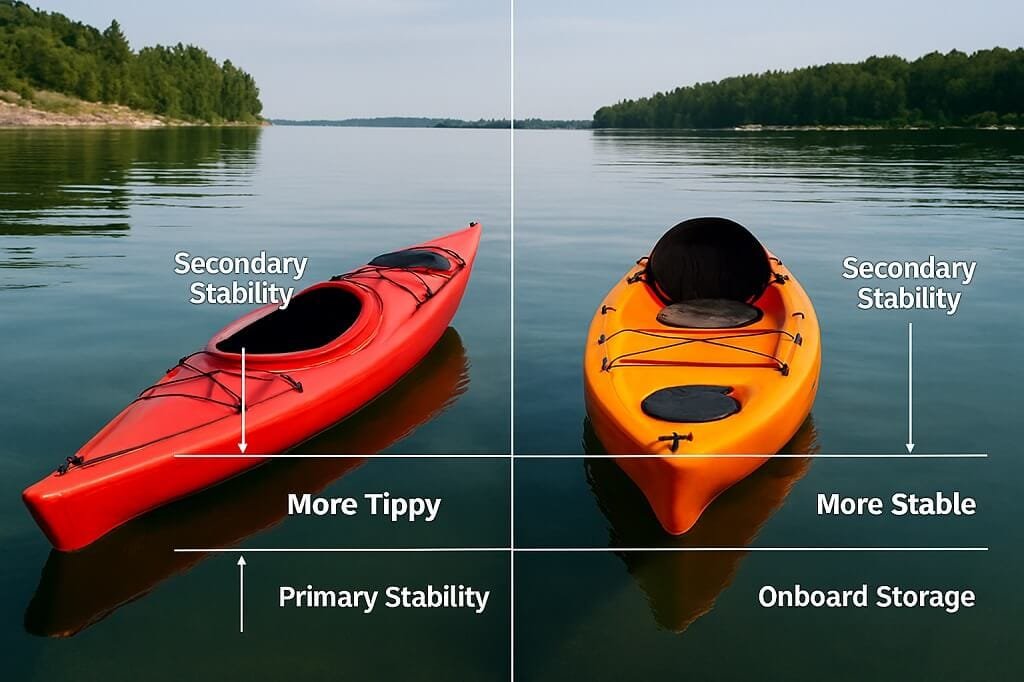
1. Stability: Primary vs Secondary Stability
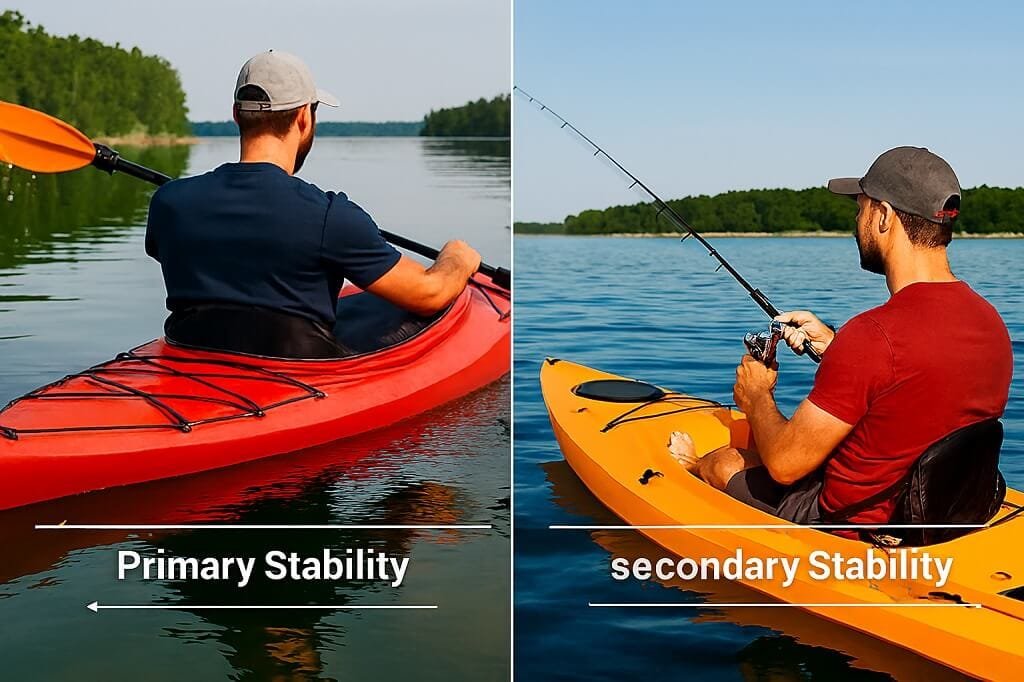
- Primary stability is how stable the kayak feels when flat (i.e. when not leaning). Sit-on-top kayaks often feel more stable at rest because they are wider and the paddler sits higher, so small tilts are resisted.
- Secondary stability is how stable it feels when the kayak leans or is edged (tilted). Sit-in kayaks, with lower center of gravity, tend to shine here: they can lean more before tipping and respond more predictably to edge control.
If you plan on leaning, carving, edging — e.g. in waves — sit-in has an advantage. But if you want a stable platform for fishing, relaxing, or beginner use, sit-on-top may feel more secure initially.
2. Speed & Efficiency
Narrower, sleek hulls = better speed. Sit-in kayaks often are built for that: less drag, more efficient paddle strokes. Sit-on-top kayaks sacrifice speed for stability and ease of use.
If you plan long paddles or want to cover distance, sit-in may give you better mileage per stroke.
3. Maneuverability & Control
Because in a sit-in kayak you are physically connected (thigh braces, knee braces, edging), you can steer, pivot, and maneuver more precisely. In tight water, rough seas, bays, that control pays off.
In contrast, sit-on-top kayaks tend to be more forgiving, but less sharp in turn or response.
4. Load, Weight & Carrying
Sit-on-top kayaks often weigh more because of thicker hulls, more structural reinforcement, and additional features (rod holders, extra scuppering, deck mounting). But they can also carry gear openly. Sit-in kayaks may have better internal storage but may reach limits on weight more quickly.
If you must carry your kayak a long distance to the water, lighter may matter more than a few ounces of speed.
Suitability by Use Case
Now, let’s chat use cases — because the best kayak depends heavily on how and where you’ll use it.
1. Recreation / Casual Paddling
If your goal is to get out on lakes, calm rivers, perhaps do some sightseeing, splash around, sit-on-top is great. It’s easy, fun, low-stress. If you want something slightly more protected and efficient, a recreational sit-in kayak (wider cockpit, easier entry) may be fine too.
2. Touring / Sea Kayaking / Day Trips
For longer routes, coastal expeditions, or paddling in variable conditions, sit-in (or hybrid) tends to be preferred because of better protection, speed, control, and gear storage. If you’re planning overnight adventures, check out these best kayaks for camping designed for carrying extra gear and supplies.
3. Fishing / Hunting / Diving / Snorkeling
Sit-on-top often wins here because of the freedom to move, cast, install gear, mount accessories, and reenter water easily. If you prefer to stay dry while fishing in cold conditions, a sit-in fishing kayak can work, but with more tradeoffs.
Families or fishing partners who paddle together may also prefer tandem fishing kayaks for added space and shared paddling experiences.
4. Whitewater / Rapids
Whitewater kayaks are usually sit-in designs — you want tight control, edging ability, and agility. Sit-on-top generally doesn’t handle rapids as well (unless specially designed for that).
5. Cold Water, Windy, or Choppy Conditions
Sit-in wins for these. The protection, ability to use a sprayskirt, and better thermal isolation make sit-in kayaks more comfortable when conditions are less forgiving.
6. Beginners, Kids, or People with Limited Mobility
Sit-on-top has a clear advantage in ease and safety. Because you can climb in/out easily, avoid feeling “trapped,” and reenter after capsize more straightforwardly.
Comfort, Safety & Rescue Considerations
Let’s talk about comfort, self-rescue, safety, and psychology.
1. Comfort & Ergonomics
- Seat & leg room: Some sit-top kayaks give your legs more freedom (you aren’t confined). Many paddlers like that for long rides or stretching.
- Movement: In sit-in kayaks, movement is restricted, but you gain stability and control.
- Protection from elements: In a sit-in, you’re shielded more; in sit-on-top you’ll feel wind, spray, sun, etc.
- Temperature: In colder water or weather, sit-in is more forgiving. In hot climates, sit-on-top’s exposure may feel liberating.
2. Capsize, Rescue & Reentry
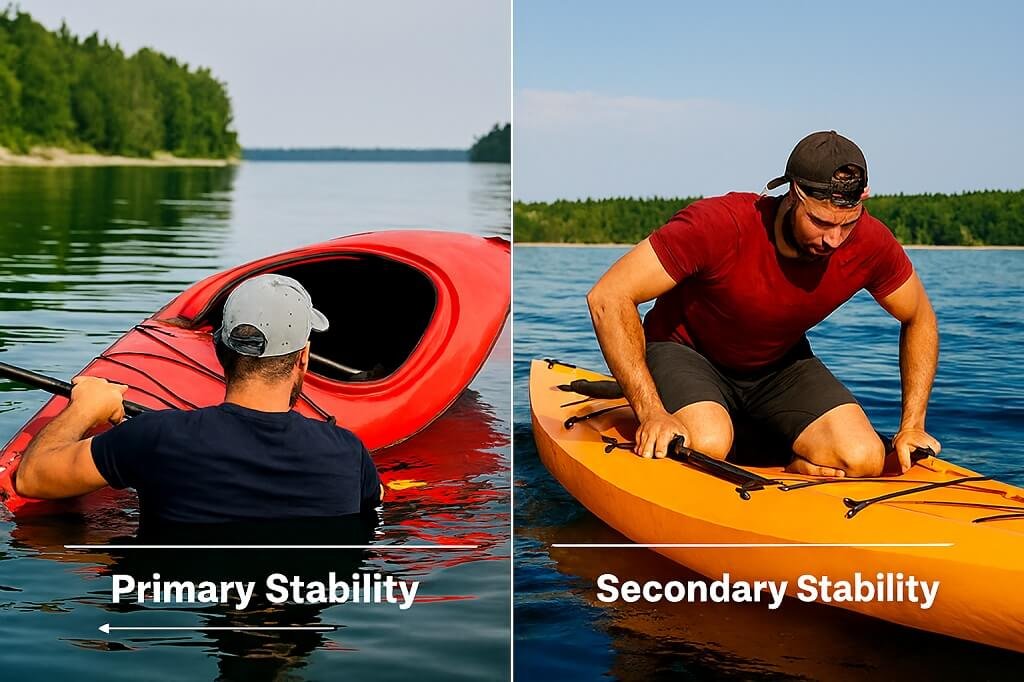
- Sit-On-Top: much easier to reboard. After flipping, flip the kayak back, and climb on. You don’t have to fight to exit a cockpit.
- Sit-In: you must exit cockpit (wet exit), lift up/swim, and then reenter — which may require techniques like a reentry or roll, or help from others. More challenging in open water.
- Safety margin: Some paddlers prefer sit-on-top simply because they fear being trapped in capsized kayak. That’s a psychological comfort. In practice, with training, sit-in is safe.
- Swamping / flooding: Sit-in kayaks may fill interior; you have to bail; sit-on-top kayaks self-bail (mostly).
3. Clothing & Gear
- In a sit-in, you might wear more protective clothing (spray skirts, wetsuits, dry suits) especially in cold water.
- With a sit-on-top, you need to dress for exposure — UV, spray, wind.
- Consider footrests, knee pads, thigh braces (in sit-in) and leg straps (some sit-on-tops have thigh straps) for more control.
4. Learning Curve & Confidence
One reason many beginners choose sit-on-top is the gentler learning curve. Fewer demands for rolls, reentry, etc. So you get on the water faster. However, if your long-term goals are touring or serious paddling, learning sit-in rescue & roll skills is valuable.
Choosing Based on Environment & Conditions
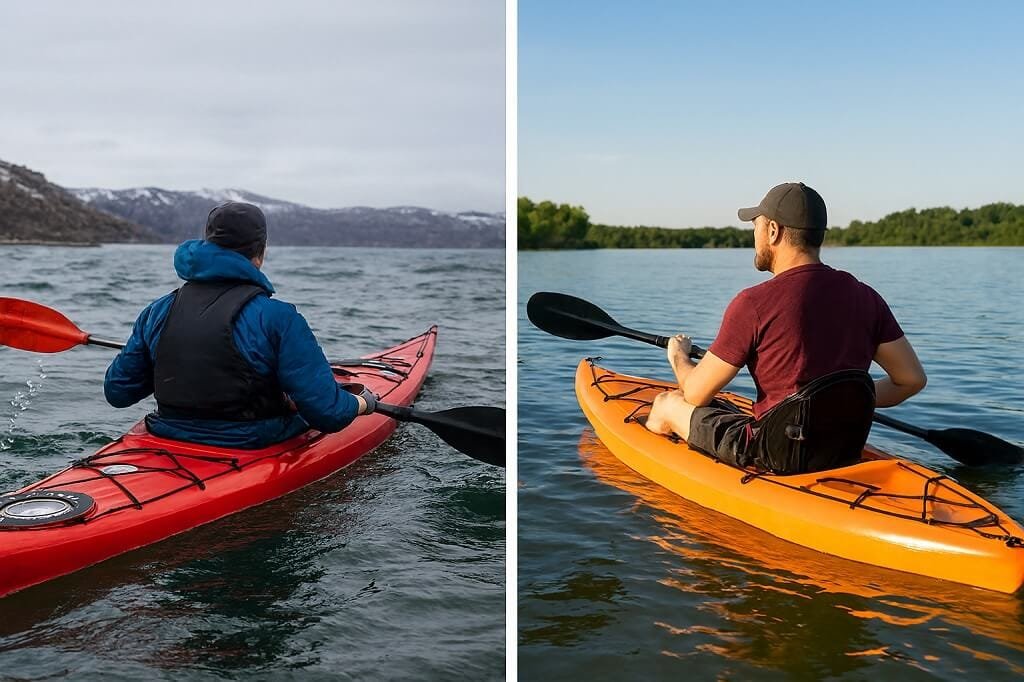
Your environment matters a lot. Let’s talk about matchups.
1. Climate & Temperature
- Hot & tropical → sit-on-top is comfortable.
- Cooler climates or seasonal changes → sit-in is safer.
- Cold water exposure is risky in open kayaks.
2. Water Type & Conditions
- Lakes, gentle rivers, calm bays → either type can work.
- Coastal, choppy, windy seas → sit-in offers advantages.
- Whitewater / rapids → mostly sit-in.
- Fishing in shallow water, reefs, snorkel zones → sit-on-top for easy access.
For anglers planning offshore trips, choosing the right fishing kayaks for ocean use is essential, as these models are designed to handle waves, currents, and open-water conditions safely. Regardless of kayak type, always check local marine weather forecasts before launching, especially in coastal or open-water environments.
3. Distance & Duration
Long day trips or overnight trips favor sit-in (for comfort, storage, protection).
Short excursions, splash trips, or mixed swimming time lean toward sit-on-top.
4. Terrain & Launch Points
If you need to portage a lot (carry over land), lighter kayaks matter.
If you launch from beach shallow waters, sit-on-top ease helps.
If launching from docks or deeper water, reentry from a sit-in may be harder.
5. Gear & Loading
If you carry heavy gear, camera, camping, etc., sit-in with internal dry storage is safer.
But open decks can carry more gear in an accessible way (though exposed).
How to Test & Try Before You Buy
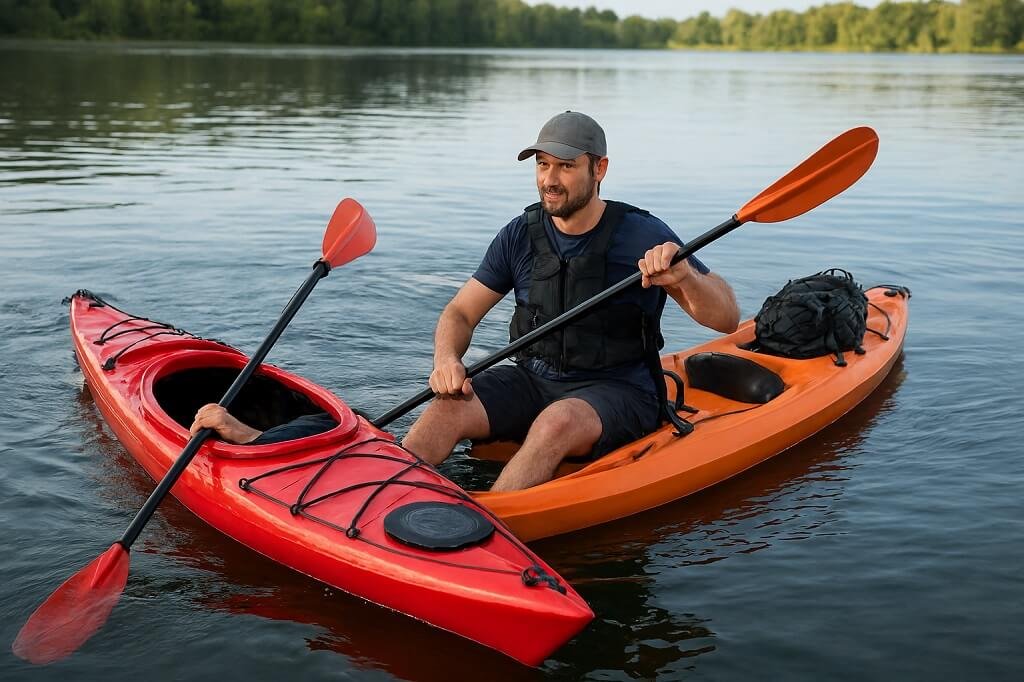
Before you make your final decision, here are some things to test in real life:
- Test both types side by side — see how entry, exit, response, comfort feels.
- Simulate a reentry — flip and climb back in (with supervision).
- Test paddling in slightly choppy water — see how it feels.
- Load gear & weight — how does the kayak handle?
- Evaluate comfort for your body shape — legroom, width, reach.
- Check ease of transport & handling off water — lifting, carrying, roof rack.
- Check storage, hatches, and gear attachment ability — rods, bags, mounts, etc.
By doing these, you’ll know whether you lean sit-in or sit-on-top for your personal preference.
Maintenance, Storage & Practical Tips
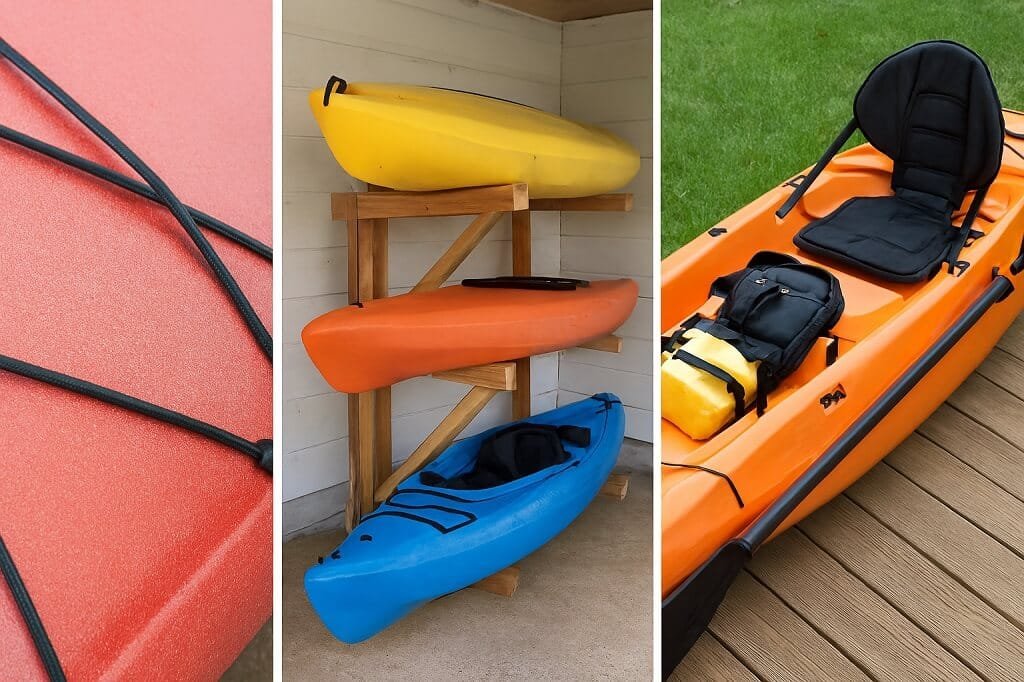
Here are practical things to mind once you pick your kayak type.
1. Cleaning & Upkeep
- Rinse with fresh water, especially after salt or brackish water use.
- Clean scupper holes (in sit-on-top) to keep drainage clear.
- Inspect for cracks, leaks, seam issues.
2. Storage
- Store indoors or shaded, away from UV.
- Keep cockpit covered in sit-in to prevent debris accumulation.
- Support hull if storing for long periods (avoid warping).
3. Accessories & Add-Ons
- For sit-in: sprayskirts, thigh braces, knee pads, deck lines.
- For sit-on-top: scupper plugs, rod holders, pedal drive mounts, deck bags, and even kayak motors for paddlers who want extra speed and reduced fatigue on long trips.
Ensure your kayak has strong anchor points, straps, handles.
4. Transporting & Portaging
- Use proper roof racks or trailers.
- Lift carefully: distribute weight, use handles.
- If the kayak is heavy (some sit-on-tops are), consider wheeled carts.
5. Safety Gear
- Always wear a PFD (life jacket).
- Carry paddle leash, bilge pump, sponge, spare paddle.
- Bring rescue gear — throw rope, tow line, whistle, first aid.
- In sit-in, practice wet exit and reentry skills.
- Use appropriate clothing (wetsuit, drysuit, splash top) depending on exposure risk.
- Follow U.S. Coast Guard boating safety recommendations before heading onto the water.
Frequently Asked Questions (FAQs)
Which is better: sit-in or sit-on-top for beginners?
Sit-on-top is more beginner-friendly because of easier entry/exit, simpler reentry after capsizing, and less fear of being trapped. But if your ambition is touring, learning sit-in skills is worthwhile.
Can you put a sprayskirt on a sit-on-top kayak?
No, sit-on-top kayaks can’t use sprayskirts. Their open-deck design doesn’t allow an enclosed cockpit to attach one. They’re made for easy entry, ventilation, and quick drainage—perfect for warm weather paddling.
Are sit-on-top kayaks slower?
Usually yes. Because they tend to be wider, have higher drag, and higher center of gravity, they won’t match speed for long distances compared to sit-in designs.
Is reentering a sit-in kayak from deep water possible?
Yes, but it takes practice. Reentering a sit-in kayak from deep water is harder than a sit-on-top and often needs proper technique, assistance, or a reliable roll to do safely.
Do sit-in kayaks leak?
They can if water enters via spray, waves, or leaks in hatches. But proper design, good seals, and bulkheads reduce risk.
Can a sit-on-top kayak capsize?
Yes, a sit-on-top kayak can capsize, but it’s less likely thanks to its wide, stable design. If it does flip, recovery is simple—just turn it upright and climb back on.
Which is better for fishing?
Sit-on-top is often preferred for fishing because of easy movement, gear mounting, and access. Sit-in fishing kayaks exist, but with tradeoffs in motion and access.
Can I use a sit-on-top kayak in cold water?
You can, but expect to get wet and take precautions (dry suit, splash guard). It’s less comfortable than a sit-in in cold water.
What’s better for long tours or expeditions?
For long tours or expeditions, sit-in kayaks are usually better. They offer more storage, better control, improved protection from wind and water, and smoother performance over long distances.
Can I convert a sit-on-top to be more closed or semi-closed?
Some hybrid or convertible designs exist, but they rarely match the full performance or protection of true sit-in designs.
Wrap-Up & Decision Checklist
When choosing between a sit-in and sit-on-top kayak, start with your use case: if you want ease, fun, fishing, and warm-water paddling, a sit-on-top is ideal; for performance, long paddles, and better protection, a sit-in is the way to go. Consider your environment—sit-on-tops work well in warm, calm waters, while sit-ins offer safety and comfort in cold, choppy, or open-water conditions.
Factor in your skill level and willingness to learn: sit-on-tops have a minimal learning curve, whereas sit-ins require rescue and reentry skills. Test both in real life by flipping, reentering, and loading gear to see what feels right. Also, plan for gear, transport, and maintenance—ensure your choice can handle your storage needs and shipping constraints. Think long-term: if you plan to progress into longer tours or sea paddling, investing in a quality sit-in now can save a future switch.
In conclusion, there’s no absolute “winner” in the Sit-In vs Sit-On-Top Kayaks debate — only what’s better for you*. Use your goals, environment, and comfort as your guide.
Quick Decision Guide: Sit-In vs Sit-On-Top Kayak:
| Question | If Yes → Favor Sit-In | If No → Favor Sit-On-Top |
| Do you paddle often in cooler or choppy water? | ✔ | |
| Do you plan overnight or long-distance tours? | ✔ | |
| Do you want speed and performance? | ✔ | |
| Do you value ease, fun, low stress? | ✔ | |
| Will frequent capsizes (or reentry) concern you? | ✔ | |
| Do you fish, dive, snorkel often? | ✔ | |
| Is your local climate warm and forgiving? | ✔ |
As you have seen, there’s no absolute “winner” in the Sit-In vs Sit-On-Top Kayaks debate — only what’s better for you. Use your goals, environment, and comfort as your guide.