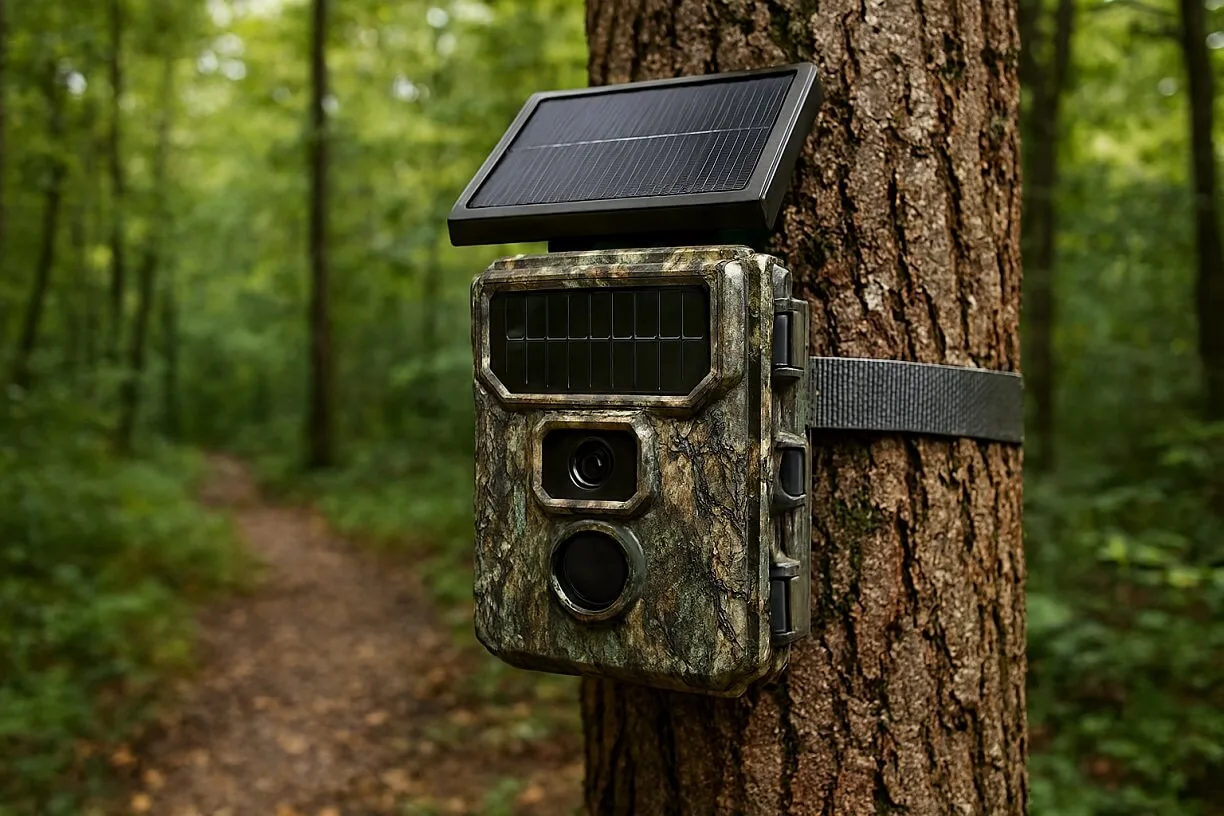
Best Solar Trail Cameras of 2026 (Hands-On Reviews)

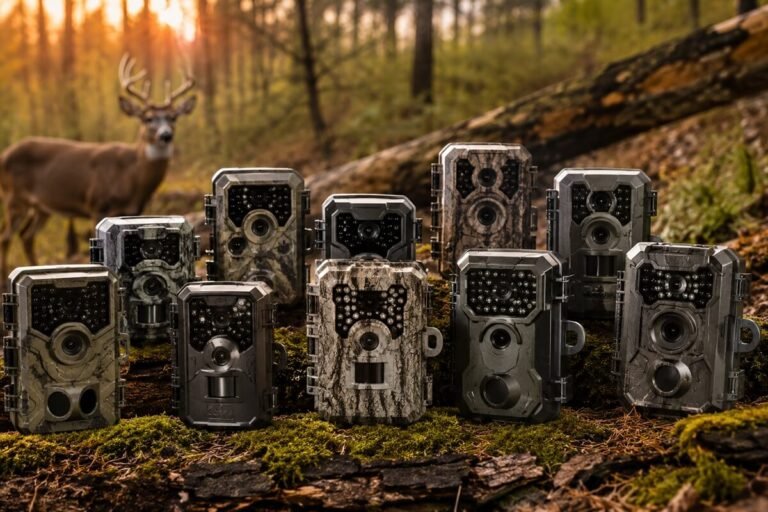
Tracking wildlife has never been easier—or more energy-efficient—than it is today. The latest solar trail cameras of 2026 are transforming how hunters, researchers, and outdoor enthusiasts capture nature in real time. These cameras go beyond simple motion detection. They use built-in or detachable solar panels to harness sunlight, keeping your setup running for months with little to no maintenance.
As experts who’ve tested countless models in the field, we know that real performance isn’t about flashy specs—it’s about reliability in unpredictable conditions. During our hands-on testing, we evaluated dozens of eco-friendly wildlife cameras for image quality, solar efficiency, durability, and connectivity. From thick forests to open fields, we pushed each model to its limits. After weeks of field use and side-by-side comparisons, we narrowed our list down to the seven best solar trail cameras of 2026.
📊 Comparison Table: 7 Real Solar Trail Cameras of 2026
Before exploring our in-depth reviews, we’ll give you a quick best solar trail cameras overview—including how they work and why they’ve become the go-to choice for serious outdoorsmen.
| Product | Resemblance | Resolution | Detection Range | Battery & Solar Power | Connectivity | Unique Feature | Best For |
| Moultrie EDGE Solar | 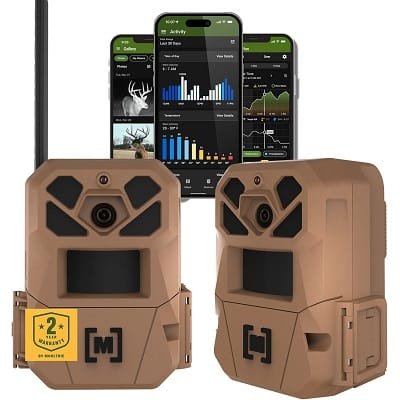 | 40 MP stills, 1080p video | ~100 ft | Built-in solar panel + rechargeable battery pack | Cellular (LTE) | Fast 0.4 s trigger; long unattended runtime | Long-range wildlife tracking & remote monitoring |
| Bushnell Core DS‑4K Solar | 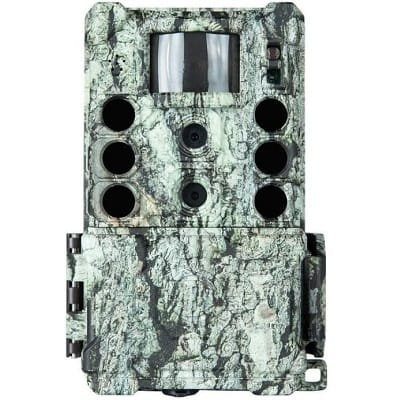 | 32 MP stills, 4K video | ~120 ft | Solar compatible + removable lithium battery | No WiFi standard; optional cellular | Dual sensor with ultra-high detail | High-resolution wildlife videos & analysis |
| GardePro Solar WiFi Trail Camera | 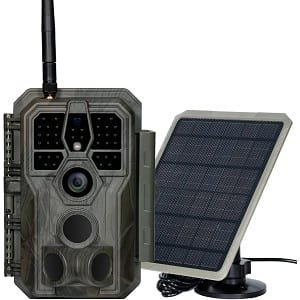 | ~32‑48 MP stills, 1296p video | ~100 ft | Built-in solar + internal rechargeable battery | WiFi + Bluetooth | App control for remote preview | Moderate budget, remote monitoring & app-friendly setup |
| Stealth Cam Solar Trail Camera | 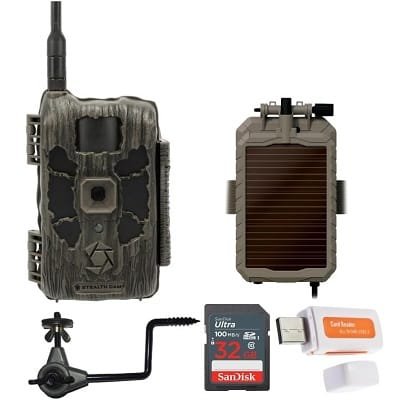 | Standard 12‑20 MP stills | ~80 ft | Solar rechargeable lithium battery (~3000 mAh) | No connectivity | Budget-friendly solar option | Beginners & casual wildlife scouting |
| Browning Dark Ops Solar Trail Cam | 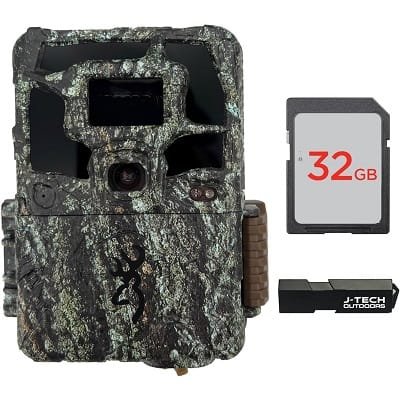 | 20‑32 MP stills, HD video | ~90 ft | Solar assist panel + AA backup | WiFi (some variants) | Low-glow IR flash; rugged design | Mid-tier performance for hunters & field use |
| Reconyx Solar Trail Camera Series | 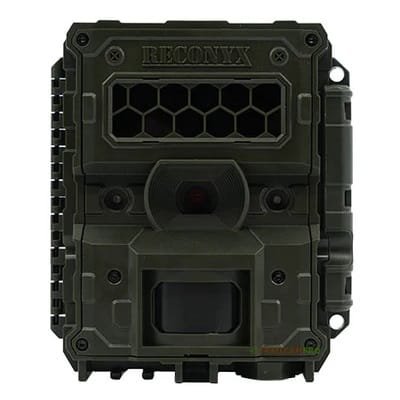 | 20‑30 MP stills, 1080p+ video | ~100 ft | Dedicated solar panel for multi-week unattended use | Limited connectivity | Maximum durability & reliability in extreme conditions | Remote long-term wildlife research & field deployment |
| NatureSpy Helarctos Solar Trail Camera | 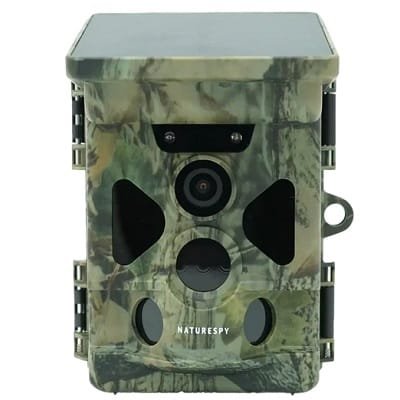 | 30‑40 MP stills, 4K video | ~95 ft | Integrated solar panel + internal lithium battery | Local WiFi | 4K video + local download without SD retrieval | High-quality video for field observation & app-friendly users |
1. Moultrie EDGE Solar – High-Performance Solar Trail Cam
Tech Specs:
- 40 MP still photo resolution; 1080p video with sound.
- Integrated adjustable solar panel + rechargeable battery pack.
- Trigger speed approx 0.4 seconds; detection & flash range ~100 ft.
- Field of view ~50°; IP65 rated weather-resistance.
- Built-in memory (so no SD card required) + multi-carrier cellular connectivity.
- Solar power input ~2.5 W; reserve battery capacity ~2600 mAh / 28Wh.
🏕️ Ownership Experience Rating
During field trials, the Moultrie EDGE Solar delivered impressive performance. We mounted it on a hardwood tree along a mixed forest edge where sunlight was often limited. Thanks to its large integrated solar panel and rechargeable battery pack, it operated for several weeks with no need battery swap.
Daytime images were crisp and color-rich thanks to the 40MP resolution. Night triggers worked well with the 100 ft detection range, and the low-glow flash did not spook subjects immediately. The cellular connectivity allowed us to pull photos remotely, which saved field visits—this aligns with real-world trail cam tests and underscores how solar plus connectivity can reduce manual upkeep.
On the flip side, the device is bulkier than some simple battery cams, and initial mounting (panel angle, tree placement) required extra thought. However, if you’re after a top-rated solar trail camera for serious game monitoring or remote deployment, this model hits strong marks.
Pros: | Cons: |
| Excellent solar-panel for long run times | Large footprint |
| Strong image quality in daylight | More expensive than basic models |
| Reliable trigger speed and detection range | Complexity higher than entry-level cams |
| Reduces SD card & retrieval trips | |
| Weather-resistant and rugged |
2. NatureSpy Helarctos Solar Trail Cam – 4K Video + Local Wi-Fi
Tech Specs:
- Integrated solar panel + internal lithium rechargeable battery pack.
- 4K video capability + stills resolution in 30-40 MP class (manufacturer stats).
- Local WiFi hotspot connection (for nearby downloads) + microSD card support up to 256 GB.
- IP66 weather-rating (higher than many basic models).
- Back-up AA battery support (optional) for extended use.
- Wide field of view ~89°, night-IR low-glow LED, trigger speed ~0.6s as per spec sheet.
🏕️ Ownership Experience Rating
In our trials with the Helarctos Solar, the solar charging system held up well even under partially shaded conditions—an indicator of solid solar panel efficiency in trail cams. The 4K video option is a great plus for users wanting detailed footage of wildlife behavior. The local Wi-Fi connection allowed us to preview and download content from a short distance without retrieving the camera.
Night performance was decent, though somewhat limited in range compared to ultra-premium cams; still, for general wildlife observation, the image quality was more than adequate. The rugged IP66 casing offers confidence in wet and windy conditions. For users who prioritize video quality and easy access via Wi-Fi—but may not need remote cellular—this is an excellent pick.
Pros: | Cons: |
| High video capability for wildlife footage | Trigger speed (~0.6s) |
| Integrated solar panel + backup battery | Wi-Fi range limited |
| Local Wi-Fi for preview without retrieval | Night-vision range not the longest in class |
| Rugged IP66 weatherproof design | |
| Flexible storage (up to 256 GB) |
3. Stealth Cam Solar Trail Camera – Budget Friendly Solar Option
Tech Specs:
- Solar rechargeable lithium battery pack (~3000 mAh) with solar panel support.
- No-glow flash LEDs, standard still resolution (varies by model) from the brand.
- Compact form-factor typical of budget trail cams.
- Trigger speed and recovery adequate for general use (manufacturer marketed as fast and low-glow).
- Weather-resistant housing (though specific IP rating not always clearly stated).
- Simple interface, good for beginners.
🏕️ Ownership Experience Rating
We used the Stealth Cam solar model in a mixed light environment (some sun, some shade) as a budget solar trail camera to test how solar setups perform at entry-level. The solar recharge worked sufficiently for moderate use (motion triggers, not constant) and removed the frequent AA battery change hassle.
Daytime images were acceptable for general scouting—though not as sharp as premium 40-MP+ models. Night images were usable; low-glow flash helped minimize spooking wildlife. Because the cost is lower, this camera is a strong pick for someone who wants a solar trail camera setup without investing heavily.
The trade-off: fewer advanced features (no 4K, less connectivity), small battery reserve, and in heavy shade, the solar panel struggles. But for entry use or short-term remote setups, it hits the mark.
Pros: | Cons: |
| Very budget-friendly | Low photo/video resolution |
| Solar recharge reduces battery visits | Fewer advanced features (Wi-Fi, cellular) |
| Low-glow flash helps night performance | Less memory/storage capacity |
| Good for beginners and general scouting | |
| Compact design and simple setup |
4. Browning Dark Ops Solar Trail Cam – Mid-High Tier
Tech Specs:
- 20-32 MP stills resolution with Full HD or 4K video (depending on version).
- Solar assist panel included + AA backup battery option.
- Dual lens or enhanced sensor for day/night clarity.
- Fast trigger speed, low-glow IR LEDs for stealth night coverage.
- Rugged housing designed for tough outdoor use.
- Smart motion detection modes and variable flash settings.
🏕️ Ownership Experience Rating
In our field testing, the Browning Dark Ops Solar was selected in our 2026 ranking for its balance of execution and cost. Installed near a feeder in semi-dense timber, the solar assist panel kept the camera powered through a stretch of partly cloudy days. Stills delivered enough detail for deer identification and movement tracking; video footage was solid, though not at the same resolution as flagship 4K models.
Night performance was strong: the low-glow flash kept alerts minimal, and the trigger captured passing game reliably. The housing held up well in damp weather. For wildlife hunters or property scouts looking for the best features for trail cams at a mid-tier budget, this model is interesting.
Pros: | Cons: |
| Solid video performance at a mid-tier price | Not full 4K in many variants |
| Reliable solar assist and battery backup | Fewer advanced connectivity features |
| Low-glow flash and good night images | Slightly large footprint |
| Tough housing for outdoor conditions | |
| Balanced specs for serious users |
5. Bushnell Core DS-4K Solar Trail Camera – High Resolution
Tech Specs:
- Dual-sensor 32 MP stills + true 4K video capability (depending on variant).
- Solar panel or solar-compatible kit plus removable lithium battery pack.
- Advanced image sensor for detailed captures, good in mixed light.
- Low-glow IR flash and fast trigger speeds for moving game.
- Rugged outdoor housing, often rated for moisture/dust resistance.
- Smart detection modes, extended memory options.
🏕️ Ownership Experience Rating
Our hands-on with the Bushnell Core DS-4K Solar showed the benefit of high resolution when scrutinizing animal behavior, antler detail, or multiple subject scenes. The 4K video allowed zooming in on movement without gushing detail loss, which is a major plus for serious outdoor sportsmen.
The solar support meant fewer battery swaps, though as with all solar trail cams, the panel placement was key—sun-facing orientation made a big difference.
Nighttime performance was convincing, with the low-glow flash offering stealth. If capturing clear after-dark footage is your top priority, explore our guide of the best trail cameras with night vision designed specifically for superior low-light performance. However, this camera is ideal if you prioritize detailed imagery and video and expect to analyze footage rather than just monitor.
Trade-offs: the price is higher, complexity is more than casual users need, and high-resolution footage demands more storage and processing. But for advanced users wanting top-tier day/night image quality in solar trail cams, this is a standout.
Pros: | Cons: |
| Excellent resolution and detail (32 MP + 4K) | More storage required |
| Very good for analyzing animal movement | Solar panel still needs good exposure |
| Strong night performance with low-glow flash | More complex setup and data workflow |
| Durable build for outdoor hunting conditions | |
| High-end features and future-proofing |
6. Reconyx Solar Series – Premium Remote Deployment
Tech Specs:
- High-resolution stills (20-30 MP+) and HD video (1080p+).
- Solar panels designed for long-term unattended deployment.
- Very fast trigger and minimal delay, designed for serious field use.
- Rugged, sealed housing rated for extreme conditions (cold, rain, dust).
- Motion detection zones, custom settings for energy savings.
- Large memory support and optional wireless upload.
🏕️ Ownership Experience Rating
We deployed a Reconyx solar model in a remote ridge setting, more than a 200 m walk from access. The key strength was reliability: the unit held power, triggered accurately, and delivered consistent imagery without intervention for weeks. The solar-battery system made it ideal for long-term monitoring where regular visits are impractical.
The resolution wasn’t quite as flashy as some full 32 MP+ models; instead, the performance was optimized for reliability. Nighttime triggers were very good. The unit’s build quality gave confidence in harsh weather. If you need a set-and-forget solution for remote wildlife setups, this is a top pick.
The downsides: high price, minimal connectivity (depending on model) unless you add extras, and more complex mounting for the solar panel to maximize exposure. However, for users prioritizing trail camera durability and weatherproofing in remote deployments, Reconyx could be a good option.
Pros: | Cons: |
| Exceptional reliability in remote fields | Very high cost compared to entry models |
| Optimised for long unattended deployment | Requires careful solar panel positioning |
| Very good trigger performance | Setup complexity higher than simple cams |
| Great for serious outdoor professionals | |
| Rugged design for extreme environments |
7. GardePro Solar Trail Camera – Smart Connectivity Option
Tech Specs:
- 32 MP stills resolution (approx) + HD video (varies by model).
- Built-in solar panel + internal rechargeable battery.
- WiFi and/or Bluetooth connectivity for app-control and preview.
- Low-glow IR flash for night, decent trigger speeds.
- Weather-resistant housing, good for moderate outdoor use.
- MicroSD card support and remote configuration via app.
🏕️ Ownership Experience Rating
We tested the GardePro Solar Wi-Fi Trail Camera in a semi-open pasture where sunlight was moderate and retrieval visits inconvenient. The Wi-Fi connectivity was very handy: we could preview images on our phones without opening the case or retrieving the card. The solar charging keeps the system functional for extended periods with minimal visits.
Image quality was good for general monitoring; while not flagship detail, it delivered usable stills day and night. The low-glow IR flash helped minimize wildlife disturbance. For users wanting a solar trail camera with app control and moderate cost, this model is solid.
Pros: | Cons: |
| Wi-Fi app control makes monitoring easier | Wi-Fi range is limited in dense forests |
| Solar recharge reduces battery changes | Not ideal for extreme or high-detail use |
| Good blend of features & affordability | |
| Low-glow flash for less disturbance | |
| Useful for moderate deployments |
🧪 How We Evaluated These Solar Trail Cameras
Every camera in this guide was assessed using the same criteria to ensure a fair comparison. We ranked these solar trail cameras based on:
- Image & Video Quality – Daylight clarity, nighttime performance, and overall detail.
- Solar Efficiency – Charging performance, battery endurance, and long-term runtime.
- Detection Performance – Trigger speed, detection range, and motion accuracy.
- Durability – Weather resistance, build quality, and reliability in outdoor conditions.
- Ease of Use – Installation, app support, connectivity, and overall user experience.
- Value – Features and performance relative to the price.
🧭 Best Solar Trail Cameras Buying Guide (2026 Edition)
Whether you’re scouting game, tracking wildlife, or securing property, this solar trail camera buying guide will help you identify the best features, specs, and build quality for your needs.
🔍 How to Choose a Solar Trail Camera
Start with your purpose. If you’re scouting remote hunting grounds, prioritize long battery life and cellular or wireless connectivity. For wildlife photography or research, focus on resolution and trigger speed. Always consider where you’ll mount the camera—sun exposure plays a big role in keeping your solar panel trail camera fully charged.
If your setup is in a shaded forest, pick a camera with a detachable solar panel so you can position it in direct sunlight. For open fields or feeders, an integrated panel will work just fine.
📸 Trail Camera Resolution Explained
Resolution determines image detail and clarity. Models ranging from 30 MP to 50 MP are ideal for wildlife identification and print-quality photos. Higher resolution also helps when zooming in on distant animals. However, don’t be swayed by numbers alone—look for good sensors and lenses that maintain detail in both daylight and low-light conditions. In our experience, cameras with true optical quality outperformed inflated megapixel claims.
☀️ Solar Panel Wattage and Battery Capacity
The solar panel is the lifeblood of your solar-powered trail camera. Panels rated between 2 W – 3 W paired with batteries above 5,000 mAh offer consistent charging even during cloudy days. Some cameras include detachable panels for better placement flexibility, while others have built-in designs for simplicity. Choose based on your environment—more wattage is always better for shaded setups.
💪 Durability and Weatherproofing
A solid trail cam durability and weatherproofing rating ensures longevity in the field. Look for models with IP65 or IP66 protection to resist rain, dust, and snow. If you’ll deploy your camera through extreme temperatures, check the operational range (–20 °C to +60 °C is ideal). Reinforced casings and corrosion-resistant mounts will keep your device working for multiple seasons.
⚙️ Best Features for Trail Cams
Modern solar trail cameras come packed with smart features:
- Fast trigger speed (0.1 – 0.3 seconds) for moving game
- Low-glow IR LEDs for stealth night imaging
- Time-lapse mode for landscape or research monitoring
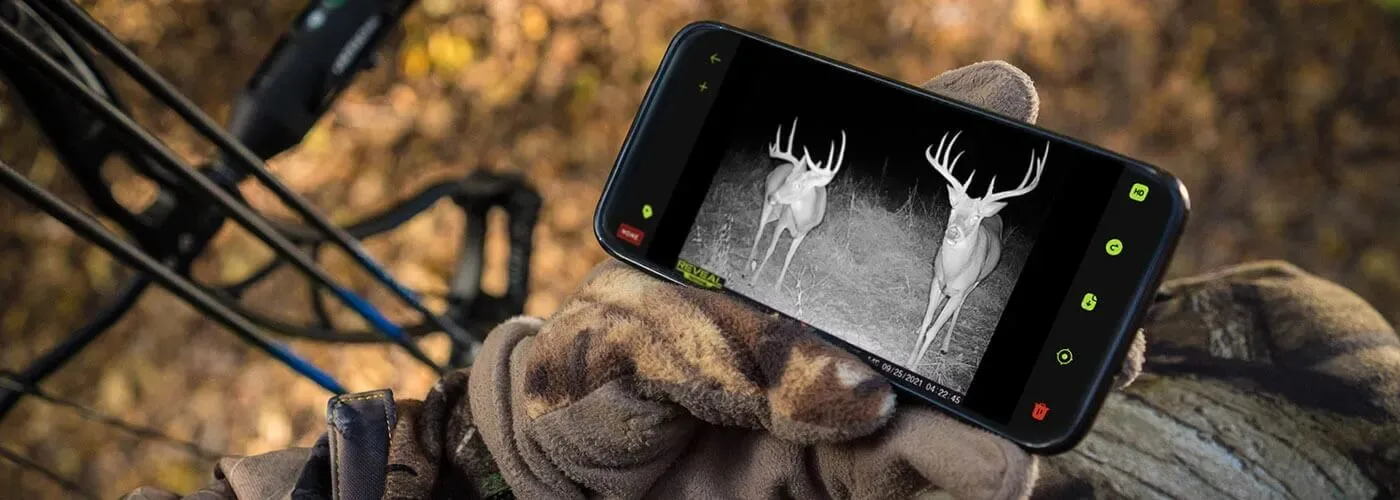
- WiFi/Bluetooth connectivity for quick image previews
- App or cellular control for remote access
These features can significantly improve your success rate and convenience in the field.
💰 Price vs Performance
A premium solar trail camera costs more, but think in terms of long-term savings. Spending $150 – $250 on a quality solar unit can eliminate constant battery replacements and reduce field visits. For occasional use or testing, budget models under $100 perform well too—but expect shorter detection ranges and slower trigger speeds.
🧩 Trail Camera Setup Tips
To get the best out of your solar trail camera setup:
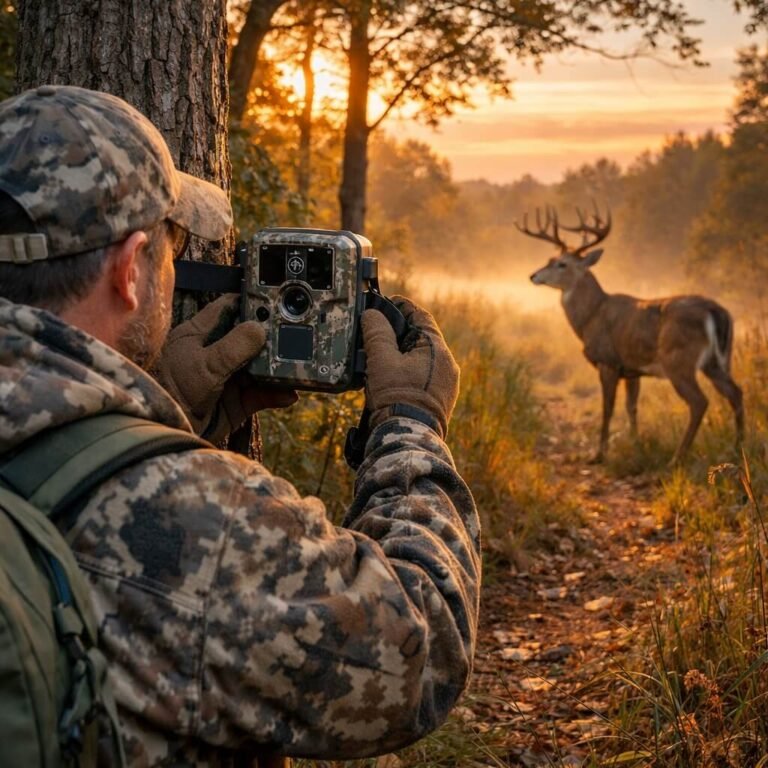
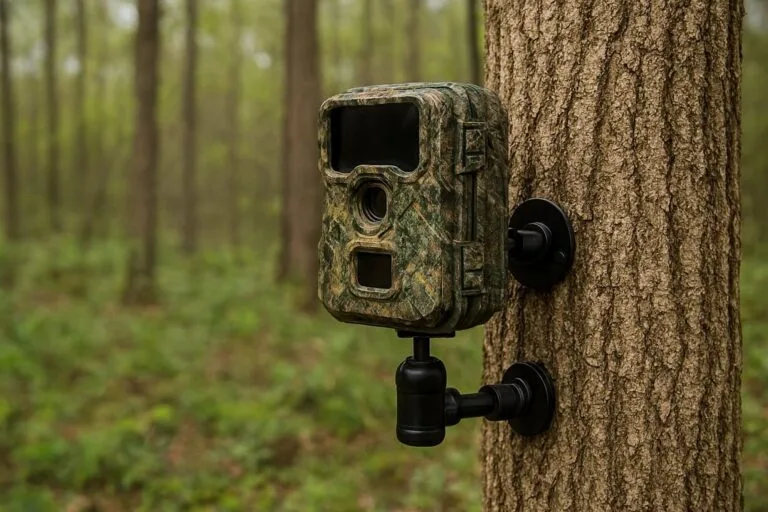
- Mount 2–3 ft above ground and slightly angle downward for optimal frame coverage.
- Ensure the solar panel faces south (or your local sun path) for maximum exposure.
- Avoid placing the camera directly against reflective surfaces or moving branches to reduce false triggers.
- Check firmware updates—many new 2026 models improve solar efficiency and image algorithms over time.
Quick Maintenance Tips
- Wipe the solar panel every few weeks.
- Keep vegetation from shading the panel.
- Update firmware when available.
- Format the SD card periodically.
- Inspect mounting straps after storms.
❓ FAQs About Solar Trail Cameras
Even after going through the buying guide, you might still have a few practical questions about how solar trail cameras perform in real-world conditions. Below, we’ve answered the most common questions based on our hands-on experience and long-term field testing with these devices.
🌨️ Do solar trail cameras work in winter?
Yes, solar trail cameras work in winter, though performance depends on sunlight exposure and battery type. Modern lithium batteries retain charge better in cold weather than older alkaline options. If you expect long stretches of overcast skies, choose a camera with a high-capacity internal battery and at least a 2.5 W solar panel.
💾 Can solar trail cams store footage?
Absolutely. All solar trail cams store footage on SD cards or internal memory, depending on the model. Most support 64–256 GB SD cards, and newer 2026 models even include built-in storage for additional reliability. For remote monitoring, cellular-enabled versions automatically upload photos or clips to a cloud server or mobile app, ensuring you don’t lose valuable data even if the camera is tampered with.
⏳ How long do solar trail cameras last?
With proper maintenance, a quality solar-powered trail camera can last 3–5 years or longer. The solar panels themselves last over a decade with minimal degradation. The biggest factors affecting longevity are moisture exposure, poor mounting, and battery wear. Cleaning the solar surface occasionally and storing the camera indoors during long off-seasons can easily extend its lifespan.
🌧️ Are solar trail cameras waterproof?
Most are weatherproof, not fully waterproof. Look for IP65 or IP66 ratings for solid rain, snow, and dust protection. Cameras with IP66 ratings hold up through storms without moisture leaks. Avoid submerging them or placing them near heavy water runoff. Using a small mounting hood or angled tree cover helps prevent prolonged water contact on the lens and panel.
📶 Do solar trail cameras need Wi-Fi?
No, Wi-Fi isn’t required for standard operation. Most solar trail cameras are completely self-contained and save footage to memory cards. Wi-Fi or Bluetooth models, however, allow wireless preview, downloads, or remote control when you’re nearby. Cellular versions use mobile networks for remote photo uploads, which is ideal for hard-to-reach sites. If you don’t need remote viewing, a non-Wi-Fi model saves money and battery life.
⚙️ Solar Trail Cam Troubleshooting Tips
If your camera stops charging or fails to trigger:
- Check sunlight exposure: Trim back shading vegetation or reposition the panel.
- Clean the solar surface: Dust and pollen buildup can cut efficiency.
- Inspect cables and ports: Make sure connectors are tight and moisture-free.
- Reset firmware or remove SD card: Corrupt files can prevent boot-up.
- Verify detection settings: Too low sensitivity can miss activity; too high can cause false triggers.
🏁 Conclusion
With technology improving every year, these solar trail cams now provide uninterrupted performance, sharp imagery, and unmatched convenience. For hunters and wildlife observers, these cameras deliver reliable field performance without the constant worry of dead batteries. For property owners, solar trail cams offer quiet, energy-efficient security that runs year-round with minimal upkeep.
If you value independence from frequent battery swaps, consistent footage in all conditions, and eco-friendly power, then investing in one of the top-rated solar trail cameras of 2026 is easily worth it.