Drop Shot Rig Hook Sizes & Best Soft Plastics for 2027

A drop shot rig is one of the most useful finesse fishing setups for presenting a soft plastic above the bottom without constantly moving it out of the strike zone. Whether you’re targeting largemouth bass around deep structure or smallmouth bass in clear water, choosing the right hook size and soft-plastic bait can make the presentation more natural and easier to control.
The key is matching your hook to the bait, using enough weight to maintain bottom contact, and adjusting the distance between the hook and sinker to keep your lure near the fish.
In this guide, you’ll learn which drop-shot hook sizes work best for different soft plastics, which bait shapes to try first, how to rig the setup correctly, and how to adjust your presentation for different fishing conditions.
Quick Answer: What Size Hook Is Best for Drop-Shot Fishing?
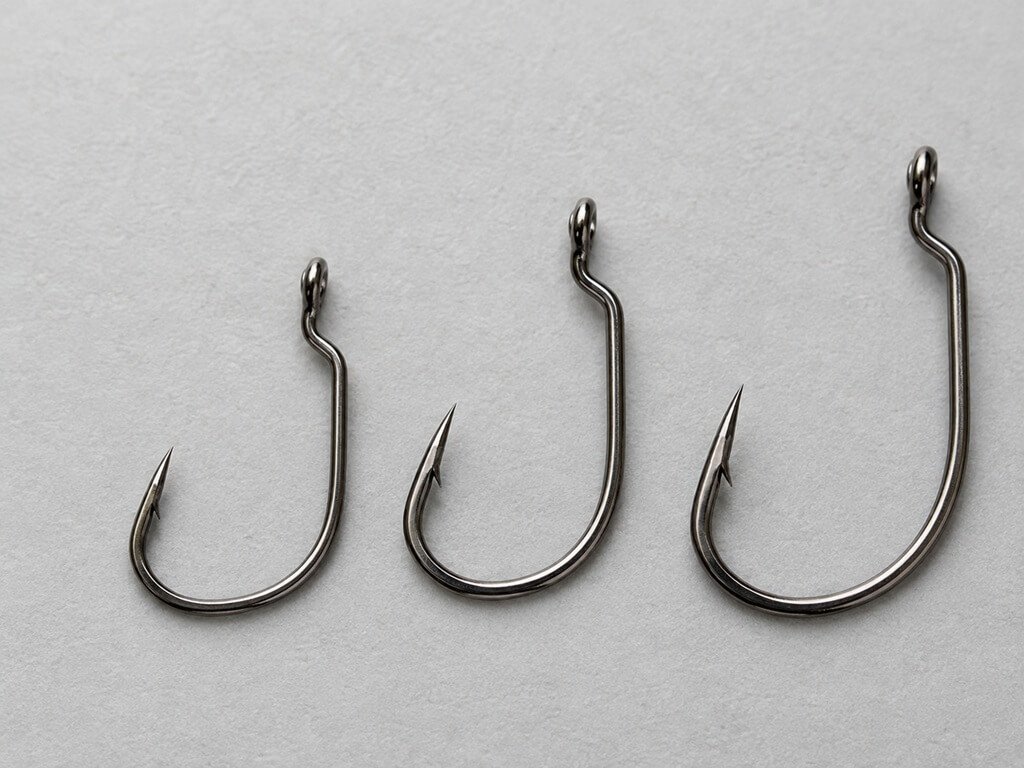
For most bass fishing situations, a size #2, #1, or 1/0 drop-shot hook is a practical starting point. Smaller hooks work well with compact finesse baits, while larger hooks provide more room for bigger soft plastics. A 3- to 5-inch straight-tail worm or minnow-shaped soft plastic is a good starting bait for beginners.
| Soft-Plastic Bait Length | Starting Hook Size | Best Use |
| 2–3 inches | #4–#2 | Small finesse presentations |
| 3–4 inches | #2–#1 | Compact worms and small minnows |
| 4–5 inches | #1–1/0 | General-purpose bass fishing |
| 5–6 inches | 1/0–2/0 | Larger worms and bigger bait profiles |
These are starting recommendations, not fixed rules. Hook designs differ between manufacturers, so compare the hook gap and wire thickness as well as the numbered size. A lightweight hook that fits the bait properly is usually preferable for an open-water finesse presentation.
What Is a Drop-Shot Rig?
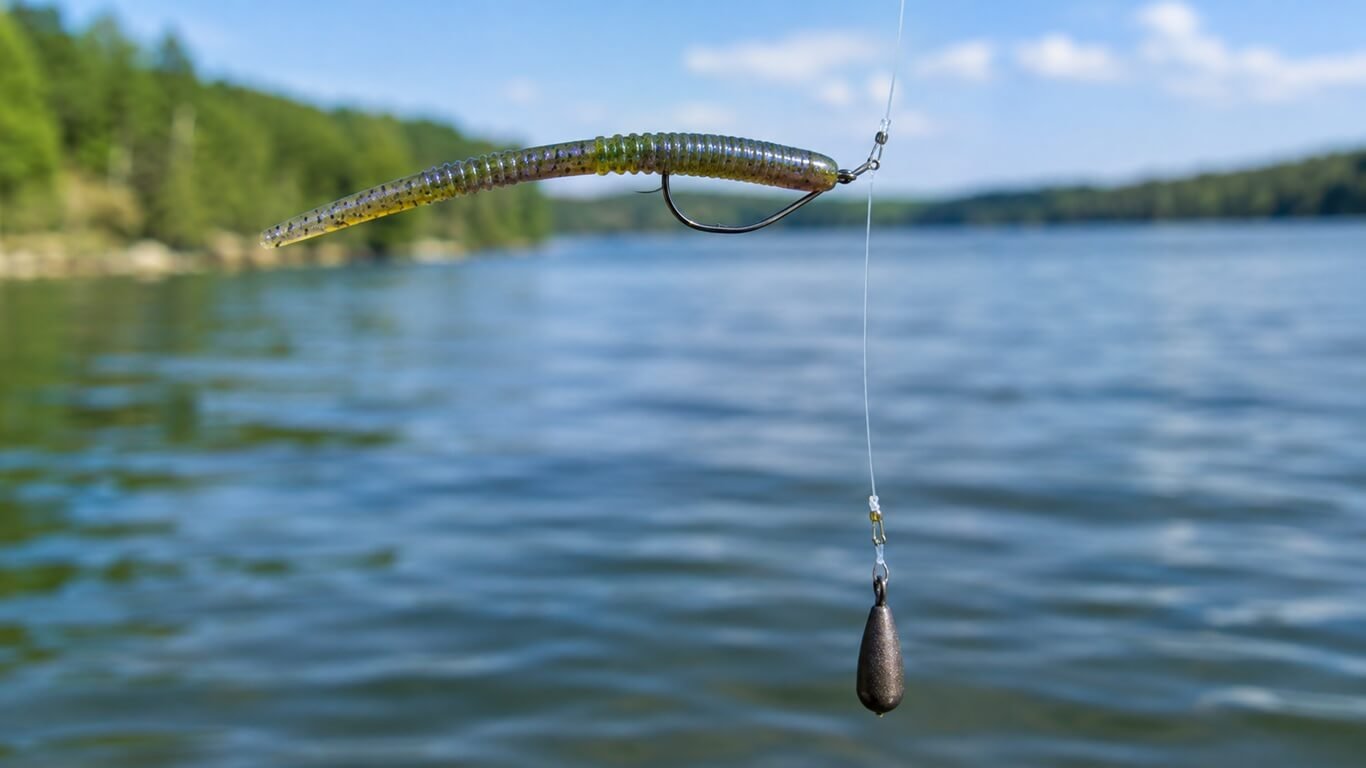
A drop-shot rig places the hook above a sinker tied or clipped to the end of the line. The sinker rests on or near the bottom while the soft plastic hangs above it. For a closer look at the rig’s components and how to adapt it to different fishing conditions, see the Vermont Fish & Wildlife Department’s drop-shot rig guide.
Unlike a Texas rig, where the weight is typically attached near the bait, a drop shot allows you to control how high the lure sits above the bottom. You can keep the bait in one area, make subtle movements, and present it to fish that are reluctant to chase faster-moving lures.
This setup is especially useful when fishing:
- Clear water where bass can inspect the bait closely.
- Deep points, ledges, and submerged structure.
- Rocky bottoms and underwater drop-offs.
- Areas where fish are pressured or reluctant to strike.
- Suspended fish holding above the bottom.
Although the drop shot is particularly popular for bass, similar setups can be adapted for other freshwater species when local tackle, bait regulations, and target-fish behavior allow.
Best Drop-Shot Hook Sizes by Fishing Situation
Choosing a hook involves more than matching a number to a bait length. The hook should hold the plastic securely, leave enough exposed gap for a reliable hookset, and avoid making a small finesse bait look bulky.
1. Size #4 to #2: Small Finesse Baits
Smaller hooks work well with tiny worms, compact minnows, and other subtle presentations. They’re useful when fish are feeding on small prey or when a larger hook makes the bait look unnatural.
Consider these sizes for:
- Small 2- to 3-inch soft plastics.
- Clear water and heavily pressured fish.
- Compact presentations for smaller bass and other panfish-sized species.
Use a light-wire hook suited to the bait and target fish. If the hook is too small for the plastic, the bait may bunch around the bend and interfere with hook penetration.
2. Size #2 to #1: Everyday Finesse Fishing
For many anglers, size #2 or #1 is a useful place to start when fishing 3- to 4-inch finesse worms and small baitfish-shaped plastics.
These hooks balance a compact profile with enough gap for many common drop-shot baits. They’re a sensible choice when you want to cover a range of bass fishing conditions without carrying a large selection of hook styles.
Choose the exact size based on the thickness of the plastic and how you intend to rig it.
3. Size #1 to 1/0: Versatile Bass Fishing
A size #1 or 1/0 hook can suit 4- to 5-inch worms, thicker soft plastics, and slightly larger baitfish imitations.
These sizes provide more room for larger baits, but a bigger hook isn’t automatically better. An oversized hook can affect how a small bait hangs and moves in the water. For open water, use a finesse or drop-shot-specific hook. Around weeds, brush, or docks, consider a suitable weedless design instead.
4. Size 1/0 to 2/0: Larger Soft Plastics and Weedless Presentations
Larger hooks can be appropriate for thicker 5- to 6-inch plastics or presentations that require a stronger, more snag-resistant hook. An offset or extra-wide-gap (EWG) hook can help when Texas-rigging a soft plastic for a weedless drop-shot setup. This is particularly useful around vegetation and cover where an exposed hook would snag frequently.
Check that the point can clear the plastic during a hookset. A thick bait paired with a heavy-gauge hook may require a different rod, line, and hook-setting approach than a light-wire finesse setup.
Best Soft Plastics for Drop-Shot Fishing
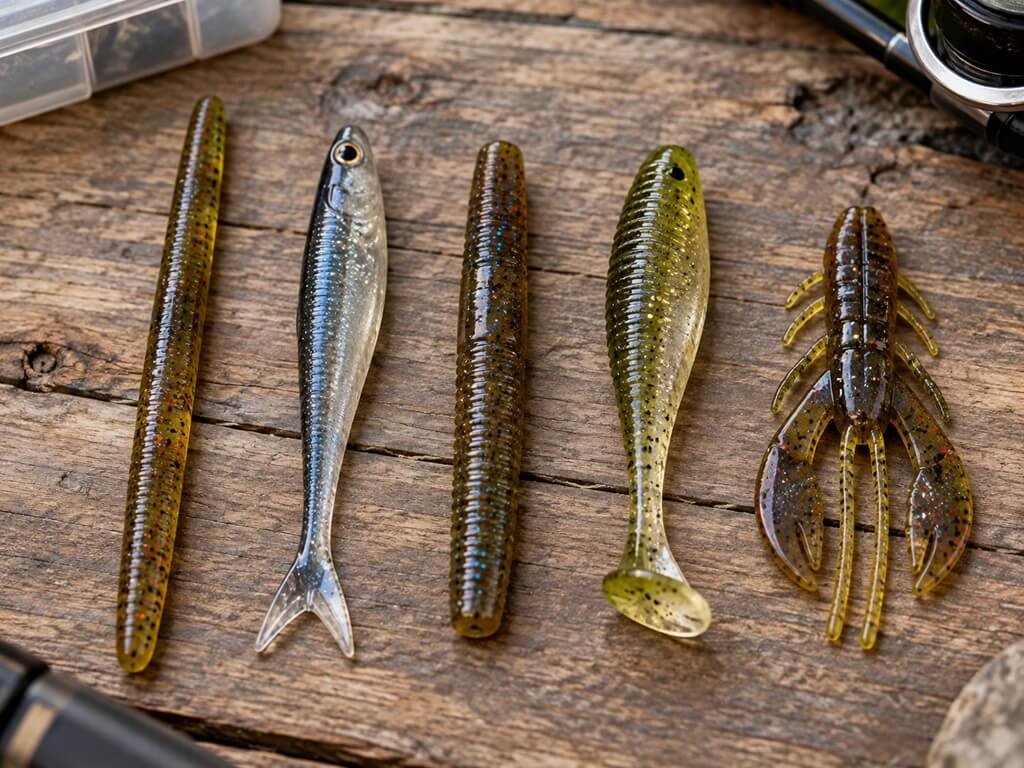
The best drop-shot bait depends on what the fish are eating, how active they are, and how much movement you want the lure to produce. Start with a simple selection of bait shapes rather than filling your tackle box with dozens of colors.
Keep your different hook sizes, drop-shot weights, and soft plastics organized in a tackle box; our guide to the best fishing tackle boxes covers options for storing and carrying fishing gear.
1. Straight-Tail Finesse Worms
Straight-tail worms are among the most versatile drop-shot baits. Their slim profile and subtle movement work well when you want the lure to hover in place with minimal rod movement.
- Best for: Clear water, pressured bass, and slow presentations around points, ledges, and submerged structure.
- How to rig it: Nose-hook the front of the worm, leaving most of the body and tail free to move. A size #2 or #1 hook is a useful starting point for many 3- to 4-inch worms.
When fish are hesitant, gently shake the rod tip without dragging the sinker far across the bottom.
2. Minnow-Shaped Soft Plastics
Small minnow and baitfish profiles are useful when bass are feeding on shad or other small fish. Their shape creates a different silhouette from a straight worm while keeping the presentation compact.
- Best for: Baitfish-feeding bass, clear reservoirs, and fish holding above submerged structure.
- How to rig it: Nose-hook a 3- to 4-inch minnow-shaped plastic so the body can move freely. If the bait rolls excessively, check that the hook enters straight and the plastic hangs naturally.
Natural shad, silver, smoke, and translucent colors are reasonable starting options in clear water. Choose colors that resemble local forage where possible.
3. Small Stick Baits
Compact stick-style soft plastics offer a thicker profile than a finesse worm without adding a large tail or paddle. Their subtle movement can be useful when fish want a slightly fuller presentation.
- Best for: Bass that ignore very slim worms but still respond to slow-moving baits.
- How to rig it: Nose-hook a small stick bait or use a suitable weedless rig when fishing around cover. Match the hook gap to the bait’s thickness.
A stick bait that is too large or bulky for the hook may fold around the bend and reduce your chances of a clean hookset.
4. Small Paddle-Tail Swimbaits
A small paddle-tail swimbait provides more movement than a straight-tail worm. Its tail can produce action as the bait moves through the water, making it a useful alternative when fish respond to a more active baitfish imitation.
- Best for: Bass feeding on baitfish and situations where a little extra movement helps attract attention.
- How to rig it: Choose a drop-shot hook with enough gap for the swimbait’s body. Nose-hooking may work for some slim designs, while thicker plastics may need a different hook style.
Keep the bait’s movement controlled. If it spins or twists the line, reposition it or try a more suitable hook and plastic combination.
5. Small Creature Baits
Compact creature baits have appendages that move with subtle rod-tip action. They can imitate small aquatic prey and provide a bulkier silhouette than a straight worm.
- Best for: Bass responding to crawfish-like or other bottom-associated prey.
- How to rig it: Use a hook that accommodates the bait’s body and appendages without crowding the point. Nose-hooking may suit some compact designs, but a weedless Texas-style rig is often a better choice around vegetation.
Keep the bait small enough to move naturally and avoid selecting a bulky plastic simply because it looks attractive out of the water.
Drop-Shot Soft Plastics: Comparison Table
| Bait Type | Main Advantage | Ideal Situation | Starting Hook Size |
| Straight-tail worm | Subtle, natural movement | Pressured fish and clear water | #2–#1 |
| Minnow-shaped plastic | Baitfish profile | Bass feeding on small fish | #2–1/0 |
| Small stick bait | Fuller, compact profile | Fish wanting a slightly larger bait | #1–1/0 |
| Paddle-tail swimbait | More tail action | Active baitfish feeding | #1–1/0 |
| Small creature bait | More appendage movement | Bottom-oriented feeding | #1–2/0 |
Use the table as a starting point rather than a strict sizing chart. A slim 4-inch bait and a thick 4-inch bait may need different hooks.
How to Tie and Set Up a Drop-Shot Rig
You can assemble a basic drop-shot rig with a suitable hook, line, soft plastic, and drop-shot weight.
Step 1: Choose Your Line and Hook
For a conventional finesse setup, a medium-light spinning rod paired with light line is a practical starting point. Many bass anglers use a braided main line with a fluorocarbon leader or fish straight fluorocarbon.
Choose a size #2 or #1 drop-shot hook for a small finesse worm, then adjust the hook size to suit your bait.
Although a medium-light spinning rod is a common choice for finesse presentations, anglers who prefer casting tackle can explore our guide to the best baitcasting rods for bass when choosing a rod for their fishing style.
Step 2: Tie the Hook With a Palomar Knot
- Pass a doubled section of line through the hook eye.
- Tie a loose overhand knot with the doubled line.
- Pass the hook through the resulting loop.
- Moisten the line and tighten the knot carefully.
Your line choice also affects sensitivity and presentation, so compare the characteristics of the best monofilament fishing lines before deciding which line suits your overall fishing setup. Leave a sufficiently long tag end to position the sinker below the hook. If you’re using a Palomar knot, check that the hook sits in the desired orientation.
Step 3: Position the Hook Correctly
Pass the tag end back through the hook eye from the point side, where the hook design permits. This helps the hook point upward and the hook sit more horizontally when the weight hangs below it. The precise threading direction can vary with hook design, so check the finished rig before fishing.
Step 4: Attach the Drop-Shot Weight
Attach a purpose-made drop-shot weight to the tag end. Many models have a clip that grips the line, allowing you to adjust the distance or replace a lost weight quickly. If the weight uses a knot rather than a line clip, tie it securely and check the connection before casting.
Step 5: Add the Soft Plastic
For an exposed-hook finesse presentation, lightly nose-hook the bait so most of its body hangs freely. Avoid threading too much plastic onto the hook, which can restrict movement. If you’re fishing in weeds or brush, consider a weedless hook and Texas-rig the bait instead.
Step 6: Check the Finished Rig
Lower the rig into shallow water or a clear container and inspect it. The weight should hang below the hook, while the bait should sit naturally without excessive twisting. Correct any misalignment before fishing. If you’re unfamiliar with this connection, follow the Florida FWC’s Palomar knot instructions to review the steps for tying it to a hook.
What Drop-Shot Weight Should You Use?
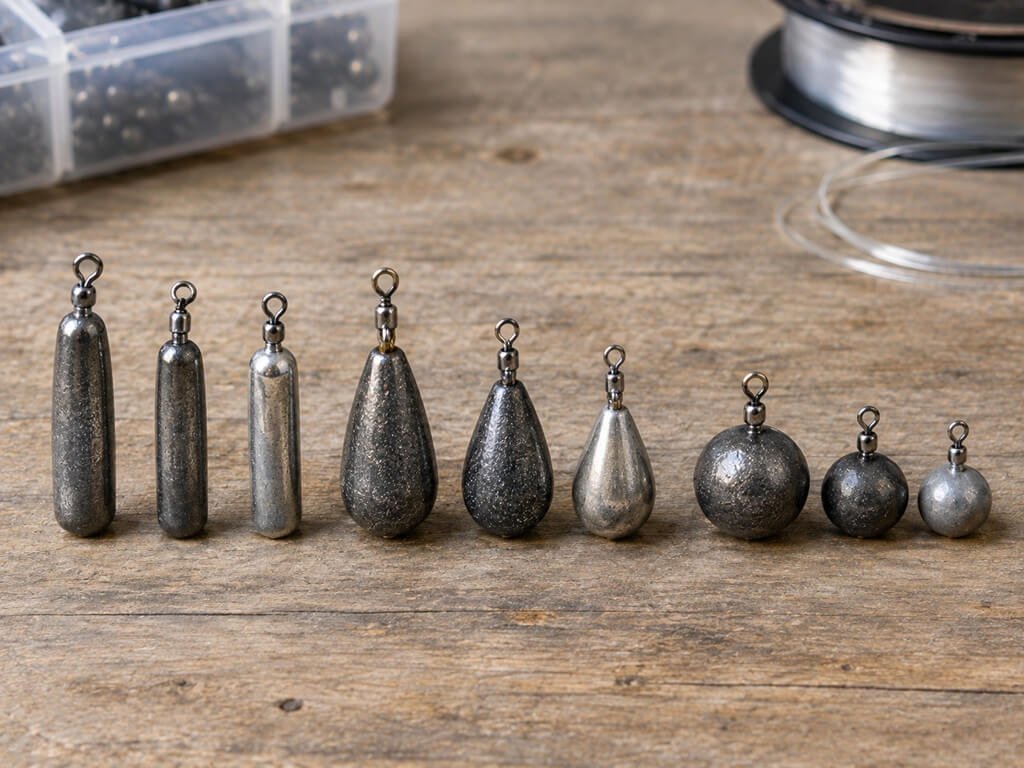
The right weight is the lightest one that lets you maintain useful bottom contact and control the presentation under the conditions you’re fishing.
| Conditions | Starting Weight |
| Shallow, calm water | 1/8 oz |
| General-purpose bass fishing | 3/16–1/4 oz |
| Deeper water or moderate current | 1/4–3/8 oz |
| Strong current or wind | 3/8 oz or heavier, as needed |
These are starting ranges, not universal requirements. Depth, line diameter, boat movement, current, and bottom composition all affect the weight you need.
Cylinder-shaped weights can be useful around grass and snag-prone areas. Round or teardrop shapes can work well over other bottom types. Tungsten weights are typically more compact and transmit bottom contact well, while lead weights may be a lower-cost option where legal. Always follow local rules on fishing weights and tackle materials.
How Far Above the Weight Should the Hook Sit?
The distance between the hook and sinker determines how high your bait can sit above the bottom when the weight is resting on it.
- 6–12 inches: A starting point when fish are feeding close to the bottom.
- 12–18 inches: A versatile starting distance for many situations.
- 18–36 inches: Useful when fish are holding higher above the bottom or the bait needs to sit above submerged vegetation.
Adjust the spacing according to where fish are holding. If you can see fish on sonar, use their position as a guide. When fishing without electronics, experiment with the distance until the bait reaches the likely feeding zone. Remember that the bait’s actual position can change with line angle, current, and bottom contours.
When you need to identify depth changes and locate fish holding above the bottom, a fish finder can help; see our guide to the best fish finders under $500 for budget-friendly options.
How to Fish a Drop-Shot Rig Effectively
A drop-shot rig is designed for controlled movement rather than constant, aggressive action. A kayak can provide access to submerged structure, points, and other productive fishing areas that are difficult to reach from shore; explore the best fishing kayaks if you’re planning to fish from the water.
Start With a Slow Presentation
Cast toward a likely holding area, let the weight settle, and take up excess slack while maintaining contact with the rig. Use small rod-tip movements to make the bait quiver. You don’t need to shake it continuously; sometimes letting it remain still is more effective.
Keep the Weight Near the Bottom
The sinker helps you maintain position. Move it gradually when you need to cover new water, then pause to give fish time to respond. Dragging the weight aggressively can cause snags and pull the bait away from a fish’s feeding zone.
Watch for Subtle Bites
A bite may feel like a light tap, a sudden change in tension, or unexpected heaviness. Keep enough contact with the rig to notice these changes without pulling the bait out of position. When you detect a bite, use a controlled hookset suited to your hook and line. Light-wire hooks generally do not require an exaggerated, forceful swing.
Adjust When Fish Won’t Bite
If fish follow but refuse the bait, try changing one variable at a time:
- Reduce the bait size.
- Switch from a paddle tail to a straight-tail worm.
- Change the color to better match local forage or water clarity.
- Shorten or lengthen the distance between hook and weight.
- Pause longer between movements.
These adjustments help you identify whether the problem is bait size, presentation, or position.
Common Drop-Shot Fishing Mistakes to Avoid
- Using a hook that’s too large: An oversized hook can overwhelm a small bait and interfere with its action. Match the hook gap and wire thickness to the plastic.
- Choosing a bait that’s too bulky: Large appendages and thick bodies can be less suitable when fish respond to subtle finesse presentations. Start compact and increase the profile when needed.
- Moving the rig too aggressively: Excessive shaking can make the bait look unnatural or drag it away from fish. Try gentle movements and pauses.
- Using too much weight: A heavy sinker may be unnecessary in calm, shallow water. Use enough weight to maintain control, but avoid adding more than the conditions require.
- Ignoring line twist: A bait that spins can twist the line and compromise presentation. Check how the plastic hangs, rig it straight, and consider a suitable hook design that helps manage rotation.
- Never adjusting hook-to-weight spacing: A bait sitting too low may be missed by fish suspended above the bottom. Increase the spacing when fish are holding higher in the water column.
FAQs About Drop Shot Rig Hook Sizes & Best Soft Plastics
What size hook is best for a drop-shot rig?
A size #2 or #1 finesse hook is a good starting point for many 3- to 4-inch soft plastics. Use smaller hooks for compact baits and larger hooks when the plastic’s thickness and size require more gap.
Can you use a regular worm hook for drop-shot fishing?
Yes. A suitable worm hook can work, especially when you need a weedless presentation around grass, brush, or docks. For open-water finesse fishing, a dedicated drop-shot hook or another suitable light-wire design often makes it easier to present a small bait naturally.
What is the best soft plastic for drop-shot fishing?
A straight-tail finesse worm is an excellent starting option because it offers subtle movement and is easy to rig. Small minnow-shaped plastics are another useful choice when bass are feeding on baitfish. There is no single best bait for every situation. Water clarity, local forage, fish activity, and fishing pressure all influence which shape performs best.
Should you nose-hook or Texas-rig a drop-shot bait?
Nose-hooking exposes the hook and allows many slim plastics to move freely, making it useful in relatively open water. Texas-rigging hides the hook point and can reduce snags around vegetation and cover. Choose the method that best balances natural movement with the cover you’re fishing.
How heavy should a drop-shot weight be?
A 1/8- to 1/4-ounce weight is a practical starting range for many shallow or moderate-depth situations. Deeper water, wind, and current may require 3/8 ounce or more. Use the lightest weight that maintains adequate control.
How far should the hook be above the weight?
Start with 12–18 inches for a versatile presentation. Shorten the distance when fish are close to the bottom, or lengthen it when they’re holding higher above the bottom or above vegetation.
Is a drop-shot rig good for beginners?
Yes. The setup is relatively simple, and the ability to keep a soft plastic above the bottom makes it useful for learning controlled presentations. Start with a small finesse worm, a size #2 or #1 hook, and a weight suitable for the depth and current.
Final Thoughts
The best drop-shot setup is one that keeps your soft plastic in the feeding zone while allowing it to move naturally. For most beginners, a size #2 or #1 hook paired with a 3- to 4-inch straight-tail worm is a sensible starting point.
From there, experiment with minnow-shaped plastics, stick baits, and other profiles. Adjust the hook size to the bait, change the weight to match the conditions, and vary the hook-to-weight distance according to where the fish are holding. A few well-chosen hooks and soft plastics are enough to build a versatile drop-shot selection. Focus on presentation and matching your tackle to the situation rather than carrying every size and style available.
Fishing regulations and permitted tackle vary by location. Check local rules before fishing.