Aluminum vs Carbon MTB Frames in 2026: Why Alloy is Making a Comeback

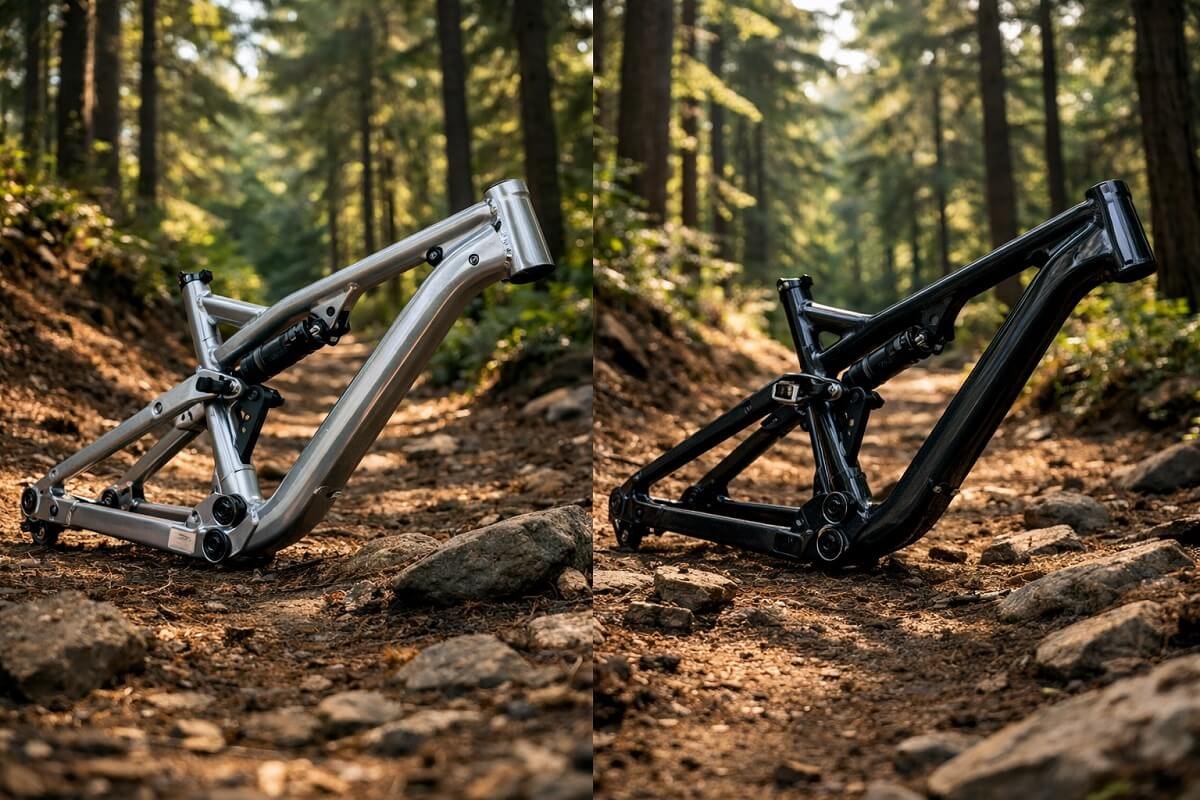
Mountain biking continues to evolve rapidly, and 2026 is shaping up as a pivotal year for frame materials. Riders have long debated aluminum vs. carbon MTB frames, weighing weight, durability, ride feel, and cost. While carbon dominated high-end MTB markets for its lightweight design and stiffness, aluminum — often referred to as “alloy” in MTB circles — is making a noticeable comeback.
As an MTB rider with years of trail experience, I’ve tested both aluminum and carbon frames across rocky descents, technical climbs, and long cross-country rides. I’ve noticed patterns: aluminum frames often survive crashes better, are easier to maintain, and feel more lively on technical terrain. Carbon frames excel at climbing efficiency and controlled flex, but cost and crash sensitivity can be limiting.
This article will explore:
- Detailed aluminum vs. carbon comparisons
- Why alloy frames are re-surging in 2026
- How MTB discipline affects frame material choice
- Buying tips, maintenance advice, and FAQs
By the end, you’ll know which frame fits your riding style, terrain, and budget — backed by real-world experience and technical insights.
Aluminum vs. Carbon: Weight, Strength, and Durability
Weight Considerations
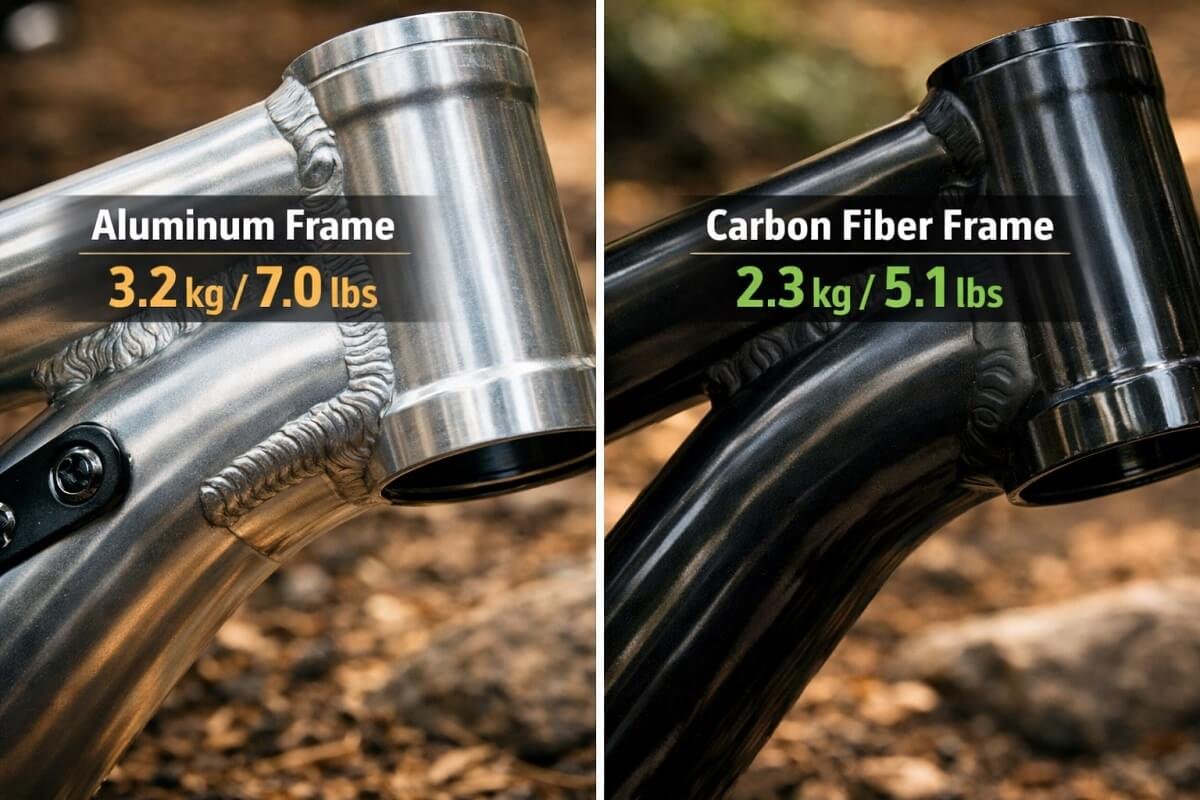
Carbon is inherently lighter than aluminum. High-end carbon frames can be 1–2 pounds lighter than similarly sized aluminum frames. For XC riders, every ounce matters on steep climbs.
Aluminum, however, has caught up in performance. Modern alloys like 6069 and 7075 use heat-treatment, hydroforming, and butted tubing, reducing weight without sacrificing strength. Many mid-range aluminum frames now weigh only slightly more than carbon, making the trade-off nearly negligible for most riders.
Stiffness and Ride Feel
Carbon fiber offers a high stiffness-to-weight ratio, which is why it’s widely used in aerospace and performance industries. According to NASA, carbon composites provide exceptional strength while reducing structural weight. This will improve pedaling efficiency while absorbing trail vibrations where needed. This makes them ideal for long XC rides or endurance events.
Aluminum frames, by contrast, offer uniform stiffness, giving a more direct and “lively” trail feel. This is especially noticeable in enduro and downhill riding, where a predictable, responsive frame makes navigating rocks, roots, and jumps easier.
Durability and Crash Tolerance
Carbon frames are strong but can fail if impacted sharply. Even minor crashes often require professional inspection to detect hidden fractures.
Aluminum frames are more crash-forgiving. Dents and scratches rarely compromise safety, which is why many aggressive riders prefer alloy for technical trails or enduro racing.
Expert tip: If you frequently ride rocky trails or technical terrain, aluminum frames can handle impacts better and are easier to maintain.
- Check our guide on hardtail vs full-suspension MTB frames for material considerations.”
Alloy Frames: What’s Making Them Popular Again?
1. Advanced Alloy Technologies
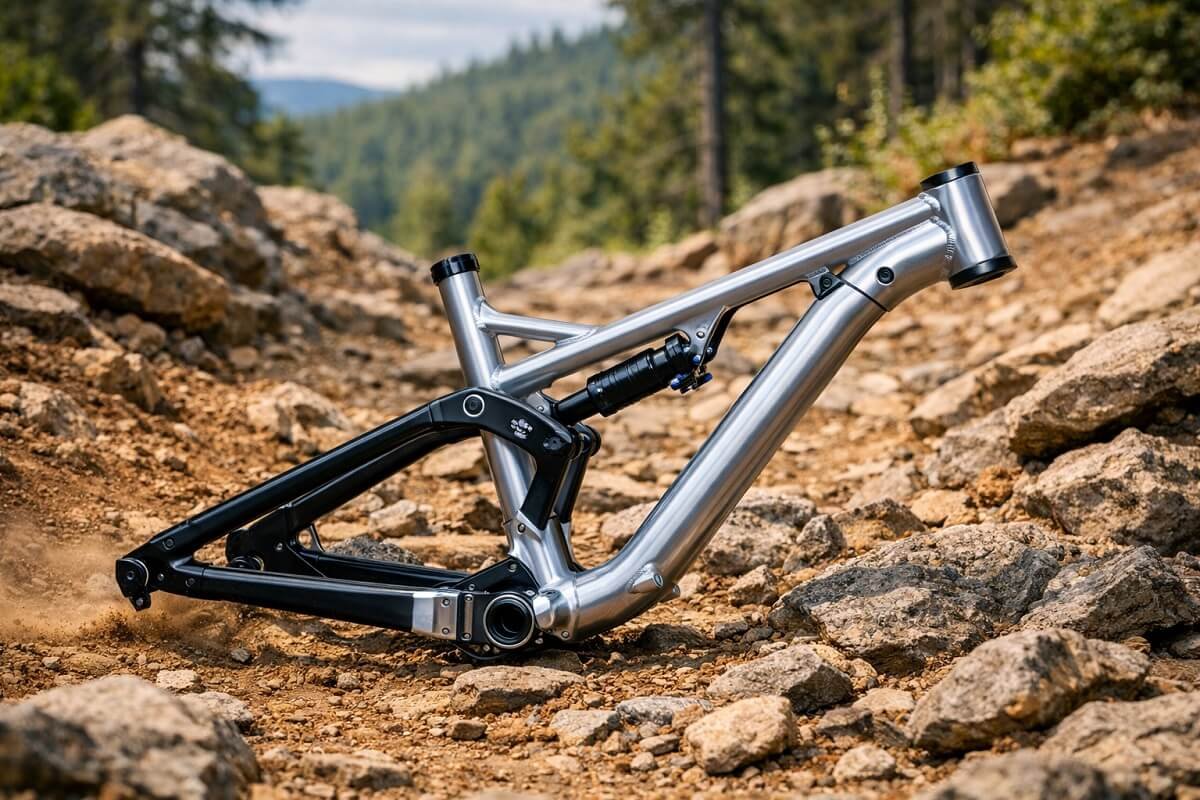
Modern aluminum alloys are heat-treated and hydroformed to deliver impressive strength-to-weight ratios. Manufacturers are also blending materials: aluminum main triangles with carbon stays or swing arms. This hybrid design combines stiffness, durability, and controlled compliance without the full cost of carbon.
2. Cost-Effectiveness
Carbon frames remain expensive, often $5,000+ for high-end models. Alloy frames deliver comparable performance at a fraction of the price, making them accessible for beginners, intermediate riders, and seasoned riders seeking a secondary trail bike.
3. Ride Feel and Maintenance
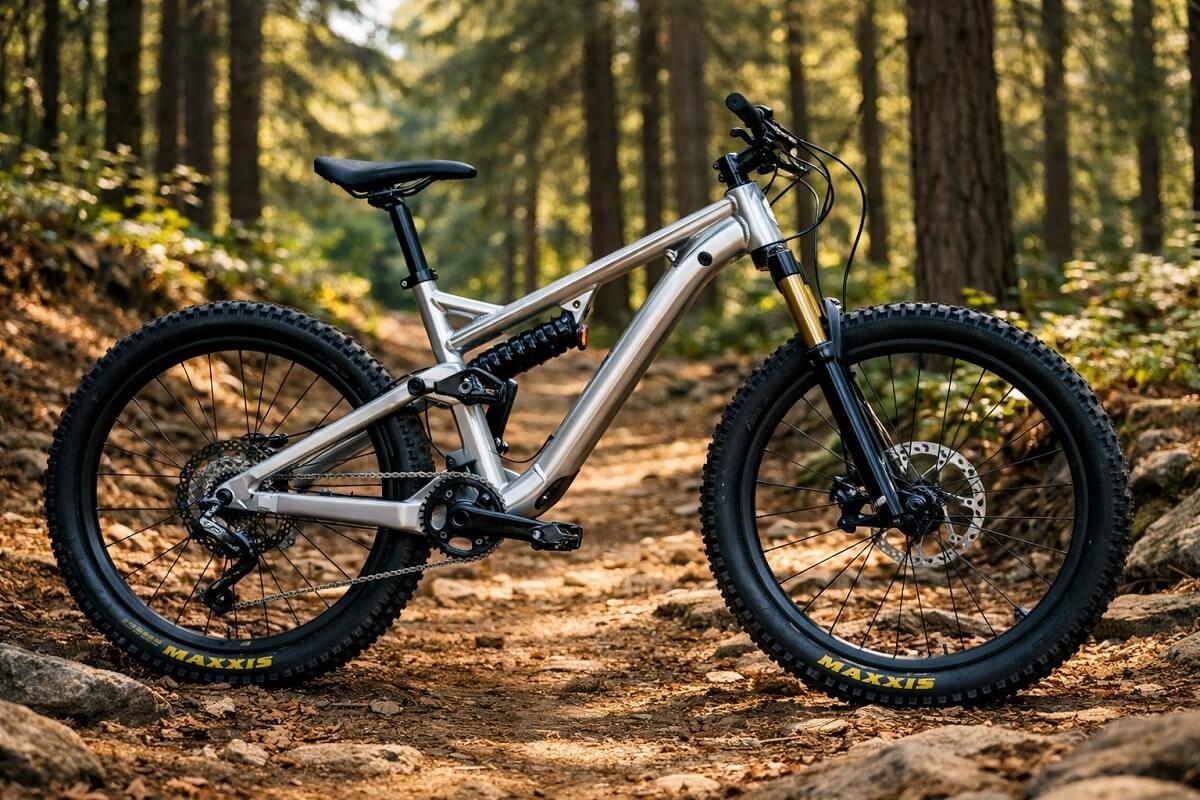
Aluminum frames are slightly more compliant than early carbon models, giving a lively ride feel. They also require less post-crash inspection — a dent rarely makes the frame unrideable. This durability factor has contributed to the resurgence of alloys in 2026.
- See our best MTB wheels 2026 guide for compatible setup tips.
Hardtail vs Full-Suspension: How Frame Material Matters
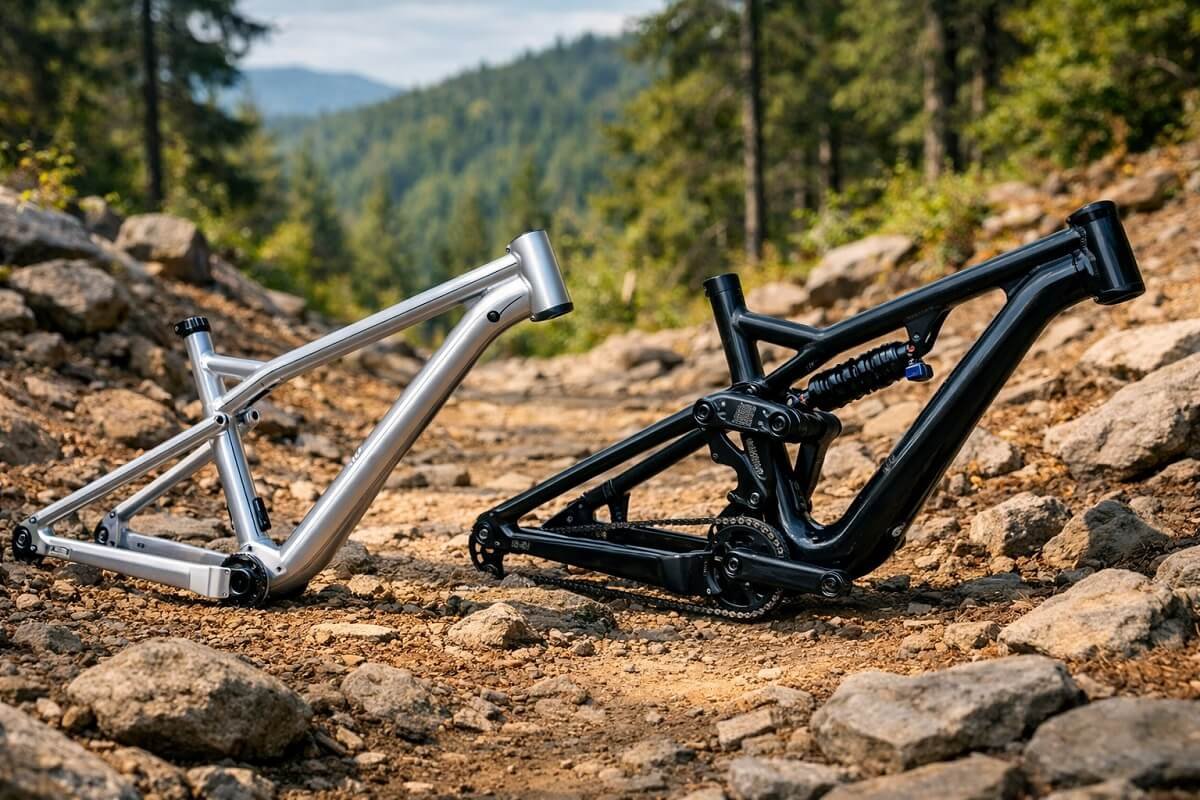
Hardtail Frames
Aluminum shines in hardtail designs. Since the rear triangle lacks suspension, frame stiffness directly affects pedaling efficiency and handling. XC riders often prefer carbon for weight savings, but aluminum hardtails provide a responsive, direct feel for trail and enduro riders.
Full-Suspension Frames
Full-suspension frames require careful material choice. Carbon allows engineers to tune pivot flex and stiffness, improving suspension performance. Aluminum full-suspension frames now perform nearly as well as carbon due to advanced alloys and hydroformed tubing.
Expert tip: Pair frame material with suspension type. Aluminum works well for hardtails or budget-conscious full-suspension bikes, while carbon dominates ultralight, performance-focused builds.
Discipline-Specific Material Recommendations

- Cross-Country (XC): Carbon is ideal for low weight and optimized stiffness. Aluminum hardtails are viable for budget riders.
- Enduro: Aluminum excels because of durability and crash tolerance. Hybrid alloy-carbon frames provide balance between weight and toughness.
- Downhill (DH): Aluminum dominates for strength and reliability under impact. Carbon is acceptable for professional riders, but repairs are costly.
- Trail Riding / All-Mountain: Aluminum offers predictable handling and reliability. Carbon frames are lighter but less practical for rugged trails.
Expert Tips for Choosing the Right MTB Frame in 2026
- Match Your Riding Style: XC riders need lightweight, efficient frames for climbing. Trail riders want balance and versatility. Enduro and downhill riders should prioritize strength and stability with longer travel and slacker geometry.
- Prioritize Geometry: Modern alloy frames now feature aggressive trail geometry once limited to carbon. Focus on head angle, reach, and chainstay length. Geometry often impacts ride feel more than material alone.
- Maintenance Matters: Aluminum frames are easier to inspect and repair. Carbon frames require careful checks after impacts. Riders who value simplicity may lean alloy.
- Test Ride if Possible: Ride feel varies. Some prefer aluminum’s direct power transfer. Others like carbon’s smoother compliance. Real-world feel beats spec sheets.
- Think Long-Term Value: Alloy offers durability at a lower cost, freeing budget for better suspension or drivetrain — a smart angle when linking to your best value MTBs of 2026.

2026 MTB Trends: Why Alloy is Making a Comeback
- Affordability: Alloy frames are accessible to more riders without compromising performance.
- Durability Improvements: Heat-treated aluminum alloys rival carbon in strength.
- Hybrid Designs: Aluminum main triangles with carbon stays balance weight and compliance.
- Sustainability: Aluminum is recyclable, aligning with eco-conscious trends.
- Versatility: Alloy frames suit multiple MTB disciplines, ideal for riders with varied trail styles.
Expert tip: “Alloy-plus-carbon” hybrid frames provide optimal balance of cost, weight, and ride quality.
FAQs: Aluminum vs. Carbon MTB Frames
Is aluminum better than carbon for MTB frames?
Not universally. Aluminum is durable and affordable; carbon is lighter and allows precise stiffness tuning. Choose based on riding style, terrain, and budget.
Why are alloy MTB frames making a comeback in 2026?
Advances in alloy tech, hybrid designs, and affordability have brought aluminum back into mainstream MTB builds.
Which MTB frame is lighter?
Carbon is generally lighter, but modern aluminum alloys are competitive in mid-range models.
Can I mix alloy and carbon in one frame?
Yes. Many frames feature aluminum main triangles with carbon stays to optimize weight, compliance, and cost.
Are aluminum frames better for aggressive trails?
Yes. Aluminum’s durability and crash tolerance make it ideal for enduro, downhill, and rocky trails.
How do I maintain aluminum vs carbon frames?
Aluminum requires simple inspection for dents or cracks. Carbon requires careful visual and tap testing after impacts.
Conclusion
In 2026, the aluminum vs carbon MTB frame debate continues, but alloy frames are reasserting themselves as strong contenders. While carbon remains top choice for ultralight performance, aluminum offers durability, versatility, and cost-effectiveness.
Riders prioritizing ride feel, reliability, and budget-friendly builds will find aluminum frames increasingly attractive. Hybrid designs combining aluminum and carbon maximize both worlds. Test both materials, consider your trail style, and embrace the 2026 trend: alloy frames are back — stronger and smarter than ever.