How to Fish Paddle-Tail Swimbaits Over Submerged Weed Beds

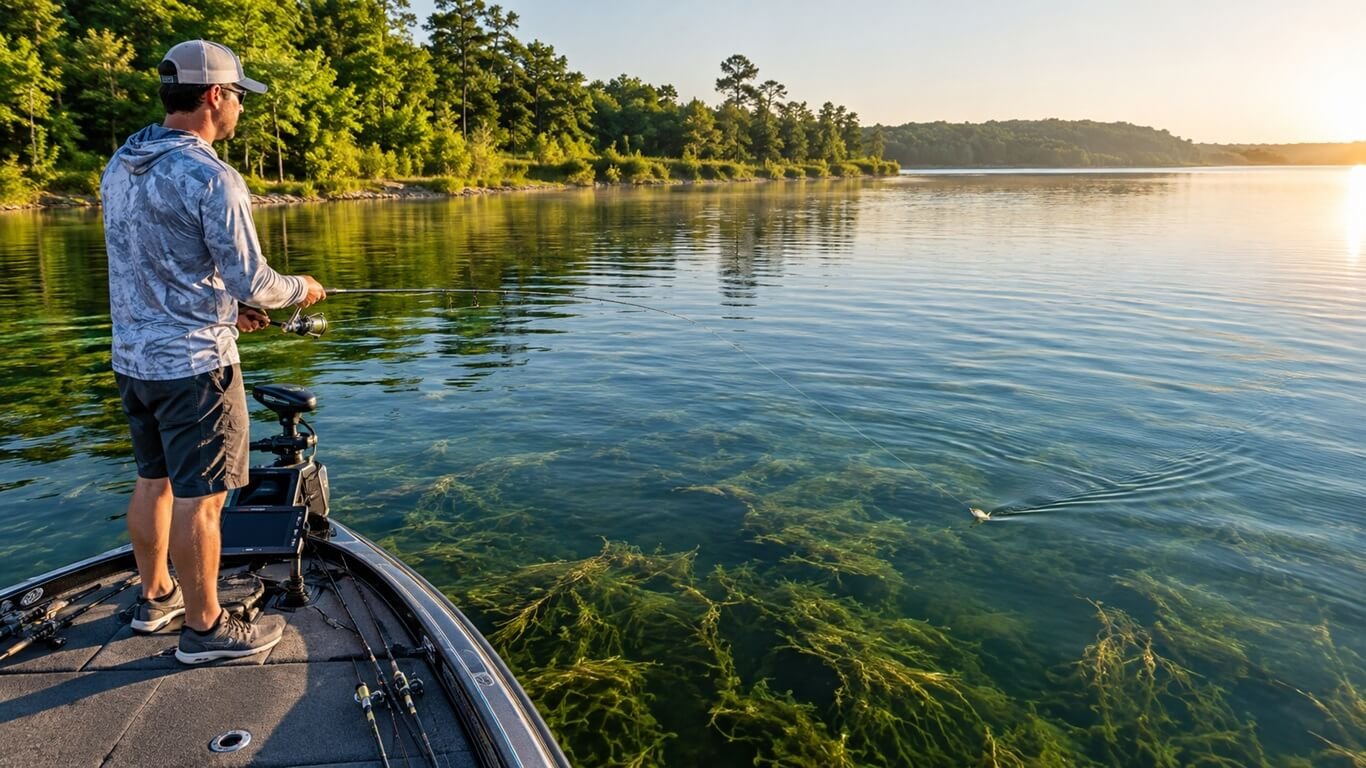
Learning how to fish paddle-tail swimbaits over submerged weed beds is one of the most effective ways to target largemouth bass using underwater vegetation for cover. These dense grass beds hold baitfish, provide ambush points, and create prime feeding lanes where bass actively attack moving lures.
The key is keeping your lure swimming just above the weed tops without constantly pulling through heavy cover. The right combination of lure size, hook style, retrieve speed, and casting angle helps you cover more water while staying in the strike zone.
You’ll learn how to rig a paddle-tail swimbait for weeds, choose the ideal retrieve, identify productive vegetation patches, and adjust your presentation when bass aren’t responding.
Why Fish Paddle-Tail Swimbaits Over Submerged Weed Beds?
Submerged vegetation provides cover for baitfish and creates favorable feeding locations for predatory fish. Bass often position themselves along weed edges, inside openings, and near changes in vegetation density.
A paddle-tail swimbait imitates a small baitfish through its body shape and tail action. As you retrieve it, the tail produces a steady kicking motion that creates vibration and movement, even at relatively slow speeds. This makes paddle-tail swimbaits useful when you want to search a large weed bed without repeatedly stopping to work a slower presentation.
Three areas deserve particular attention:
- Weed edges: Bass can wait along the outside edge and ambush baitfish moving past.
- Open pockets and lanes: These provide clear paths for a swimbait and may concentrate feeding activity.
- Changes in vegetation: Points, corners, irregular edges, and transitions between sparse and thick weeds can create natural ambush locations.
Rather than casting randomly across an entire weed bed, focus on these features first. If you’re building your overall approach to freshwater fishing, our ultimate freshwater fishing guide covers additional techniques, gear choices, bait options, and practical tips for different fishing situations.
1. Choose the Right Paddle-Tail Swimbait
The best swimbait depends on the vegetation’s thickness, the depth of the water, the size of the available forage, and how aggressively bass are feeding.
Match the size to the conditions
Smaller paddle-tail swimbaits can be useful when bass are feeding on small baitfish or when fish respond better to a subtle presentation. Larger profiles may be appropriate when bigger forage is present or you want to offer a more substantial target.
As a starting point, consider these general sizes:
| Swimbait size | When to use it |
|---|---|
| 2.5–3.5 inches | Small forage, pressured fish, or a subtle presentation |
| 3.5–4.5 inches | A versatile starting point for many bass-fishing situations |
| 4.5–5.5 inches | Larger forage or situations calling for a bigger profile |
These are starting ranges, not fixed rules. Adjust to local forage and the size of bass you are targeting.
Select a suitable tail and body profile
A paddle tail should begin kicking at the speed you intend to fish. Some designs produce substantial movement at slow speeds, while others work best with a more moderate retrieve.
For fishing over submerged grass, prioritize a bait that swims straight and maintains a consistent action without requiring a fast retrieve. A lure that rolls excessively or tracks sideways is harder to keep at the correct depth.
Choose a natural color
Color selection should reflect water clarity, light conditions, and the local forage.
- Clear water: Try natural shad, silver, translucent baitfish, or other subtle patterns.
- Stained water: Consider white, pearl, or a slightly darker pattern with visible contrast.
- Low-light conditions: Experiment with white, chartreuse accents, or darker silhouettes, depending on water clarity.
- Bluegill-rich waters: Green pumpkin, bluegill, or other sunfish-inspired patterns may be appropriate.
Start with a color that resembles the available forage, then change it if fish follow the bait without striking.
2. Pick the Best Rig for Submerged Weeds
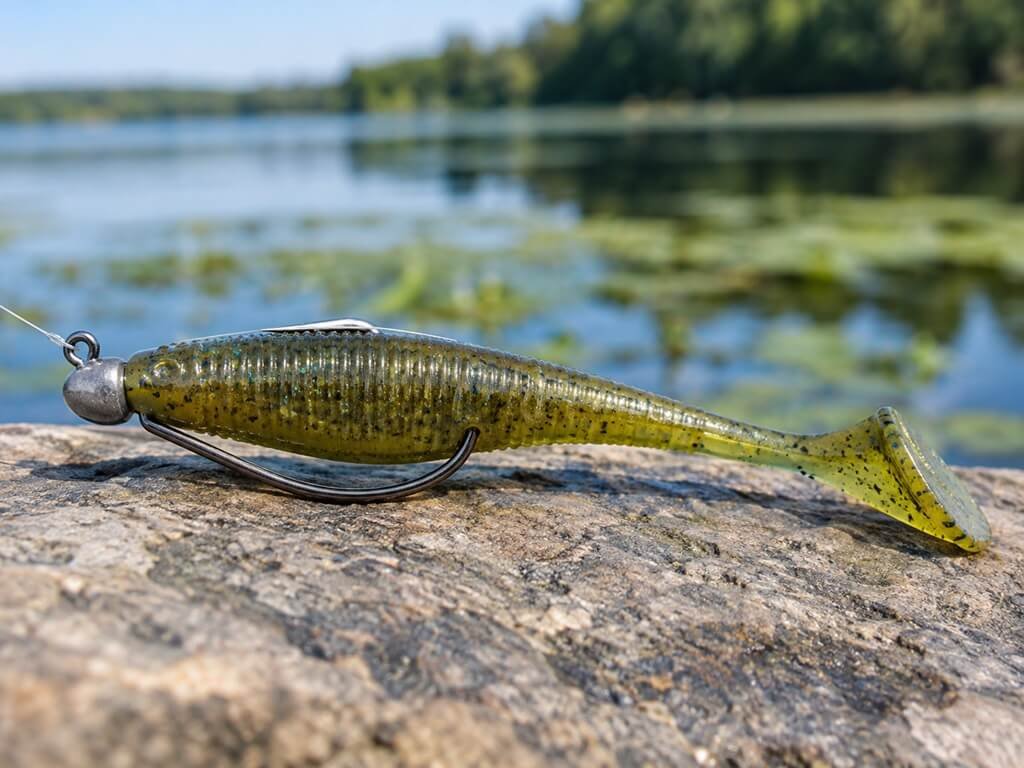
Your rig determines how easily the swimbait passes through vegetation and how effectively it maintains the desired depth. If you’re unsure how much weight to use, our guide on choosing the right jighead for soft lures explains how jighead weight and design affect lure presentation.
For additional guidance on selecting locations and presenting weedless swimbaits around heavy cover, see this guide to fishing weedless swimbaits from Wired2Fish.
Weedless swimbait hook
A weighted, wide-gap swimbait hook is a strong starting point for fishing through submerged grass. The hook point can sit lightly against or just beneath the plastic, reducing the chance of collecting weeds.
Choose the weight based on the depth, vegetation density, and desired retrieve speed. A lighter hook generally helps keep the bait higher in the water column, while a heavier one allows it to descend more quickly.
Rig the swimbait straight. If the body is twisted, the lure may roll or veer to one side rather than swimming naturally. This setup is especially useful when casting over grass that reaches close to the surface or when retrieving through scattered vegetation.
Weighted swimbait hook versus jighead
An exposed jighead can provide excellent hook exposure and a direct connection to the lure, but its exposed hook point can collect weeds.
A weighted, weedless hook is generally preferable when the bait must pass over or through vegetation. In sparse grass or open lanes, an exposed jighead may be more practical. The choice comes down to how much vegetation the lure will encounter and whether the hook can remain clear during the retrieve.
Choose enough weight to maintain control
Avoid automatically choosing the heaviest available hook. Excessive weight can pull the swimbait into the weeds before it reaches the end of the cast. Instead, use the lightest weight that allows you to cast accurately and maintain control at the depth you want to fish. Increase the weight if wind, current, or depth makes the bait difficult to control.
3. Keep the Swimbait Just Above the Weed Tops
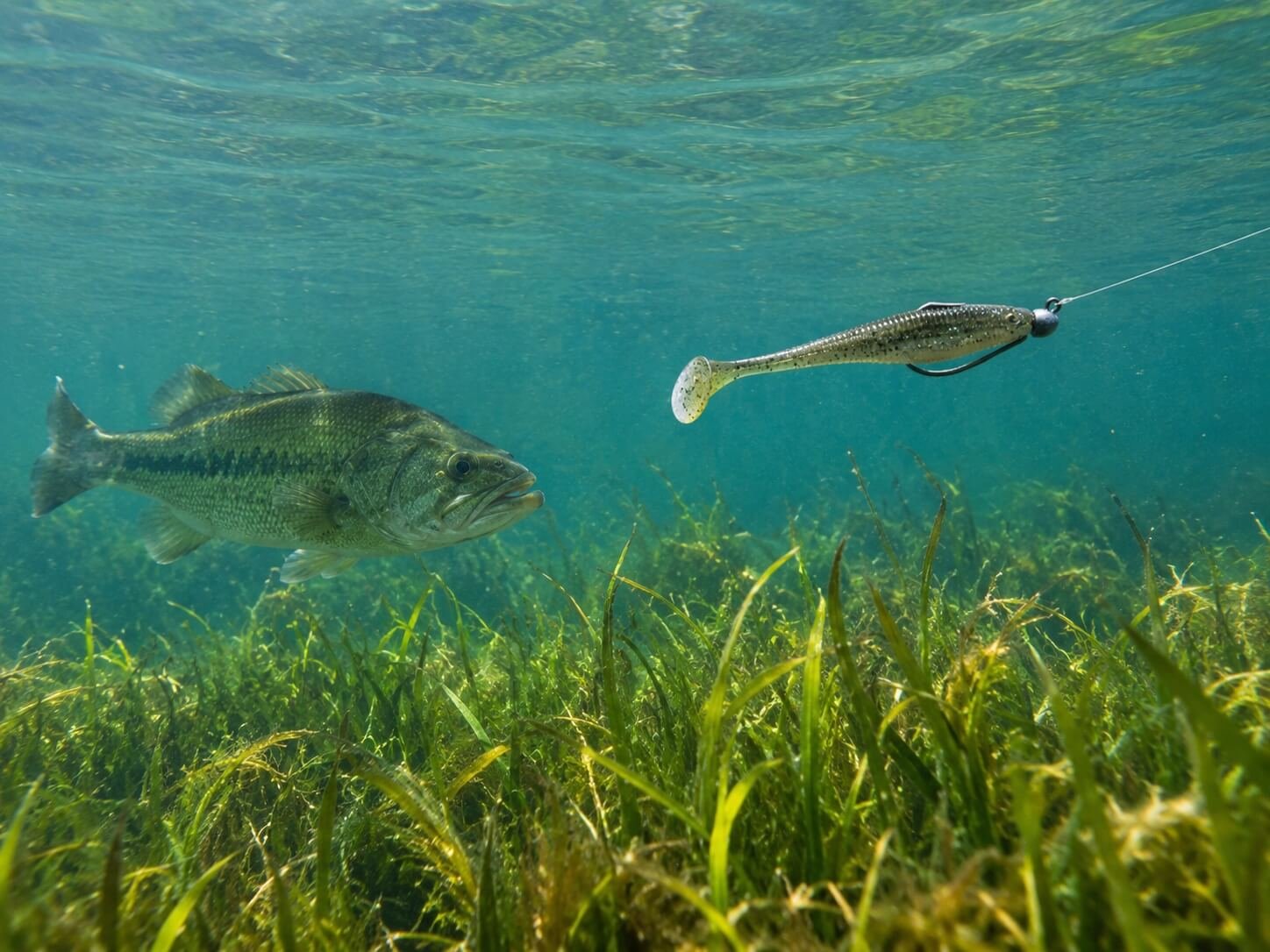
Depth control is one of the most important parts of this technique. If the swimbait runs too high, it may pass above bass holding close to the vegetation. If it runs too low, it can collect weeds and lose its natural swimming action. The goal is to maintain a consistent path just above the upper edge of the submerged vegetation.
Let the bait sink before retrieving
After casting, allow the swimbait to sink briefly before starting your retrieve. The length of the pause depends on the lure’s weight, line, water depth, and the height of the weeds.
Start with a short pause and adjust gradually. If the lure is consistently passing over the vegetation without contacting it, allow it to sink a little longer. If it immediately catches weeds, shorten the pause or use a lighter rig. You do not need to count down the bait identically on every cast. Weed height can change across the same area.
Use a steady retrieve
Once the bait reaches the desired depth, turn the reel handle at a consistent speed. Watch the rod tip and line for signs that the lure is swimming properly. A good retrieve should maintain the paddle tail’s action without dragging the body into the vegetation.
If the bait starts collecting grass, increase the retrieve speed slightly, reduce the rig’s weight, or cast across a shallower angle. Make one adjustment at a time so you can identify what works.
Use the rod to make small corrections
Your rod can help you adjust the lure’s path during the retrieve.
Hold the rod at a comfortable angle and make small movements to guide the swimbait around isolated weed clumps or along a vegetation edge. Avoid exaggerated jerks unless you deliberately want a more erratic presentation.
Small corrections are usually easier to control and help keep the lure swimming naturally.
4. A Practical Approach to Fishing Swimbaits Over Weed Beds
When fishing an unfamiliar weed bed, start by identifying the vegetation’s height and the depth of the surrounding water. These details help determine how much weight to use and how long to let the swimbait sink before retrieving it.
Use this simple approach to dial in your presentation:
- Start along the outside edge. Make a few casts parallel to the vegetation so the lure stays in a similar depth zone throughout most of the retrieve.
- Check the lure’s running depth. If it returns with grass on the hook, shorten the sink time or reduce the weight. If it consistently runs above the target zone, allow it to sink a little longer.
- Test a consistent retrieve first. Keep the paddle tail working steadily before experimenting with pauses or changes in speed.
- Repeat productive casts. If a bass strikes near an opening, point, or irregular weed edge, make additional casts through that area from slightly different angles.
- Change one variable at a time. Adjust the lure’s weight, size, color, or retrieve speed individually so you can identify which change improves the presentation.
These steps provide a repeatable starting point rather than a guaranteed formula. Weed height, water depth, visibility, and bass activity vary between fisheries, so adjust your presentation to the conditions you encounter.
5. Experiment With Three Effective Retrieves
A steady retrieve is an excellent starting point, but bass may respond differently depending on water temperature, feeding activity, and vegetation structure.
The steady swimming retrieve
This is the first method to try when bass are actively feeding or when you need to cover a large weed bed.
- Cast beyond the target area.
- Allow the swimbait to reach the desired depth.
- Retrieve at a consistent speed.
- Keep the lure moving just above the weed tops.
- Repeat along different angles and sections of vegetation.
The advantage is consistency. You can cover more water while presenting a recognizable baitfish profile.
The slow-roll retrieve
A slow roll keeps the lure moving at a slower pace, allowing you to work deeper sections or present the bait to less active fish.
Use a swimbait and hook weight that maintain a stable swimming action at low speed. If the paddle tail stops kicking or the bait sinks into the grass, adjust the lure or rig rather than forcing an unsuitable retrieve.
Slow rolling can be particularly useful along deeper weed edges, provided you maintain enough clearance to avoid dragging through the vegetation.
The pause-and-go retrieve
When bass follow the swimbait without striking, try briefly changing the pace. Retrieve steadily, pause or slow down momentarily, and then resume the original speed. The change can make the bait appear to hesitate or behave like a vulnerable baitfish.
Keep pauses short when fishing immediately above thick vegetation. A long pause may allow the swimbait to sink into the weeds. Experiment with the length and frequency of pauses until you find a presentation that produces bites.
6. Target the Most Productive Parts of a Weed Bed
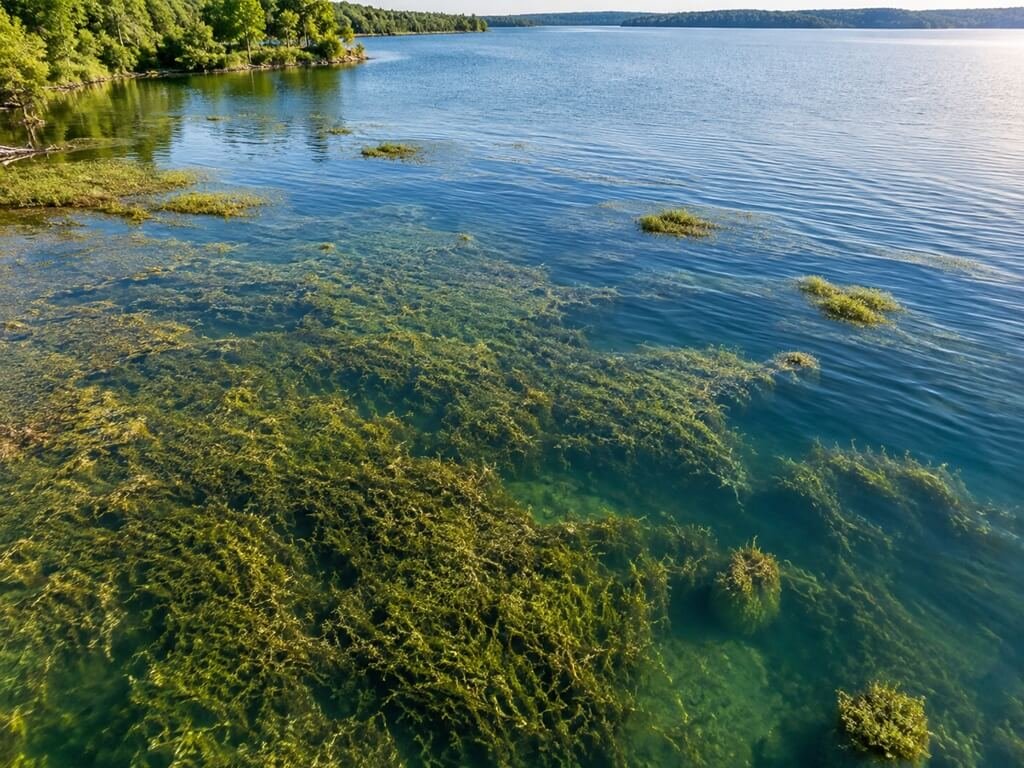
Not every section of vegetation holds the same number of feeding bass. Look for changes in depth, cover, and access to open water. When fishing shallow weed edges from the bank or while wading, suitable breathable fishing waders can help you stay comfortable while reaching productive water.
Fish the outside weed edge
The outer edge is a useful starting point because it often provides a clear boundary between vegetation and open water.
Make parallel casts along the edge rather than casting only toward the bank. This keeps your swimbait in the same depth zone for a larger portion of the retrieve. If you get a bite, repeat the same casting angle before moving elsewhere.
Work openings and pockets
Openings in the weeds can create natural travel routes and feeding areas. Cast beyond the opening and retrieve the swimbait through it whenever possible. A weedless rig is useful if isolated strands extend into the opening. If the area is genuinely clear, an exposed jighead also work.
Pay attention to small pockets that are easy to overlook. A modest opening can be more useful than a large, uniform stretch of vegetation if baitfish or bass are concentrated there.
Target points and irregular edges
A weed bed that bends, narrows, or extends into deeper water offers more structure than a perfectly uniform edge.
Fan-cast these features from different angles. A bass may face into a current, position itself on the deeper side, or wait near an opening rather than sitting directly on top of the weeds. The objective is to discover where fish are positioned, not simply to cover the most vegetation.
Don’t ignore sparse grass
Thin vegetation can be particularly convenient for a moving swimbait because it offers cover without creating as many obstructions. Try a slightly more exposed rig when the grass is scattered and the hook can pass through safely. In thicker vegetation, return to a weedless setup.
7. Adjust Your Presentation to Water and Weather Conditions
A productive retrieve on one day may not produce the same results under different conditions. Use the environment to guide your adjustments.
Clear water
In clear water, bass may see the lure from farther away and have more time to inspect it. Start with a natural color, a straight-running swimbait, and a controlled retrieve. Avoid unnecessary changes in speed unless fish are following without committing. If bass appear cautious, try a smaller profile or make longer casts to reduce disturbance near the target area.
Stained water
In stained water, visibility is reduced, so a contrasting color may help bass locate the bait. A steady retrieve can help the paddle tail maintain a consistent vibration and movement. Experiment with a slightly larger profile if the forage and conditions support it.
Water clarity varies, so treat these adjustments as starting points rather than strict rules.
Wind and surface disturbance
Wind can make line control more difficult and change how easily you maintain the bait’s depth.
Cast at an angle that keeps the line manageable, and consider a slightly heavier rig if a lighter one becomes difficult to control. However, don’t add so much weight that the swimbait sinks into the vegetation. Wind-driven water movement can also influence where baitfish and bass position themselves. Check weed edges and nearby openings where forage may be moving.
Seasonal considerations
During warmer periods, bass may feed actively around vegetation and respond well to a moving bait. In cooler water, a slower presentation may be more productive, although fish behavior varies with location, depth, and weather.
Rather than relying on the calendar alone, pay attention to water temperature, baitfish activity, and the depth where bites occur.
8. Choose Suitable Rod, Reel, Line, and Hook Equipment
Your tackle should provide enough control to keep the swimbait swimming correctly and enough strength to handle a fish near vegetation.
Rod
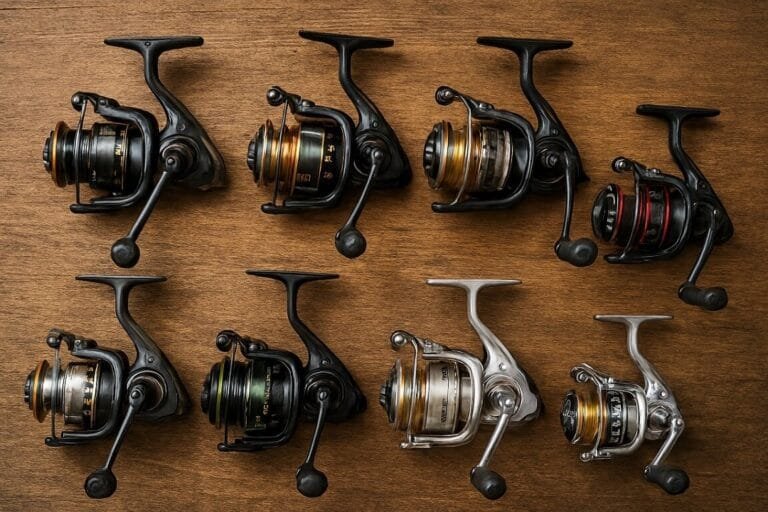
A medium-heavy baitcasting rod is a useful option for many weedless swimbait presentations, especially when fishing around substantial vegetation. A medium or medium-heavy spinning setup may be more suitable for smaller swimbaits and lighter rigs.
Choose a rod with enough power to drive the hook home without sacrificing the control needed for your lure size.
Reel
A baitcasting reel offers good casting control and works well with heavier swimbaits and stronger line. A spinning reel can be more convenient for lighter lures.
Gear ratio alone doesn’t determine retrieve speed. Your handle-turning speed, spool size, and lure resistance all influence how quickly the swimbait moves. Choose equipment that lets you retrieve consistently and maintain contact with the lure.
Fishing line
Braided line is popular for weedless swimbait fishing because it offers sensitivity and little stretch, which can help with hook-setting and controlling fish around vegetation. If you prefer fluorocarbon for clear-water presentations or as a main line, see our picks for the best fluorocarbon fishing lines to compare suitable options for your setup.
A fluorocarbon leader can be useful in clear water or when you want a less visible connection near the lure. Some anglers also fish straight fluorocarbon, depending on their setup and cover. Line strength should match the vegetation, fish size, hook style, and rod power. Thick, heavy cover generally calls for stronger line than sparse grass and open water.
Hook selection
Use a hook sized appropriately for the swimbait’s body. The point must have enough clearance to penetrate when a fish strikes.
After rigging, inspect the lure from above and behind. The body should remain straight, and the hook should not distort the plastic. A poorly aligned swimbait may spin, roll, or lose its natural tail action, making depth control more difficult.
9. How to Detect Strikes and Set the Hook
Bass do not always strike a swimbait with a dramatic hit. You may feel a sharp tap, a sudden increase in weight, or the line moving sideways. Pay attention to the line as well as the rod tip, especially when fishing farther from the boat or bank.
When you suspect a strike:
- Maintain contact with the lure rather than immediately stopping the retrieve.
- Reel down enough to remove excess slack.
- Set the hook firmly with a controlled sweep or a decisive rod movement appropriate for your hook and tackle.
- Keep steady pressure on the fish and guide it away from the thickest vegetation when possible.
With a weedless hook, the point may be partially concealed in the plastic. A firm, well-timed hook-set helps drive it through the bait and into the fish’s mouth. Avoid striking hard every time the swimbait touches vegetation. Learn to distinguish the resistance of grass from the sudden movement or added weight associated with a fish.
10. Common Mistakes to Avoid
Even a good swimbait can become ineffective if the presentation is poorly matched to the weed bed.
- Retrieving too low: If the lure repeatedly catches grass, reduce the sink time, lighten the rig, or increase retrieve speed slightly.
- Fishing too fast: A fast retrieve can pull the lure above the target depth or make it harder for less active bass to catch. Slow down until the bait remains in the intended zone.
- Using too much weight: Heavy rigs can plunge into the vegetation before you complete the retrieve. Use only enough weight for the required depth and casting control.
- Rigging the swimbait crooked: A twisted body can cause rolling, spinning, and inconsistent tail action. Re-rig it straight before making more casts.
- Casting only toward the bank: Parallel casts along a weed edge may keep the lure in a productive depth range longer than casts that cross the edge at a steep angle.
- Ignoring small changes in vegetation: Points, openings, isolated clumps, and transitions can be more productive than uninterrupted grass. Explore these features deliberately.
- Changing too many variables at once: If the lure isn’t producing, adjust one factor at a time—such as color, weight, retrieve speed, or casting angle—so you can identify which change improves the presentation.
FAQs About How to Fish Paddle-Tail Swimbaits Over Submerged Weed Beds
What is the best rig for fishing paddle-tail swimbaits over submerged weeds?
A weighted, weedless swimbait hook is a versatile starting point for fishing through submerged vegetation. It reduces snagging and lets you control the lure’s depth. In sparse grass or clear openings, an exposed jighead can also work well.
How fast should I retrieve a paddle-tail swimbait over grass?
Start with a steady, moderate retrieve that keeps the paddle tail working just above the vegetation. Slow down if the lure rises too high or fish seem reluctant to chase it. Speed up slightly if the bait repeatedly collects grass, then adjust the rig if necessary.
What size paddle-tail swimbait is best for bass?
A 3.5- to 4.5-inch paddle tail is a practical starting point for many bass-fishing situations. Smaller lures can work when forage is small or fish are cautious, while larger profiles may be useful when bass are feeding on bigger baitfish.
Should I use braided line or fluorocarbon?
Braided line is useful when sensitivity and control around vegetation are priorities. Fluorocarbon offers a less visible line option in clear water and can work as a leader or main line. Choose based on the cover, hook style, lure weight, and the equipment you prefer to fish.
Can I fish a paddle-tail swimbait in thick grass?
Yes, but rigging and depth control become especially important. Use a weedless hook, choose a weight that keeps the lure above the grass, and avoid letting it sink into dense vegetation. Extremely thick or matted grass may require a different presentation better suited to that cover.
Why am I catching weeds instead of bass?
Your swimbait may be running too deep, the hook may be exposed, or the lure may be passing directly through the vegetation instead of above it. Try a lighter weight, a shorter sink time, a weedless rig, or a different casting angle.
Is a paddle-tail swimbait better than a spinnerbait over submerged weeds?
Neither is universally better. A paddle-tail swimbait offers a natural baitfish profile and can be fished with a weedless hook. A spinnerbait produces flash and vibration and may be useful when you want a more conspicuous presentation. Let vegetation density, water clarity, and fish response determine which one to use.
Final Thoughts
Fishing paddle-tail swimbaits over submerged weed beds is largely about controlling depth and presenting the lure naturally. Start with a straight-rigged swimbait, a suitable weedless hook, and a steady retrieve that keeps the bait just above the vegetation. If you fish weed beds from a sit-on-top kayak, a comfortable seat can make long sessions easier; our guide to the best sit-on-top kayak seats compares options for comfort and support.
Focus on outside edges, openings, irregular points, and changes in grass density instead of casting randomly. If the lure catches weeds, adjust its weight, sink time, or retrieve speed. If bass follow without striking, experiment with a smaller profile, a different color, or a brief pause.
With a few deliberate adjustments, you can cover weed beds more efficiently and identify the places where bass are most likely to ambush a passing baitfish.