Saddle Hunting vs. Tree Stands: Which Is Better for Public Land Hunting?

Choosing between saddle hunting and a traditional tree stand can make a real difference when hunting public land. You need a setup that is easy to carry, works in different trees, stays comfortable for long sits, and works in areas where other hunters may be competing for the same locations.
For hunters who frequently move between locations on public land, a hunting saddle is often the better choice because it packs compactly and offers greater flexibility. A traditional tree stand, however, may be the better option if you prioritize comfort, prefer a familiar setup, or hunt from a few established locations.
Neither option guarantees better hunting results. Your terrain, hunting style, equipment, local regulations, and ability to use the system safely all matter. In this guide, we’ll compare saddle hunting and tree stands across portability, setup, comfort, concealment, cost, and safety to help you decide which approach fits your next public-land hunt.
Saddle Hunting vs. Tree Stands: Quick Comparison
| Feature | Hunting Saddle | Traditional Tree Stand |
| Portability | Usually lightweight and compact | Varies; some models are bulky |
| Mobility | Excellent for changing locations | Depends on the stand type |
| Comfort | Depends on saddle fit and positioning | Often more familiar for beginners |
| Tree selection | Works with many climbable trees | Depends on the stand design |
| Concealment | Lets you position yourself close to the trunk | Depends on stand position and surrounding cover |
| Learning curve | Requires practice with positioning and equipment | Varies by stand type |
| Long hunting sessions | Comfortable for some hunters after adjustment | Often easier for hunters who prefer a seat |
| Initial cost | Requires a complete saddle system | Varies widely by model and accessories |
| Public-land flexibility | Excellent for mobile hunting | Good with mobile stands; limited with fixed setups |
| Best suited for | Hunters who relocate frequently | Hunters who prioritize comfort or established locations |
The comparison depends on the complete setup. A saddle requires climbing equipment and a platform, while a mobile tree stands need climbing sticks, a harness, and additional accessories.
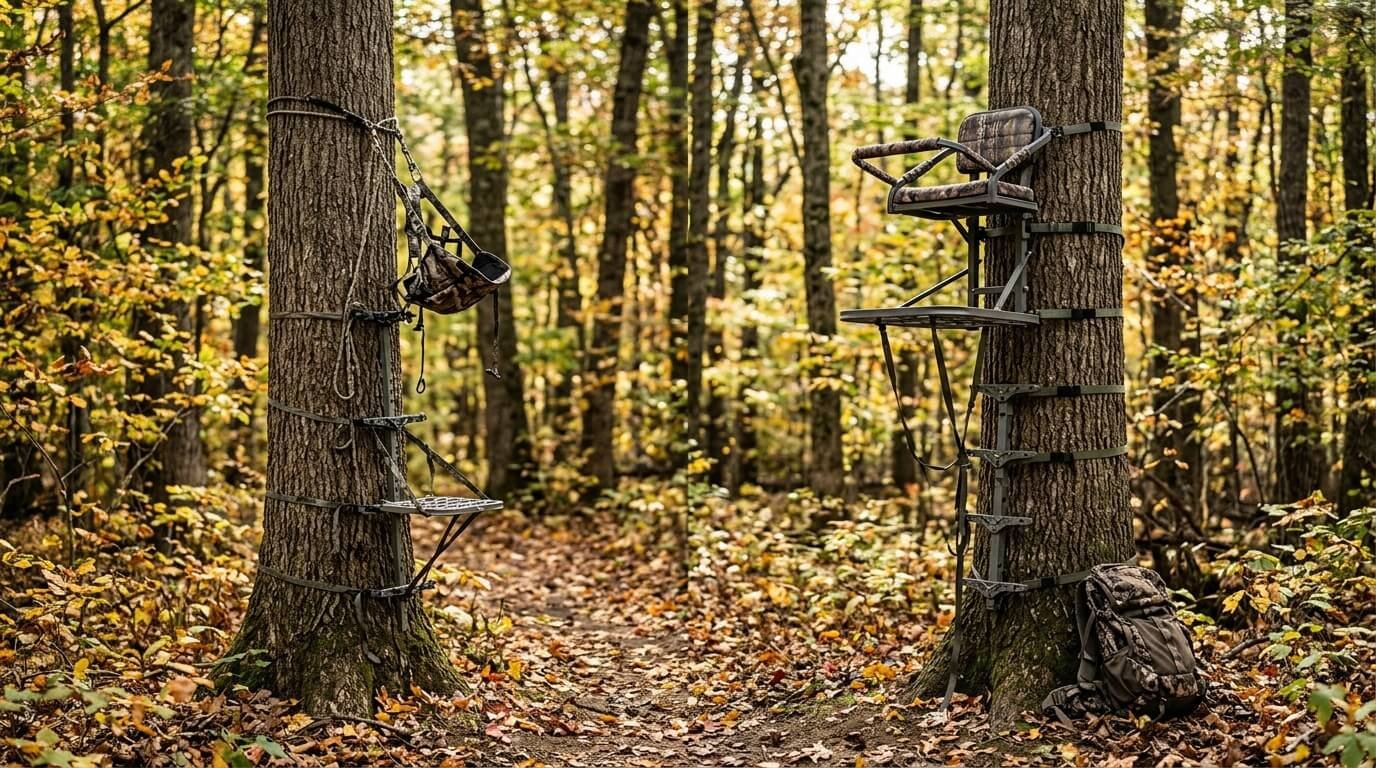
What Is Saddle Hunting?
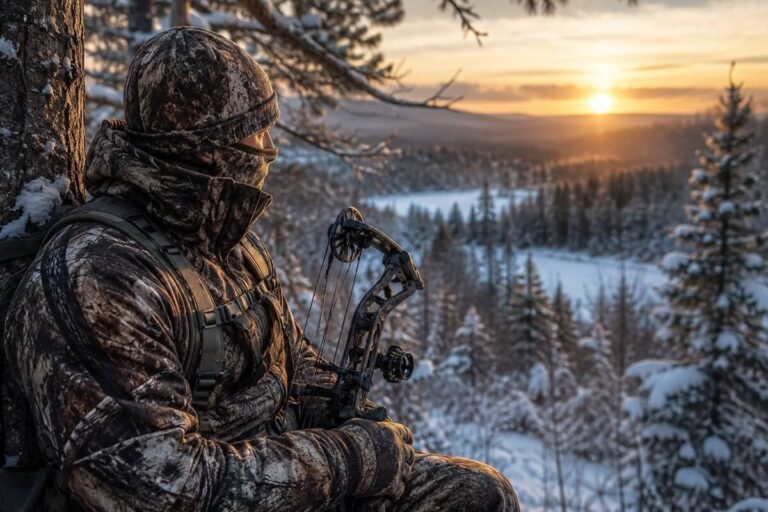
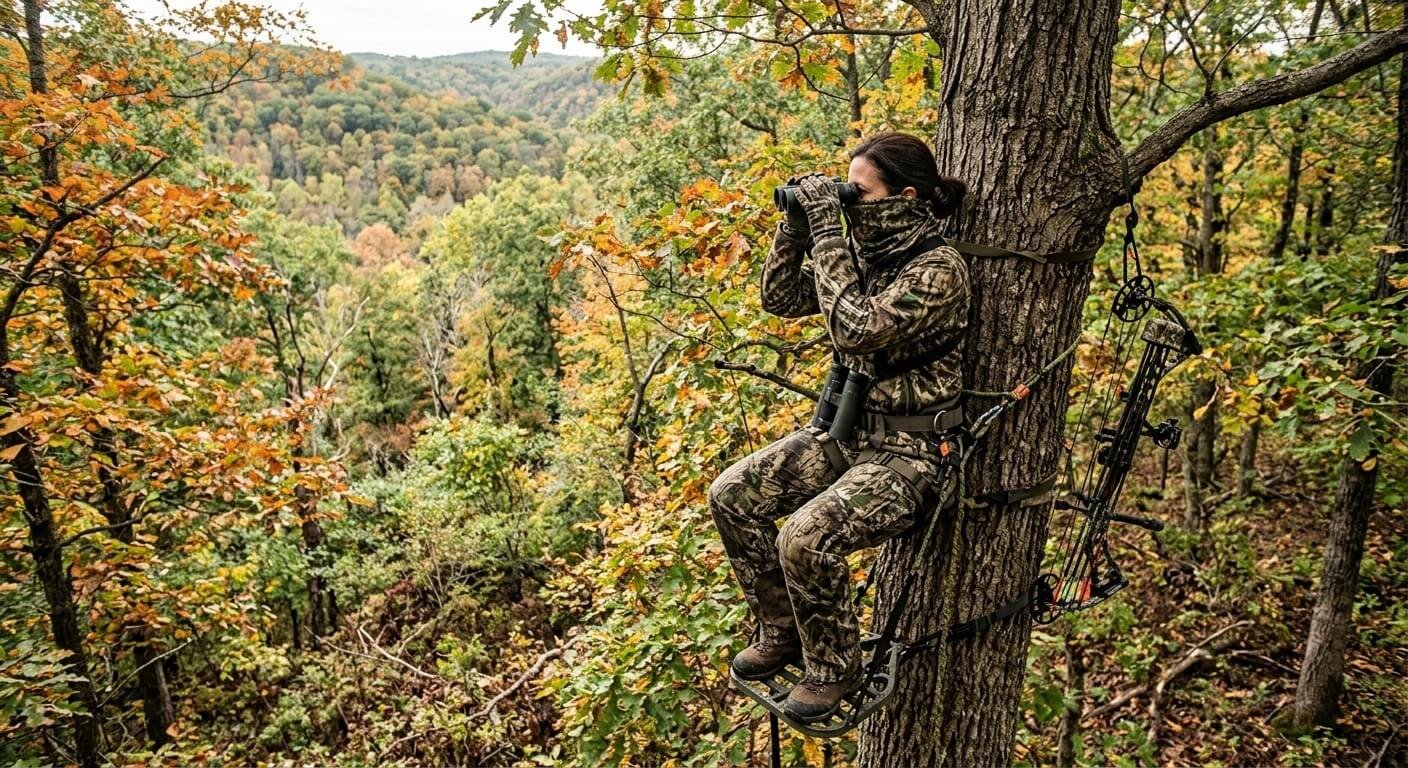
Saddle hunting is a method of hunting from an elevated position using a specialized hunting saddle rather than sitting in a conventional tree stand.
The hunter wears a weight-bearing saddle connected to the tree with an appropriate tether system. A small platform provides a place to rest the feet, while climbing sticks or another compatible climbing method provide access to the hunting height.
Instead of sitting on a conventional seat, the hunter leans back into the saddle and uses the tree and platform to support their position. Your platform affects stability, foot room, and overall pack weight. If you’re comparing equipment options, see our guide to the best saddle hunting platforms before choosing a setup.
A typical saddle setup may include:
- A purpose-built hunting saddle.
- A compatible tether and attachment system.
- A lineman’s belt for appropriate climbing and setup tasks.
- A small foot platform.
- Climbing sticks or another suitable climbing method.
- A compatible pack for carrying and organizing equipment.
The exact equipment depends on the system. Every component must be compatible and used according to its manufacturer’s instructions.
Why saddle hunting appeals to public-land hunters
Public land often requires hunters to carry their equipment into the woods and remove it when they leave. A saddle system packs into a relatively small space, making it attractive for hunters who walk long distances or change locations throughout the season.
It also allows hunters to consider a wider variety of climbable trees than some conventional stands permit. However, saddle hunting is not automatically easier or faster. Learning to climb, position the tether, adjust the platform, and shoot comfortably takes practice.
What Is a Traditional Tree Stand?
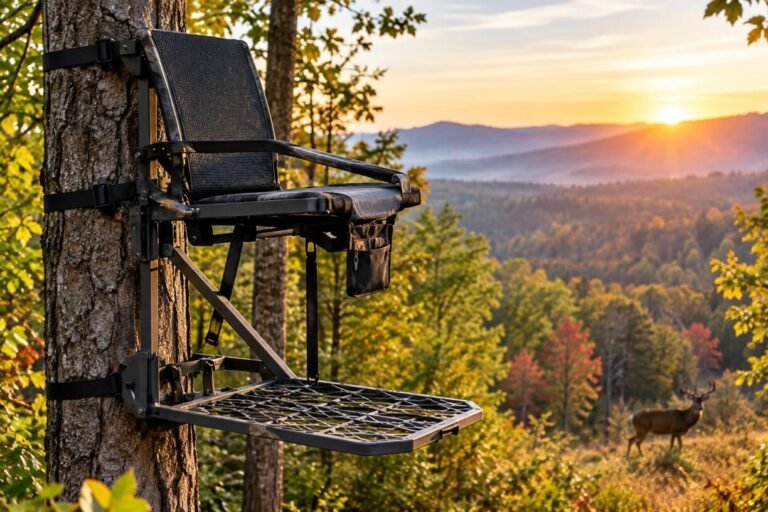
A traditional tree stand is an elevated hunting platform attached to or supported by a tree. Depending on the design, it may provide a seat, a standing platform, or both. Three common types are particularly relevant to public-land hunters. If you prefer a fixed-position setup, our guide to the best hang-on tree stands compares options for hunters who prioritize portability, stability, and comfort.
Hang-on tree stands
A hang-on stand attaches to a tree and generally requires a separate climbing method. It provides a familiar standing platform and, usually, a seat. Mobile hunters can carry it between locations, although its frame and accessories may be bulkier than a saddle system.
- Best for: Hunters who want a conventional platform but still need the ability to relocate.
Climbing tree stands
A climbing stand uses a climbing mechanism to ascend a suitable tree. Many models combine the climbing components with a seat and platform. The main limitation is tree selection. These stands generally require a compatible trunk without obstructions that prevent safe operation.
- Best for: Hunters who prefer a conventional seat and frequently hunt in areas with suitable trees.
Ladder tree stands
A ladder stand uses a ladder or ladder sections to reach an elevated platform. It is typically less convenient to carry between locations than a compact saddle or mobile hang-on stand. Its suitability on public land depends on access, regulations, and whether the equipment can legally remain at the location.
- Best for: Hunters who prioritize a more established hunting position where regulations and land access permit it.
These distinctions matter because comparing a saddle only with a ladder stand can make saddle hunting appear more mobile than it would when compared with a lightweight hang-on or climbing stand.
3. Portability: Which Setup Is Easier to Carry?
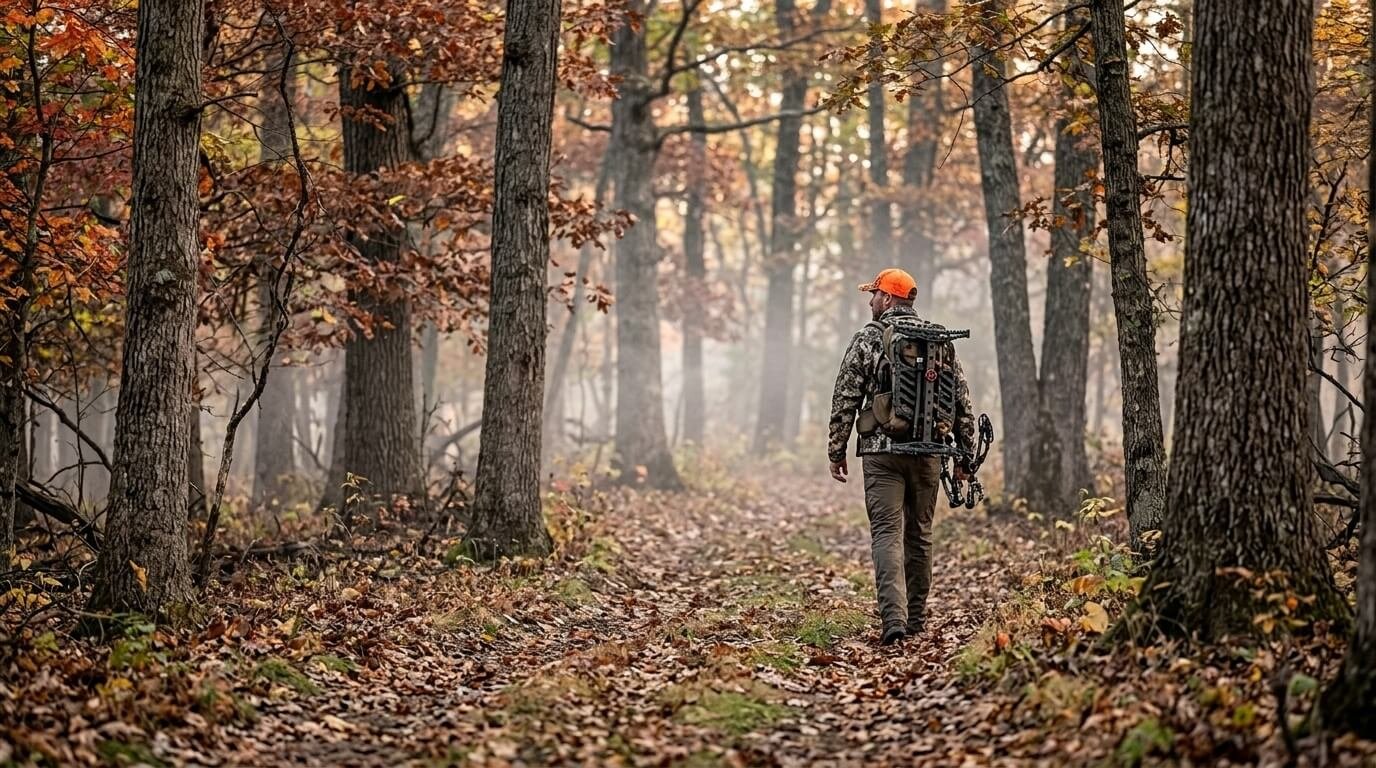
Winner: Saddle hunting for most hunters who prioritize a compact load.
Portability is one of the strongest reasons to consider a saddle on public land. A saddle, small platform, climbing sticks, and safety equipment can generally be packed together more compactly than a conventional hang-on stand and its accessories. The exact weight difference depends on the products selected and the complete system.
That advantage becomes more noticeable when you hike a long distance, travel through thick vegetation, or carry additional hunting gear. A conventional climbing stand offers a different benefit: its integrated design may simplify the equipment you need to organize. However, the stand itself can be bulky to carry.
A lightweight hang-on stand can also be a practical mobile option, particularly if you already own compatible climbing equipment.
Why portability matters on public land
Imagine you are walking well beyond a busy parking area to hunt a less accessible section of public woodland. A compact saddle system can make the walk easier and give you more flexibility to choose another tree if wind conditions or fresh deer sign suggest a different location. A bulky stand may encourage you to stick with your original plan because moving the equipment takes more effort.
That does not mean you should constantly relocate. Every move should have a purpose based on conditions, access, and your understanding of the area. A suitable pack helps organize your climbing gear and hunting accessories without adding unnecessary bulk. Compare these saddle hunting packs when planning a lightweight setup for longer walks.
- Choose a saddle if: You regularly hike long distances, carry your complete setup, and prefer to remain mobile.
- Choose a tree stand if: Your hunting locations are relatively accessible or the added bulk does not interfere with your approach.
Mobility: Which Is Better for Changing Hunting Locations?
Winner: Saddle hunting, with mobile hang-on stands as a strong alternative.
Public-land conditions can change throughout the season. Deer activity, hunting pressure, weather, vegetation, and access routes may influence where you decide to hunt. A saddle system makes it easier to carry your equipment to a different location without transporting a full-size stand. This flexibility is particularly useful for hunters who scout multiple areas rather than relying on one permanent setup.
For a broader look at scouting, hunting strategies, and preparation, read our Ultimate Deer Hunting Guide for 2027.
Hunting pressured public land
When several hunters use the same accessible trails or obvious stand locations, it may be worth exploring less accessible areas where legal access is available.
A saddle allows you to select a suitable tree based on the current conditions instead of limiting your choices to locations that accommodate a particular stand. You can also adjust your position to account for wind direction, sightlines, and available cover.
Remember that mobility alone does not make a location productive. You still need to understand deer movement, identify promising habitat, and avoid disturbing the area unnecessarily. Before choosing a hunting location, learn how to pattern deer before the season so you can identify likely travel routes and plan your setup around deer movement.
Where traditional stands still make sense
A mobile hang-on stand can work well if you have a few carefully selected locations and do not expect to move frequently. A climbing stand can also be effective when suitable trees are available and its weight is manageable for your walk.
For hunters who prefer to return to the same location, the advantages of a saddle may not justify learning an entirely new system.
Comfort: Is a Saddle Better for Long Hunting Sessions?
Winner: It depends on your preferred position and equipment.
Comfort is one of the most personal parts of this comparison. A traditional tree stand typically provides a seat and a standing platform. Hunters familiar with this arrangement may find it easier to settle into a comfortable position without much adjustment.
A saddle distributes support through the saddle and tether system. Some hunters appreciate the ability to lean against the tree, adjust their posture, and change their orientation. Others find that remaining in a suspended leaning position becomes uncomfortable during a long sit.
Saddle comfort
Saddle comfort depends on several factors:
- Correct saddle sizing and fit.
- Bridge length and tether positioning.
- Foot-platform height and positioning.
- Clothing and weather conditions.
- The ability to adjust your posture safely.
- Personal tolerance for standing and leaning for extended periods.
A saddle that feels comfortable during a short practice session may feel different after several hours in cold weather. Practice with the equipment and learn which adjustments are permitted by the manufacturer before relying on it for a full hunting session.
Tree stand comfort
A conventional stand may be more appealing if you prefer sitting for much of the hunt. Seat shape, back support, platform size, and the ability to change positions all influence comfort. Some stands offer more support than others, so the category alone does not guarantee a comfortable experience.
For long sits, pay attention to the complete design rather than assuming every traditional stand is more comfortable than every saddle.
My practical recommendation: If possible, evaluate both setups before purchasing. A comfortable system that you can use consistently is more valuable than one that looks ideal on paper but leaves you distracted or fatigued.
Concealment: Which Setup Helps You Stay Hidden?
Winner: Saddle hunting can offer an advantage in certain situations.
A saddle positions the hunter close to the tree, allowing the trunk to serve as partial cover. Depending on the tree, branches, shooting direction, and surrounding vegetation, this can help reduce the visibility of the hunter’s outline.
The ability to rotate around the trunk may also help a hunter manage sightlines without remaining in one fixed orientation. However, a saddle does not guarantee better concealment. Movement, clothing, wind, sunlight, background contrast, and the direction from which deer approach all influence whether a hunter is detected.
Concealment with a traditional stand
A conventional stand can also provide effective concealment when positioned against a suitable background with appropriate cover.
The stand’s frame and the hunter’s outline may be more exposed in some trees, but careful placement can reduce that problem. Before choosing a tree, consider likely approach routes and whether you can remain concealed while preparing for a shot.
A note for bowhunters
Saddle hunters often value the ability to position themselves around a tree for different shooting angles. Nevertheless, the trunk can obstruct shots, and not every direction is accessible from every position.
Practice with your actual equipment at ground level before hunting. Understand your safe shooting angles and never attempt a shot that requires an unsafe posture or compromises equipment stability.
Setup Time: Which Is Faster to Use?
Winner: Neither wins in every situation.
A saddle setup involves several separate components. You need to prepare your climbing method, position the platform, establish the appropriate tether arrangement, and confirm that the system is secure.
A traditional stand also requires careful setup. A hang-on stand generally needs a climbing method and a secure attachment, while a climbing stand requires a suitable tree and correct use of its climbing mechanism. Your experience, equipment, tree choice, and conditions influence the time required for either method.
Why beginners should not focus only on speed
It is tempting to choose the setup that appears fastest in a demonstration. However, speed should not take priority over safety.
A beginner may need more time to use a saddle confidently because the system requires familiarity with climbing, tether adjustment, platform positioning, and movement around the tree. A conventional stand may feel more intuitive, but it still requires proper attachment, correct installation, and careful climbing.
Practice the entire process before hunting. Do not rush in low light or unfamiliar conditions simply to reach a preferred hunting height before deer movement begins.
Cost: Is Saddle Hunting Cheaper Than a Tree Stand?
Winner: It depends on the complete equipment list.
Neither system is always less expensive. A saddle’s purchase price is only one part of the total. You may also need a platform, climbing sticks, compatible ropes or tethers, a suitable pack, and other equipment.
Traditional stands also have additional costs. A hang-on stand may require climbing sticks and safety equipment, while a climbing stand has its own purchase and maintenance considerations. The most useful comparison is the cost of two complete, safe setups—not the price of a saddle against the price of a stand alone.
How to compare the real cost
Before buying, list every required component for each setup.
| Cost factor | Saddle system | Traditional tree stand |
| Main equipment | Saddle | Stand |
| Access to hunting height | Sticks or compatible climbing method | Sticks or integrated climbing system |
| Foot support | Compatible platform | Integrated stand platform |
| Fall protection | Compatible saddle and attachment system | Appropriate harness and attachment system |
| Carrying equipment | Pack or compatible carrying arrangement | Pack or stand-carrying arrangement |
| Additional accessories | Depends on system | Depends on stand type |
Compare current prices, total weight, warranty terms, replacement parts, and manufacturer instructions before making a decision. Avoid compromising on safety equipment to save money. An inexpensive setup is not a good value if it cannot be used safely or does not suit the trees in your hunting area.
Safety: Is Saddle Hunting Safer Than a Tree Stand?
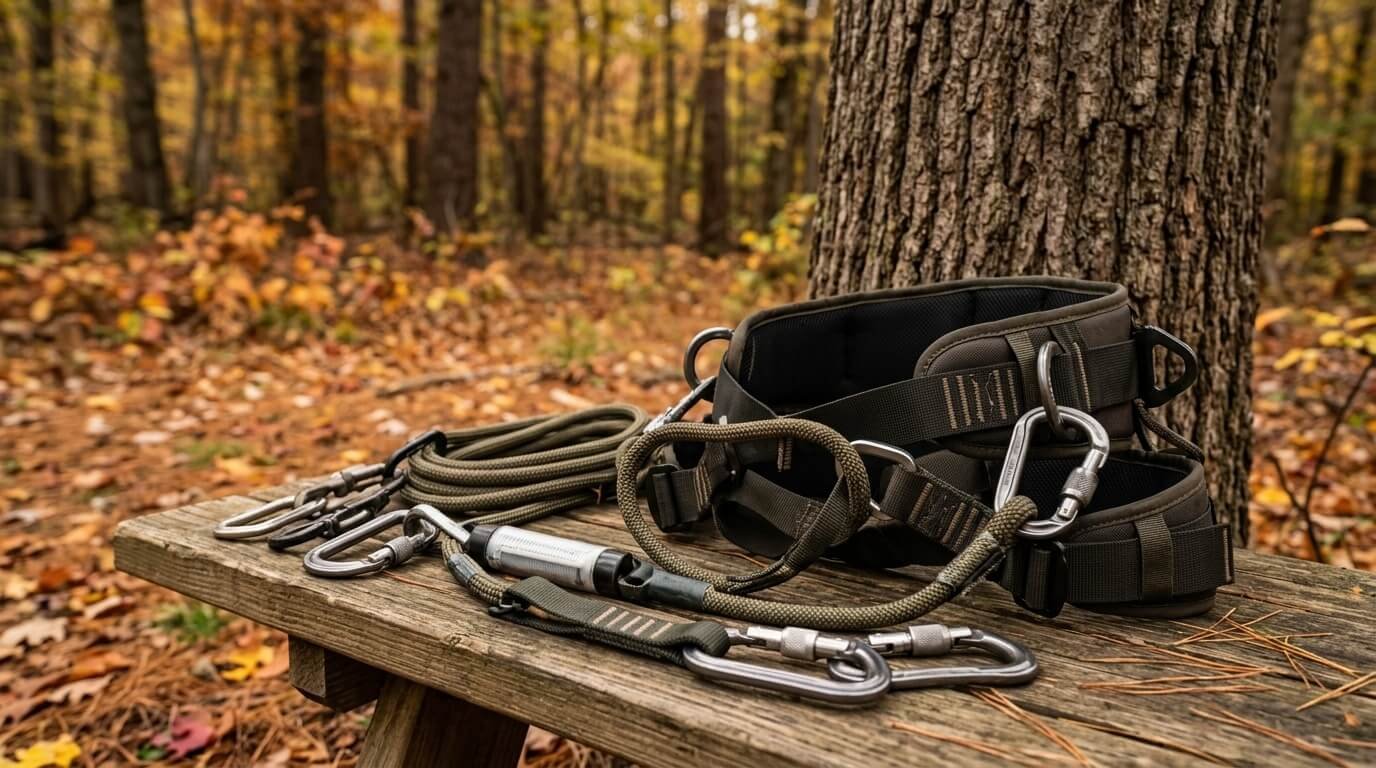
Neither system eliminates the risk of falling. Safe use depends on the equipment, the hunter’s training, and consistent attachment practices.
A saddle is designed to support the hunter through a compatible tether system, but that does not make it automatically safe. Incorrect connections, unsuitable equipment, poor climbing practices, or improper adjustments can create serious hazards.
A conventional tree stand also requires appropriate fall protection and correct installation. Follow these essential precautions:
- Use equipment specifically designed and rated for the intended application.
- Read and follow the manufacturer’s instructions for every component.
- Stay connected to the tree using the appropriate fall-protection system from the ground up and back down, as directed by the manufacturer.
- Use a compatible lineman’s belt or other prescribed protection during setup and climbing tasks.
- Inspect ropes, straps, stitching, connectors, platforms, and stand components before each use.
- Never exceed equipment weight limits.
- Practice with the system at ground level or at a very low height in a controlled setting before hunting at elevation.
- Keep climbing equipment and platforms secure, and avoid unsafe improvisations.
- Understand how to respond to a suspension incident and have a realistic emergency plan.
A saddle is not a substitute for learning proper climbing and fall-protection procedures. Likewise, wearing a harness does not protect you if it is not connected correctly.
For additional guidance, consult the current instructions supplied by your equipment manufacturer. Before hunting from an elevated position, review established tree stand safety guidelines and follow the instructions supplied with your equipment.
Which Setup Is Better for Different Public-Land Hunting Scenarios?
The right choice becomes clearer when you consider how you actually hunt.
Scenario 1: You hike deep into public land
Better fit: Saddle hunting.
A compact setup can reduce the bulk you carry and make it easier to reach less accessible locations. The advantage is particularly relevant when you expect to carry every component in and out on each trip. A lightweight hang-on stand remains a reasonable alternative if you prefer a conventional platform and can manage its weight.
Scenario 2: You hunt from the same area regularly
Better fit: A traditional tree stand may be more practical.
If you repeatedly hunt a few locations and value a seat and familiar platform, a conventional stand may suit your needs better. Check public-land rules before leaving any equipment in place. Regulations vary, and a stand that is legal in one area or season may not be legal in another.
Scenario 3: You frequently change locations
Better fit: Saddle hunting.
A saddle’s compact design makes it convenient to move between suitable trees. This is useful when your plan depends on changing wind conditions, fresh sign, or shifting hunting pressure. The benefit is greatest when you are willing to scout carefully and have the skills to select and use a suitable tree safely.
Scenario 4: You prefer sitting comfortably for several hours
Better fit: A traditional tree stand for many hunters.
A seat and a stable platform could be more comfortable if you prefer sitting throughout much of the hunt. However, comfort depends on the individual. A properly fitted saddle may also work well for extended sessions after sufficient practice.
Scenario 5: You are a beginner
Better fit: The system you can learn and use safely.
A conventional stand may feel more familiar to someone who has never hunted from an elevated position. A saddle can also be a good option, provided you invest the time to learn the equipment and practice its use. Do not make your first attempt at learning either system during an actual hunt at full height.
Scenario 6: You hunt in areas with varied tree shapes
Better fit: Often a saddle, provided the tree is suitable and safe to climb.
A saddle system can offer more flexibility than a climbing stand that requires a straight, unobstructed trunk. That does not mean every tree is suitable for saddle hunting. Tree condition, diameter, bark, branches, attachment compatibility, and the manufacturer’s restrictions all matter.
What Should You Look for Before Buying?
Whether you choose a saddle or a traditional stand, assess the complete setup against your hunting conditions. Before hunting public land, review the applicable rules for elevated equipment, access restrictions, and season dates. Our guide to hunting laws by state and country is a useful starting point, but confirm current rules with the relevant wildlife agency.
If you choose a saddle
Look for:
- Correct sizing and a secure, comfortable fit.
- Compatible, properly rated attachment components.
- A platform that suits your stance and positioning.
- A climbing method appropriate for your terrain and skill level.
- Manageable total weight and pack size.
- Clear instructions and accessible manufacturer support.
Do not buy a saddle based on weight alone. A complete system must include everything needed for safe access, positioning, and fall protection.
If you choose a traditional stand
Look for:
- A stand suited to the trees in your hunting area.
- A comfortable seat and a stable platform.
- Manageable weight for the distance you intend to walk.
- Secure attachment hardware and clear installation instructions.
- Appropriate fall-protection equipment.
- A design you can install, inspect, and use correctly.
For mobile public-land hunting, compare the complete weight of a hang-on stand and climbing equipment against a complete saddle system. For hunters who frequently use established locations, comfort and ease of use may matter more than minimizing every pound.
Public-Land Rules You Should Check Before Hunting
Public-land regulations can affect which equipment you can use and whether you can leave it in the woods. Before the season, confirm the current rules for the specific property or wildlife management area.
Pay particular attention to:
- Whether stands may be left overnight or between hunting sessions.
- Rules about permanent or temporary tree attachments.
- Restrictions on screw-in steps, bolts, or other hardware.
- Stand identification and removal deadlines.
- Requirements for blaze-orange clothing or other safety equipment.
- Season dates, legal weapons, and other hunting restrictions.
Do not assume that a saddle is automatically legal everywhere simply because it is portable. Regulations may govern the climbing method, attachment hardware, or other equipment. Check the current regulations from the relevant state wildlife agency or land manager before heading out.
Final Verdict: Saddle Hunting vs. Tree Stands
For hunters who prioritize mobility, portability, and flexibility on public land, saddle hunting is often the better choice. Its compact design makes it easier to carry a complete system into less accessible areas, and it can provide more options when selecting a suitable tree.
A traditional tree stand remains an excellent option for hunters who value a familiar platform, prefer a seat for long sessions, or repeatedly hunt a few established locations. A mobile hang-on stand can also bridge the gap between portability and conventional comfort.
Use this simple decision guide:
- Choose a saddle if you hike far, change locations often, and are willing to practice with a new system.
- Choose a hang-on stand if you want a conventional platform but still need the ability to relocate.
- Choose a climbing stand if you prefer an integrated climbing system and regularly hunt suitable trees.
- Choose a ladder stand if you prioritize an established position and the location’s regulations and access conditions permit it.
There is no universal winner. The best setup is the one that matches your terrain, hunting strategy, comfort preferences, budget, and skill level. Whichever you choose, prioritize safe climbing, continuous appropriate fall protection, and compliance with local regulations. Those decisions matter far more than choosing the most popular equipment.
FAQs About Saddle Hunting vs. Tree Stands
Is saddle hunting better than tree stands for public land?
Saddle hunting is often better for mobile public-land hunters because the system packs compactly and makes it easier to move between locations. A traditional stand could be preferable if you prioritize a seat, a familiar platform, or repeated hunts from established locations.
Is a saddle lighter than a tree stand?
A complete saddle system is often lighter and more compact than a complete hang-on or climbing-stand setup. However, total weight depends on the saddle, platform, climbing equipment, safety components, and the particular stand being compared.
Is saddle hunting harder than using a tree stand?
Generally, saddle hunting has a steeper learning curve. Hunters must learn how to use the saddle, adjust the tether, position the platform, climb safely, and move around the tree. Traditional stands also require training and safe setup procedures, even if their basic operation feels more familiar.
Can you hunt public land with a saddle?
Often, yes, but legality depends on the specific property and its current regulations. Check rules governing tree attachments, climbing equipment, temporary structures, and equipment left in the woods before hunting.
Is saddle hunting safer than a tree stand?
Neither is inherently risk-free. Both require suitable equipment, correct setup, appropriate fall protection, and training. Stay connected to the tree according to the manufacturer’s instructions whenever you are exposed to a fall risk.
Is a saddle or a hang-on stand better for bowhunting?
Both can work well for bowhunting. A saddle can provide flexibility in positioning around the tree, while a hang-on stand offers a conventional platform. Your shooting angles, concealment, comfort, and ability to maintain a safe position should determine the choice.
Can beginners start with saddle hunting?
Yes, but beginners should first learn the equipment and practice in a controlled, low-height setting. They should understand the entire climbing and attachment process before attempting to hunt from an elevated position.
What is the best mobile setup for public-land deer hunting?
A saddle system is a strong option for hunters who want a compact, adaptable setup. A lightweight hang-on stand is another practical choice. Compare complete system weight, tree compatibility, comfort, cost, and safety requirements before purchasing.
Editorial note: This article compares equipment based on design and intended use; it does not claim independent hands-on testing. Add original field photographs, verified equipment specifications, and documented experience if available.