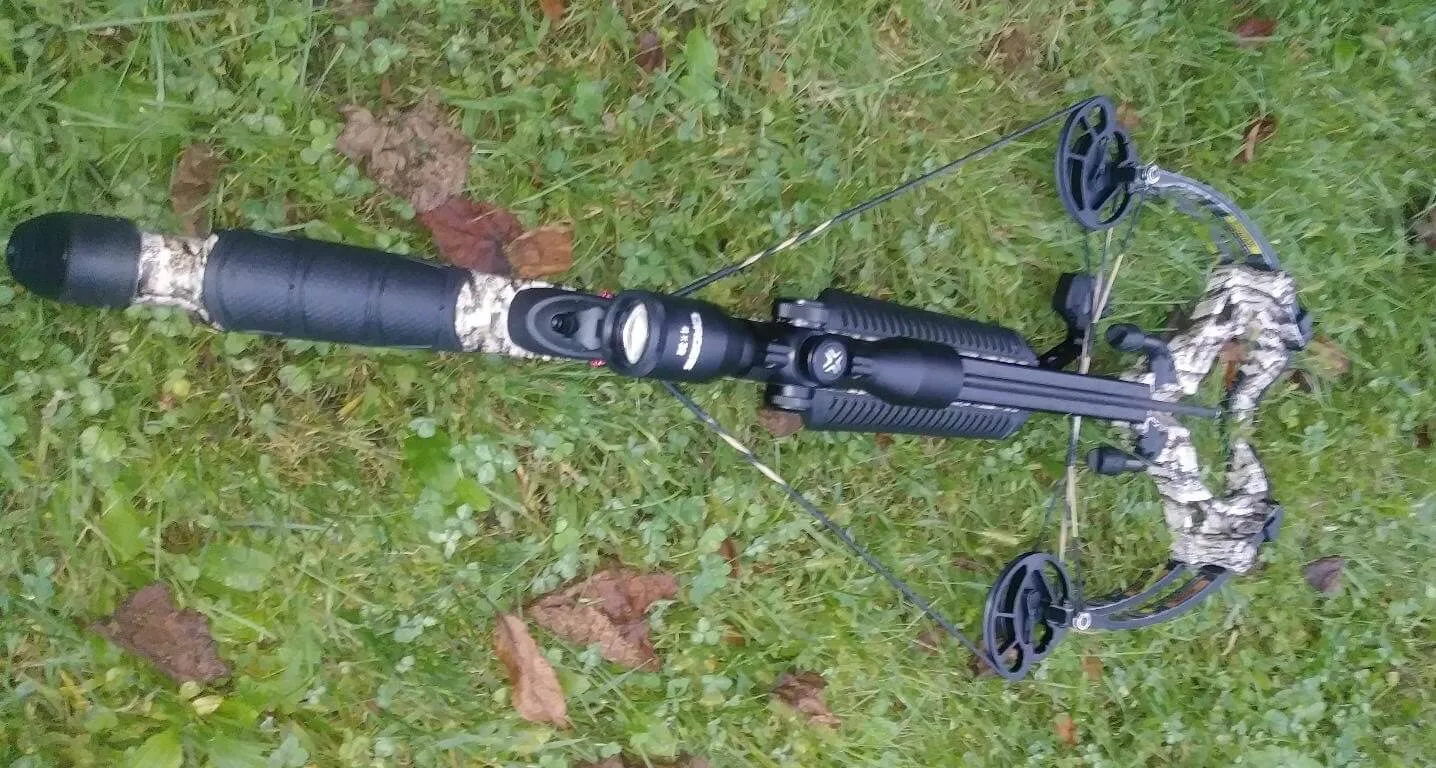
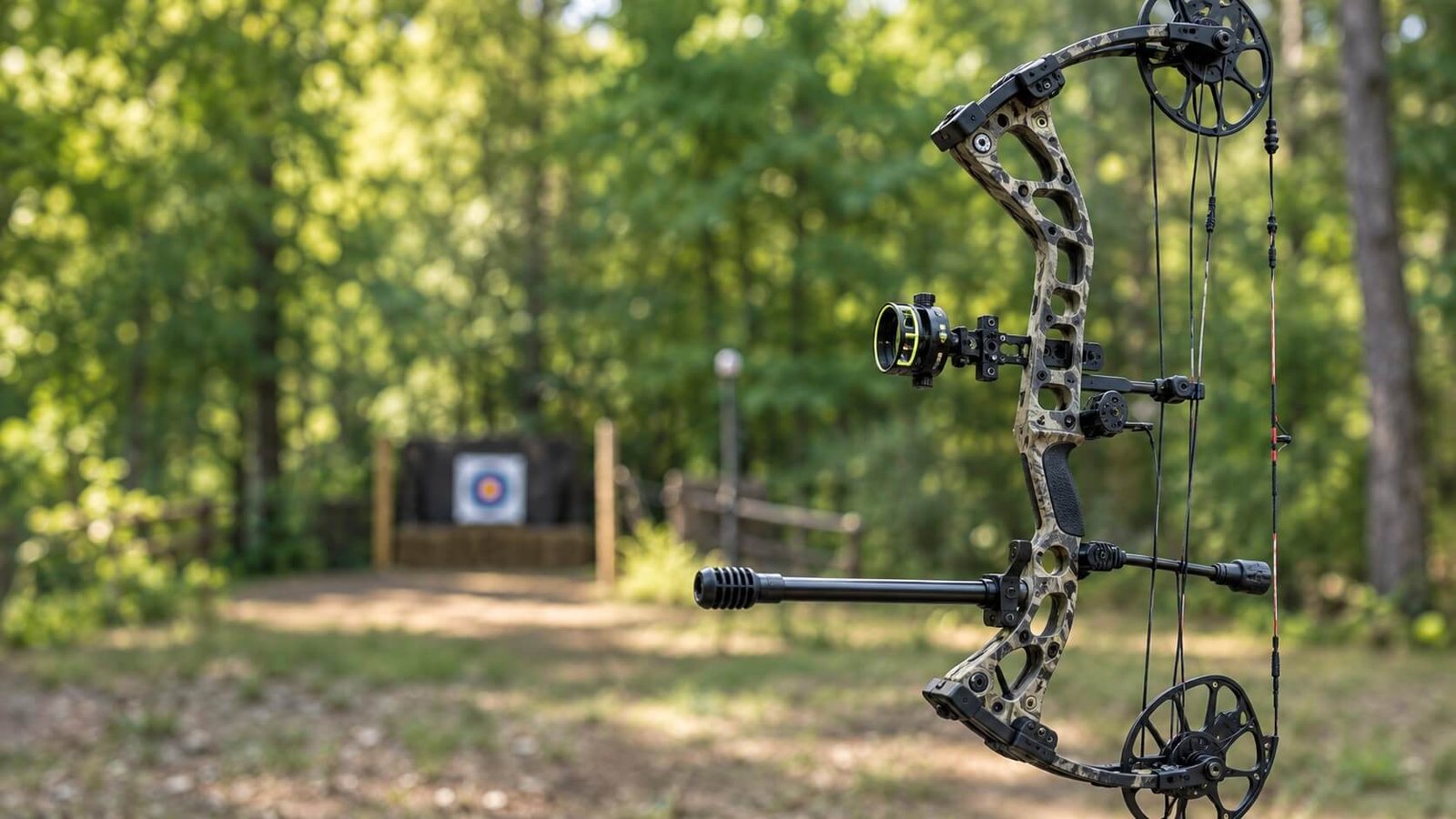
How to Quiet a Noisy Compound Bow: Causes and Fixes

The best way to quiet a compound bow is to identify the noise source first. Check for loose accessories, inspect the string and cables, look for possible contact or rattling, and consider compatible vibration-dampening accessories only after ruling out mechanical problems.
This guide explains how to diagnose common compound bow noises, which fixes are generally appropriate for archers, and when to stop shooting and consult a qualified bow technician.
Quick Answer: What Is the Best Way to Quiet a Compound Bow?
Start with a visual inspection and check accessible accessory fasteners according to your bow manufacturer’s instructions. If the bow is in good condition, suitable string silencers, limb dampeners, or a vibration-absorbing stabilizer can help reduce residual vibration.
However, a sudden new noise, cracking sound, damaged string, frayed cable, or visible limb or cam problem is not a reason to add a silencer and keep shooting. Stop using the bow until a qualified technician has checked it.
Why Does a Compound Bow Make Noise?
When a compound bow is fired, stored energy transfers to the arrow, while the string, limbs, cams, riser, and attached accessories can also vibrate. Those vibrations create sound. Noise can also come from parts that move or rattle when the bow is released.
A certain amount of sound is normal. The goal is not to make every compound bow silent; it is to reduce unnecessary vibration and eliminate noise caused by loose, worn, damaged, or incorrectly fitted components. Common causes include:
- String and cable vibration: The string and cables can produce a noticeable twang or ping after release.
- Loose accessories: A bow sight, quiver, stabilizer, arrow rest, or other attachment can vibrate or rattle.
- Worn string or serving: Fraying, broken strands, or damaged serving can indicate a safety issue rather than a simple noise problem.
- Accessory contact: A component might be touching another part of the bow when it should not.
- Vibration through the riser or limbs: Some vibration remain even when the bow is properly maintained.
- Setup or mechanical issues: Changes in noise, feel, arrow flight, or cam movement can indicate that professional inspection is needed.
Before buying anything, determine whether the noise is consistent with normal vibration or is a new symptom that needs attention.
How to Quiet a Noisy Compound Bow: Step-by-Step Fixes
The following steps will help you identify common sources of noise, understand which fixes may help, and recognize when professional inspection is necessary.
1. Check for Loose Accessories First
Loose accessories are one of the easiest possible sources of rattling to investigate. A bow can sound noisy even when the main source is a sight, quiver, stabilizer, or another attached component. With the bow undrawn and pointed safely, visually inspect accessible mounting points and look for obvious movement, missing fasteners, or parts that no longer sit correctly.
Pay particular attention to:
- Bow sight and sight mounting hardware
- Arrow rest and its mounting hardware
- Quiver and arrow-retention components
- Stabilizer and any removable weights
- Accessories attached to the riser
- Other manufacturer-approved attachments
If a fastener is visibly loose, follow the bow and accessory manufacturer’s instructions for checking and tightening it. Use the specified tool and torque where provided. Do not overtighten screws or improvise repairs.
Never place your fingers near the cams, cables, or string path while handling the bow, and do not draw or shoot it if a component appears damaged or incorrectly positioned.
Why this helps: A loose accessory can vibrate after release and produce a rattle that sounds like it is coming from the bow itself.
2. Inspect the Bowstring and Cables
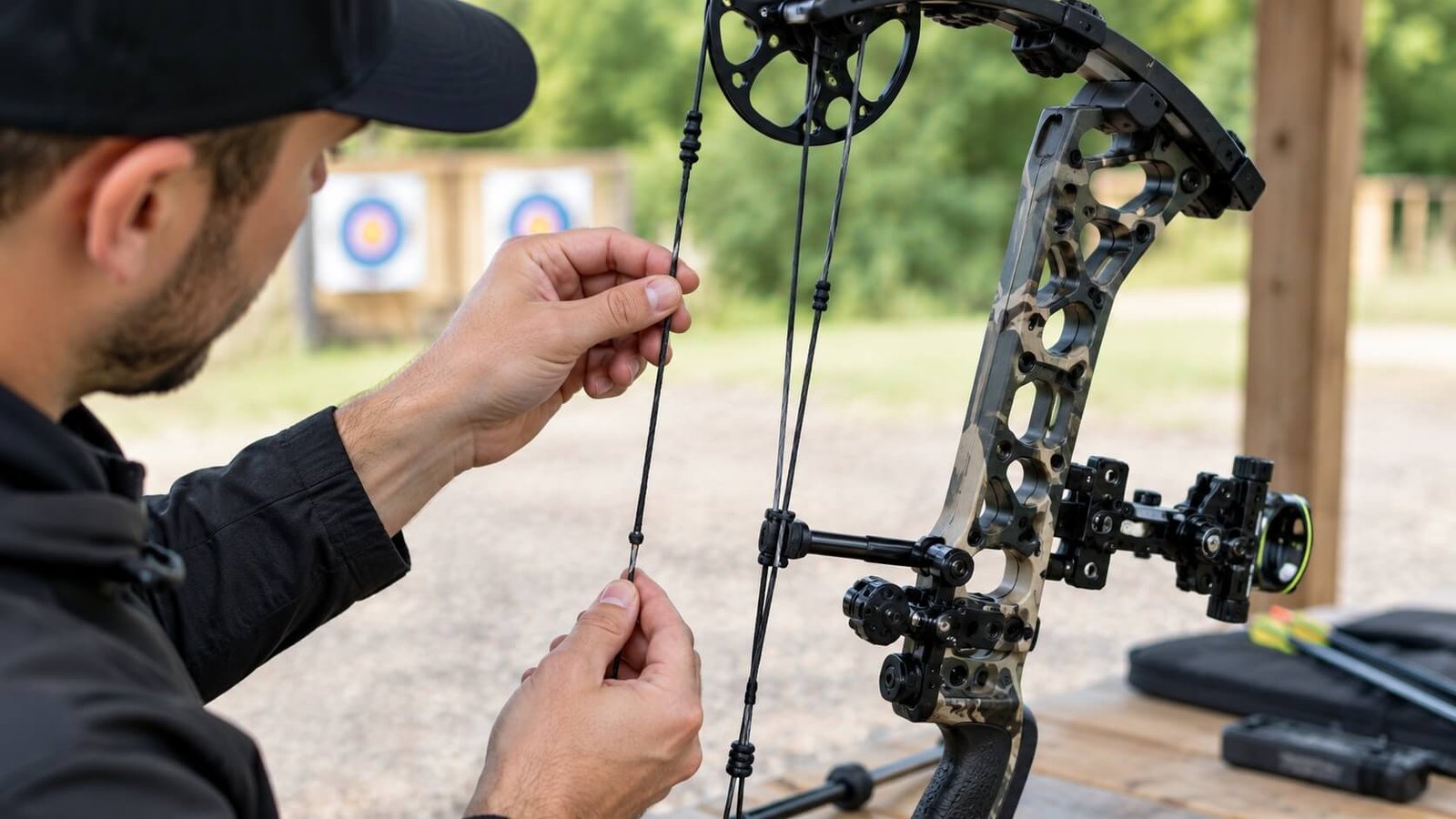
The string and cables are critical load-bearing components. A worn string can make unusual noises, but damage must never be treated as something that a silencer can fix. Inspect the visible length of the string and cables for:
- Frayed or broken strands
- Damaged or unraveling serving
- Unusual wear near contact points
- Loose or displaced string accessories
- Signs that a string or cable is not seated correctly
Also check whether the peep sight, D-loop, nocking points, and other string accessories appear secure and correctly positioned. Do not reposition or reinstall them yourself unless your bow manufacturer’s instructions specifically permit the work and you are properly equipped to do it.
If you find fraying, broken strands, damaged serving in a critical area, or a component that looks out of place, stop shooting and have the bow inspected by a qualified technician. Do not draw the bow to test whether the noise has disappeared.
Keep the string and cables maintained using only products and methods approved for your bow. Follow the manufacturer’s waxing and replacement guidance rather than assuming every string needs the same maintenance interval.
3. Determine Whether the Noise Comes From String Vibration
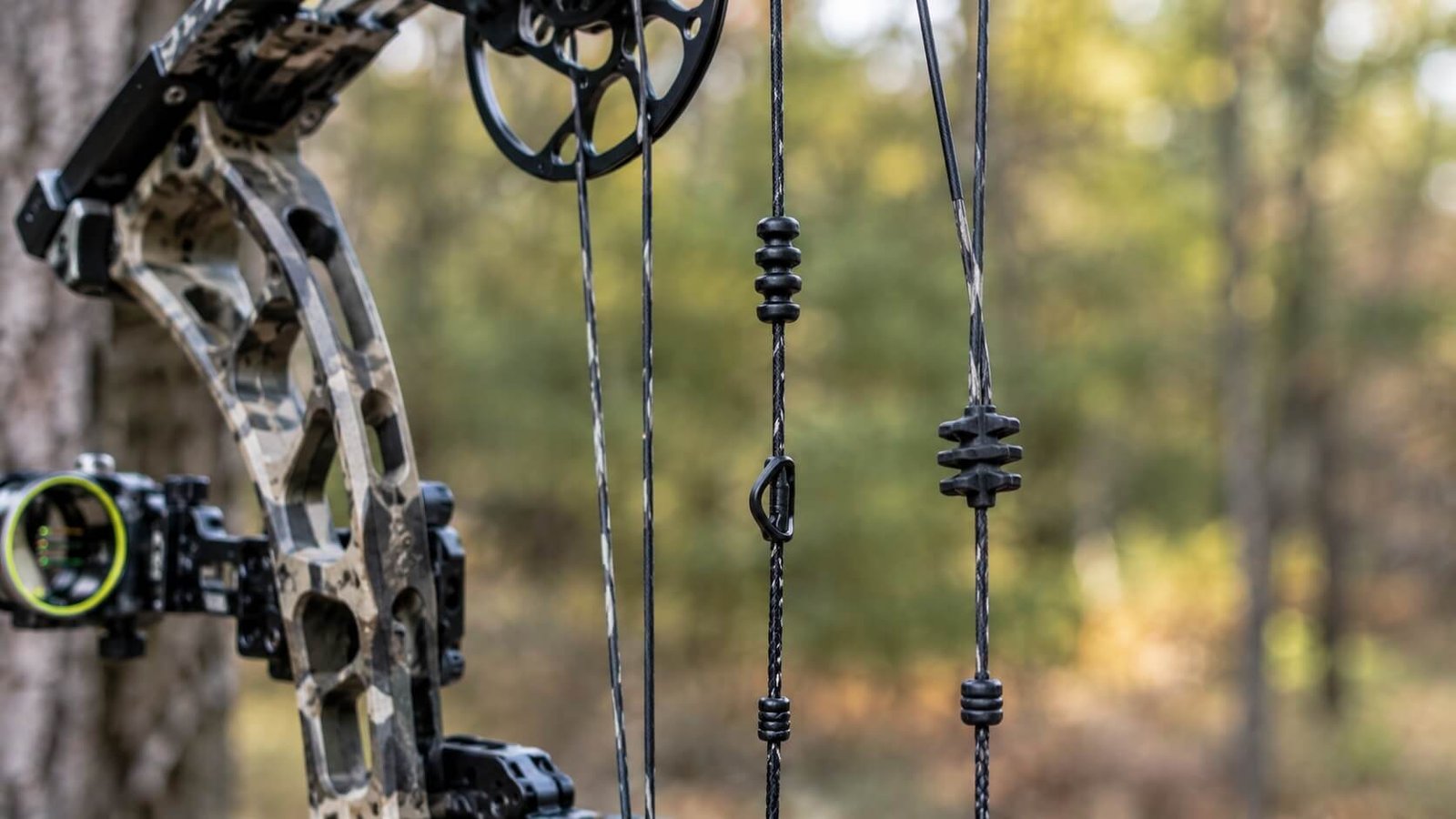
A clear twang immediately after release may be related to residual string vibration. If the bow has been inspected and no mechanical problem is evident, a compatible string-dampening accessory may help. String silencers are intended to reduce some string vibration. Their suitability depends on the bow’s design, string system, and the accessory’s installation requirements.
Before adding one, consider:
- Is the bow already equipped with a string-dampening system?
- Does the bow manufacturer permit the accessory?
- Can it be installed without interfering with the string, cables, cams, or other moving parts?
- Does installation require a bow press or a technician?
Do not attach improvised weights or metal clamp-on devices to the string or cables. Do not place a silencer where it can interfere with the bow’s operation.
For a closer look at available options, see our guide to the best bow string silencers. Use that guide to compare suitable products after checking the cause of the noise, not as a substitute for inspecting the bow.
4. Consider Limb Dampeners or Limb Savers
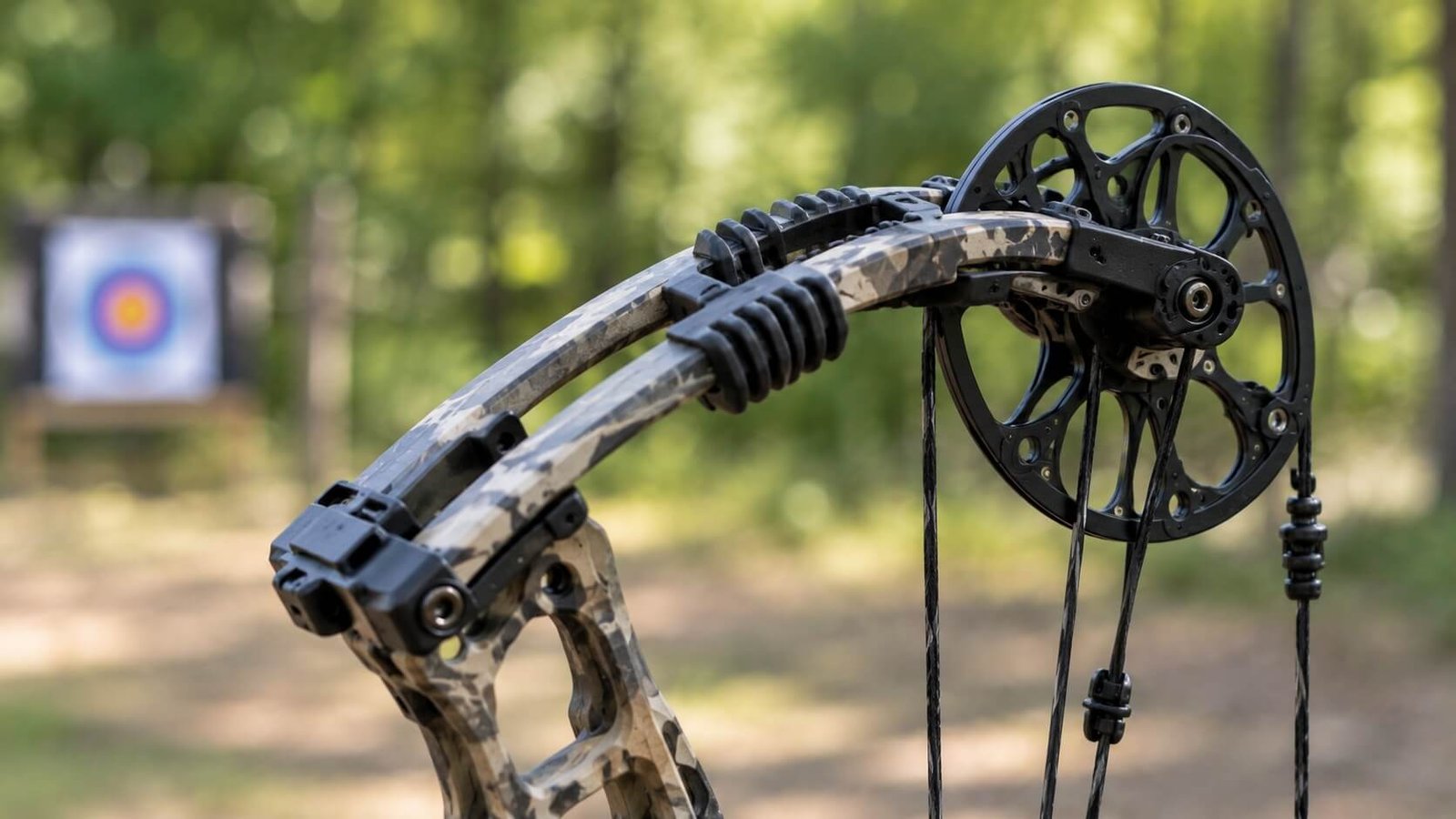
Limb dampeners—sometimes called limb savers—are designed to absorb some vibration in compatible bow setups. They can reduce the vibration that remains after a shot, but they will not correct damaged limbs, poor setup, loose hardware, or an unsafe string system.
Before installing them, confirm that the product is approved for your bow model and the intended mounting location. Compound bow designs differ, so an accessory that fits one model doesn’t suitable for another.
Do not drill into limbs, cut material, modify limb bolts, or attach a product in a location that interferes with the cams, cables, or limb movement. If installation instructions are unclear, ask an authorized retailer or bow technician.
Dampeners are best considered after basic inspection and maintenance. Adding them to a bow with an unexplained new noise may conceal a symptom without addressing its cause.
5. Check Your Stabilizer and Other Vibration-Prone Accessories
A stabilizer can affect bow balance and helps manage vibration, depending on its design. However, adding a longer or heavier stabilizer solely to make a bow quieter is not guaranteed to solve the problem.
First, check that the existing stabilizer and any removable weights are secure and that nothing is visibly damaged. If the bow is otherwise in good condition and you want to compare options, consider a stabilizer designed with vibration-absorbing features.
Choose one that suits your bow, shooting style, and balance preferences. More weight is not automatically better, and an accessory should not interfere with safe handling or your normal shooting form.
6. Check for Rubbing, Contact, or Unexpected Movement
A repeated click, scrape, or rattle may indicate that a component is moving or touching another part of the bow. This is different from the general vibration that follows a normal shot. With the bow undrawn, inspect visible areas for obvious signs of contact, damage, or displaced components. Check the accessory layout and look for anything that appears to have shifted.
Do not put your fingers between the string, cables, cams, or limbs to investigate. Do not draw the bow repeatedly to reproduce an unexplained sound, and do not remove guards or change the cable path to test a theory.
If the sound appears to come from a cam, axle, cable guide, limb pocket, or another mechanical area, have a qualified technician inspect it. These components operate under substantial load, and diagnosis may require specialist tools.
7. Maintain the Bow and Follow the Manufacturer’s Setup
Routine maintenance can help prevent avoidable noise and identify problems before they become more serious. A sensible maintenance routine includes:
- Inspecting the bow, string, cables, arrows, and accessories before each shooting session.
- Keeping the string and cables maintained according to the manufacturer’s instructions.
- Cleaning away dirt and moisture using approved methods.
- Checking for loose or damaged accessories.
- Arranging periodic professional inspection and service.
- Replacing worn components when the manufacturer or technician recommends it.
Do not adjust limb bolts, cam timing, draw weight, draw length, or cable systems just to reduce noise unless the specific procedure is authorized by the manufacturer and you have the proper training and equipment.
If you suspect the bow needs a press, timing adjustment, string replacement, or other specialized work, take it to a qualified bow technician.
Which Fix Should You Try? A Noise Troubleshooting Table
| What you notice | Possible cause | Recommended next step |
|---|---|---|
| A rattle around the sight, quiver, or stabilizer | Loose or vibrating accessory | Inspect accessible fasteners and follow the manufacturer’s tightening instructions |
| A normal-sounding twang after every shot | Residual string vibration | Inspect the bow first; consider compatible string silencers if permitted |
| Vibration felt through the grip or riser | Normal residual vibration or a setup issue | Check for loose accessories; seek professional assessment if excessive or newly changed |
| A sudden metallic click or mechanical rattle | Loose, worn, or misaligned component | Stop shooting if the source is unexplained and arrange a professional inspection |
| Frayed string or damaged cable | Worn or damaged load-bearing component | Do not shoot; have the component inspected and replaced as needed |
| Cracking sound, visible limb damage, or unusual cam movement | Potential mechanical damage | Stop using the bow and contact a qualified technician |
| Noise accompanied by a change in arrow flight or bow feel | Possible setup or mechanical issue | Stop shooting until the bow has been checked |
“This table is a starting point, not a definitive diagnosis. Different bow models can produce similar sounds for different reasons.”
Do Bow String Silencers Reduce Noise?
They can reduce some string vibration when they are compatible with the bow and correctly installed. However, their effectiveness varies by design and setup, and they do not guarantee a silent bow.
Before choosing a product, make sure the bow is mechanically sound and check whether the manufacturer allows the proposed accessory. Installation requires specialist tools or a bow press, depending on the accessory and bow design.
Do Limb Savers Make a Compound Bow Quieter?
Limb dampeners can reduce some vibration in compatible setups, but results vary. They are not a fix for damaged limbs, incorrect setup, loose fasteners, or worn strings and cables. Check the product’s compatibility and installation requirements before using one. Never drill, cut, or otherwise modify a bow limb to fit an aftermarket accessory.
Can You Make a Compound Bow Completely Silent?
No practical accessory can guarantee that a compound bow will be completely silent. The bow releases stored energy when it shoots, and some sound is a normal part of its operation.
A well-maintained bow with secure accessories and appropriate vibration-dampening components is quieter than one with unnecessary rattles or excessive vibration. The correct goal is to eliminate avoidable noise while preserving safe operation and the bow’s intended setup.
When Should You Stop Shooting a Noisy Compound Bow?
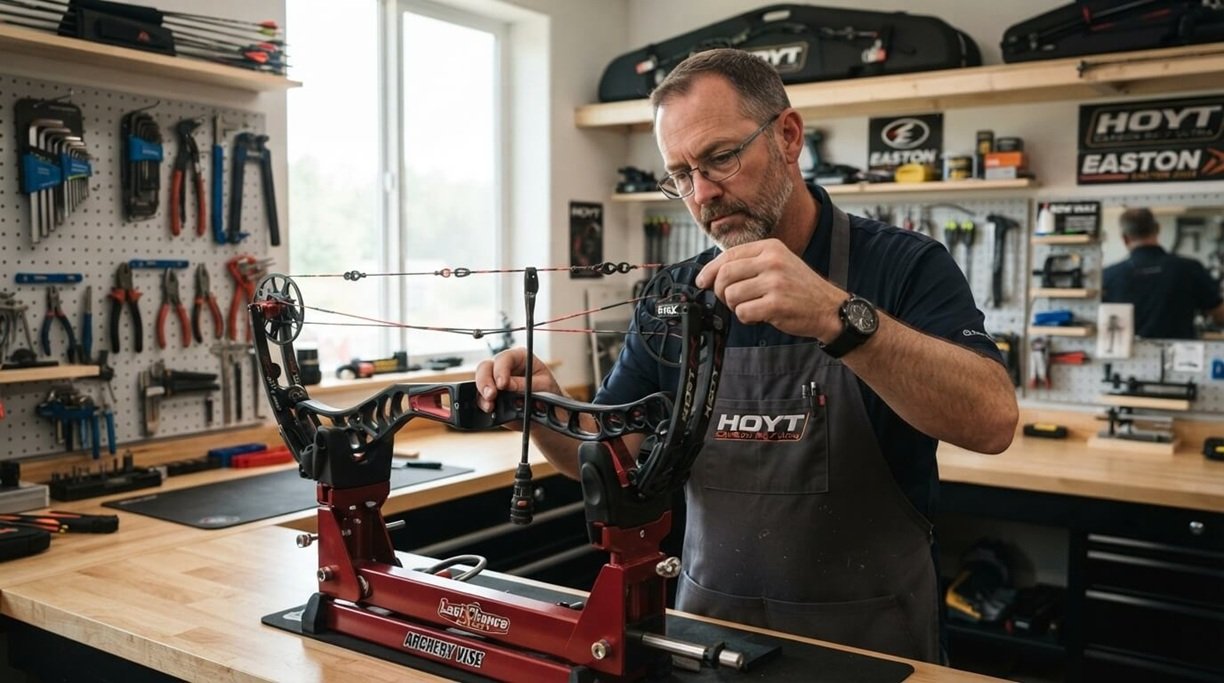
Stop shooting and arrange an inspection if you notice:
- Frayed strings, broken strands, or damaged cables
- Cracks or other visible damage to the limbs, riser, or cams
- A sudden, unexplained change in sound or vibration
- Components that appear displaced or incorrectly seated
- Unusual cam movement or a suspected cable-path problem
- A new noise accompanied by a change in arrow flight or how the bow draws
Never dry-fire a compound bow—releasing the string without a properly nocked arrow. A dry fire can severely damage the bow and cause injury. If a dry fire occurs, do not shoot again until a qualified technician has inspected the bow.
For safety guidance specific to your model, consult the owner’s manual and the manufacturer’s official instructions. Hoyt, for example, advises users to inspect the bow and accessories before use and warns against shooting with damaged strings or cables.
FAQs About How to Quiet a Noisy Compound Bow
Why is my compound bow suddenly louder?
A sudden increase in noise can indicate a loose accessory, string or cable wear, component contact, or a mechanical problem. Stop shooting if the change is unexplained or accompanied by damage, unusual movement, or altered arrow flight. Have the bow inspected before using it again.
What is the easiest way to quiet a compound bow?
Start by inspecting the bow and checking accessible accessory fasteners according to the manufacturer’s instructions. If no problem is found, suitable string silencers or vibration-dampening accessories can help. Do not use accessories to mask unexplained mechanical noise.
Are string silencers and limb dampeners the same thing?
No. String silencers are designed to reduce vibration associated with the string, while limb dampeners target vibration in compatible limb setups. Their design, placement, and installation requirements differ.
Will a stabilizer make my compound bow quieter?
Some stabilizers incorporate vibration-absorbing features and help reduce residual vibration. Results depend on the stabilizer and bow setup. A stabilizer will not correct damaged components or a mechanical fault.
Should I tighten the limb bolts to reduce noise?
No—not as a general noise-reduction fix. Limb-bolt adjustments can change the bow’s setup and may create safety or performance problems if performed incorrectly. Follow the model-specific owner’s manual and consult a qualified technician.
Can I install bow silencers myself?
Some accessories are designed for straightforward installation, and others require specialist tools or a bow press. Follow the product and bow manufacturer’s instructions. If installation involves the string, cables, cams, or other high-load components, use a qualified bow technician.
Final Thoughts
The best way to quiet a noisy compound bow is to find the source of the sound before buying more accessories. Start with a careful visual inspection, check accessible accessory fasteners, and look for signs of string or cable wear. Compatible string silencers, limb dampeners, and stabilizers can help reduce residual vibration, but they cannot make an unsafe bow safe.
If the noise is sudden, unexplained, or accompanied by visible damage or changes in performance, stop shooting and seek professional service. A correctly maintained bow is a better starting point for noise reduction than any aftermarket accessory.
Safety note: Always follow your bow’s owner’s manual and manufacturer-specific maintenance instructions. When in doubt, have the bow inspected by a qualified technician before shooting again.