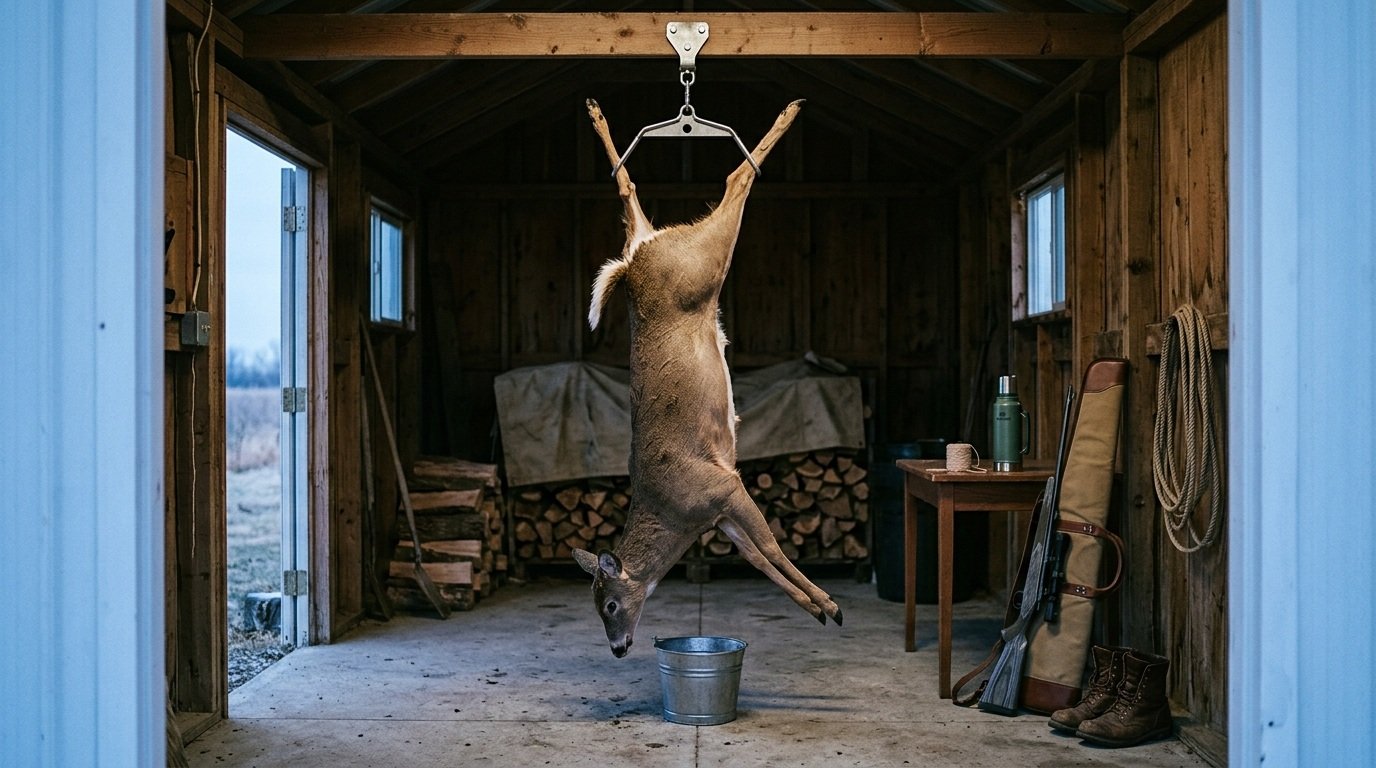
How Long Can a Deer Hang Before Processing? Safe Temperatures & Aging Tips

After a successful deer hunt, one of the most important decisions is how soon to process the animal. Hanging a deer can improve venison tenderness and make butchering easier, but only when the carcass is cooled and stored under controlled conditions.
So, how long can a deer hang before processing? Under proper refrigerated conditions, a deer can generally age for about 7–14 days at 34–37°F (1–3°C). However, if you cannot maintain a consistently cold temperature, you should prioritize cooling and processing rather than leaving the carcass hanging for several days.
Outdoor temperatures, carcass size, contamination, airflow, and how quickly the deer was cooled all affect the decision. This guide explains safe hanging times, ideal temperatures, when to skin a deer, signs of spoilage, and how to prepare venison for processing.
How Long Can You Hang a Deer Before Processing?
The appropriate hanging time depends primarily on temperature and whether you can maintain a clean, refrigerated environment.
| Hanging conditions | Recommended approach |
| 34–37°F (1–3°C), controlled cooler | About 7–14 days for aging, provided the carcass remains clean and properly chilled |
| 38–40°F (3–4°C) | Prioritize prompt processing; do not assume the carcass can safely age for 7–14 days |
| Above 40°F (4°C) | Do not use uncontrolled outdoor hanging for aging; cool the carcass promptly |
| Above 45°F (7°C) | Refrigerate or otherwise chill the carcass as soon as possible |
| Above 50°F (10°C) | Treat cooling as urgent; do not leave the carcass hanging outdoors for an extended period |
| Freezing conditions | Protect the carcass from freezing if aging is the goal, while ensuring rapid initial cooling |
These are practical guidelines, not guarantees of safety. The air temperature alone does not tell you whether the deepest parts of the carcass have cooled adequately. According to Clemson Cooperative Extension’s wild-game safety guidance, proper aging generally takes place at 34–37°F for 7–14 days.
Utah State University Extension also recommends aging in a clean, cool environment, preferably around 34–36°F. If you cannot maintain those conditions, processing sooner is the safer choice. Before heading out, check your local hunting regulations for applicable harvest, tagging, and reporting requirements, as rules vary by location.
What Is the Best Temperature for Hanging a Deer?
The ideal temperature for aging venison is approximately 34–37°F (1–3°C). At this temperature, natural enzymes gradually break down muscle proteins, which can improve tenderness. Refrigeration also slows the growth of many harmful microorganisms. The key is to maintain a stable temperature throughout the aging period.
Why temperature matters
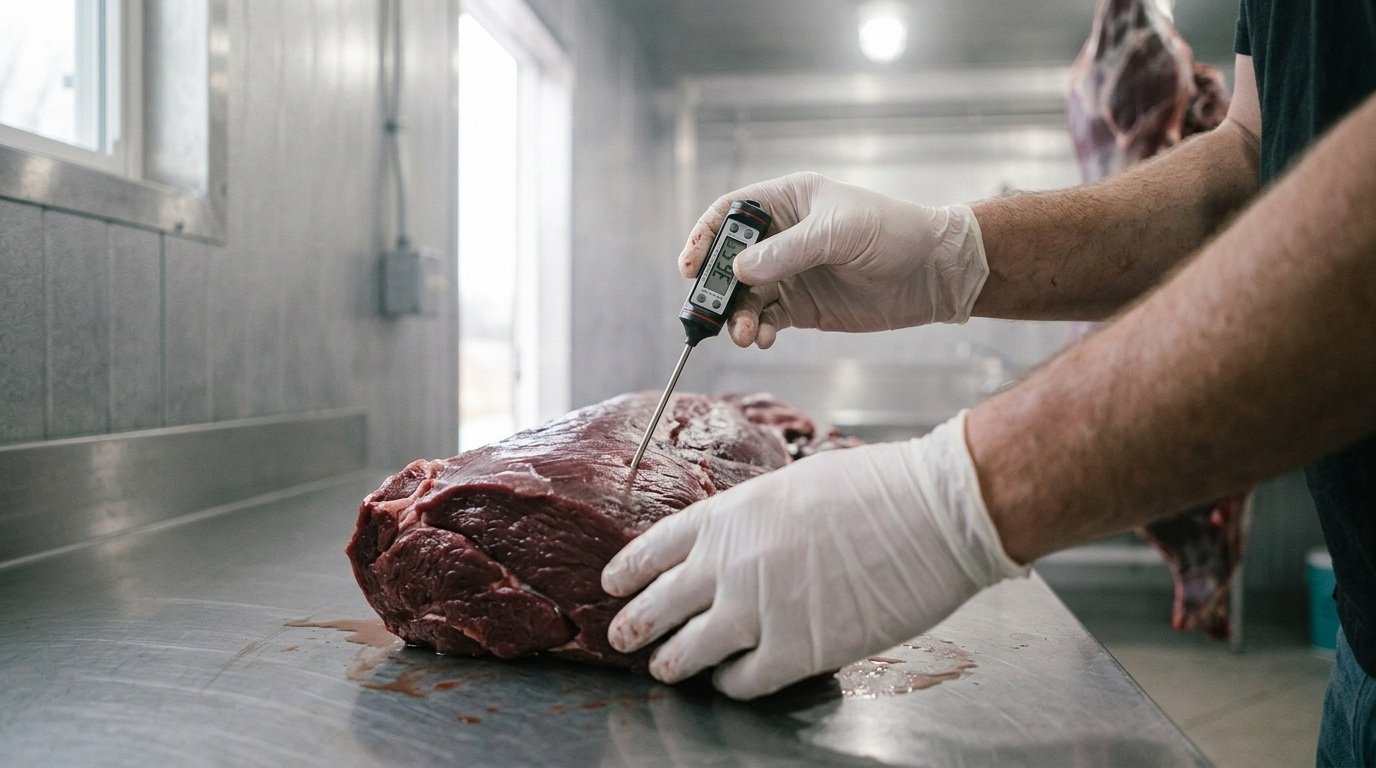
A deer carcass retains heat after harvest. If the carcass stays warm for too long, bacteria can multiply before the meat cools sufficiently. A cold outdoor night does not necessarily solve this problem. A large carcass may remain warm internally even when the surface feels cold.
Use a reliable thermometer to monitor the cooler temperature. Where practical, also check the temperature inside a thick muscle using a clean food thermometer. Avoid relying solely on a weather forecast or the temperature displayed inside your garage.
Can you hang a deer at 40°F?
A temperature of 40°F is not the same as a controlled aging temperature of 34–37°F.
If the carcass is already properly chilled and the temperature remains stable, short-term storage may be manageable, but 40°F leaves less margin for temperature fluctuations. Do not assume that a deer can safely age for one or two weeks at this temperature.
For the best combination of food safety and meat quality, use a dedicated cooler that can maintain the recommended aging range. If you need to transport the meat after field dressing, suitable hunting coolers can help you keep venison chilled during the journey.
Can you hang a deer at 50°F?
Leaving a deer hanging outdoors at 50°F is not a suitable aging method. At this temperature, microbial growth becomes a greater concern, especially if the carcass has not cooled completely. Move the deer into suitable refrigeration or promptly quarter and chill it using a safe method.
Utah State University Extension advises refrigerating a skinned carcass as soon as possible, typically within three to four hours when the air temperature exceeds 45°F. That timing is a prompt-handling recommendation, not permission to leave a warm carcass unrefrigerated for that entire period.
Should You Hang a Deer With the Hide On or Off?
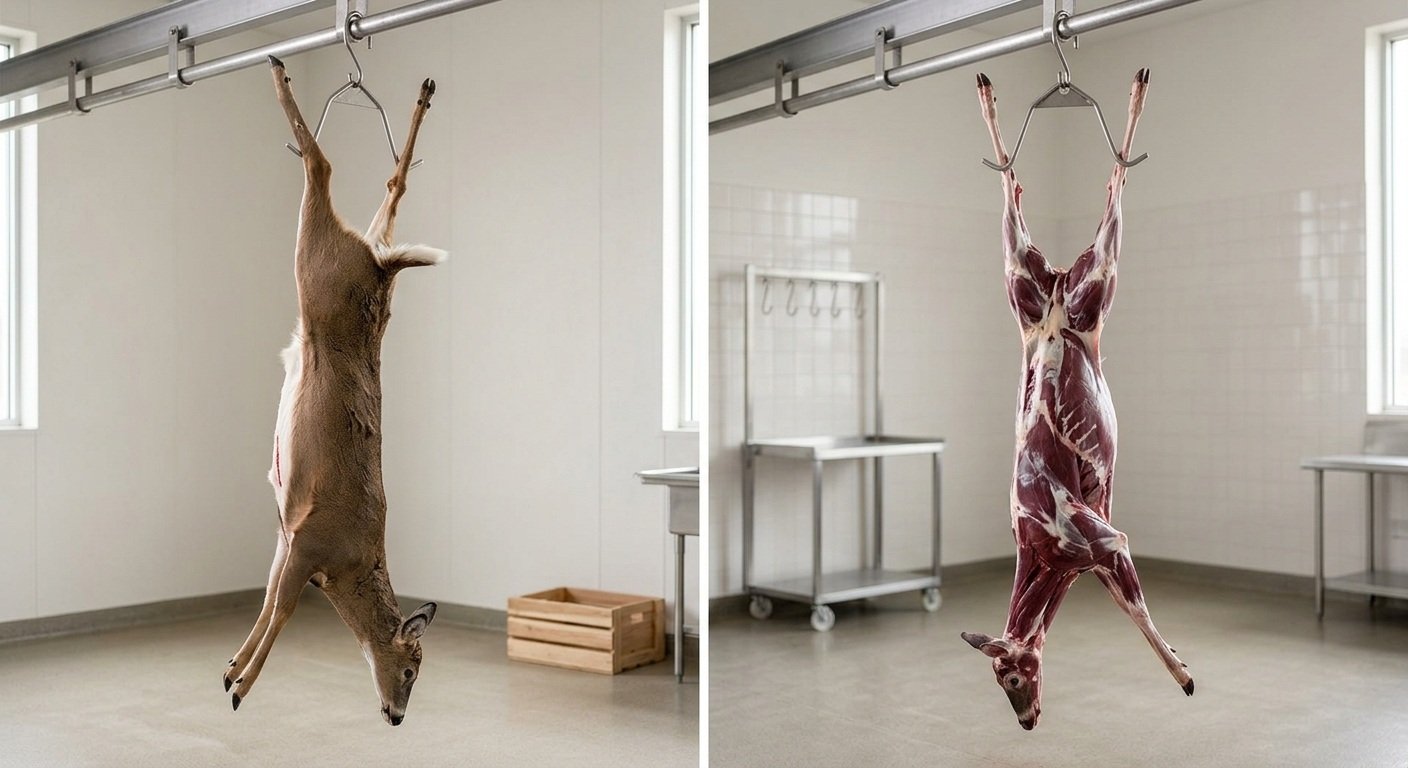
Both methods have advantages, and the best choice depends on temperature, cleanliness, and your processing setup.
Hanging with the hide on
Leaving the hide on can protect the meat from dirt and help prevent the surface from drying out too quickly. This can be useful in cold weather when the carcass is being handled in a clean, controlled environment.
However, the hide can also slow heat loss. If the weather is warm, retaining the hide may make it harder to cool the carcass quickly. Before processing a large carcass, explore the best bone saws for deer processing to understand which tools may be useful
Hanging with the hide off
Removing the hide can help the carcass cool faster when temperatures are elevated, provided you can protect the exposed meat from dirt, insects, and other contamination. Use a clean, ventilated environment. Do not wrap warm venison tightly in plastic or a tarp, because trapped heat can delay cooling. For detailed guidance, see the USDA’s Safe Handling of Venison.
Practical rule: In warm conditions, prioritize rapid cooling and cleanliness over traditional hanging practices. In cold conditions, the hide may help protect the carcass, but temperature control remains essential.
How Long Should You Age Venison for the Best Tenderness?
Aging is optional. You do not need to hang every deer for a week or longer to obtain good-quality meat. Under suitable refrigerated conditions, aging can improve tenderness and make some cuts more enjoyable to eat.
Aging for 1–3 days
A short aging period may be practical when you need to process the deer quickly. This can be a reasonable choice for smaller or younger deer, or when freezer space and processing schedules are limited. However, meat quality depends on the carcass and how it was handled, so a short aging period does not guarantee a particular level of tenderness.
Aging for 4–7 days
Aging for several days at a controlled temperature is a common approach for hunters seeking a balance between tenderness and convenience. The carcass must remain clean and properly chilled throughout this period.
Aging for 7–14 days
Aging for one to two weeks at 34–37°F can further improve tenderness under suitable conditions. However, longer is not automatically better. Surface drying, contamination, humidity, and temperature fluctuations can affect the result. Some meat may require trimming after aging.
Do not extend the aging period simply because the calendar allows it. For additional guidance, consult Clemson Cooperative Extension.
How to Cool a Deer Quickly After Harvest
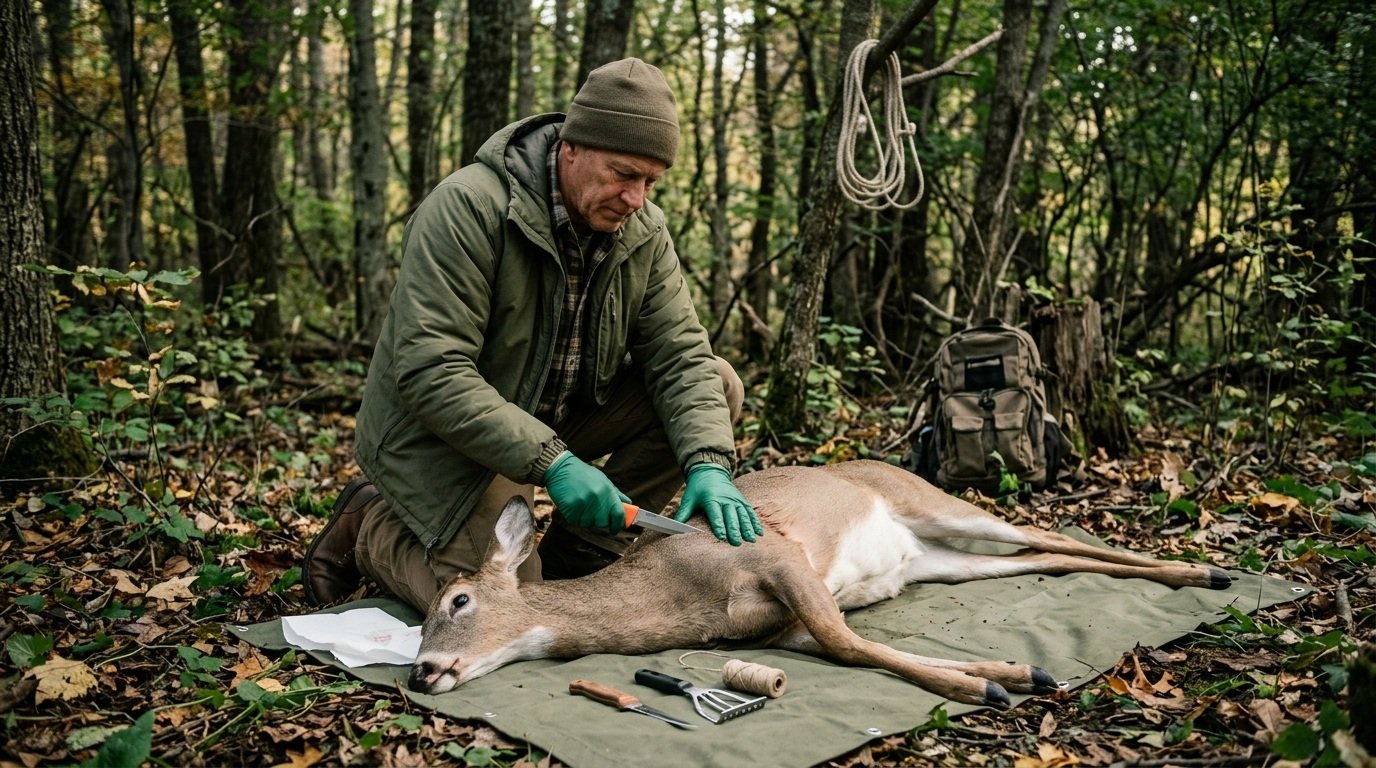
1. Field-dress the deer carefully
Remove the internal organs promptly while minimizing contact between the meat and digestive contents. Use clean knives and gloves where appropriate. Choosing suitable hunting knives for field dressing can help you handle the field-dressing process more effectively.
If the meat becomes contaminated with gut contents or fecal material, address the contamination promptly and carefully rather than spreading it with a dirty cloth or tool.
2. Allow heat to escape
Where conditions permit, position the carcass so air can circulate around it. Keeping the cavity open can help release retained heat. Keep the carcass out of direct sunlight and away from sources of contamination.
3. Remove the hide when appropriate
In warm weather, removing the hide can help heat escape, provided you have a clean way to protect the meat. Do not leave a warm carcass wrapped in an airtight covering.
4. Use suitable refrigeration or ice
A walk-in cooler is ideal for controlled aging. If you must use ice to chill the carcass or quarters, prevent dirty meltwater from contacting the meat. Keep the meat clean, and make sure the cooling method actually brings the meat to a safe temperature.
5. Monitor the temperature
Check the cooler regularly rather than assuming it is working properly.
If the temperature rises beyond the recommended aging range, reassess the storage conditions and process the meat sooner if necessary. For more information, read Utah State University Extension’s venison preservation guidance.
When Should You Process a Deer Instead of Letting It Hang?
Process the deer promptly when you cannot maintain safe aging conditions. Situations that call for quicker processing include:
- Warm weather without access to a suitable cooler.
- A carcass that has not cooled adequately.
- A damaged or unreliable refrigeration system.
- Significant contamination during field dressing.
- Uncertainty about how long the carcass has been warm.
- Evidence of spoilage or abnormal deterioration.
You can quarter or debone the deer and refrigerate the meat in appropriately sized portions. Smaller pieces generally cool more readily than a whole carcass, provided they are handled hygienically and placed in suitable refrigeration.
If you plan to use a professional processor, contact them early and follow their instructions for transporting and delivering the carcass. Do not delay processing simply to achieve a traditional hanging period. After harvesting a deer, careful field dressing is essential for keeping the meat clean. Using suitable gut hook knives for field dressing can help with the process.
Signs That a Hanging Deer May Have Spoiled
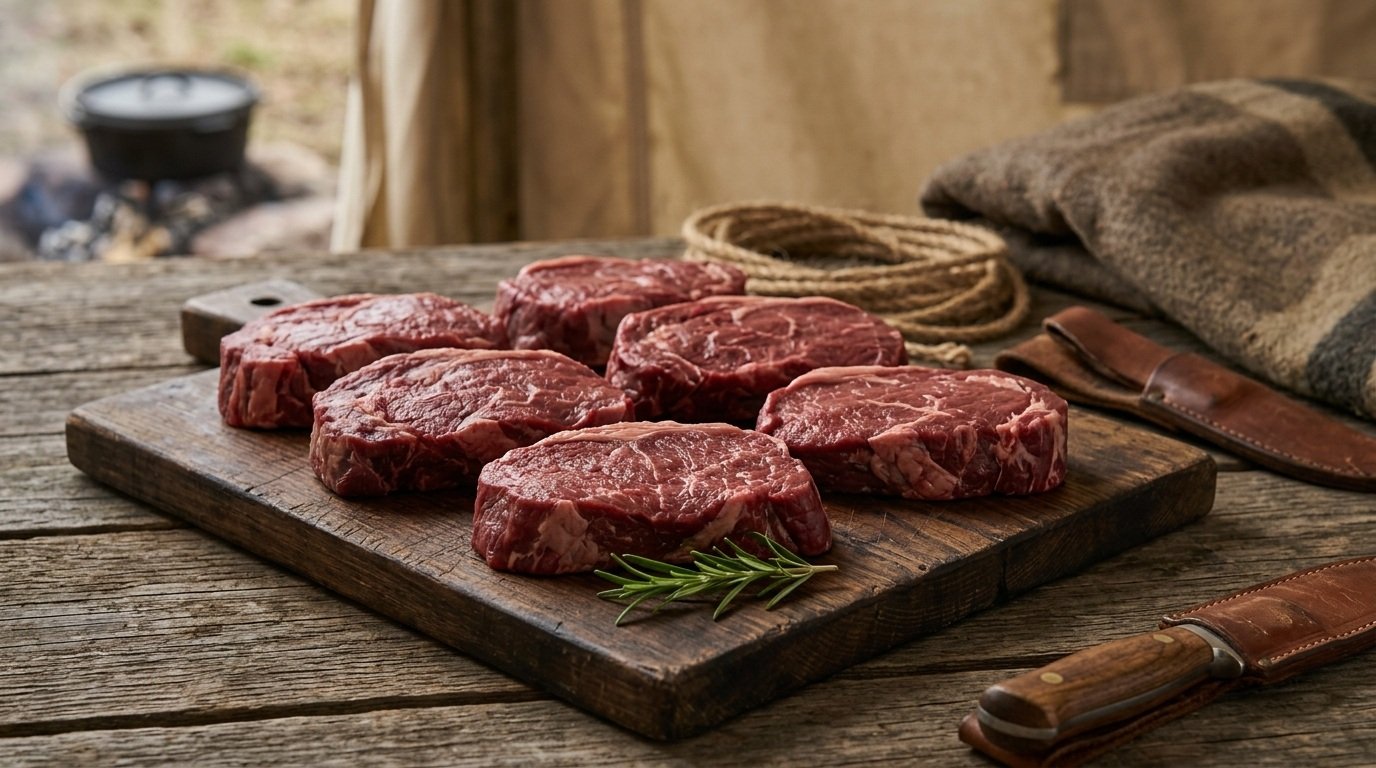
Inspect the carcass during handling, but remember that appearance and smell cannot reliably establish food safety. Potential warning signs include:
- A persistent sour, rancid, or putrid odor.
- Slimy or unusually sticky surfaces.
- Unusual discoloration accompanied by other signs of deterioration.
- Extensive abnormal mold growth.
- Evidence that the carcass remained warm for an extended period.
A dry outer surface or some darkening does not automatically mean the meat is spoiled. Conversely, meat can contain harmful microorganisms without looking or smelling obviously bad.
If you suspect the carcass was temperature-abused or contaminated, do not taste the meat to test it. Contact a qualified meat processor or local food-safety authority for advice. When safety cannot be established, discard the questionable meat rather than risk illness. Trimming away a visibly damaged area does not necessarily make a spoiled carcass safe.
Common Mistakes to Avoid When Hanging a Deer
- Leaving a deer outside because the nights are cold: Daytime temperatures and the temperature inside the carcass matter too. A cool night does not guarantee safe conditions over several days.
- Aging a deer in an unmonitored garage: Garages and sheds can experience significant temperature changes. Without reliable temperature monitoring, you cannot assume that the carcass is aging safely.
- Wrapping a warm carcass in plastic: Tight coverings can trap heat and delay cooling. Use a suitable, clean, ventilated method of handling the carcass instead.
- Assuming longer aging always improves meat: Aging is useful only under proper conditions. Once the meat has aged sufficiently, additional time may offer little benefit while increasing handling and spoilage risks.
Ignoring contamination
Dirty knives, gut contents, unclean surfaces, and insects can compromise the meat. Maintain clean equipment and prevent cross-contamination from field to freezer.
FAQs About How Long Can a Deer Hang
Can you leave a deer hanging overnight?
It depends on the conditions. Overnight hanging may be appropriate if the carcass is handled hygienically and cooled promptly, with temperatures maintained within a suitable range. If the weather is warm or the carcass remains hot internally, do not assume that overnight hanging is safe.
Can a deer hang for two weeks before processing?
Yes, under appropriate controlled refrigeration. A period of 7–14 days at 34–37°F is commonly recommended for aging venison. The carcass must remain clean and properly chilled throughout the process.
Can you hang a deer for a week at 40°F?
A week at 40°F is not the preferred aging approach. Because the temperature is above the commonly recommended 34–37°F range, use caution and prioritize prompt processing rather than assuming a week-long hang is safe.
Should you age venison before freezing it?
Aging is optional. If you want to age the meat, do so under controlled refrigerated conditions before cutting and packaging it. If you cannot maintain safe aging conditions, process and freeze the meat promptly instead.
Does hanging a deer make the meat less gamey?
Aging primarily affects tenderness. It may influence flavor, but it does not reliably eliminate strong or unpleasant flavors caused by contamination, poor handling, or spoilage.
Can you hang a deer when temperatures drop below freezing?
Freezing conditions complicate aging. The carcass may freeze before the aging process can proceed as intended, and rapid chilling can affect tenderness. Protect the carcass from freezing when controlled aging is the goal, while still ensuring prompt initial cooling.
Is it better to skin a deer immediately?
Not in every situation. Removing the hide can help cooling in warm conditions, but the hide also protects the meat from contamination and drying. Choose the method that allows you to cool the carcass quickly while keeping the meat clean.
Final Thoughts
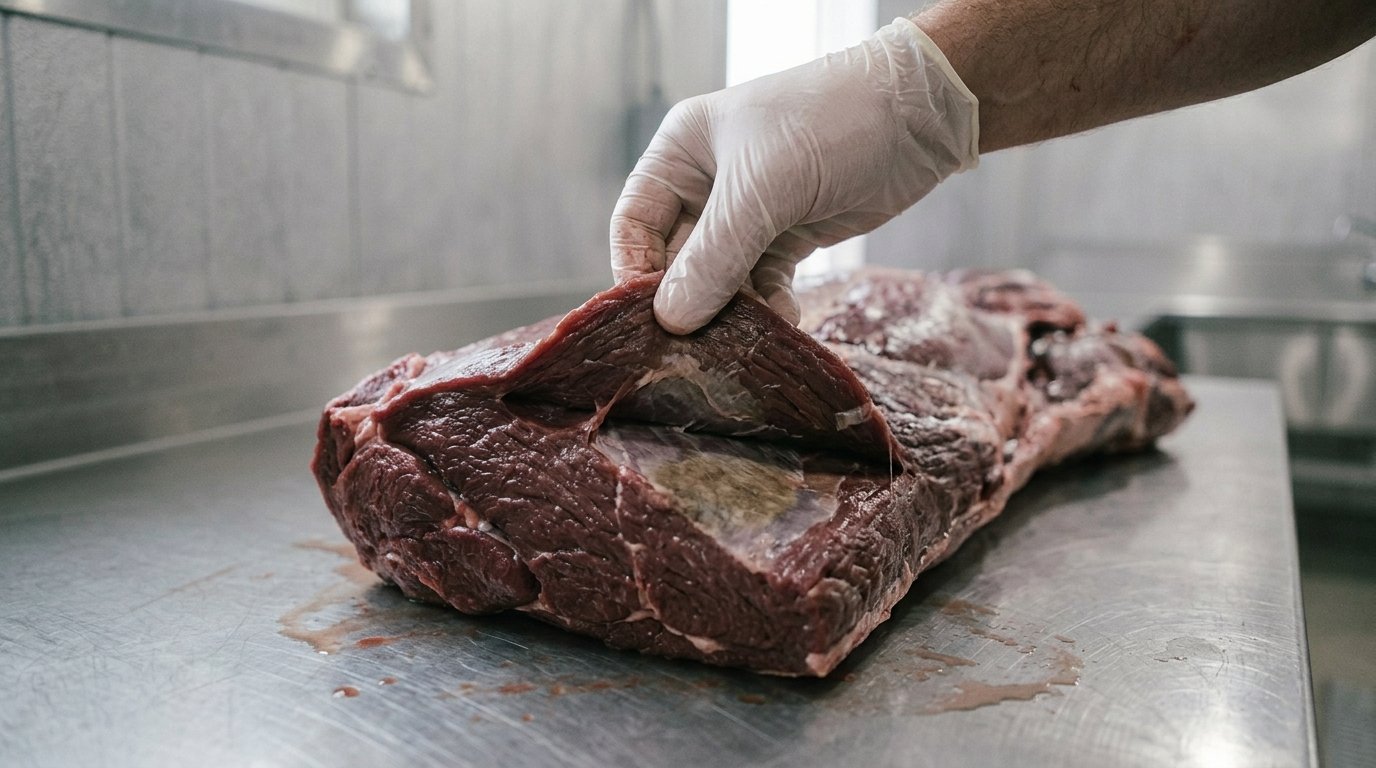
The answer to how long a deer can hang before processing comes down to temperature control, cleanliness, and the condition of the carcass. For aging, aim for 34–37°F and generally 7–14 days under properly controlled conditions. If the weather is warm, refrigeration is unavailable, or you are uncertain about the carcass’s temperature history, prioritize prompt cooling and processing instead.
A little planning after the hunt can help preserve the quality of your venison while reducing the risks associated with improper meat handling.