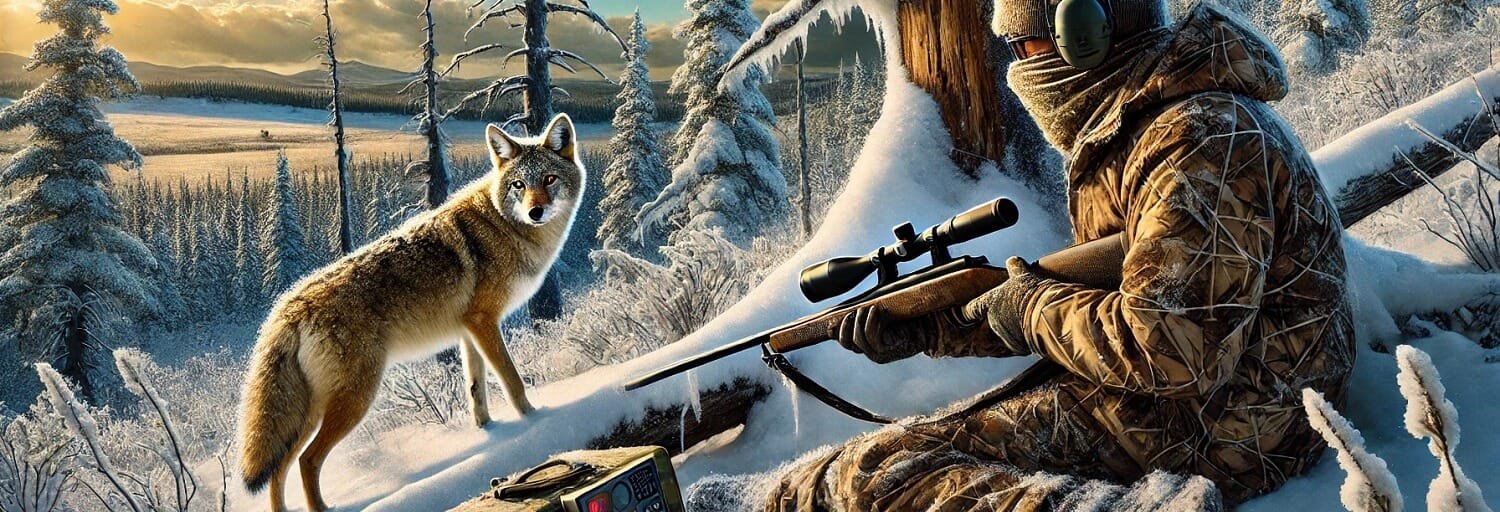

Small Game Hunting Guide: Essential Gear, Tips & Equipment

Pheasants, partridges, rabbits, ruffed grouse, woodcock, and other upland birds offer hunters plenty of opportunities throughout the season. Whether you’re walking field edges for rabbits or flushing grouse in thick cover, success depends on being prepared with the right clothing, firearm, and accessories.
Compared with big game hunting, small game hunting generally requires less gear and planning, making it one of the most accessible ways to get started in hunting. But choosing the right equipment still matters.
This guide covers the essential small game hunting gear, practical clothing recommendations, firearm options, and beginner-friendly tips to help you hunt safely and confidently.
What Is Small Game Hunting?
Small game hunting is the pursuit of smaller mammals and upland or migratory birds using legal hunting methods. Compared to big game hunting, which often targets large animals such as deer or elk, small game hunting focuses on species that are generally more abundant, have longer hunting seasons in many regions, and require less specialized equipment.
Common small game species include:
- Rabbits and hares
- Squirrels
- Ruffed grouse
- Pheasants
- Quail
- Chukar
- Woodcock
- Dove (where legal)
- Other regional game birds and small mammals, depending on local wildlife regulations
For many hunters, small game hunting is an excellent way to develop core field skills. It teaches safe firearm handling, accurate shooting, game identification, tracking, navigation, and ethical hunting practices without the physical demands often associated with pursuing larger game over long distances or rugged mountain terrain.
Another advantage is accessibility. Many hunters enjoy successful outings on both public and private lands where hunting is permitted. Public wildlife management areas, national forests, and state lands sometimes provide affordable hunting opportunities, on the other hand private land can offer reduced hunting pressure when permission has been obtained from the landowner.
Whether hunting on public or private land, always obtain permission where required and respect the property, wildlife, and other outdoor users. Although small game hunting is generally less physically demanding than many big game hunts, it still requires endurance and preparation.
Hunters spend several hours walking through fields, forests, brush, wetlands, or uneven terrain while carrying their firearm and essential gear. Wearing appropriate clothing, comfortable footwear, and carrying only the equipment you truly need can make the hunt safer, more enjoyable, and more productive.
Essential Small Game Hunting Equipment Checklist
Before heading into the field, make sure you have the essentials needed for a safe, comfortable, and successful hunt. Although your exact gear varies depending on the game species, terrain, and weather, the checklist below covers the equipment most hunters carry on a typical small game outing.
| Essential Gear | Purpose |
|---|---|
| Firearm | Suitable for your target species |
| Ammunition | Match the game and firearm |
| Hunting License | Required where applicable |
| Hunting Clothing | Camouflage and weather protection |
| Hunting Boots | Comfort and traction |
| Game Vest or Backpack | Carry gear and harvested game |
| Navigation Tool | Stay oriented in the field |
| Water & Snacks | Maintain hydration and energy |
| First Aid Kit | Emergency preparedness |
Choosing Hunting Clothing for Every Season
Weather conditions can change your comfort, mobility, and overall hunting success. Dressing for the season helps you stay focused in the field while protecting you from the elements.
Early Season
Early-season hunts are often warm, making lightweight and breathable clothing the best choice.
- Lightweight camouflage shirt and pants
- Breathable, waterproof hunting boots
- Lightweight hunting vest
- Moisture-wicking base layer
- Cap and lightweight gloves if needed
Mid Season
As temperatures begin to drop, layering becomes more important.
- Insulated hunting vest or light hunting jacket
- Durable camouflage pants
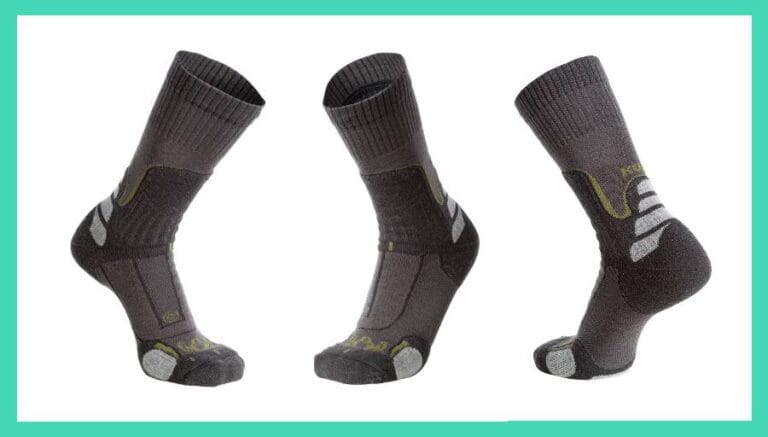
- Waterproof boots with warm socks
- Medium-weight base layer
- Lightweight gloves and beanie
Late Season
Cold weather requires insulation while maintaining freedom of movement.
- Waterproof insulated hunting jacket
- Thermal base layer
- Insulated hunting pants or bibs
- Warm waterproof hunting boots
- Insulated gloves
- Beanie or insulated hunting hat
- Neck gaiter for additional warmth
Tip: Dress in layers instead of wearing one heavy garment. Layering allows you to regulate body temperature as activity levels and weather conditions change throughout the hunt.
Optional Gear That Can Improve Your Hunt
Although not essential for every outing, these accessories can improve comfort, convenience, and efficiency.
- Rangefinder for estimating shooting distance
- Trail camera for scouting hunting locations
- Walkie-talkie for communicating with hunting partners
- Game bags or plastic zipper bags for transporting harvested game
- Hunting gloves for protection and hygiene
- Headlamp or flashlight for early morning or evening hunts
- Multi-tool for quick equipment repairs
- Portable seat or hunting stool for longer waits
- Extra batteries or power bank for electronic devices
- Dog whistle or GPS collar if hunting with a bird dog
Pro Tip: Pack only the gear you’ll realistically use. A lightweight, organized hunting vest or backpack reduces fatigue, improves mobility, and allows quicker access to essential equipment when opportunities arise.
Camouflaged Hunting Gear and Clothing
Choosing durable, purpose-built hunting clothing can make long days in the field more comfortable and productive. Unlike everyday outdoor apparel, hunting garments are designed to withstand thick brush, reduce noise while walking, and provide convenient storage for ammunition and essential accessories.
Look for clothing made from quiet, abrasion-resistant materials with multiple pockets, reinforced stitching, and weather-resistant finishes. Camouflage patterns that match your hunting environment can help you blend into natural cover, while a well-designed game vest or hunting backpack keeps your gear organized and your hands free.
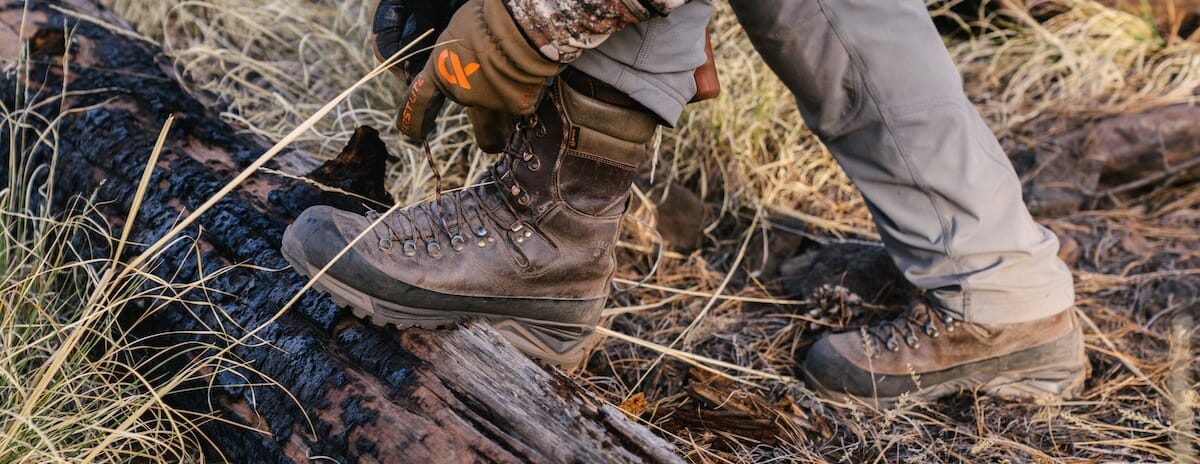
For footwear, waterproof hunting boots with good ankle support and aggressive traction are ideal for walking through mud, wet grass, and uneven terrain. In areas where regulations require it, wear blaze orange outerwear or a safety vest to remain visible to other hunters without sacrificing functionality.
If you’re upgrading your hunting gear, our guides on the top-rated hunting jackets, hunting boots for men and women hunters, hunting backpacks, and best hunting bibs can help you choose equipment suited to your hunting style and local conditions.
Firearms Suitable for Hunting
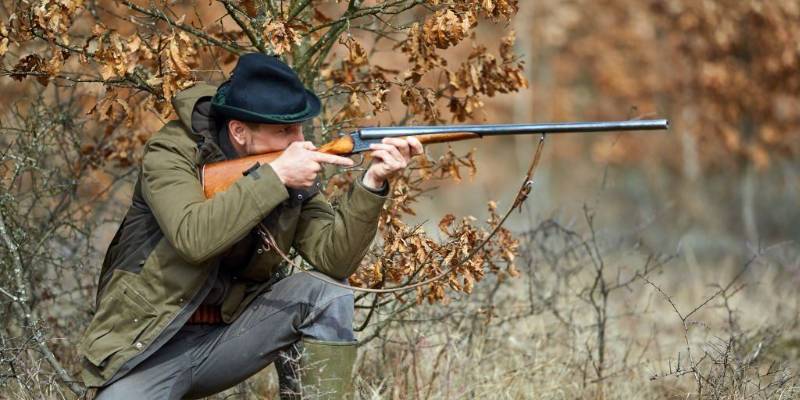
Choosing the right firearm is one of the most important decisions for any small game hunter. The best option depends on the species you’re pursuing, the terrain, typical shooting distance, and your level of experience. While shotguns are the most versatile choice for upland birds and rabbits, rimfire rifles can be an excellent option for stationary small game where they are legal.
The most common firearm types used for small game hunting include:
- Side-by-side shotgun (Juxtaposed): A traditional design valued for its simplicity, reliability, and quick barrel selection.
- Over-under shotgun: Popular among upland bird hunters for its balanced handling and improved sight picture.
- Semi-automatic shotgun: Offers reduced felt recoil and faster follow-up shots, making it a versatile choice for many hunting situations.
- Drilling firearm: A specialized combination gun that typically includes both shotgun barrels and a rifle barrel, providing flexibility for hunters pursuing different game species.
Regardless of the firearm you choose, it should fit comfortably, shoulder naturally, and comply with local hunting regulations. Practicing regularly before the season begins will improve accuracy and confidence in the field.
Choosing the Right Firearm for Small Game Hunting
Then include a comparison table like this:
| Firearm | Best For | Advantages | Considerations |
| 12 Gauge | Pheasants, ducks, rabbits, mixed hunting | Highly versatile with wide ammunition availability | Heavier recoil than smaller gauges |
| 20 Gauge | Beginners, upland birds, rabbits | Lightweight, easier to carry, reduced recoil | Slightly less shot payload than a 12-gauge |
| .410 Bore | Youth hunters and experienced shooters seeking a challenge | Very light and easy to carry | Smaller shot pattern requires greater accuracy |
| .22 LR | Rabbits, squirrels, stationary small game | Excellent accuracy, affordable ammunition, low recoil | Not suitable for flying birds and must be used only where legal |
Expert Tip: If you’re buying your first small game firearm, a quality 20-gauge shotgun is often the most versatile option. It offers manageable recoil, works well for a wide variety of upland birds and rabbits, and is comfortable to carry during long days in the field.
Choosing the Right Shotshell and Choke
Selecting the right shotshell and choke is just as important as choosing the right shotgun. Different small game species vary in size, habitat, and typical shooting distance, so matching your ammunition and choke to the conditions can improve pattern performance and increase your chances of making clean, ethical harvests.
Recommended Shot Sizes for Common Small Game
| Game Species | Recommended Shot Size* | Typical Hunting Situation |
| Quail | #7½ or #8 | Close-range flushing birds |
| Dove | #7½ or #8 | Fast-flying birds in open fields |
| Ruffed Grouse | #6 or #7½ | Dense woodland cover |
| Woodcock | #7½ or #8 | Short-range shots in thick cover |
| Pheasant | #5 or #6 | Larger birds at moderate distances |
| Rabbit | #5 or #6 | Brush, hedgerows, and field edges |
| Squirrel | .22 LR rifle or #6 shot | Stationary or slow-moving targets |
Always use ammunition that is legal in your hunting area. Some public lands and wetlands require non-toxic shot instead of lead.
Understanding Shotgun Chokes
A shotgun choke controls how widely the shot spreads after leaving the barrel. The right choke depends on how far away your targets are likely to be.
| Choke | Best Use |
| Cylinder | Very close-range shots in thick cover |
| Improved Cylinder | Rabbits, quail, woodcock, and grouse in dense habitat |
| Modified | General-purpose small game hunting and pheasants |
| Full | Longer-range shots in open country where legal and appropriate |
For many hunters, an Improved Cylinder or Modified choke provides the best balance for a variety of small game species, making them excellent choices if you’re carrying only one shotgun during the hunt.
“Field Tip: Pattern your shotgun at different distances before hunting season. Testing your shotgun with the same ammunition and choke you’ll use in the field helps you understand its effective range and pattern density, leading to more confident and ethical shots.”
Essential Hunting Accessories and Their Uses
Hunting Knife
A sharp hunting knife is one of the most useful tools in the field. It allows you to field dress harvested game, trim branches if needed, and perform general camp tasks. Choose a fixed-blade or folding knife that holds an edge well and is comfortable to use while wearing gloves.
Binoculars
A quality pair of hunting binoculars helps you identify game from a safe distance without pointing your firearm. They are especially useful for scanning field edges, tree lines, and brush before making your next move.
Hearing Protection and Safety Glasses
Repeated firearm noise can permanently damage your hearing. Lightweight electronic hearing protection reduces harmful noise while still allowing you to hear conversations and approaching game. Safety glasses protect your eyes from branches, debris, and shotgun residue.
Rangefinder
Although many small game shots are taken at relatively close distances, a hunting rangefinder can help estimate distance accurately in open fields and improve shot placement on longer opportunities.
Gloves and Game Bags
Disposable gloves help keep meat clean during field dressing and reduce the risk of contamination. Reusable game bags or heavy-duty zipper bags protect harvested game during transport.
A GPS, compass, smartphone with offline maps, or walkie-talkie can help you navigate unfamiliar terrain and stay in contact with hunting partners, especially on larger public hunting areas.
Best Hunting Dogs for Small Game Hunting
A well-trained hunting dog can greatly improve your success by locating, flushing, retrieving, or tracking small game. While not essential, the right breed can make hunting more efficient and enjoyable.
| Dog Breed | Best For | Strengths |
| Labrador Retriever | Waterfowl, pheasants, and general game retrieval | Excellent retriever with a calm temperament and strong swimming ability. |
| English Springer Spaniel | Pheasants, quail, and woodcock | Energetic flushing dog that works well in dense cover. |
| Brittany | Upland birds including grouse, pheasants, and quail | Versatile pointing dog known for speed, endurance, and responsiveness. |
| Beagle | Rabbits and hares | Outstanding scent-tracking ability and persistence on rabbit trails. |
| German Shorthaired Pointer | Mixed small game hunting | Versatile pointing and retrieving breed that performs well across a variety of habitats. |
The best hunting dog depends on the game species, terrain, and hunting style. Regardless of breed, consistent training and regular field experience are essential for developing a reliable hunting companion.
Hunting in Different Weather Conditions
Weather affects where small game hides, how it moves, and the hunting strategies that are most effective. Understanding these changes can help you locate game more efficiently and adjust your approach in the field.
Rain
Light rain often encourages rabbits to feed near brush edges, while upland birds may remain in thicker cover until the rain eases. Move slowly and pay extra attention to sheltered areas where game seeks protection.
Snow
Fresh snowfall makes tracks, trails, and feeding areas much easier to identify. Rabbits, squirrels, and other small mammals often leave clear sign, making snow one of the best conditions for tracking game.
Wind
Strong winds can make birds hold tighter in heavy cover and reduce the distance at which they flush. Search protected areas such as hedgerows, tree lines, creek bottoms, and dense vegetation where game is more likely to seek shelter.
Cold Weather
During cold conditions, many small game species concentrate around reliable food sources and areas that provide natural cover from the wind. Hunt slowly around brush piles, evergreen stands, and field edges where animals conserve energy.
Hot Weather
In warm weather, small game is generally most active during the cooler hours of the morning and evening. Focus on shaded areas, water sources, and dense cover where animals avoid midday heat.
Field Tip: Adapting your hunting strategy to changing weather conditions is often more important than changing your equipment. Observing wind, temperature, and recent weather patterns can help you predict where game is most likely to be active.
10 Small Game Hunting Tips for Beginners
Learning good habits early can improve your success and make every hunt safer and more enjoyable.
- Walk slowly and quietly to avoid startling nearby game.
- Hunt during the early morning or late afternoon when many small game species are most active.
- Pause frequently, as animals often move once you stop walking.
- Focus on field edges, brush piles, and transition zones where game commonly feeds or hides.
- Keep unnecessary noise to a minimum by securing loose gear.
- Practice mounting your shotgun before the season so you can react smoothly when birds flush.
- Learn the habits and preferred habitat of the species you plan to hunt.
- Pay attention to wind direction, which can affect both your movement and your hunting dog’s ability to locate game.
- Wear blaze orange whenever required by local hunting regulations to remain visible to other hunters.
- Scout your hunting area before opening day to locate food sources, cover, and travel routes.
Common Small Game Hunting Mistakes
Even experienced hunters can develop habits that reduce their chances of success. Avoiding these common mistakes will help make your hunts safer and more productive.
- Wearing noisy clothing that alerts nearby game.
- Walking too quickly instead of scanning your surroundings.
- Using the wrong choke for the expected shooting distance.
- Choosing ammunition that isn’t appropriate for the game species.
- Ignoring wind direction and how it affects scent and bird movement.
- Carrying unnecessary gear that adds weight and reduces mobility.
- Failing to practice with your firearm before hunting season.
- Neglecting routine firearm cleaning and maintenance.
- Taking shots beyond your effective range.
- Forgetting to confirm local hunting regulations, seasons, or bag limits before heading into the field.
Field Tip: Careful preparation before the season—practicing with your firearm, organizing your gear, and scouting hunting areas—can prevent many of these mistakes and increase your confidence in the field.
Small Game Hunting Safety Tips
Safe hunting practices protect both you and those around you. Always make firearm safety your top priority.
- Positively identify your target before taking a shot.
- Keep the firearm pointed in a safe direction at all times.
- Treat every firearm as if it is loaded.
- Keep your finger off the trigger until you’re ready to shoot.
- Wear quality eye and hearing protection while shooting.
- Be aware of your surroundings and maintain a safe shooting zone.
- Never climb fences, cross obstacles, or enter a vehicle with a loaded firearm.
- Inform a family member or friend where you plan to hunt and when you expect to return.
Safety Reminder: Responsible hunters prioritize ethical shots, respect private property, and always follow local wildlife regulations to help ensure a safe and sustainable hunting experience.
Know Your Hunting Regulations
Before heading into the field, make sure you understand the hunting regulations that apply to your area. Hunting laws vary by country, state, province, and wildlife management area, so it’s your responsibility to stay informed before each season.
Pay particular attention to:
- Hunting licenses and permits: Carry all required licenses, permits, and identification while hunting.
- Open seasons: Hunt only during the legal season for your target species.
- Bag and possession limits: Follow daily and seasonal harvest limits to support sustainable wildlife management.
- Public and private land rules: Confirm where hunting is permitted and always obtain permission before entering private property.
- Ammunition restrictions: Some areas require non-toxic shot or prohibit the use of certain types of ammunition.
- Hunter education requirements: Many jurisdictions require first-time hunters or younger hunters to complete a certified hunter education course before purchasing a hunting license.
Conclusion
Small game hunting offers a wonderful introduction for those new to the sport. It requires minimal equipment and only basic preparation, making it accessible and enjoyable. With the help of our hunting accessories guide, you’re ready to head out and hunt safely and confidently.
(FAQs): Small Game Hunting Tips
What firearm is best for small game hunting?
Shotguns and .22 caliber rifles are popular choices for small game hunting. Shotguns are effective for birds, while rifles are suitable for rabbits and squirrels. Always follow local laws and regulations when selecting firearms.
Do I need a special license for small game hunting?
Yes, in most regions, a hunting license is required. Check with your local wildlife agency for specific regulations, licensing requirements, and seasons.
How do I scout for small game hunting locations?
Look for signs like tracks, droppings, and feeding areas. Early morning or late afternoon scouting can reveal active areas. Utilize trail cameras if possible and learn about the game’s habits.
What ammunition is recommended for small game hunting?
For shotguns, choose appropriate birdshot for birds and small game. For rifles, .22 caliber ammunition is common for rabbits and squirrels. Always use ammunition suitable for your firearm and local regulations.